
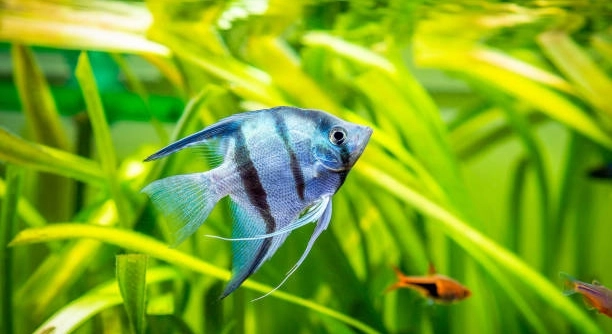
Do your angelfish seem less active lately or look a bit off even though you’re doing your best to care for them?
Many angelfish health issues are linked to common care mistakes, such as poor water quality, improper diet, overcrowding, and inconsistent tank maintenance. These missteps can significantly reduce their lifespan and overall well-being.
From unnoticed stressors in the tank to feeding habits that cause long-term harm, knowing what to avoid can make a real difference in your angelfish’s health.
Overfeeding Can Lead to Health Problems
Feeding angelfish too often or giving them more food than they need can create serious problems. Extra food sinks to the bottom of the tank and breaks down, increasing ammonia levels. This makes the water unhealthy and can damage your angelfish’s gills over time. Overfeeding also causes digestive issues like bloating and constipation. These fish have small stomachs and do better with small, controlled portions. Uneaten food can attract bacteria and cloud the water, which adds more stress for your angelfish. Feeding once or twice a day with small amounts they can finish in under two minutes is usually enough. It’s also helpful to have one fasting day per week to support their digestion. Sticking to a consistent feeding schedule helps keep them healthier and makes the tank easier to maintain. Good nutrition is important, but it only helps if the food is properly portioned and the tank stays clean.
Feed your angelfish only what they can eat quickly. This helps avoid waste, keeps the water clean, and protects their health.
Keeping a simple routine with feeding can prevent larger problems. When water quality stays stable and your fish aren’t stressed, they tend to live longer and stay more active.
Poor Tank Conditions Create Stress
Dirty or unstable tank environments put a lot of stress on angelfish. Sudden changes in temperature, pH, or hardness can lead to health problems.
Stable tank conditions are one of the most important parts of caring for angelfish. These fish are sensitive to shifts in their environment, and even small changes can cause stress. High levels of ammonia, nitrite, or nitrate are especially harmful. Without regular water changes, waste and uneaten food break down and affect water quality. Aim to do a 25–30% water change once a week and test the water regularly. A good filter helps, but it can’t do all the work alone. Temperature should stay between 76–82°F. Using a heater with a thermostat keeps things steady. Avoid placing the tank in direct sunlight or near windows, as this can lead to sudden shifts in temperature. It’s also important to keep the tank in a low-traffic area where the fish won’t be startled often. Angelfish are calmer and healthier in a peaceful, clean environment.
Incompatible Tank Mates Can Cause Constant Stress
Angelfish are semi-aggressive and don’t do well with every species. Fast, nippy fish can damage their fins, while overly aggressive fish may cause fights or injuries. Peaceful, slow-moving fish are usually a safer choice.
Choosing the right tank mates makes a big difference in how your angelfish behave. Fin-nippers like tiger barbs or aggressive cichlids can chase and bite angelfish, leaving them stressed and vulnerable to illness. Even constant chasing without physical harm is enough to weaken their immune systems over time. Schooling fish that move quickly can also stress them out just by being too active. It’s best to house angelfish with calm, similar-sized species that won’t fight for food or territory. Some good options include peaceful tetras, corydoras, or gouramis. Always monitor behavior after adding a new fish to the tank. If any signs of aggression show up, it’s better to separate them early.
Long-term stress from bad tank mates lowers immunity and shortens lifespan. Even if there are no visible injuries, constant fear and hiding mean the angelfish aren’t comfortable in their space. They may stop eating or show faded colors. Watch closely after introducing any new fish. A peaceful tank leads to healthier, more active angelfish.
Lack of Hiding Spots Increases Anxiety
A tank without plants, rocks, or decorations leaves angelfish feeling exposed. These fish rely on cover to feel secure, especially when resting or avoiding conflict.
Creating a safe environment with hiding spots is important for keeping angelfish calm. Even though they are confident swimmers, they still need areas where they can retreat when feeling threatened. Live or artificial plants, tall driftwood, and vertical decorations help break up sightlines and give them places to rest. When the tank is too open, they may become nervous and start avoiding certain areas. This leads to uneven activity and sometimes aggression toward each other. A well-decorated tank helps reduce those issues. It also mimics their natural habitat, where they are used to swimming through roots and dense plants. Don’t overcrowd the tank, but be sure to give enough cover so they feel protected. Balance is key when creating a safe space.
Fluctuating Water Temperature Affects Health
Angelfish need steady water temperatures to stay healthy. If the water gets too hot or cold, it can weaken their immune system and cause stress. Sudden shifts, even just a few degrees, can make them more likely to get sick.
Using a reliable heater with a built-in thermostat helps prevent temperature swings. Check the temperature daily with a thermometer to make sure it stays between 76–82°F. Avoid placing the tank near windows, doors, or vents, since these areas are more likely to cause sudden changes.
Poor Diet Reduces Immunity
Angelfish need a varied diet to stay strong and live longer. Feeding only flakes or pellets limits their nutrition. They do best with a mix of high-quality flakes, frozen foods like bloodworms or brine shrimp, and occasional fresh veggies like blanched spinach. This keeps them healthy, active, and colorful.
Overstocking the Tank Limits Movement
Too many fish in the tank leads to stress and competition for food. It also makes it harder to keep the water clean. Angelfish need space to swim and grow properly.
FAQ
How often should I feed my angelfish?
Feed adult angelfish once or twice a day, offering only what they can eat within two minutes. Overfeeding causes waste buildup and water issues, so it’s better to feed less if you’re unsure. For young angelfish, small meals two to three times a day are fine since they need more energy while growing. Adding variety to their diet—such as flakes, pellets, frozen bloodworms, or brine shrimp—helps meet their nutritional needs. A once-a-week fasting day also helps improve digestion and prevent bloating or constipation. Consistency in feeding times also helps reduce stress.
What size tank is best for angelfish?
A single angelfish needs at least a 20-gallon tank, but a pair or group should have at least 30–40 gallons to swim comfortably. Angelfish are tall-bodied and need vertical space just as much as horizontal room. A taller tank suits their natural swimming style. Too-small tanks cause crowding, aggression, and faster buildup of toxins. They also make it harder to maintain stable water conditions. If keeping them with tank mates, always go bigger to avoid territory disputes. The more space they have, the easier it is to keep them healthy and reduce stress-related issues.
Can angelfish live alone or do they need to be in groups?
Angelfish can live alone, especially if they’re kept in smaller tanks or are more aggressive. However, they are social fish and often do well in groups of four to six when housed in a large enough tank. Groups can reduce bullying behavior by spreading out aggression. When angelfish are kept alone for too long, they may become bored or less active. On the other hand, overcrowding leads to stress. The key is balancing space and personality. Always observe behavior and adjust if you notice fighting, hiding, or signs of stress among your fish.
Do angelfish need a filter in their tank?
Yes, angelfish need a good-quality filter to maintain clean water and reduce harmful waste. Filters help remove ammonia, nitrite, and excess food particles, all of which can cause health issues if they build up. A gentle filter is best, as strong currents can stress angelfish and make it hard for them to swim. Sponge filters or adjustable flow filters work well. Even with a filter, you still need to do weekly water changes and check water parameters regularly. A filter supports a healthy environment, but it can’t replace proper care and maintenance.
Why is my angelfish hiding more than usual?
Frequent hiding can be a sign of stress, illness, or bullying from other fish. If your angelfish used to swim freely but now stays in corners or behind decorations, check for changes in water quality, temperature, or tank mates. Poor water conditions and sudden environmental shifts often make them retreat. Aggressive tank mates may also cause them to hide. Illness or injury is another possibility—watch for signs like clamped fins, lack of appetite, or color changes. Make sure the tank has enough hiding spots, but also try to find the root cause.
How can I tell if my angelfish is stressed?
Stressed angelfish may show signs like fast breathing, loss of appetite, hiding, faded colors, or sudden aggression. They might also swim oddly or avoid other fish. Stress can be caused by poor water quality, temperature changes, tank mate aggression, or even boredom. A clean, stable tank setup with peaceful companions and proper nutrition helps lower stress. Always check water parameters first if you notice any of these changes. If things look normal but behavior still seems off, it could be an early sign of illness or discomfort that needs attention.
How long do angelfish live with proper care?
With the right care, angelfish can live anywhere from 8 to 10 years. Some even live longer in well-maintained tanks with consistent water quality, a balanced diet, and a peaceful environment. Poor conditions can shorten their lifespan quickly, so regular tank maintenance and thoughtful feeding go a long way. Keeping their environment stable and giving them enough space and companionship also helps promote a longer, healthier life. Don’t overlook small changes—early care makes a big difference in how long your angelfish stays active and healthy.
Final Thoughts
Taking care of angelfish can be simple once you understand what they need. These fish are beautiful, active, and can live a long time when given the right environment. Small mistakes, like feeding too much or letting the tank get too crowded, can slowly lead to health problems. It’s not always easy to spot the warning signs early, but keeping a close eye on their behavior and the water conditions helps a lot. Clean water, steady temperature, and a peaceful tank make a big difference in how they feel and behave. When angelfish are healthy, they swim with ease, show bright colors, and interact more with their surroundings.
It’s also important to think about how your choices affect them over time. Adding a new fish, skipping a water change, or changing food suddenly may not seem like a big deal at first. But all of these can cause stress if not done carefully. Stress might not show right away, but it builds up and weakens their immune system. That’s when problems like fin rot, infections, or aggression become more common. Taking the time to make slow, steady changes is always safer. And when in doubt, testing the water and observing their behavior can point you in the right direction.
Owning angelfish should be a relaxing and rewarding experience. As long as you stay consistent with your care and pay attention to their needs, they’ll likely stay healthy and active for many years. It’s not about having a perfect tank—it’s about making thoughtful choices and learning from each step. You don’t need fancy equipment or expensive food to keep them happy. Simple routines, like feeding the right amount and keeping the tank clean, are enough to help them thrive. In the end, angelfish will respond well to a calm and balanced environment, and that effort shows in their health and behavior every day.

Hello,
If you enjoy the content that we create, please consider saying a "Thank You!" by leaving a tip.
Every little bit helps us continue crafting quality advice that supports the health, happiness, and well-being of pets around the world, for pets of all shapes, sizes, and species.
We really appreciate the kindness and support that you show us!