
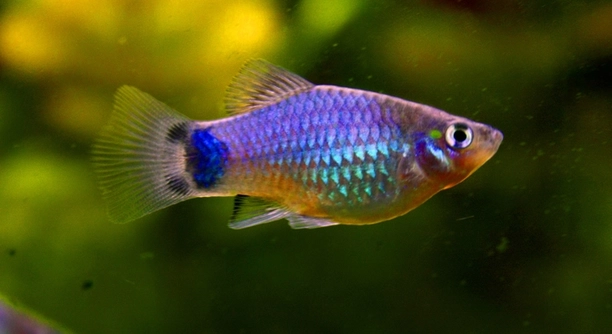
Platies are popular aquarium fish known for their bright colors and easy care. Many people enjoy keeping them as pets in home tanks. However, certain mistakes can cause platies to get sick and affect their well-being.
Common mistakes that lead to sick platies include poor water quality, improper feeding, overcrowding, lack of tank maintenance, wrong temperature, mixing incompatible fish, and ignoring early signs of illness. Each factor plays a crucial role in maintaining their health.
Understanding these mistakes can help you create a better environment for your platies. This knowledge will improve their chances of staying healthy and thriving in your aquarium.
Poor Water Quality
Maintaining good water quality is essential for platies’ health. Dirty or polluted water stresses fish and weakens their immune system. Common issues include high ammonia, nitrite, and nitrate levels, which often result from infrequent water changes or overfeeding. Fish waste and leftover food decompose, producing harmful chemicals. It’s important to regularly test water parameters and keep them within safe ranges. Using a good filter system also helps remove toxins and keeps the water clean. Changing about 20-30% of the tank water weekly can prevent buildup. Keeping the water balanced supports healthy fish behavior and vibrant colors.
Testing your tank water weekly and performing regular water changes are key steps to prevent health problems in platies.
When water quality is poor, platies can develop diseases like fin rot or fungal infections. These illnesses are often difficult to treat and can spread quickly. Clean water reduces stress and strengthens the fish’s natural defenses. Also, stable water conditions help maintain oxygen levels and proper pH, which are crucial for platies’ survival. Avoid overcrowding as it increases waste and pollution. Monitoring temperature and avoiding sudden changes contribute to stable water chemistry. Overall, clean water is the foundation of a healthy aquarium where platies can live comfortably.
Improper Feeding
Overfeeding or feeding low-quality food harms platies’ health. Excess food pollutes the water and can cause obesity in fish. It’s best to feed small amounts once or twice a day. Platies need a balanced diet rich in protein and vegetables. Choose high-quality flakes or pellets designed for tropical fish. Supplement their diet with occasional treats like bloodworms or brine shrimp. Avoid feeding only one type of food to prevent nutritional deficiencies. Proper feeding keeps platies energetic and vibrant.
Overcrowding
Too many platies in one tank create stress and poor water conditions. Overcrowding reduces oxygen and increases waste, making fish more vulnerable to illness.
When tanks are crowded, platies compete for food and space. This competition causes aggression and stress, which weakens their immune system. Waste from many fish builds up quickly, raising harmful chemicals like ammonia and nitrites. These toxins harm gills and overall health, causing sickness and sometimes death. Overcrowding also makes it harder to keep the tank clean and balanced. To avoid problems, provide enough space based on tank size and the number of fish. A general rule is one inch of fish per gallon of water.
Keeping the right number of fish helps maintain water quality and reduces stress. Healthy space means happier, more active platies with less risk of disease.
Lack of Tank Maintenance
Regular tank cleaning is essential to keep platies healthy. Neglecting maintenance leads to dirty water and harmful bacteria buildup. Filters can clog and stop working efficiently without proper care.
Cleaning includes removing algae, vacuuming substrate, and checking equipment weekly. These actions prevent waste accumulation and harmful chemical spikes. Without maintenance, toxic substances build up, stressing fish and making them sick. Also, equipment failures like broken heaters can cause dangerous temperature drops or spikes. Maintaining the tank environment helps platies stay healthy and active. Even small tasks like partial water changes improve water quality and keep fish safe. Consistent upkeep creates a stable home where platies can thrive long-term.
Wrong Temperature
Platies need stable temperatures between 72°F and 78°F. Sudden changes or extremes can cause stress and illness.
Heaters and thermometers help keep temperature steady. Avoid placing tanks near windows or vents that cause fluctuations.
Mixing Incompatible Fish
Some fish species may harm or stress platies. Aggressive or territorial fish can cause injury or constant stress.
Choose peaceful tank mates that share similar water needs. Compatibility prevents fighting and helps platies feel safe in their environment.
Ignoring Early Signs of Illness
Early symptoms like clamped fins or lethargy require quick attention. Ignoring these signs allows disease to worsen.
Prompt care improves recovery chances and prevents spread to other fish. Watching behavior closely is key to keeping platies healthy.
FAQ
What causes fin rot in platies?
Fin rot is usually caused by poor water quality and stress. Bacteria or fungi infect damaged fins, making them look ragged or discolored. Overcrowding, dirty water, and sudden temperature changes increase the risk. Early treatment with antibiotics and better tank care can stop the infection.
How often should I change the water in my platy tank?
Changing 20-30% of the water weekly keeps the tank clean and safe. This helps remove toxins, waste, and leftover food. Regular water changes also keep ammonia and nitrate levels low, which are harmful to platies.
Can I feed my platies only flakes?
Flakes are good but should not be the only food. A balanced diet includes flakes, pellets, and occasional live or frozen foods like bloodworms or brine shrimp. Vegetables like zucchini or peas can be added to provide fiber and nutrients.
What tank size is ideal for platies?
A minimum of 10 gallons is recommended for a small group of platies. This size provides enough swimming space and helps maintain stable water conditions. Overcrowding a smaller tank causes stress and water quality problems.
Why are my platies hiding all the time?
Hiding can mean stress from poor water quality, aggressive tank mates, or illness. It can also be a normal behavior if they feel unsafe. Check water parameters and tank conditions to find the cause and improve their comfort.
How do I know if my platies have parasites?
Signs of parasites include scratching against objects, white spots, rapid breathing, and loss of appetite. Quarantine new fish before adding them to the tank to reduce the risk of parasite outbreaks.
Is it necessary to use a filter in a platy tank?
Yes, a filter keeps water clean by removing waste and toxins. It also provides oxygen circulation, which is vital for fish health. Choose a filter appropriate for your tank size and clean it regularly.
Can platies live with other fish?
Platies are peaceful and do well with other non-aggressive tropical fish. Avoid mixing them with larger, aggressive species that may harm or stress them. Compatible tank mates include guppies, mollies, and tetras.
What is the best temperature for platies?
Platies thrive between 72°F and 78°F. Temperatures outside this range cause stress, lower immunity, and increase disease risk. Use a reliable heater and thermometer to maintain stable conditions.
How do I treat sick platies?
Identify symptoms early and isolate sick fish if possible. Treat common issues with appropriate medication, improve water quality, and adjust tank conditions. Consult aquarium experts or vets for severe cases to ensure proper care.
Why do my platies lose color?
Loss of color often indicates stress, poor diet, or illness. Improving water quality, feeding a balanced diet, and reducing stress from tank conditions can help restore their vibrant colors.
How long do platies live?
Platies typically live 2 to 3 years with good care. Proper feeding, clean water, and a stable environment increase their lifespan and overall well-being.
Can platies breed in a home aquarium?
Yes, platies breed easily in home tanks. Provide plants or hiding spots for fry to improve survival. Separate babies from adults to prevent them from being eaten.
What signs show a platy is healthy?
Healthy platies are active, swim freely, eat well, and have bright colors. Their fins are intact and spread out, and they respond to tank activity.
How often should I clean the tank?
Clean the tank weekly by removing algae, vacuuming gravel, and doing partial water changes. Avoid full cleanings that disrupt beneficial bacteria important for the tank’s ecosystem.
Final Thoughts
Keeping platies healthy requires attention to several important factors. Good water quality is the foundation of their well-being. Regular water testing, cleaning, and changes prevent harmful chemicals from building up. Using a proper filter and keeping the tank free of excess waste also help maintain a clean environment. Stable temperature and enough space in the tank reduce stress on the fish. When platies live in a balanced and stable habitat, they are less likely to get sick and more likely to live longer.
Feeding is another key part of platy care. Providing a balanced diet with good quality flakes, pellets, and occasional treats supports their health and vibrant colors. Overfeeding should be avoided because leftover food pollutes the water and can cause health problems. It is important to offer the right amount of food and to vary their diet to include some vegetable matter. Paying close attention to how platies eat and their behavior can help spot early signs of health issues.
Finally, keeping a close eye on your platies every day can make a big difference. Early signs of illness such as hiding, loss of appetite, or strange swimming behavior should not be ignored. Prompt action can prevent problems from getting worse. Regular tank maintenance, careful feeding, and providing the right living conditions create a healthy and comfortable home for your platies. These simple steps can help ensure your fish stay happy and vibrant for years to come.

Hello,
If you enjoy the content that we create, please consider saying a "Thank You!" by leaving a tip.
Every little bit helps us continue crafting quality advice that supports the health, happiness, and well-being of pets around the world, for pets of all shapes, sizes, and species.
We really appreciate the kindness and support that you show us!