
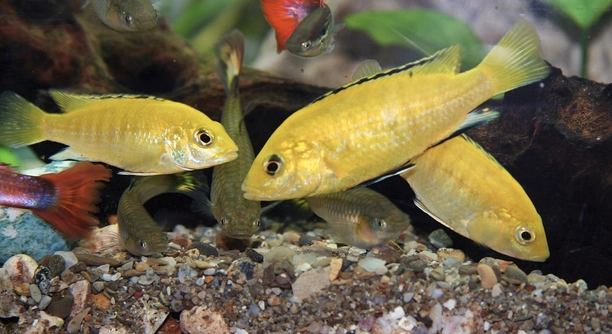
Do you ever find yourself worrying about your African cichlid’s sudden behavior changes or unexplained health issues in your tank?
Improper water conditions, poor diet, aggression, and neglecting tank maintenance are common mistakes that can seriously harm or even kill your African cichlid. Understanding these errors is crucial to keeping your fish healthy and thriving.
Learning how to avoid these mistakes can help you build a stable, safe, and happy environment for your colorful aquatic companion.
Overcrowding the Tank
African cichlids need space to swim, claim territory, and reduce stress. When too many fish share a tank, aggression quickly becomes a problem. Overcrowding leads to constant fighting, injuries, and even death. It also makes it harder to keep the water clean, as waste builds up quickly. This adds strain on the filter and reduces oxygen levels. African cichlids are territorial by nature, so without enough space, they become anxious and aggressive. This stress weakens their immune systems and leaves them vulnerable to disease. It’s important to research the specific space needs of your species and stick to a strict fish-to-gallon ratio. Never choose tankmates based on color alone—consider their size and temperament too. A bigger tank may require a larger upfront investment, but it helps reduce conflict and keeps your fish healthy. Giving your cichlids enough room is one of the easiest ways to keep them safe.
Tanks under 55 gallons are often too small for African cichlids, especially if you plan to keep several together.
Choose tank sizes based on the number and species of cichlids. Allow 3–4 gallons per adult fish. Include rocks and caves to reduce stress and support their need for territory. Monitor behavior daily and remove aggressive fish early.
Poor Water Quality
Poor water quality is one of the fastest ways to harm your African cichlid. Even slight changes in pH, ammonia, or nitrites can lead to illness or death.
Cichlids are sensitive to water chemistry and rely on a clean, stable environment. If your tank has cloudy water, odd smells, or algae buildup, it’s time to check your water parameters. Tap water often contains chlorine, which needs to be neutralized before use. Also, skipping water changes allows harmful toxins to build up. Ammonia and nitrite spikes often go unnoticed until your fish start gasping or showing faded colors. A good filtration system is essential, but even the best filter can’t replace regular maintenance. Test the water weekly for pH, hardness, ammonia, nitrite, and nitrate. Make sure your tank stays within the recommended pH range of 7.8 to 8.6. Doing 25–30% water changes every week helps prevent buildup and keeps your fish active and healthy. Avoid overfeeding, as uneaten food also pollutes the water.
Feeding the Wrong Diet
Feeding your African cichlid the wrong food can lead to bloating, poor coloration, and even organ damage. Many species are herbivores and can’t properly digest high-protein or fatty foods like bloodworms or beef heart.
Stick to species-appropriate food. Most African cichlids do best on a primarily plant-based diet, with spirulina flakes, algae wafers, and vegetable-based pellets. Some species, especially Mbuna, are strict herbivores and need fiber-rich foods to avoid Malawi bloat, a painful and often deadly condition. Avoid overfeeding and stick to small portions once or twice daily. Fast one day a week to support digestion. If your fish shows signs of swelling, stop feeding and treat the water. Look for foods with minimal fillers like corn or soy. Read ingredient labels and avoid anything with animal protein listed first. A healthy diet helps your fish maintain energy, bright colors, and strong resistance to disease.
Overfeeding adds excess waste and harms water quality. Leftover food rots quickly, increasing ammonia and lowering oxygen levels. Uneaten bits also encourage mold and parasites. Feed only what they can eat in one to two minutes. Remove uneaten food right away. Smaller, more frequent feedings are better than large, inconsistent meals. Pay attention to behavior—slow or disinterested eaters may be unwell.
Ignoring Aggression
Aggression is a natural behavior in African cichlids, but ignoring it can lead to serious harm. Injuries from fighting often get infected, and constant stress weakens their immune system over time.
Watch for bullying, such as torn fins, missing scales, or fish hiding for long periods. Separate aggressive individuals when needed, and avoid housing dominant species with passive ones. Rearranging tank décor can help reduce territorial claims. Adding more hiding spaces and visual barriers can also help weaker fish escape attacks. Stocking odd numbers and introducing fish all at once often reduces conflict. Aggression can also increase during feeding or mating, so monitor your tank closely during those times. If one fish constantly picks fights, consider rehoming it to protect the others. Always research compatibility before mixing species. Proper management of aggression creates a safer, calmer tank where your cichlids can thrive without stress or injury.
Using Incompatible Tankmates
Mixing African cichlids with incompatible tankmates often leads to aggression, stress, and injuries. Some fish can’t handle the cichlids’ territorial nature or specific water conditions, making them easy targets or causing tension in the tank.
Stick to species with similar temperaments and water needs. Avoid small, slow, or timid fish that may get bullied or eaten.
Inconsistent Water Changes
Skipping regular water changes causes toxin buildup and unstable water parameters, which harm your fish over time. Ammonia and nitrate levels rise, leading to stress and disease. Clean water supports healthy digestion, energy, and coloration.
Do 25–30% weekly water changes, using a gravel vacuum to remove waste. Treat new water for chlorine and match the tank’s temperature. Monitor ammonia, nitrite, and nitrate levels regularly. If you miss a water change, don’t double the next one—just get back on schedule. Keeping things steady helps your cichlids thrive without sudden changes.
Lack of Hiding Spaces
Without hiding spaces, African cichlids feel exposed and stressed. Caves, rocks, and plants offer shelter, reduce aggression, and let weaker fish rest safely. Add multiple hiding spots to support natural behavior and improve overall tank harmony.
FAQ
What is the best water temperature for African cichlids?
African cichlids thrive in water temperatures between 75°F and 82°F (24°C to 28°C). Keeping the temperature stable within this range helps support their metabolism and immune system. Sudden temperature changes can stress the fish and make them more prone to illness. Use a reliable heater and thermometer to maintain consistent conditions.
How often should I test my tank water?
Testing your tank water once a week is ideal. Regular checks for ammonia, nitrite, nitrate, pH, and hardness help you catch problems early. African cichlids prefer alkaline water with a pH between 7.8 and 8.6. If levels go outside safe ranges, immediate action can prevent serious health issues.
Can African cichlids live with other fish species?
African cichlids are aggressive and territorial, so tankmate choice is critical. They do best with other cichlids of similar size and temperament, especially from the same lake or region. Avoid small, slow, or peaceful species that can be bullied or injured. Proper research on compatibility is essential.
What causes Malawi bloat, and how can I prevent it?
Malawi bloat is a digestive disorder caused by poor diet, stress, or bad water quality. Feeding herbivorous cichlids too much protein or fatty food triggers this condition. Prevention includes providing a plant-based diet, avoiding overfeeding, and keeping water clean. If symptoms appear, isolate the fish and treat promptly.
How do I reduce aggression in my African cichlid tank?
To reduce aggression, provide plenty of hiding places and visual barriers. Maintain an odd number of fish and rearrange the tank décor regularly to break up territories. Separating overly aggressive individuals may be necessary. Feeding multiple spots also reduces competition.
What are signs of poor water quality in my tank?
Signs include cloudy or foul-smelling water, algae overgrowth, fish gasping at the surface, faded colors, and lethargy. Fish may also show rapid gill movement or abnormal swimming. Testing water parameters will confirm problems, allowing for corrective steps.
How much should I feed my African cichlids?
Feed only what your fish can consume in two to three minutes, once or twice daily. Overfeeding leads to poor water quality and health issues. Offering smaller portions more frequently is better than large meals. Fast one day a week to help digestion.
Is it necessary to quarantine new fish before adding them to my tank?
Yes, quarantining new fish for at least two weeks helps prevent disease introduction. Monitor them for signs of illness or parasites before mixing them with your established cichlids. A separate quarantine tank reduces risks and protects your entire collection.
What type of filtration is best for African cichlid tanks?
Strong filtration is essential because these fish produce a lot of waste. Canister filters or high-quality hang-on-back filters with biological, mechanical, and chemical media work best. Filters must handle the tank’s volume and keep water clear and well-oxygenated. Regular maintenance is key.
Why do my African cichlids dig in the substrate?
Digging is natural behavior. African cichlids use substrate rearrangement to claim territory, find food, or create breeding sites. Providing sand or fine gravel allows them to express this instinct safely. Avoid sharp substrates to prevent injury.
How often should I clean the tank?
Partial water changes and substrate cleaning should happen weekly. Clean filter media monthly, but avoid washing all media at once to preserve beneficial bacteria. Spot clean algae as needed. A clean tank prevents disease and supports fish health.
Can African cichlids recognize their owners?
While they do not recognize people like pets such as dogs or cats, cichlids learn to associate feeding times and routine movements with food. They may respond to your presence, swimming to the front when you approach the tank.
What is the average lifespan of African cichlids?
With proper care, African cichlids typically live between 5 and 10 years. Maintaining stable water conditions, a balanced diet, and low stress improves longevity. Early detection of illness also plays an important role in extending their lifespan.
How do I know if my African cichlid is sick?
Common signs of illness include loss of appetite, lethargy, clamped fins, faded color, white spots, or unusual swimming patterns. Early intervention is crucial. Quarantine sick fish and seek advice on appropriate treatments to prevent spread.
Is lighting important for African cichlids?
Moderate lighting helps show off their colors and supports any live plants in the tank. Avoid overly bright or direct light, as it can stress the fish or encourage excessive algae growth. A regular day-night cycle helps maintain their natural rhythm.
Can African cichlids be bred in home aquariums?
Yes, breeding is possible with proper conditions. Providing hiding places and stable water quality encourages spawning. Most African cichlids are mouthbrooders, with females carrying eggs and fry. Separating fry from adults increases survival rates.
What should I do if a fish dies in my tank?
Remove the dead fish immediately to prevent water contamination. Test water parameters and look for signs of disease in other fish. Perform a partial water change and increase monitoring to catch any issues early. Quarantine new fish if illness is suspected.
African cichlids are beautiful and interesting fish that require careful care to thrive. Avoiding common mistakes like overcrowding, poor water quality, and feeding the wrong diet is essential for their health. These fish need stable conditions and proper space to reduce stress and aggression. Taking the time to learn about their needs helps prevent many problems before they start. By giving your cichlids the right environment, you support their natural behaviors and keep them active and vibrant.
Water quality plays a major role in keeping African cichlids healthy. Regular testing and maintenance are necessary to keep ammonia, nitrites, and nitrates at safe levels. Water changes must be done consistently, and filters cleaned without removing all beneficial bacteria at once. Keeping the water chemistry stable reduces stress and supports the fish’s immune system. Overfeeding should be avoided since leftover food pollutes the water and encourages algae growth. A balanced diet tailored to the specific species also prevents issues like Malawi bloat and helps maintain good coloration and energy levels.
Managing aggression and tankmate compatibility is important for a peaceful aquarium. African cichlids naturally establish territories and can be aggressive, especially when overcrowded or stressed. Providing hiding spots and rearranging décor can reduce conflict. Choosing compatible species with similar temperaments and water needs avoids unnecessary fighting. Separating overly aggressive fish when necessary protects the whole group. Paying attention to these details creates a safer environment where your cichlids can live longer and happier. Consistent care and observation will help you enjoy these fascinating fish for many years.

Hello,
If you enjoy the content that we create, please consider saying a "Thank You!" by leaving a tip.
Every little bit helps us continue crafting quality advice that supports the health, happiness, and well-being of pets around the world, for pets of all shapes, sizes, and species.
We really appreciate the kindness and support that you show us!