
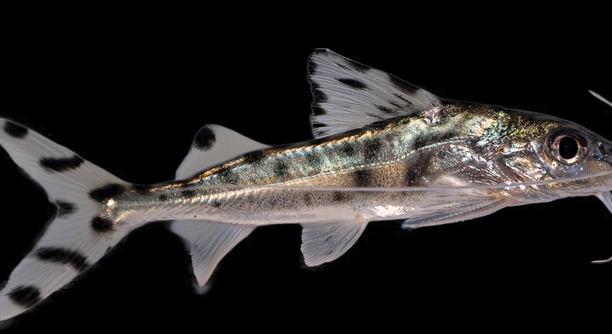
Pictus catfish are popular pets known for their striking appearance and active behavior. Many owners enjoy watching their fins glide gracefully through the water. However, these delicate fins can easily suffer damage if not cared for properly.
Fin damage in pictus catfish often results from common mistakes such as poor water quality, aggressive tank mates, improper diet, and inadequate tank conditions. These factors contribute to fin deterioration and can significantly affect the fish’s overall health and wellbeing.
Recognizing these common pitfalls can help ensure your pictus catfish stays healthy and vibrant. This article will guide you through the key mistakes to avoid for stronger, safer fins.
Poor Water Quality
Maintaining clean water is crucial for pictus catfish health. Dirty water contains harmful toxins like ammonia and nitrites, which can irritate and damage their delicate fins. Frequent water changes and a good filtration system help keep these toxins at bay. Avoid overcrowding the tank, as too many fish produce more waste, quickly polluting the water. Testing water parameters regularly ensures safe conditions. Neglecting water quality stresses fish, making fins prone to tearing or infections. Clear, well-oxygenated water also supports healing if any fin damage occurs. Ensuring proper water conditions is one of the easiest ways to protect your pictus catfish from fin damage.
Consistent water maintenance prevents fin damage and promotes overall fish health. Regular testing and cleaning are essential.
Even if your tank looks clean, invisible toxins can build up quickly and harm your fish. Keeping water parameters stable reduces fin damage risk and encourages healthier, longer-lasting fins. Investing time in water care benefits your fish’s comfort and longevity.
Aggressive Tank Mates
Aggressive fish in the same tank can nip or tear the fins of pictus catfish. This often happens when territorial or fin-nipping species share space with more peaceful fish. Pictus catfish have long, flowing fins that are especially vulnerable to attacks. Stress from aggressive behavior also weakens their immune system, making fin damage more likely. Choosing compatible tank mates is vital to prevent injury and reduce stress. Avoid keeping fish known for fin-nipping or aggressive tendencies. Providing plenty of hiding places helps your pictus feel safe and limits direct confrontations. A peaceful tank environment is the best defense against fin damage caused by aggression.
Improper Diet
A poor diet weakens your pictus catfish’s fins and overall health. Lack of essential nutrients can slow fin growth and repair.
Providing a balanced diet rich in proteins and vitamins is essential. Pictus catfish are primarily carnivorous and thrive on live or frozen foods like bloodworms, brine shrimp, and daphnia. Avoid overfeeding, as uneaten food can foul the water. Supplementing with high-quality sinking pellets ensures they receive all necessary nutrients. A proper diet supports strong fins, vibrant colors, and good immune function, which helps resist infections and injuries.
Inadequate nutrition can also make fins more susceptible to bacterial and fungal infections. Feeding your fish the right foods regularly prevents fin rot and other common problems. Healthy fins are a sign of well-cared-for pictus catfish, so paying attention to diet pays off in the long run.
Inadequate Tank Size
Small tanks limit swimming space and increase stress, which can lead to fin damage. Pictus catfish need room to move freely.
A tank under 30 gallons is usually too small for pictus catfish, as they grow fairly large and are active swimmers. Crowded conditions increase aggression and fin nipping among tank mates. Limited space also causes poor water quality, as waste builds up faster. Larger tanks allow stable water parameters, less stress, and enough hiding spots. This environment supports healthy fins and reduces the risk of injury. Choosing an adequately sized tank is a straightforward way to keep your pictus comfortable and safe.
When fish have enough space, they display natural behaviors and are less prone to stress-related fin damage. Investing in a larger tank helps maintain your fish’s health and happiness, making it easier to avoid costly fin problems.
Sharp Decorations and Substrate
Sharp objects in the tank can easily tear pictus catfish fins. Avoid decorations with rough edges or jagged surfaces.
Smooth, rounded decorations and fine substrate materials like sand help protect delicate fins from accidental damage. Choosing safe tank decor is essential to keep your fish injury-free.
Poor Water Temperature
Water temperature outside the ideal range stresses pictus catfish and weakens their fins. Stable temperatures between 74°F and 79°F suit them best.
Sudden temperature changes can shock the fish, leading to fin damage and illness. Using a reliable heater and thermometer ensures consistent water temperature, promoting fin health and overall wellbeing.
Overcrowding
Overcrowding causes competition for resources and increases aggression among fish. Too many fish in one tank can lead to fin nipping and injuries.
Keeping a proper fish-to-tank size ratio reduces stress and fin damage. Adequate space ensures your pictus catfish can swim freely and maintain healthy fins.
FAQ
How can I tell if my pictus catfish’s fins are damaged?
Damaged fins often look torn, ragged, or have white edges. You might notice your fish rubbing against tank decorations or swimming awkwardly. Fins can also appear clamped or shorter than usual. Early signs include redness or swelling near the fin base. Checking your fish regularly helps catch problems before they worsen.
What causes fin rot in pictus catfish?
Fin rot usually happens because of poor water quality or injury. Bacteria and fungi take advantage of weakened fins, causing them to decay. Stress from aggressive tank mates or overcrowding makes fish more vulnerable. Treating fin rot requires improving tank conditions and sometimes using medication prescribed for bacterial or fungal infections.
Can fin damage heal on its own?
Yes, pictus catfish fins can heal naturally if the cause of damage is removed. Clean water, a calm environment, and a good diet support regrowth. However, severe tears or infections might need treatment. Healing takes time, and fins will gradually regrow if no further harm occurs.
Is it safe to keep pictus catfish with other species?
Pictus catfish do well with peaceful, non-aggressive tank mates. Avoid fish known for fin-nipping or territorial behavior. Suitable companions include small tetras, rasboras, and peaceful bottom dwellers. Proper tank size and hiding places also reduce stress and potential fin damage.
How often should I change the water in my pictus catfish tank?
A weekly water change of 20-30% is recommended for maintaining healthy conditions. More frequent changes may be necessary in heavily stocked tanks or if water quality drops. Regular testing helps decide when water changes are needed. Clean water prevents fin damage caused by toxins.
What foods help promote healthy fins?
High-protein foods like bloodworms, brine shrimp, and daphnia support fin growth. Supplementing with quality sinking pellets ensures balanced nutrition. Vitamins A and C are important for immune health and fin repair. Avoid overfeeding to maintain water quality.
Can stress cause fin damage in pictus catfish?
Yes, stress weakens the immune system and makes fins more prone to injury and infection. Stress factors include aggressive tank mates, poor water quality, and overcrowding. Creating a peaceful, stable environment reduces stress and protects fin health.
What decorations are safest for pictus catfish tanks?
Smooth, rounded decorations and fine substrates like sand prevent accidental fin tears. Avoid sharp or jagged rocks, plastic plants with rough edges, and coarse gravel. Providing plenty of hiding spots with soft materials helps your fish feel secure and limits injury risks.
How long does it take for damaged fins to regrow?
Fin regrowth varies but usually takes a few weeks to a couple of months, depending on the damage extent and tank conditions. Clean water, good nutrition, and low stress speed up healing. Avoid further injury to help fins recover fully.
Should I use medication for fin damage?
Medication is necessary if fins show signs of infection like redness, swelling, or white edges. Antibiotics or antifungal treatments can stop infections and promote healing. Always follow dosage instructions carefully, and improve tank conditions alongside treatment to prevent recurrence.
Taking good care of pictus catfish fins requires attention to several important factors. Keeping the water clean and stable is the foundation of their health. Dirty or poor-quality water can cause serious fin damage and lead to infections. Regular water changes, good filtration, and testing help maintain a safe environment. Along with water care, choosing the right tank mates matters a lot. Aggressive or fin-nipping fish put pictus catfish at risk of torn fins and stress. A peaceful community tank with compatible species allows your fish to swim comfortably and stay healthy.
Feeding your pictus catfish a balanced diet is another key step in preventing fin problems. These fish need protein-rich foods like bloodworms and brine shrimp to keep their fins strong and help them heal if damaged. Overfeeding or feeding the wrong foods can harm water quality, which in turn affects fin health. Also, providing enough swimming space reduces stress and aggression, which often lead to fin injuries. Pictus catfish do best in tanks large enough to accommodate their size and active nature. Tank decorations should be smooth and safe to avoid accidental fin tears.
Fin damage is common but often preventable with proper care. Monitoring your fish regularly for any signs of fin issues lets you act early. Quick action with water maintenance, diet adjustment, and sometimes treatment helps fins recover. By avoiding mistakes like overcrowding, poor water quality, and aggressive tank mates, you create a better home for your pictus catfish. Healthy fins reflect overall fish wellbeing, so focusing on these basic needs supports their happiness and longevity in your aquarium.

Hello,
If you enjoy the content that we create, please consider saying a "Thank You!" by leaving a tip.
Every little bit helps us continue crafting quality advice that supports the health, happiness, and well-being of pets around the world, for pets of all shapes, sizes, and species.
We really appreciate the kindness and support that you show us!