
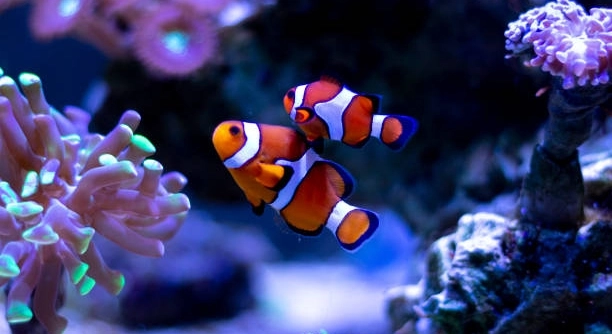
Clownfish are popular pets for many aquarium enthusiasts. Keeping a healthy clownfish pair can be rewarding but also challenging. Understanding common mistakes can help avoid problems in your tank.
Clownfish pair failure often results from errors in tank setup, poor water quality, improper feeding, incompatible tank mates, stress, inadequate hiding spaces, and failure to recognize breeding behaviors. Addressing these factors is crucial for maintaining a successful pair.
Recognizing these common pitfalls will improve your chances of raising a happy clownfish pair and maintaining a balanced aquatic environment.
Poor Tank Setup
A proper tank setup is essential for clownfish pairs to thrive. Many people overlook the importance of tank size and proper equipment. Clownfish need at least a 20-gallon tank to have enough space to swim and establish territory. Filtration and water circulation should be strong but not too turbulent, mimicking their natural reef environment. Lighting plays a role in their well-being, supporting the growth of host anemones if you have them. It’s also important to have a stable temperature between 75°F and 82°F. Without the right conditions, clownfish can become stressed, leading to aggression or illness. Many mistakes happen because of rushing to set up a tank without proper research or preparation.
Proper tank setup supports healthy behavior and reduces stress.
Taking time to create a suitable environment will help your clownfish pair feel secure. Regularly checking water parameters and ensuring the tank is cycled before introducing fish makes a big difference. Even small details, like adding hiding spots or live rock, can encourage natural behaviors and reduce conflicts between the pair.
Poor Water Quality
Water quality greatly impacts clownfish health. Dirty or unbalanced water stresses fish and increases disease risk. Ammonia, nitrite, and nitrate levels must be monitored carefully. Frequent water changes and using a good filtration system help maintain clean water. pH should stay stable between 8.0 and 8.4. Sudden shifts in water chemistry can harm clownfish and cause pair failure. It is tempting to skip maintenance, but neglecting water quality often leads to serious problems.
Keeping water clean is non-negotiable for clownfish success.
Maintaining stable, clean water takes effort but protects your fish from common illnesses. Testing water weekly and doing partial water changes around 10-20% helps keep parameters safe. Avoid overfeeding because leftover food pollutes water quickly. Using quality salt mix and avoiding drastic changes will support the clownfish’s immune system. If problems arise, acting quickly to fix water issues can save your fish and preserve the pair’s bond. Proper water quality is one of the most effective ways to prevent clownfish pair failure.
Improper Feeding
Feeding clownfish the wrong diet can cause health problems and weaken their bond. They need a balanced diet rich in protein and vitamins.
Offering only flakes or pellets is not enough. Supplement their meals with frozen or live foods like brine shrimp and mysis shrimp. Feeding small amounts two to three times daily helps avoid overfeeding and keeps water quality stable. Poor nutrition can cause lethargy and reduce breeding chances. Variety in diet keeps clownfish healthy and active, supporting their natural behaviors and relationship.
Consistent feeding schedules create a routine that reduces stress. Overfeeding leads to leftover food, which pollutes the tank and harms water quality. Monitoring how much your clownfish eat ensures they get enough without excess waste. Feeding is one of the easiest ways to support your clownfish pair’s well-being.
Stress and Tank Mates
Stress from aggressive tank mates often causes clownfish pairs to fail. Avoid housing clownfish with overly aggressive or territorial species.
Clownfish need peaceful neighbors to thrive. Aggressive fish may chase or harm them, increasing stress levels. Stress weakens their immune system and disrupts social bonds. Carefully choosing compatible tank mates, such as gobies or blennies, helps create a calm environment. Avoid overcrowding the tank, which increases competition and tension. Maintaining a peaceful community supports clownfish health and encourages natural pairing behavior.
Stress also arises from sudden changes in the environment or handling. Keep routines consistent and avoid frequent rearrangement of tank decorations. Providing plenty of hiding places helps clownfish feel safe. When stress is reduced, clownfish pairs are more likely to stay bonded and healthy.
Lack of Hiding Spaces
Clownfish need places to hide and feel secure. Without hiding spots, they become stressed and more vulnerable to aggression.
Providing live rock, caves, or artificial decorations helps create safe zones. This reduces stress and encourages natural behavior.
Not Recognizing Breeding Behaviors
Clownfish breeding behaviors can be subtle but important to notice. Ignoring these signs may lead to misunderstandings about their health or relationship.
Mating pairs clean a flat surface and become more territorial. Recognizing these behaviors helps you support the pair properly and avoid disruptions in the tank.
Overcrowding the Tank
Too many fish in a tank causes stress and competition. Overcrowding reduces space for clownfish to establish territory.
Crowded tanks often lead to aggressive behavior and poor water quality. Giving your clownfish enough room helps keep them healthy and bonded.
FAQ
How do I know if my clownfish pair is bonded?
A bonded clownfish pair usually stays close to each other, swims together, and shares a territory. They show less aggression toward each other and more toward other fish. You may also notice them cleaning a surface together or protecting a specific area. When they are bonded, they often look relaxed and swim calmly side by side.
What should I do if my clownfish pair starts fighting?
Some minor disputes are normal, especially when establishing dominance. However, constant aggressive behavior may mean stress or poor tank conditions. Check water quality, tank size, and hiding spots. Removing aggressive tank mates or providing more space can help. In some cases, separating the pair temporarily may be necessary until they calm down.
Can clownfish live without an anemone?
Yes, clownfish can live without anemones. While anemones offer shelter and mimic natural habitat, many clownfish adapt well to tanks without them. Providing plenty of hiding spaces with live rock or decorations will help keep them secure. Just make sure the environment meets their basic needs.
How often should I feed my clownfish?
Feeding two to three small meals a day is ideal. Clownfish have small stomachs and benefit from frequent, controlled feedings. Avoid overfeeding to prevent water quality problems. Offer a mix of high-quality flakes, pellets, and frozen or live foods to keep their diet balanced.
What are common signs of stress in clownfish?
Signs of stress include hiding more than usual, loss of color, rapid breathing, or erratic swimming. They may also stop eating or become aggressive. Stress is often caused by poor water quality, inappropriate tank mates, or lack of hiding spaces. Addressing these issues quickly can help reduce stress and improve health.
Can clownfish change sex?
Yes, clownfish are protandrous hermaphrodites, meaning they can change sex from male to female. Typically, the dominant fish becomes female, and the other becomes male. This natural process helps maintain the pair structure. If the female dies, the male usually changes sex to take her place.
How big should my tank be for a clownfish pair?
A minimum of 20 gallons is recommended for a clownfish pair. This size gives enough swimming space and allows for proper filtration and hiding spots. Larger tanks are better if you want to add more species or create a more natural reef environment.
Is it normal for clownfish to be aggressive?
Clownfish can be territorial, especially when paired or breeding. Mild aggression toward tank mates or other clownfish is normal. However, extreme aggression can be a sign of stress or overcrowding. Ensuring the right environment and compatible tank mates can help manage their behavior.
How do I prevent diseases in my clownfish?
Maintaining excellent water quality and a stable environment is the best prevention. Quarantine new fish before adding them to the tank. Feed a balanced diet and avoid overcrowding. Watch for early signs of illness like white spots or unusual behavior, and treat problems quickly.
Can I keep more than one clownfish pair in the same tank?
It’s generally not recommended to keep multiple clownfish pairs together unless the tank is very large and well-structured with plenty of hiding spots. Clownfish are territorial and pairs may fight over space. If you want more than one pair, carefully monitor their behavior and be ready to separate them if needed.
Clownfish pairs can bring a lot of joy to a home aquarium, but they need the right care to thrive. Understanding common mistakes helps prevent many problems that cause pairs to fail. Setting up the tank properly, maintaining clean water, and feeding the right diet are basic but critical steps. When these are done well, clownfish have a better chance to grow strong and form a lasting bond. Small details, like providing hiding spaces and choosing peaceful tank mates, also play an important role in their success.
Stress is a big factor in whether a clownfish pair will stay healthy and close. Stress comes from many sources, such as poor water quality, aggressive neighbors, or overcrowding. It is important to pay attention to how the fish behave and act quickly if signs of stress appear. Creating a calm and stable environment helps reduce stress and encourages natural behavior. This will also help prevent illness and improve the overall well-being of the clownfish.
Finally, patience and observation are key when keeping clownfish pairs. They may take time to settle in and get comfortable with each other. Watching their behavior and adjusting care based on what you see will improve their chances of success. There is no single solution, but combining good tank management, proper feeding, and stress reduction will support a healthy clownfish pair. With care and attention, you can enjoy the beauty and charm of clownfish in your aquarium for a long time.

Hello,
If you enjoy the content that we create, please consider saying a "Thank You!" by leaving a tip.
Every little bit helps us continue crafting quality advice that supports the health, happiness, and well-being of pets around the world, for pets of all shapes, sizes, and species.
We really appreciate the kindness and support that you show us!