
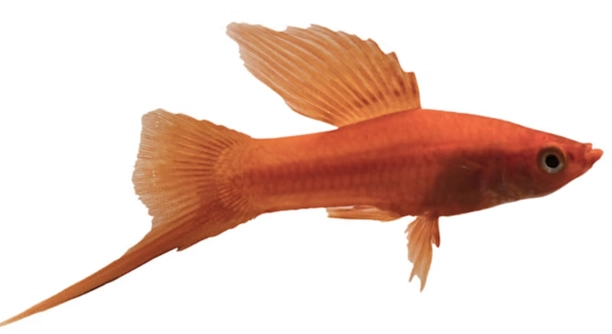
Caring for swordtail fry can be rewarding but also tricky. Many new fish keepers unknowingly make mistakes that could affect the fry’s survival and development. Understanding the basics is essential to raising healthy swordtail fish.
The main mistakes people make with swordtail fry include improper water conditions, overfeeding, underfeeding, and not separating them from adults. These errors can cause stress, stunted growth, or even death. Ensuring the right environment is crucial for success.
Correcting these common mistakes will help ensure the fry grow into healthy, vibrant adult swordtails. With the right knowledge, you can avoid these issues and enjoy a thriving aquarium. Let’s explore the solutions together.
Mistake 1: Incorrect Water Conditions
One of the most common mistakes people make with swordtail fry is not maintaining the right water conditions. Swordtail fry are sensitive to changes in water temperature, pH, and hardness. If the water is too cold or too warm, it can stunt their growth or even lead to death. Water quality also plays a crucial role. High ammonia or nitrite levels can be toxic, causing stress or even fatality in fry. Regular water changes are necessary to keep their environment clean and safe.
To ensure proper water conditions, it’s important to monitor the temperature, pH, and ammonia levels. Keeping the water temperature stable between 75-80°F and the pH between 7.0 and 7.5 is ideal. Water testing kits are a simple tool to help maintain these levels.
Adjusting the water conditions to meet swordtail fry’s needs is critical. Inconsistent water quality can make their survival much harder, so it’s essential to monitor these factors closely. Additionally, using a reliable filter will help keep the water clean for fry development.
Mistake 2: Overfeeding or Underfeeding
Feeding swordtail fry the right amount is often misunderstood. Overfeeding leads to water pollution and health problems, while underfeeding can slow their growth. Both issues can harm the fry, and finding the right balance is crucial for their development.
Swordtail fry need tiny amounts of food several times a day. Feeding too much can cause excess food to decay, leading to poor water quality. On the other hand, not feeding them enough can result in stunted growth or weaker fish. Make sure to feed them just what they can consume in a few minutes.
Feeding swordtail fry properly involves offering small portions of specialized fry food, such as liquid fry food or finely crushed flakes. Be careful to avoid overfeeding, and if there are any leftovers, remove them promptly. Keeping the water clean by adjusting the feeding routine is key for healthy fry growth.
Mistake 3: Not Separating Fry from Adults
If you leave swordtail fry with the adults, they can become easy prey. Adult fish may not intentionally harm the fry, but they can see them as food, especially if they’re hungry. Fry are tiny and defenseless, so separating them is a must.
Even in a well-planted tank, adults may accidentally eat the fry, and the fry won’t grow properly if they’re stressed. It’s best to use a breeding net or separate tank to give them space to grow. This also ensures they have access to food without competition from the adults.
Separating fry helps reduce stress and gives them a better chance to thrive. This also ensures the adults aren’t over-consuming the food meant for the fry. By providing a safe, separate space, you’ll see more success in raising healthy swordtail fish. With the right environment, fry can grow quickly and develop into vibrant adults.
Mistake 4: Poor Tank Setup
A poor tank setup can lead to unhealthy swordtail fry. Fry need a calm, secure environment with places to hide. A bare tank or one with excessive water flow can cause stress and disrupt their development.
It’s important to provide hiding spots like plants or decorations. Fry need these areas to feel secure and reduce stress. Strong water flow can also make it difficult for the fry to swim properly, so using a gentle filter or an air stone can help create a more comfortable environment.
Make sure to keep the tank free from sharp decorations or anything that could harm the fry. Avoiding strong currents and offering plenty of hiding places allows the fry to grow in a safe and stable environment. This setup reduces stress, promotes healthy development, and ensures your swordtail fry are thriving.
Mistake 5: Using the Wrong Type of Food
Swordtail fry need specific foods to grow properly. Using adult fish food or the wrong types of fry food can lead to stunted growth or nutritional deficiencies. It’s important to choose foods specifically designed for fry.
Using the wrong food can result in malnourished fry that fail to thrive. For optimal health, feed them high-quality liquid or powdered fry food. You can also offer finely crushed flakes, but ensure it’s appropriate for their tiny size.
By feeding them the correct food, you’ll promote better growth and development. This helps avoid issues like weak immune systems or slow growth, ensuring healthier fry.
Mistake 6: Not Keeping the Tank Clean
Keeping the tank clean is crucial for swordtail fry. Dirty water can lead to health problems like fungal infections, which can kill fry if left untreated. Regular water changes are a must for maintaining water quality.
A clean tank ensures that your fry stay healthy and grow properly. Make sure to remove any leftover food, clean the filter regularly, and check for any debris or waste that may accumulate. This helps prevent toxins from building up and causing harm. Fry are especially sensitive to poor water conditions, so keeping the tank clean is key for their survival.
Mistake 7: Ignoring Water Parameters
Failing to check water parameters regularly can have a significant impact on swordtail fry. If the water is too acidic or too alkaline, it can stress the fry and lead to health issues. Proper monitoring is essential.
Make sure to check the water’s pH, ammonia, and nitrite levels often. Keeping these parameters within the right range helps avoid harmful spikes in toxins, creating a stable and healthy environment for fry. Regular testing can prevent hidden problems before they harm the fish.
FAQ
What temperature should the water be for swordtail fry?
The ideal water temperature for swordtail fry is between 75-80°F (24-27°C). Fry are sensitive to temperature changes, and keeping it stable within this range helps promote proper growth. Temperatures outside this range can cause stress or slow their development. It’s also a good idea to invest in an aquarium heater to maintain consistency, especially if you live in an area with fluctuating room temperatures. Always check the water with a thermometer to ensure it remains stable.
How often should I feed swordtail fry?
Swordtail fry need to be fed multiple times a day in small amounts. Feeding them 3-4 times daily ensures they have enough nutrients without overfeeding. They should be fed food specifically designed for fry, such as liquid food or finely crushed flakes. Always remove any leftover food after a few minutes to keep the water clean and free from excess waste, which can harm the fry. Overfeeding can lead to poor water quality, so aim for small, manageable portions each time.
Can swordtail fry live with other fish?
It’s generally not a good idea to keep swordtail fry with adult fish or other larger species. Adult swordtails, in particular, may see the fry as food, which can be dangerous. It’s best to keep the fry in a separate tank or use a breeding net within the main tank until they grow larger. Once the fry reach a size where they can’t be eaten by the adults, they can be safely introduced to the main tank. Keep in mind that fry are fragile, so their safety should always come first.
What is the best way to separate swordtail fry from adults?
A breeding net or a separate grow-out tank is the best way to keep swordtail fry safe from adults. A breeding net is ideal because it keeps the fry within the same tank but prevents them from being eaten. If you choose to use a separate tank, ensure it’s properly set up with appropriate water conditions, filtration, and hiding spots. Both options help provide a stress-free environment for the fry to grow without the threat of adult fish.
How do I know if swordtail fry are healthy?
Healthy swordtail fry are active swimmers and have bright, vibrant colors. Their fins should be fully formed, and they should appear plump, not thin or lethargic. If the fry are sluggish, have faded colors, or show signs of deformities, it could indicate poor water conditions, improper feeding, or illness. Regularly check the water quality and adjust the feeding routine to ensure the fry are thriving. Keeping an eye on their behavior and appearance can help spot problems early and address them before they become serious.
How long does it take for swordtail fry to grow to adulthood?
Swordtail fry typically take about 6 to 8 months to grow into adults, depending on water conditions, food, and care. Fry grow at different rates, and those in optimal conditions with proper food and water will develop faster. Providing a clean environment, the right amount of food, and a consistent temperature will ensure your fry reach adulthood more quickly. Be patient, as growth can be slow at times, but with the right care, they will eventually mature.
Can I breed swordtail fish in the same tank?
Yes, you can breed swordtail fish in the same tank, but be prepared for the fry to be at risk of being eaten by the adults. If you want to breed swordtails and raise the fry, it’s best to set up a breeding area or use a breeding box to separate the adults from the fry immediately after birth. Swordtails are livebearers, meaning the female will give birth to live fry, not eggs. Once the fry are born, you should remove the adults to avoid predation. Breeding swordtails in the same tank can be convenient, but it requires careful monitoring to ensure the survival of the fry.
What type of food is best for swordtail fry?
The best food for swordtail fry includes liquid fry food, finely crushed flakes, or baby brine shrimp. These types of food are small enough for the fry to eat and provide the essential nutrients they need for proper growth. Fry food is specifically formulated to meet their delicate nutritional needs, so it’s best to use food labeled for fry or newly hatched fish. You can also supplement with finely crushed regular fish food, but make sure it’s small enough for them to eat.
How do I prevent swordtail fry from getting sick?
Maintaining excellent water quality is key to preventing illness in swordtail fry. Regular water changes, proper filtration, and monitoring water parameters like pH, ammonia, and temperature help keep the environment healthy. Avoid overcrowding the tank, as this can lead to stress and make the fry more susceptible to diseases. Additionally, feed them high-quality, appropriate food to ensure their immune system is strong. Keeping the fry separate from adult fish can also reduce the risk of injury and disease transmission. If you notice signs of illness, act quickly by isolating sick fry and adjusting water conditions as needed.
Final Thoughts
Raising swordtail fry can be an exciting and rewarding experience, but it requires careful attention to detail. From ensuring the right water conditions to feeding them properly, every step plays a role in their growth and overall health. By avoiding common mistakes like overfeeding, poor tank setup, and not separating them from adult fish, you can give your fry the best chance to thrive. The effort you put into maintaining a clean, stable environment will pay off as you watch them grow into beautiful adult swordtails.
It’s also important to remember that patience is key. Fry grow at their own pace, and the process can sometimes feel slow. However, with consistent care and the right conditions, you’ll see steady progress. Regularly checking water parameters, feeding them the correct food, and monitoring their behavior will help you spot any potential issues early. Keeping the fry separated from adult fish will also help protect them while they’re small and vulnerable. Over time, you’ll become more familiar with their needs, and their development will become more predictable.
Ultimately, the key to successfully raising swordtail fry is a combination of good preparation, consistency, and attention. While it may seem like a lot of work at first, the rewards are worth it. Watching your fry grow into healthy, vibrant swordtails is a gratifying experience. With the right environment and proper care, your fry will not only survive but thrive, and you’ll enjoy the fruits of your efforts in the long run. Keep learning, stay patient, and you’ll be on your way to successfully raising healthy swordtail fish.

Hello,
If you enjoy the content that we create, please consider saying a "Thank You!" by leaving a tip.
Every little bit helps us continue crafting quality advice that supports the health, happiness, and well-being of pets around the world, for pets of all shapes, sizes, and species.
We really appreciate the kindness and support that you show us!