
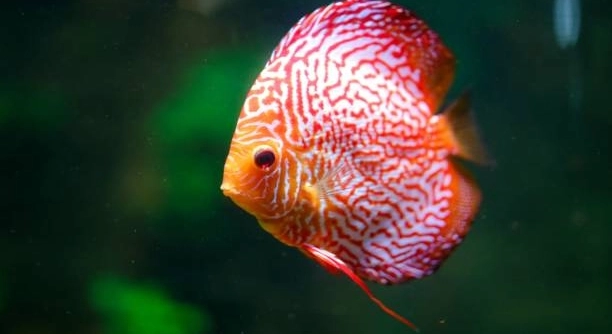
Breeding discus fish can be a rewarding experience for aquarium enthusiasts. However, many people face challenges that hinder their success. These challenges often come from common mistakes made during the breeding process.
Mistakes in breeding discus fish typically involve improper water conditions, incorrect feeding routines, and inadequate tank setups. These errors can cause stress, reduce fertility, and lead to poor survival rates of the fry, ultimately affecting the overall success of breeding efforts.
Avoiding these pitfalls can greatly improve your chances of raising healthy discus fry. The following sections will guide you through the most frequent errors and how to prevent them.
Neglecting Proper Water Conditions
Maintaining ideal water conditions is crucial when breeding discus fish. Many beginners overlook the importance of water quality, which can lead to stress and health problems in the fish. Discus thrive in warm, soft, and slightly acidic water. The temperature should be kept stable around 82-86°F (28-30°C), and pH levels should range between 6.0 and 7.0. Regular water changes are necessary to keep ammonia, nitrite, and nitrate levels low. Without proper filtration and frequent water maintenance, harmful toxins build up quickly, affecting the fish’s immune system and breeding behavior. Testing the water frequently helps detect problems early, preventing issues like fungus, disease, and poor fry development. Paying close attention to water parameters creates a healthy environment, encouraging discus pairs to spawn and protect their eggs. Ignoring this aspect often results in failed breeding attempts and unhealthy offspring.
Stable water quality is essential for discus to breed successfully and for fry to grow strong.
Consistently monitoring and adjusting water parameters will reduce stress on the fish and improve survival rates. Regular water changes and filtration help maintain a balanced environment. Taking these steps ensures the discus feel secure enough to breed and care for their young, increasing your chances of success.
Overfeeding and Poor Nutrition
Overfeeding is a common mistake in discus breeding tanks. Feeding too much can pollute the water and harm the fish’s health. It also makes it harder for discus to spawn because excess waste leads to poor water quality. Fry need specific nutrition to grow strong, and adult discus require a balanced diet to stay healthy and produce viable eggs. Many breeders rely too much on flakes or pellets, which don’t provide all the necessary nutrients. Offering a mix of live, frozen, and high-quality prepared foods supports reproductive health. Careful portion control avoids leftover food and helps maintain water cleanliness. Ensuring proper feeding practices supports the discus’s natural breeding cycle and increases the chance of producing healthy offspring.
Providing balanced nutrition while avoiding overfeeding keeps the breeding tank clean and the discus healthy.
Feeding less but more often can improve water quality and fish health. Proper nutrition encourages discus to spawn regularly and care well for their fry. Avoiding leftover food limits bacteria growth and helps keep the tank stable, improving breeding results.
Inadequate Tank Setup
A proper tank setup is critical for breeding discus successfully. Without the right environment, discus may refuse to spawn or abandon their eggs.
The tank should be spacious enough, at least 20 gallons per pair, with minimal decorations to reduce hiding spots and stress. Use smooth surfaces like flat rocks or breeding cones for egg laying. Stable water temperature and gentle filtration are important to keep water clean without disturbing the fish. Avoid strong currents that can disrupt the breeding behavior. Proper lighting, mimicking natural daylight cycles, supports healthy activity. Consistent tank maintenance, including regular cleaning and water changes, keeps the environment ideal. Neglecting these details can cause the pair to become stressed, resulting in failed breeding or poor fry survival.
Good tank design helps discus feel secure and encourages natural breeding behavior. It also simplifies fry care and monitoring during the early stages.
Ignoring Breeding Behavior Signs
Recognizing breeding behavior in discus is key to successful breeding. If ignored, opportunities to assist or protect the pair can be missed.
Discus pairs display specific behaviors before spawning, such as cleaning surfaces together and increased territorial aggression. They become more protective and pair up closely. Sometimes, they stop eating and stay near their chosen spawning site. Watching for these signs allows you to adjust tank conditions, like reducing disturbances or preparing a separate fry tank. If these behaviors go unnoticed, eggs may be eaten or damaged. Understanding and supporting these natural signals increases the chance that eggs will be fertilized and fry will be cared for properly.
Being attentive to these behaviors allows timely intervention that can protect eggs and improve fry survival.
Providing a calm, undisturbed environment during this period boosts confidence in the parents and helps ensure the breeding effort is successful.
Using Incompatible Pairs
Choosing compatible discus pairs is essential. Incompatible pairs often fight or fail to bond, which disrupts breeding.
Compatibility depends on age, size, and temperament. Pairing fish that are too young or mismatched can lead to aggression or egg neglect. Observing their behavior before breeding helps identify a strong pair.
Poor Fry Care Practices
Proper care for discus fry requires attention to water quality, feeding, and protection from stress. Fry are delicate and need clean, stable conditions to grow.
Maintaining frequent water changes and using specialized fry food promotes healthy development. Avoid overcrowding and keep the tank quiet to reduce stress and increase survival rates.
Not Separating Fry When Necessary
Separating fry from adults when they grow too large is important. Adults may start to see the fry as food or competitors.
Timely separation prevents aggression and improves fry growth by providing a safe space where they can develop without disturbance.
Overlooking Disease Prevention
Disease can quickly spread in breeding tanks. Regular monitoring and maintaining good hygiene helps avoid infections.
Quarantining new fish and treating any signs of illness early protects both parents and fry from health risks.
FAQ
How do I know if my discus pair is ready to breed?
A ready discus pair usually shows signs such as cleaning a flat surface together, increased closeness, and territorial behavior. They may also become more protective and reduce their feeding. Watching for these behaviors can help you identify when they are preparing to spawn.
What water parameters are best for breeding discus?
Ideal water conditions include a temperature of 82-86°F (28-30°C), pH between 6.0 and 7.0, and soft water with low hardness. Frequent water changes and good filtration keep toxins low, which is important for breeding success.
How often should I feed discus during breeding?
Feed small amounts multiple times a day to avoid overfeeding and water pollution. Use a varied diet including live or frozen foods to ensure proper nutrition. Balanced feeding supports the health of both parents and fry.
What should I do if the discus eggs get fungus?
Fungus on eggs can harm the fry. Increase water cleanliness and consider using antifungal treatments safe for fish. Removing infected eggs carefully can help save the rest of the batch.
When should I separate the fry from the parents?
Separate fry once they start swimming freely and become large enough to avoid being eaten. This usually happens around two to three weeks after hatching. Keeping them apart reduces stress and improves survival.
Can I breed discus in a community tank?
Breeding discus in a community tank is not recommended. Other fish may stress the breeding pair or eat the eggs and fry. A dedicated breeding tank offers better control and protection.
How long does it take for discus eggs to hatch?
Discus eggs generally hatch within 48 to 60 hours under proper conditions. Temperature and water quality affect hatching time. Once hatched, fry remain attached to the parents for a few days before swimming freely.
What signs indicate that the fry are healthy?
Healthy fry swim actively, respond to feeding, and grow steadily. Their color starts to develop, and they show normal behavior like following parents or searching for food. Lack of activity or discoloration may indicate health issues.
How can I prevent stress in breeding discus?
Limit disturbances near the tank, maintain stable water parameters, and avoid sudden changes. Provide hiding spots and reduce loud noises. Stress reduction is essential for successful breeding and fry development.
Is it necessary to use special food for fry?
Yes, fry need finely crushed or specially prepared food suited for their small size and nutritional needs. Live foods like baby brine shrimp help provide essential nutrients and promote healthy growth during early stages.
What causes discus pairs to eat their eggs?
Egg-eating can result from stress, poor water quality, or lack of readiness to breed. Sometimes inexperienced pairs eat eggs if they feel threatened or if the eggs are unhealthy. Improving conditions and selecting compatible pairs reduce this behavior.
How important is tank size for breeding discus?
Tank size affects breeding success. A minimum of 20 gallons per pair provides enough space for territory and movement. Crowded tanks increase stress and reduce chances of successful spawning.
What is the best way to clean a breeding tank without disturbing the fish?
Use gentle water changes with a siphon and avoid strong currents. Clean decorations outside the tank and keep maintenance minimal during breeding to avoid stressing the discus.
Can I breed discus year-round?
Discuses can breed year-round if conditions remain stable, including temperature, lighting, and feeding. Seasonal changes often trigger breeding, but maintaining constant conditions can encourage frequent spawning.
How do I handle aggressive behavior between discus pairs?
Mild aggression is normal during breeding but should not cause injury. If fighting becomes severe, separate the fish temporarily. Providing enough space and hiding spots can reduce conflicts.
Are there any signs that breeding discus are not healthy?
Signs include lack of appetite, lethargy, abnormal swimming, or discoloration. Poor water quality often causes health problems. Addressing these issues quickly is essential to protect the breeding pair and fry.
How can I encourage a shy discus pair to breed?
Minimize disturbances and keep the tank environment quiet and stable. Adding gentle lighting and clean flat surfaces can stimulate spawning behavior. Patience is key, as some pairs take longer to bond.
What is the best filtration system for breeding discus?
A gentle filtration system that maintains water quality without strong currents works best. Sponge filters are popular because they provide good filtration and aeration while being gentle on eggs and fry.
How do I care for discus fry after they become free-swimming?
Feed them small amounts frequently with appropriate fry food. Keep the water clean with regular changes and avoid overcrowding. Monitor their growth and health closely to adjust care as needed.
Breeding discus fish requires patience, attention, and a clear understanding of their needs. Many challenges can arise during the process, but avoiding common mistakes helps increase the chances of success. From maintaining proper water conditions to providing the right nutrition and tank setup, each factor plays a crucial role in encouraging discus to breed and raising healthy fry. Being consistent with care and observing the fish closely allows for timely adjustments that improve outcomes. While it may seem complicated at first, following basic guidelines and learning from experience will make the process more manageable.
Successful discus breeding also depends on recognizing and supporting the natural behaviors of the fish. Paying attention to how the pair interacts, where they choose to lay eggs, and their level of activity helps guide your care. Understanding these behaviors ensures that you provide the right environment and avoid actions that might stress the fish. Proper tank maintenance, feeding routines, and minimizing disturbances create a stable habitat that encourages breeding. Taking the time to prepare and maintain these conditions shows respect for the fish’s natural rhythms and increases the likelihood of healthy offspring.
Ultimately, breeding discus is about creating a balanced and supportive environment. This requires a combination of good water quality, proper nutrition, tank design, and patience. Mistakes are common but can be corrected with experience and attention to detail. Each successful spawn is a result of careful care and learning from past challenges. By focusing on these fundamentals, you can enjoy the rewarding experience of raising discus fry and watch them grow into vibrant, healthy fish. The process may demand effort, but the satisfaction of seeing discus thrive makes it worthwhile.

Hello,
If you enjoy the content that we create, please consider saying a "Thank You!" by leaving a tip.
Every little bit helps us continue crafting quality advice that supports the health, happiness, and well-being of pets around the world, for pets of all shapes, sizes, and species.
We really appreciate the kindness and support that you show us!