
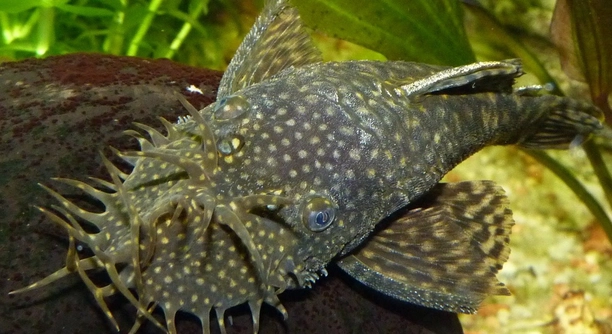
Owning a pleco can be a rewarding experience, but new owners often make mistakes that can affect their fish’s well-being. Understanding common mistakes is essential to ensuring their health and happiness in your tank.
One of the most common mistakes new pleco owners make is neglecting to provide proper tank size and water conditions. Plecos grow large and need ample space to thrive. Inadequate tank size, improper filtration, and poor water quality can lead to stress and health problems.
Avoiding these mistakes will help you create a healthier environment for your pleco. By learning more about these essential care tips, you can make sure your pleco stays happy and well-cared for.
Not Providing Enough Tank Space
Plecos are large fish, and they require a spacious tank to thrive. A common mistake among new owners is underestimating how much space these fish need. Plecos can grow up to 24 inches, depending on the species, which makes a small tank unsuitable. When placed in too small of an environment, plecos can become stressed, leading to health issues like stunted growth and poor immune function.
A 75-gallon tank or larger is recommended for most pleco species, with proper filtration to keep the water clean. It is crucial to maintain the tank’s water parameters, ensuring it stays free of ammonia and nitrates. If a pleco is cramped, it can be more prone to disease and become less active.
Providing enough space and clean water is essential to the long-term health of your pleco. Inadequate tank size can limit their growth and increase the risk of illness. Regular tank maintenance, such as water changes and ensuring a proper filter, will also help keep your pleco happy.
Not Feeding Plecos Properly
New pleco owners sometimes neglect to feed their fish appropriately, often assuming plecos can live off algae alone. Plecos do enjoy algae, but their diet should be more varied to ensure they receive the necessary nutrients. Over-reliance on algae wafers or vegetables might not provide enough protein, which is essential for their growth and health.
To ensure your pleco stays healthy, offer a balanced diet that includes sinking pellets, blanched vegetables, and occasional protein-rich foods like shrimp or worms. They also benefit from eating the algae in the tank, but this should not be their only food source. Plecos are opportunistic feeders and need a variety of foods for proper nutrition.
Providing a varied diet will support your pleco’s health and promote their natural behavior. By offering a balanced range of foods, you can help prevent malnutrition and avoid common issues like poor growth or skin problems.
Ignoring Water Quality
New pleco owners may not realize the importance of maintaining clean water. Poor water quality can cause stress and health problems for plecos. They are sensitive to changes in their environment, especially to toxins like ammonia, nitrites, and nitrates.
A good filtration system and regular water changes are essential for maintaining water quality. Monitoring the water parameters, such as pH, hardness, and temperature, ensures your pleco is in the best possible conditions. Test the water regularly, and keep an eye on the filter to ensure it’s functioning well. Without proper filtration and water maintenance, plecos are at a higher risk of developing diseases.
Keeping the water clean will improve your pleco’s chances of living a long, healthy life. A stable environment supports their immune system and prevents stress-related issues. Regular testing and maintenance help avoid the common problems that arise from poor water quality, like infections and skin lesions.
Overcrowding the Tank
Another mistake pleco owners make is overcrowding the tank. Plecos are often added to tanks with many other fish, but this can lead to a competitive environment. Overcrowding causes stress, which weakens the pleco’s immune system and increases the risk of disease.
Having too many fish in a tank can also lead to poor water quality. More fish mean more waste, which can result in ammonia buildup and deteriorating water conditions. Plecos, being bottom dwellers, require space to forage for food and establish territories. If their space is crowded, they might become territorial or aggressive toward other fish.
To avoid overcrowding, ensure your pleco has enough room to swim and thrive. Research the appropriate tank size for all your fish and plan accordingly. By maintaining a balanced tank, you can reduce stress for all the inhabitants, including your pleco.
Using the Wrong Substrate
Choosing the wrong substrate is another common mistake new pleco owners make. Plecos have sensitive barbels, which they use to feel around for food. Sharp or rough substrates can damage these barbels, causing infections.
A smooth, fine substrate like sand is best for plecos. It allows them to sift through it without injury and helps maintain good water quality. Gravel can also work if it’s not too large, but be cautious. Avoid rough-edged rocks or substrates that could harm your pleco’s delicate barbels.
Using the right substrate promotes better health and ensures your pleco can thrive in their environment.
Improper Tank Decorations
Tank decorations can enhance your pleco’s environment, but improper ones may cause harm. Sharp decorations can cause physical injuries to your pleco, and artificial plants might have edges that tear their skin.
Make sure decorations are smooth, and avoid anything that could scratch or puncture your pleco. Large, hollow decorations that provide hiding places are ideal, as plecos often seek out secluded spots for resting. Driftwood can also be beneficial, as it gives plecos a surface to graze on. Proper decorations promote a healthy, comfortable environment for your pleco.
Overfeeding Plecos
Overfeeding plecos is an easy mistake to make. Plecos are opportunistic feeders and will often eat anything offered, but too much food leads to water quality problems. Uneaten food can quickly break down in the tank, causing ammonia spikes and other harmful toxins.
Feed your pleco small amounts of food that they can finish in a few hours. Remove any uneaten food to keep the tank clean. Offering a variety of foods in controlled portions will also help prevent overfeeding. Too much food can lead to digestive issues or obesity.
FAQ
What is the best tank size for a pleco?
Plecos need plenty of space to swim and thrive. For most species, a 75-gallon tank is the minimum recommended size. Larger plecos may need even more space as they grow. The more room your pleco has, the healthier and less stressed it will be. Make sure your tank is wide enough to allow your pleco to move freely and grow to its full potential. Smaller tanks can lead to stunted growth and increased risk of health problems. Proper tank size is crucial for their well-being.
Can plecos live with other fish?
Yes, plecos can live with other fish, but it’s important to choose tankmates carefully. Plecos are generally peaceful and prefer not to be around overly aggressive fish. Make sure the other fish in the tank are not too aggressive or territorial. Avoid putting plecos with fish that are too small, as they might see them as food. Some species of plecos are also more territorial, so make sure your tank has plenty of hiding spots to reduce stress. Compatibility with other fish is essential for a peaceful tank environment.
How often should I feed my pleco?
Plecos should be fed once or twice a day in small portions. They can be overfed easily, so it’s important to offer just enough food that they can consume within a few hours. Plecos are bottom dwellers, and their feeding habits often involve scavenging, so make sure to provide sinking pellets, algae wafers, or vegetables that sink to the bottom. Overfeeding can lead to poor water quality, which can cause stress and health problems. Regular feeding will keep them healthy and prevent tank contamination from excess food.
What do plecos eat?
Plecos are omnivores, meaning they eat both plant-based and animal-based foods. Their diet should include a variety of foods, such as sinking pellets, algae wafers, and blanched vegetables like zucchini or cucumber. Plecos also enjoy consuming algae in the tank, but this should not be their only food source. Occasional protein-based foods like bloodworms, brine shrimp, or chopped shrimp will help provide essential nutrients. A balanced diet is important for the health of your pleco, ensuring they get the necessary vitamins and minerals to grow strong.
Do plecos need a heater?
Yes, plecos generally require a heater to maintain a stable water temperature. Most species of plecos thrive in water temperatures between 72°F and 82°F (22°C to 28°C). Sudden fluctuations in water temperature can stress your pleco and make it more susceptible to diseases. If you live in a colder climate, make sure to use a reliable aquarium heater to keep the water at the right temperature. Regularly check the water temperature to ensure it stays within the optimal range for your pleco.
How can I tell if my pleco is stressed?
Stressed plecos often show signs such as reduced activity, loss of appetite, or hiding more than usual. A stressed pleco may also scrape its body against tank decorations or glass, which could indicate discomfort. Other signs of stress include faded colors, erratic swimming, or staying near the surface. Stress can be caused by poor water quality, overcrowding, or improper tank conditions. If you notice any of these signs, take immediate action to improve your pleco’s environment, such as testing the water quality, adjusting the tank temperature, or removing aggressive tankmates.
Why is my pleco not eating?
If your pleco is not eating, it could be due to several factors. One common reason is poor water quality, which can cause stress and loss of appetite. Check the water parameters and make sure ammonia, nitrites, and nitrates are within safe levels. Another possible cause could be overfeeding, which may have led to a buildup of uneaten food in the tank, affecting water quality. Additionally, plecos may refuse to eat if they are stressed by tankmates, lack of hiding spots, or sudden changes in their environment.
Do plecos need UV light?
Plecos do not require UV light specifically, but having proper lighting in the tank is important for their overall health. While plecos are nocturnal, they still benefit from regular day-night cycles. Proper lighting helps with algae growth, which is an important food source for some plecos. However, avoid using harsh lighting, as it can stress your pleco and disrupt their natural behavior. Dim lighting during the day can create a comfortable environment for plecos, as they tend to be more active in low light conditions.
How often should I clean the tank?
Tank cleaning should be done regularly to maintain a healthy environment for your pleco. Perform partial water changes every 1-2 weeks, removing about 20-30% of the water each time. Clean the substrate and remove any uneaten food during each water change to prevent ammonia buildup. It’s also important to check the filter and clean it monthly to ensure proper filtration. Tank maintenance helps keep water quality high and minimizes the risk of disease or stress for your pleco.
What kind of filter is best for plecos?
Plecos produce a lot of waste, so having a powerful filtration system is crucial for keeping the tank clean. A canister filter is often the best option for plecos, as it provides strong filtration and can handle larger tanks. Make sure the filter is capable of handling the tank’s volume and is able to remove debris and toxins effectively. Keep in mind that plecos do best with strong water flow, so choose a filter that can provide consistent circulation while still allowing them to feel safe in the tank.
Are plecos sensitive to changes in water conditions?
Yes, plecos are sensitive to changes in water conditions, particularly when it comes to temperature, pH, and water hardness. Sudden shifts in these parameters can stress your pleco and lead to health issues. It’s important to monitor the water conditions regularly and make gradual adjustments if needed. If you need to change the water parameters, do so slowly to give your pleco time to acclimate. Stability is key to keeping your pleco healthy, so avoid making drastic changes that could disrupt their environment.
Final Thoughts
Taking care of a pleco can be an incredibly rewarding experience, but it does come with its challenges. These fish have specific needs that must be met for them to thrive. By providing the proper tank size, maintaining good water quality, and offering the right diet, you can ensure your pleco lives a long and healthy life. It’s important to remember that each pleco is unique, and their care needs can vary depending on their species. Understanding these needs is essential to avoid common mistakes and provide the best care possible.
One of the biggest mistakes new pleco owners make is underestimating the size and space that these fish require. Plecos can grow large, and without enough room, they may become stressed and suffer from health problems. It’s also crucial to pay attention to their diet. Plecos are not just algae eaters; they need a balanced mix of plant matter, protein, and occasionally algae wafers to stay healthy. Overfeeding can also lead to water quality issues, which is why portion control and proper water filtration are so important in maintaining a healthy environment.
Overall, by taking the time to learn about your pleco’s specific needs, you’ll create an environment where it can thrive. It might take some trial and error in the beginning, but once you understand the basics, your pleco will become a wonderful addition to your home. With the right care, your pleco will reward you with its peaceful nature and unique beauty, making it an enjoyable and fulfilling fish to own. Just remember to stay informed and attentive to their needs, and you’ll be able to avoid common mistakes that can affect their health and happiness.

Hello,
If you enjoy the content that we create, please consider saying a "Thank You!" by leaving a tip.
Every little bit helps us continue crafting quality advice that supports the health, happiness, and well-being of pets around the world, for pets of all shapes, sizes, and species.
We really appreciate the kindness and support that you show us!