
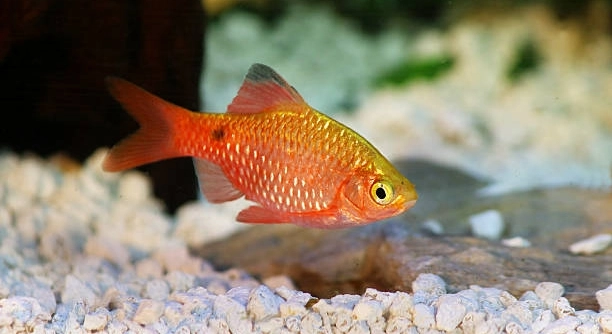
Have you ever added Rosy Barbs to your aquarium, only to feel unsure about how to properly care for them long-term? These colorful, active fish are popular, but they come with specific needs new owners often overlook.
Many new Rosy Barb owners make mistakes such as overcrowding the tank, choosing poor tank mates, or feeding the wrong foods. These errors can lead to stress, illness, or even a shortened lifespan for the fish.
Learning these common mistakes can help you avoid unnecessary problems and give your Rosy Barbs a safe, thriving environment from the start.
Overcrowding the Tank
Rosy Barbs are active swimmers and need plenty of room to move. Many new owners place too many fish in a small tank, thinking their size makes it acceptable. This leads to poor water quality, stress, and aggression. Rosy Barbs do best in a tank that holds at least 30 gallons, especially when kept in groups. They are social fish and should be kept in schools of five or more, but cramming them into a tight space only causes problems. Overcrowding can also reduce oxygen levels and make it harder to maintain stable water conditions. A spacious tank not only helps them stay healthy but also allows their natural behaviors to shine. If you’re unsure how many fish your tank can support, use an aquarium stocking calculator or ask an experienced aquarist for advice.
A spacious setup improves behavior and reduces stress. Always plan your tank size before adding fish.
Providing enough space keeps the fish active, reduces territorial fights, and prevents issues with water quality. Rosy Barbs that have room to swim freely tend to be healthier and more colorful. If your tank is too small, consider upgrading before adding more fish or decorations. It makes a big difference in the long run.
Incompatible Tank Mates
Rosy Barbs are known to nip fins, especially when housed with the wrong species. This can cause injury and stress to slower or long-finned fish like angelfish and bettas.
Choose tank mates that can tolerate active swimmers and match their energy level. Ideal companions include other barbs, danios, and rainbowfish. Avoid placing Rosy Barbs with fish that are timid or have flowing fins, as they may become targets for nipping. While Rosy Barbs are not aggressive by nature, they do have a playful side that some fish misinterpret as threatening. Always observe their behavior after introducing new fish. If aggression becomes an issue, it may help to increase the size of the group or rearrange the tank to reduce territorial behavior. Providing plenty of plants and hiding spaces also allows other fish to retreat when needed. Careful planning and observation go a long way in maintaining a peaceful tank.
Poor Water Conditions
Rosy Barbs are hardy but still need clean, stable water to thrive. New owners sometimes skip regular maintenance, leading to cloudy water, high ammonia, and stressed fish. Consistent water changes and testing help keep conditions safe.
Neglecting water quality can cause more harm than it seems. Ammonia and nitrite spikes often happen in tanks that aren’t cleaned regularly or are overstocked. Uneaten food and waste build up quickly, especially in tanks with poor filtration. Weekly water changes of 25–30% are essential. A good filter helps, but it doesn’t replace manual cleaning. Make sure to check the water temperature and pH regularly. Rosy Barbs prefer slightly acidic to neutral water, around 72–78°F. Stress from poor water leads to illness, dull colors, and even death. A clear, clean tank isn’t just nicer to look at—it’s vital for your fish’s health.
Even small tanks need regular upkeep. Use a test kit to monitor ammonia, nitrite, and nitrate levels. If you notice your Rosy Barbs acting differently—like hiding, gasping at the surface, or losing color—it’s often a sign something’s off with the water. It’s easy to fall behind on maintenance, especially if things look fine on the surface, but those hidden problems add up quickly.
Incorrect Feeding Habits
Feeding Rosy Barbs too much or too little causes digestive issues, weight problems, and poor coloration. Many new owners either feed once a day or drop too much food in all at once.
Rosy Barbs do well on a balanced diet that includes flakes, pellets, and occasional frozen or live foods. Variety is key—they enjoy brine shrimp, bloodworms, and even blanched vegetables like zucchini. Overfeeding leads to bloated fish and fouled water, while underfeeding can cause weakness and stress. Feed them small amounts two to three times a day, only as much as they can eat in under two minutes. Remove any leftover food right away. If your fish seem frantic between feedings, you might be underfeeding. But if food sinks and goes uneaten, cut back. Consistent feeding routines keep their energy up and their health in check. Watching their behavior during meals can also tell you a lot about how they’re doing.
Not Providing Enough Hiding Spaces
Rosy Barbs enjoy open swimming areas, but they also need places to rest and hide. Without cover, they may feel exposed and stressed. Use plants, driftwood, or decorations to create simple hiding spots throughout the tank.
A tank that lacks shelter can make fish skittish or overly aggressive. Adding hiding spaces helps them feel secure.
Inconsistent Lighting and Day/Night Cycles
Rosy Barbs rely on a regular light cycle to stay healthy and active. Sudden changes in lighting or keeping the tank lights on for too long can confuse their natural rhythm. Aim for 8–10 hours of light daily, and keep things consistent. Use a timer if needed to stick to a set schedule. Fish that don’t get proper rest may act more aggressively or become sluggish over time. If lights are too bright, adding floating plants or adjusting the brightness helps reduce stress. Balanced lighting supports their natural behavior and improves color.
Skipping Quarantine for New Fish
Skipping quarantine can introduce diseases and parasites to your tank. Always isolate new fish for at least two weeks before adding them. This small step protects your Rosy Barbs and avoids unnecessary stress or illness.
FAQ
How many Rosy Barbs should be kept together?
Rosy Barbs are social fish and should always be kept in groups. A minimum of five is recommended to prevent boredom, stress, and aggression. Keeping just one or two can lead to nipping and poor behavior. In groups, they interact naturally and show more color and activity. A larger group also helps spread out any aggressive behavior that might happen during feeding or territory disputes. Make sure your tank is large enough to hold a group comfortably. For five Rosy Barbs, a 30-gallon tank is a good starting point, but bigger is always better.
Can Rosy Barbs live with live plants?
Yes, Rosy Barbs can live with live plants, but they may nip at soft leaves. Choose hardy plant species like Java fern, Anubias, or Vallisneria. These plants can handle occasional nibbling and won’t be uprooted easily by active swimmers. Avoid delicate or fine-leaved plants, as Rosy Barbs can damage them quickly. Anchoring plants with stones or planting them in pots can help prevent disruption. Live plants offer shade, improve water quality, and provide natural hiding spaces—all of which benefit your fish. Keep in mind that adding more plants may slightly reduce swimming space, so balance the layout accordingly.
Do Rosy Barbs need a heater?
Rosy Barbs prefer a temperature range of 72–78°F. In most homes, an aquarium heater is needed to maintain stable temperatures, especially in colder months. Sudden drops in temperature can lead to stress and illness. Use a reliable heater with a built-in thermostat, and check the water regularly with a thermometer. Even small fluctuations can affect your fish’s health. If your room is naturally warm and stays within the ideal range, a heater may not be necessary—but it’s still recommended as a backup. Stability matters more than hitting a perfect number on the thermometer.
How can I tell if my Rosy Barb is stressed?
Stressed Rosy Barbs may show dull colors, hide often, or stop eating. They might also dart around the tank or nip at other fish. Poor water quality, overcrowding, or aggressive tank mates are common stress triggers. Watch for clamped fins, heavy breathing, or changes in swimming behavior. A stressed fish may also isolate itself from the group. If you notice any of these signs, test the water, check the temperature, and observe how other fish are behaving. Fixing the problem early can prevent health issues and help the fish bounce back quickly.
What should I feed Rosy Barbs daily?
Feed Rosy Barbs two to three small meals a day. Use high-quality flakes or pellets as a staple, and offer occasional treats like frozen bloodworms, brine shrimp, or blanched vegetables. Give only what they can eat in under two minutes to avoid overfeeding. Uneaten food should be removed to prevent water problems. A varied diet helps with digestion, boosts their immune system, and brings out their color. Skipping variety or overfeeding can lead to bloating and a dirty tank. Try to mix up their food each week to keep things balanced.
Do Rosy Barbs jump out of tanks?
Yes, Rosy Barbs can jump, especially when startled or if water conditions are poor. Keeping a secure lid on your aquarium is important. Even a small opening can lead to a fish jumping out. Sudden loud noises or quick movements near the tank might also trigger jumping behavior. Ensuring stable water conditions, giving them enough space, and reducing stress can help prevent this. If you need to leave the top open for equipment, use a mesh cover or place a barrier to reduce risk. Always check that the lid is in place after cleaning or feeding.
How often should I clean the tank?
Clean the tank once a week with a partial water change of 25–30%. Use a gravel vacuum to remove debris from the bottom, and avoid replacing all the water at once. Over-cleaning can remove beneficial bacteria. Check the filter regularly and rinse it in tank water when needed—never use soap. Test water parameters weekly to catch issues early. Keeping a consistent cleaning routine keeps the fish healthy and reduces the chance of sudden illness. If your tank looks dirty before the week is up, consider feeding less or checking the filter for clogs.
Can Rosy Barbs live with shrimp or snails?
Rosy Barbs may nip at shrimp, especially small ones like cherry shrimp. Larger shrimp or fast-moving species might be able to live with them, but it depends on the individual fish. Snails usually do better as tank mates. Mystery snails and Nerite snails can coexist peacefully with Rosy Barbs. Just make sure your fish are well-fed to avoid nibbling on the snails. Add plenty of hiding places if you decide to try shrimp. Keep an eye on behavior during the first few days. If aggression starts, you may need to separate them.
Final Thoughts
Caring for Rosy Barbs can be simple once you understand their needs. These fish are active, colorful, and full of personality, but they do require the right environment to thrive. Many new owners make small mistakes at first—like choosing the wrong tank mates, skipping water changes, or feeding too much—but these things can be fixed with time and attention. A clean tank, balanced diet, and consistent care routine go a long way in keeping your Rosy Barbs healthy and happy. Taking the time to learn what works best for them helps prevent common issues before they start.
One of the most important things to remember is that Rosy Barbs do better in groups and in tanks that offer both space and structure. Hiding spots, proper lighting, and the right tank companions all contribute to a low-stress environment. Fish that feel safe are more likely to show off their true colors and natural behavior. It’s also important to observe your fish daily. Small changes in how they swim, eat, or interact can be early signs of stress or illness. When caught early, most problems are easy to fix with a few small adjustments to feeding, cleaning, or tank setup.
Owning fish isn’t just about having a nice tank to look at—it’s about creating a space where your fish can thrive. Rosy Barbs are rewarding to keep when their needs are met. With the right care, they can live for several years, growing more active and vibrant over time. Mistakes are part of learning, and even experienced fishkeepers sometimes have to troubleshoot things. What matters most is being consistent and staying curious about how to improve your setup. Whether you’re just starting out or making changes to an existing tank, small efforts can lead to big improvements in your fish’s health and behavior.

Hello,
If you enjoy the content that we create, please consider saying a "Thank You!" by leaving a tip.
Every little bit helps us continue crafting quality advice that supports the health, happiness, and well-being of pets around the world, for pets of all shapes, sizes, and species.
We really appreciate the kindness and support that you show us!