
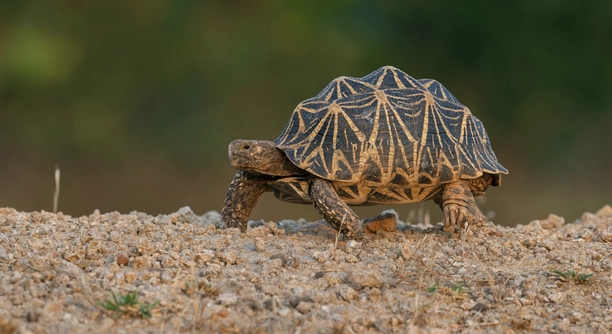
Many new Indian Star Tortoise owners make mistakes when caring for their pets, often leading to health and behavioral issues. Understanding the proper care can make a significant difference in their well-being and longevity.
Indian Star Tortoises require a specific habitat and diet to thrive. Common mistakes include improper lighting, incorrect humidity levels, and an inadequate diet. These errors can result in health problems such as shell deformities, respiratory infections, and nutritional deficiencies.
Avoiding these missteps ensures a healthier, happier tortoise. The right knowledge can guide you through the necessary steps to improve your pet’s care.
Common Mistake: Inadequate Lighting and Heat
Proper lighting and heat are essential for an Indian Star Tortoise’s health. Many new owners fail to provide a balanced setup, often using inadequate bulbs or not placing them in the correct spots. Without the proper UVB light, the tortoise can’t absorb calcium, leading to serious health problems like shell deformities or metabolic bone disease. Furthermore, not providing a proper heat source can cause them to become lethargic, affecting their appetite and activity levels. It’s important to create a temperature gradient in their habitat, offering a warm basking spot and a cooler area to retreat to.
While a UVB light is necessary, it should also be replaced regularly as its intensity decreases over time. The basking area should be heated to around 95°F, with cooler zones ranging from 75°F to 80°F. This helps replicate the natural environment of the tortoise and keeps its metabolism functioning correctly.
Creating a proper habitat setup early on can prevent long-term health issues.
Incorrect Diet Choices
Feeding your Indian Star Tortoise the wrong food is another common mistake. Many owners give their pets fruits or vegetables that are too high in moisture or sugar. While these may seem harmless, they can cause digestive issues and affect overall health. Their diet should focus primarily on high-fiber, low-protein plants like grass, weeds, and leafy greens.
An imbalanced diet often leads to obesity, shell deformities, or digestive problems. It’s important to avoid feeding them items such as iceberg lettuce, tomatoes, or spinach. These foods lack the necessary nutrients and can cause harm over time. Instead, offer a variety of grass and dark leafy greens like dandelion greens or collard greens. Additionally, adding small amounts of calcium supplements to their food is essential for their shell and bone development.
Providing a proper diet will not only keep your tortoise healthy but also ensure it grows properly. Understanding their dietary needs will help you avoid these common mistakes.
Improper Humidity Levels
Humidity plays a crucial role in your tortoise’s health. Many new owners overlook this factor, leading to respiratory issues or shedding problems. Indian Star Tortoises require a humidity level of around 50% to 60%. If it’s too low, they may experience dehydration or difficulty shedding their scutes properly.
Maintaining the right humidity level can be done by misting their enclosure or adding a shallow water dish. Using a hygrometer to monitor the levels regularly will help keep things in check. A humidity level that’s too high can also cause fungal growth or respiratory infections, so balance is key.
Providing a controlled environment with consistent humidity helps your tortoise thrive. It prevents unnecessary stress and health complications.
Lack of Proper Space
Indian Star Tortoises need enough space to roam freely. A small, cramped enclosure can stunt their growth and lead to stress. Without proper space, your tortoise will be unable to engage in natural behaviors such as foraging and exploring. This lack of movement can lead to obesity and muscle weakness.
A proper enclosure should allow them room to move around comfortably, offering a minimum of 4×8 feet for an adult tortoise. Ensure there are hiding spots, varied terrain, and access to natural sunlight. A larger enclosure will reduce stress and promote better health.
Giving your tortoise adequate space will allow them to grow properly and maintain their well-being. Overcrowded spaces not only affect their physical health but also hinder their mental well-being.
Overfeeding or Underfeeding
Feeding your tortoise the wrong amount of food can lead to health problems. Overfeeding can cause obesity and strain their organs, while underfeeding can stunt their growth. It’s important to monitor portion sizes based on their age, size, and activity level.
You should aim for a balanced diet with the right amount of fiber and calcium. Providing food in controlled amounts will ensure they get the right nutrition without the risk of becoming overweight or malnourished. Regularly adjusting their food intake based on their needs will keep them healthy in the long term.
Insufficient Access to Water
Providing fresh water is essential for hydration and digestive health. Without proper access to water, your tortoise may suffer from dehydration, leading to kidney problems or reduced activity levels. Make sure a clean water dish is always available.
The water dish should be shallow enough for the tortoise to drink and soak without submerging completely. Keeping the water fresh and free of contaminants will help prevent health complications.
FAQ
How often should I feed my Indian Star Tortoise?
Feeding your Indian Star Tortoise should be done every other day or 3-4 times per week, depending on its age and size. Younger tortoises require more frequent feedings, while adults need less. Always adjust portions to avoid overfeeding, which can lead to obesity.
Can I handle my Indian Star Tortoise?
Yes, you can handle your tortoise, but it’s important to do so gently and sparingly. Tortoises are not naturally fond of being picked up and may become stressed if handled too much. It’s best to allow them to roam and explore their environment freely.
What kind of substrate should I use in their enclosure?
For Indian Star Tortoises, use substrates like coconut coir, organic soil, or a mixture of both. Avoid using sand or cedar shavings, as they can irritate their respiratory system. The substrate should be easy to clean, moisture-retentive, and comfortable for your tortoise to walk on.
How do I know if my tortoise is sick?
Signs of illness include lethargy, loss of appetite, abnormal breathing, or an irregular shell shape. If your tortoise has soft, swollen, or discolored patches on its shell, it may be a sign of a fungal or bacterial infection. It’s best to consult a vet if any of these signs occur.
Can I keep multiple tortoises together?
It’s possible to keep more than one tortoise in the same enclosure, but it depends on their personalities and space. Male tortoises are often territorial and can become aggressive. Always ensure there is enough room for them to avoid stress or fights. Make sure each tortoise has its own space to retreat to.
How can I help my tortoise shed its skin?
Shedding is a natural process for tortoises. To help with shedding, maintain proper humidity in their enclosure, as dry conditions can hinder the process. You can also gently mist their shell or provide a shallow water dish for soaking, which may assist in loosening the old skin.
What is the ideal temperature for an Indian Star Tortoise?
Maintain a temperature gradient in the enclosure, with a basking area heated to about 95°F and a cooler side at 75°F to 80°F. This allows the tortoise to regulate its body temperature by moving between warmer and cooler areas. Proper heat helps their digestion and activity levels.
Is it safe to let my tortoise roam outside?
Yes, but only in a secure, tortoise-proofed area. Tortoises enjoy being outside as long as the temperature is within the safe range and there are no predators. Ensure the area is free of harmful chemicals and plants. Always supervise your tortoise when outside to avoid escape or injury.
What should I do if my tortoise refuses to eat?
If your tortoise isn’t eating, check the enclosure for issues like incorrect temperature, humidity, or lighting. Stress from handling or a change in their environment can also cause a loss of appetite. If the problem persists for more than a few days, a vet visit may be necessary.
Can I feed my Indian Star Tortoise fruits?
Fruits can be fed occasionally, but they should not be a main part of their diet. They are high in sugar and moisture, which can cause digestive issues. Stick to a diet of mostly grasses, weeds, and leafy greens for a healthy balance. Offer fruits sparingly as a treat.
How long do Indian Star Tortoises live?
Indian Star Tortoises can live up to 50 years or more in captivity if cared for properly. Ensuring they have a suitable habitat, balanced diet, and regular veterinary care can help them live a long, healthy life.
Final Thoughts
Owning an Indian Star Tortoise can be a rewarding experience if proper care is provided. Understanding their needs, such as the right temperature, humidity, and diet, is essential for ensuring their health and happiness. By maintaining a suitable environment, you can prevent many common mistakes that new owners often make. Regularly monitoring their habitat and making adjustments as needed will keep your tortoise thriving for years to come. Tortoises are slow creatures, but they require attentive care and patience from their owners to live a long, healthy life.
Remember, Indian Star Tortoises are not just pets; they are long-term companions. They require a stable, consistent environment and a diet tailored to their specific needs. Overfeeding, underfeeding, or providing an improper habitat can lead to serious health issues. It is important to be aware of their natural behaviors and respect their space. Allowing them to roam and explore their enclosure is vital for their physical and mental well-being. Regular soaking, proper lighting, and routine health check-ups are all part of keeping your tortoise happy and healthy.
Taking the time to learn about these creatures and adjusting your care routine as needed will make your experience as a tortoise owner much more fulfilling. Don’t rush the process; tortoises need time to adapt to their surroundings. Patience and consistency will allow you to enjoy a strong, positive bond with your Indian Star Tortoise.

Hello,
If you enjoy the content that we create, please consider saying a "Thank You!" by leaving a tip.
Every little bit helps us continue crafting quality advice that supports the health, happiness, and well-being of pets around the world, for pets of all shapes, sizes, and species.
We really appreciate the kindness and support that you show us!