
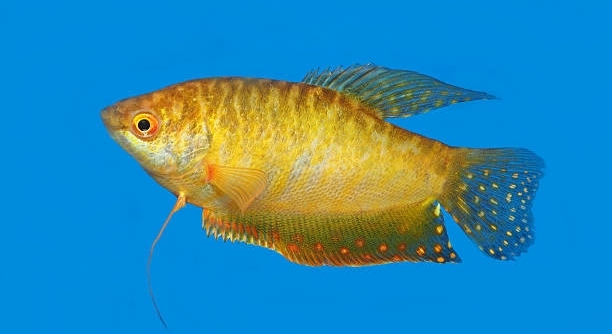
Are your new gouramis not behaving the way you expected, or showing signs of stress or discomfort in your aquarium?
The most common mistakes new gourami owners make include improper tank setup, poor water conditions, overfeeding, and choosing incompatible tank mates. These issues can lead to stress, illness, or even early death for the fish.
Understanding these common errors can help you provide a more stable and healthy environment for your gouramis.
Putting Gouramis in the Wrong Tank Setup
Gouramis need a specific type of environment to feel safe and thrive. Many new owners place them in tanks that are too small, overcrowded, or lack proper filtration. A minimum of 20 gallons is needed for most species, with calm water flow and plenty of hiding spaces. Floating plants can help them feel secure, and gentle lighting reduces stress. These fish also need warm water, ideally between 75–82°F. Without stable conditions, gouramis can become aggressive or sick. Tank size, water quality, and decoration all play a role in their health and behavior.
A poorly designed tank can lead to stress, aggression, or even sudden death in gouramis.
To avoid problems, research your specific gourami species before setting up the tank. Some prefer to be alone, while others enjoy groups. Always cycle the tank before adding fish. Use a reliable heater, sponge filter, and live plants to create a calm, natural space they will feel safe in.
Mixing Gouramis With the Wrong Tank Mates
Gouramis do not get along with every fish, especially if they are territorial or shy.
Some new owners assume gouramis will behave peacefully with any other community fish. This often leads to constant stress, fin nipping, or hidden aggression. Male gouramis can become hostile toward each other, especially in tight spaces. Fast-moving fish or ones that pick at fins should also be avoided. Proper tank mate selection is important. Peaceful bottom dwellers like corydoras or certain tetras can work well. When adding new fish, watch for signs of stress like hiding, not eating, or chasing. Separation may be needed if the behavior doesn’t improve. Pick fish with similar temperaments and space needs to keep your tank peaceful and balanced.
Feeding Them the Wrong Way
Many new owners feed gouramis too often or give them the wrong type of food. This leads to bloating, dirty water, and low energy in the fish.
Gouramis need a varied diet that includes flakes, pellets, and frozen or live foods like brine shrimp or bloodworms. Overfeeding is common, especially with flakes that dissolve quickly and cloud the water. Feed only what they can eat in 2–3 minutes, once or twice a day. Skipping a day occasionally is healthy for their digestion. Uneaten food should be removed right away to avoid ammonia spikes. A clean feeding routine helps your gouramis stay active, colorful, and healthy.
Some owners also forget that different species have slightly different needs. Dwarf gouramis might enjoy more protein-rich snacks, while larger ones might eat slower. Observe how your fish respond to food and adjust as needed. Healthy gouramis should swim to the surface quickly when it’s feeding time.
Ignoring Water Quality and Maintenance
Poor water quality is one of the top reasons new gouramis get sick. Dirty tanks lead to stress, fin rot, and breathing issues.
Gouramis are labyrinth fish, meaning they breathe some air from the surface. But this doesn’t mean they can live in dirty or poorly maintained water. Regular water changes are essential—about 25–30% every week is a good start. Use a test kit to monitor ammonia, nitrite, nitrate, and pH levels. Ammonia and nitrite should always be at zero. Keep the pH between 6.5 and 7.5, depending on the species. A sponge filter is gentle and provides biological filtration without strong currents. Make sure the heater is working well, and clean algae off tank walls regularly. Don’t skip tank care—even a missed water change can impact your gouramis’ health quickly. Clean water supports strong immune systems and better color in your fish.
Skipping a Proper Acclimation Process
Gouramis can go into shock if moved into a new tank too quickly. Temperature and water chemistry changes need to be slow.
Always float the bag in the tank for 15–20 minutes, then add small amounts of tank water every 5 minutes for about 30 minutes.
Misunderstanding Gourami Behavior
Gouramis often display subtle signs of stress or dominance that are easy to miss. Flared fins, chasing, or hiding can be signs of tension. Not all aggression is obvious, and new owners might think their fish are just being playful. Watch their behavior closely, especially after adding new tank mates or changing the setup. Some gouramis may need more space or separation. Females are often less aggressive than males. It’s also normal for gouramis to hang near the surface, but gasping or staying too still may mean something’s wrong. Paying attention to small changes can help you catch problems early.
Using Strong Currents or Bubblers
Gouramis prefer calm water. Strong filters or air stones can stress them and make it hard for them to swim or rest.
What is the ideal tank size for gouramis?
For most gourami species, a minimum tank size of 20 gallons is recommended. This size gives them enough space to swim freely and establish territories. Smaller tanks can cause stress, aggression, and poor water quality, which can harm your fish. Larger species may need even more space, so always check the specific needs of your gourami type.
How often should I feed my gouramis?
Feeding once or twice a day is enough. Only provide what your gouramis can eat in about two to three minutes. Overfeeding leads to poor water quality and health issues. It’s also good to occasionally skip a day to help their digestion. Use a varied diet with flakes, pellets, and live or frozen foods.
Can gouramis live with other fish?
Yes, but tank mates should be peaceful and non-aggressive. Avoid fin-nipping species or overly active fish that may stress gouramis. Corydoras, some tetras, and snails usually make good companions. Male gouramis can be territorial, so avoid keeping multiple males together unless you have a very large tank.
Why is my gourami hiding a lot?
Hiding can be a sign of stress, poor water conditions, or illness. It may also happen if the tank is overcrowded or if the fish feel threatened by tank mates. Make sure the tank has plenty of plants and hiding spots, and keep water quality high. If hiding continues, test water parameters and watch for other signs of sickness.
How do I properly acclimate new gouramis to my tank?
Float the sealed bag in your tank for 15–20 minutes to match the water temperature. Then, slowly add small amounts of your tank water to the bag every 5 minutes for about 30 minutes. This helps the fish adjust to the water chemistry gradually. Finally, gently release the fish into the tank to avoid shock.
What temperature should my gourami tank be?
Most gouramis thrive in water between 75°F and 82°F (24°C to 28°C). Keeping the temperature stable is important because sudden changes can stress them. Use a reliable heater and a thermometer to monitor the water regularly.
Why is my gourami gasping at the surface?
Gouramis have a labyrinth organ allowing them to breathe air from the surface. However, frequent gasping can mean low oxygen levels or poor water quality. Test ammonia, nitrite, nitrate, and oxygen levels. Improve aeration and perform regular water changes if needed.
What type of filter is best for gouramis?
A sponge filter or a gentle hang-on-back filter works best. Gouramis prefer calm water, so avoid strong currents. Filters should provide good biological filtration to keep ammonia and nitrite levels at zero. Regular maintenance of the filter media is necessary to keep it efficient.
How do I know if my gourami is healthy?
Healthy gouramis are active, swim smoothly, and have bright colors. They eagerly come to feed and don’t hide excessively. Their fins are intact, and they don’t scratch against objects. If you notice lethargy, faded color, clamped fins, or rapid breathing, these could be signs of illness or stress.
What common diseases affect gouramis?
Gouramis can suffer from fin rot, ich (white spots), and bacterial infections if water quality is poor or they are stressed. Symptoms include torn fins, white spots, lethargy, and loss of appetite. Early detection and treatment with appropriate medications, along with improved tank care, are essential for recovery.
Is it necessary to have live plants in a gourami tank?
While not mandatory, live plants greatly benefit gouramis by providing hiding spots, improving water quality, and reducing stress. Floating plants are especially appreciated by gouramis as they mimic their natural habitat. Plants also help keep nitrate levels down by absorbing excess nutrients.
Can I keep male and female gouramis together?
Yes, males and females can live together, but monitor for any aggressive behavior, especially during breeding times. Males may become territorial and chase females. Providing plenty of space and hiding spots helps reduce conflicts. In smaller tanks, consider keeping only one male.
How often should I perform water changes?
Weekly water changes of 25-30% are ideal to maintain good water quality. This helps remove waste, toxins, and excess nutrients that can harm gouramis. Always use dechlorinated water at the same temperature as the tank to avoid shock. Regular maintenance prevents common health issues.
What should I do if my gourami looks bloated?
Bloating often results from overfeeding or constipation. Reduce feeding amounts and avoid dry flakes for a few days. Offering live or frozen foods like daphnia can help with digestion. Maintain good water quality and consider feeding peas (shelled and softened) to relieve constipation. If bloating persists, consult a fish care expert.
Are gouramis easy to care for?
Gouramis are generally hardy fish but require proper care and attention. Meeting their tank size, water, and diet needs is essential. They are not beginner fish for those unwilling to learn basic aquarium maintenance. With the right setup and care, gouramis can live long, healthy lives.
Taking care of gouramis can be a rewarding experience when done right. These fish have unique needs that are different from many other aquarium species. Paying attention to their tank size, water quality, and diet is important for their well-being. Many problems new owners face happen because they overlook small but essential details, such as proper acclimation or choosing the right tank mates. By avoiding common mistakes, you can create a peaceful and healthy home for your gouramis. This will help them stay active, colorful, and live longer.
It is also important to understand gourami behavior and preferences. They are calm fish that like gentle water flow and plenty of hiding spots. Stress can quickly affect their health, so keeping their environment stable is key. Regular maintenance, like water changes and filter cleaning, should not be skipped. Feeding them the right amount and variety of food keeps them strong and prevents water pollution. Taking time to observe their behavior daily allows you to catch any early signs of illness or discomfort.
Owning gouramis requires patience and a willingness to learn. They are not “set it and forget it” pets. Instead, they respond well to owners who provide proper care and notice changes in their environment or behavior. Making small adjustments when needed can greatly improve their quality of life. With consistent care and attention, gouramis become lively and beautiful additions to your aquarium. Being prepared and informed helps reduce mistakes and gives your fish the best chance for a healthy life.

Hello,
If you enjoy the content that we create, please consider saying a "Thank You!" by leaving a tip.
Every little bit helps us continue crafting quality advice that supports the health, happiness, and well-being of pets around the world, for pets of all shapes, sizes, and species.
We really appreciate the kindness and support that you show us!