
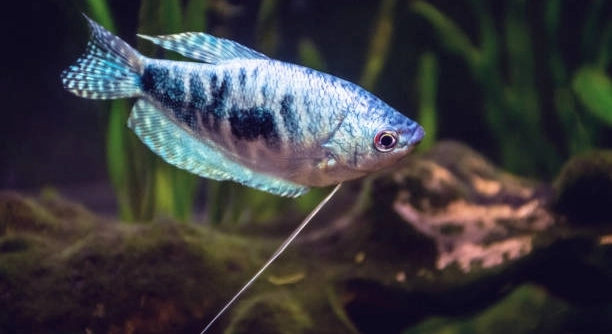
New giant gourami owners often feel excited when bringing their fish home. These beautiful creatures are fascinating, but many beginners overlook important care details that affect their health and well-being from the start.
The most frequent mistakes include improper tank size, inadequate water filtration, overfeeding, and neglecting water quality checks. These issues can lead to stress, stunted growth, and increased susceptibility to diseases, emphasizing the need for proper preparation and ongoing maintenance.
Knowing these common pitfalls can save your fish from unnecessary stress. With careful attention, you can create a healthier and more comfortable environment for your giant gourami.
Choosing the Wrong Tank Size
Many new giant gourami owners underestimate how big these fish can grow. A full-grown giant gourami can reach over a foot in length, and small tanks restrict their movement, leading to stress and health issues. Beginners often pick tanks that look suitable at first, but they quickly become cramped as the fish grows. Crowded conditions can also lead to poor water quality, as waste accumulates faster than the filtration system can handle. Investing in a larger tank from the start prevents these problems. A spacious tank allows your gourami to swim freely, explore, and develop properly. It also makes maintenance easier because water conditions remain more stable. Choosing the right tank size is not just about space but ensuring your fish can thrive over several years. Proper planning now saves you from frequent tank upgrades and health setbacks later.
A tank of at least 75 gallons is recommended for a single adult giant gourami, with larger setups preferable for multiple fish.
Monitoring your tank size early helps prevent stress and supports healthy growth. A proper environment is key to long-term care.
Overfeeding and Improper Diet
Overfeeding is a common mistake that seems harmless at first. Many owners want their fish to appear well-fed, but excessive food leads to obesity and digestive issues. Giant gouramis eat a variety of foods, including pellets, vegetables, and occasional live feed, but portions should be controlled. Feeding twice daily in small amounts is sufficient, allowing the fish to consume food within a few minutes. Uneaten food can foul the water, further stressing the fish and increasing the risk of disease. Beginners sometimes assume more food equals better care, but quality and balance matter more than quantity.
Maintaining a balanced diet ensures your gourami stays healthy and vibrant. Overfeeding can create serious long-term problems if ignored.
Giant gouramis require a diet rich in proteins and plant matter for proper growth. Pellets designed for omnivorous fish provide essential nutrients, while leafy greens and vegetables like spinach or peas supplement their diet. Occasional live food such as worms can be offered, but it should not dominate meals. Rotating food types encourages natural foraging behavior and prevents nutrient deficiencies. Monitoring the fish’s body condition helps determine appropriate feeding levels. Overweight fish are more prone to diseases and slower growth. Feeding small portions several times a day is safer than large amounts at once. Removing uneaten food promptly reduces waste buildup and maintains water quality. A consistent feeding routine combined with a varied diet supports your gourami’s health and reduces the risk of digestive issues. Observing your fish’s behavior and appetite provides insight into dietary adjustments needed over time.
Neglecting Water Quality
Regular water changes are essential for giant gouramis. Dirty water causes stress and makes fish more vulnerable to disease. Many beginners underestimate the impact of poor water quality on overall health.
Testing water parameters like pH, ammonia, nitrite, and nitrate helps maintain a stable environment. Giant gouramis prefer slightly acidic to neutral pH levels, and fluctuations can cause stress. Weekly partial water changes of 20-30% keep the water clean and reduce toxin buildup. Filtration systems must be matched to the tank size to handle waste effectively. Skipping these steps can lead to cloudy water, algae growth, and poor oxygen levels, all of which affect your fish’s health and behavior. Maintaining consistent water quality is one of the most important aspects of caring for a giant gourami.
Ignoring water quality may seem minor but can trigger severe health problems. Regular monitoring and maintenance prevent stress-related issues and support long-term growth and vitality.
Inadequate Tank Decoration and Hiding Spots
Giant gouramis need some structure in their tank to feel secure. Open, empty tanks can make them anxious and reduce activity levels.
Providing driftwood, plants, and hiding spots helps the fish feel safe and encourages natural behavior. Decorations also break strong water currents and create resting areas. Artificial or live plants can be used, but they should not overcrowd the tank. Arranging rocks or ornaments in a way that allows swimming space is essential. Hiding spots also protect smaller fish if keeping a community setup. Neglecting this aspect can result in timid, stressed fish that may refuse food or develop aggression. Simple additions make the tank more visually appealing and promote healthier behavior.
Structured environments support mental and physical health. Thoughtful decoration improves swimming patterns, reduces stress, and encourages exploration while maintaining water flow and accessibility.
Ignoring Temperature Needs
Giant gouramis thrive in stable water temperatures between 75°F and 82°F. Sudden changes can cause stress, weaken their immune system, and make them prone to illness. Beginners often overlook monitoring the heater or room conditions.
Using a reliable aquarium heater and thermometer helps maintain consistent temperatures. Avoid placing the tank near windows or vents where drafts or direct sunlight can create fluctuations. Even small shifts in temperature can disrupt feeding habits and activity levels. Monitoring daily ensures the fish remains comfortable and healthy, supporting growth and reducing stress-related behaviors.
Overcrowding the Tank
Keeping too many fish in a tank leads to stress, aggression, and poor water quality. Giant gouramis require ample swimming space and minimal competition.
Overcrowding increases the risk of disease transmission and reduces oxygen levels. Each adult gourami should have at least 75 gallons, with larger setups needed for multiple fish. Proper spacing allows them to establish territories and reduces conflicts, promoting healthier and calmer behavior.
Skipping Regular Health Checks
Regular observation is crucial. Check for changes in behavior, appetite, or appearance, as these are early signs of illness.
Neglecting health checks can allow small problems to escalate, making treatment more difficult and potentially fatal for your giant gourami.
FAQ
How often should I feed my giant gourami?
Giant gouramis should be fed small portions two times a day. Overfeeding can lead to obesity, poor water quality, and digestive problems. Offer only what your fish can eat in about three to five minutes, and remove uneaten food to prevent water contamination. A mix of pellets, vegetables, and occasional live food ensures a balanced diet. Rotate food types to provide variety and maintain optimal nutrition. Monitoring your fish’s body condition helps you adjust feeding amounts as they grow, keeping them healthy and active.
What size tank is suitable for a giant gourami?
A single adult giant gourami needs at least a 75-gallon tank, with larger setups preferred for multiple fish. They grow over a foot long, so a spacious tank allows free swimming and prevents stress. Overcrowding can lead to aggression, stunted growth, and poor water quality. Choosing an adequately sized tank from the start reduces the need for frequent upgrades. Proper filtration is also necessary to handle waste effectively, keeping water clean and supporting long-term health.
How often should I change the water?
Weekly partial water changes of 20-30% are recommended. This helps remove toxins, maintain water clarity, and stabilize water parameters. Regular testing of ammonia, nitrite, nitrate, and pH ensures optimal conditions. Filtration alone is not enough to keep the water clean for giant gouramis. Monitoring water quality closely prevents stress and illness, supporting healthy growth. Sudden changes in water conditions should be avoided, and dechlorinated water should always be used during replacements to protect your fish.
Can giant gouramis live with other fish?
Yes, but careful selection is important. Giant gouramis can be territorial, especially as they mature. Choose tank mates of similar size and temperament to reduce conflicts. Avoid very small or aggressive fish. Adding decorations and hiding spots helps reduce stress and establishes territories. Monitor interactions closely during the first few weeks. Overcrowding or poorly matched species can cause injuries, stress, or death. Proper tank planning and observing behavior ensure a harmonious environment for all fish.
What are common signs of illness in giant gouramis?
Watch for changes in appetite, lethargy, unusual swimming patterns, or visible spots and sores. Rapid gill movement or gasping at the surface may indicate poor water quality or infection. Early detection allows for quicker intervention and treatment. Stress, poor diet, and overcrowding increase the risk of disease. Regular observation and preventive measures, such as maintaining clean water and balanced nutrition, reduce health problems. Keeping a quarantine tank for new or sick fish can prevent outbreaks in the main tank.
How do I maintain water temperature?
A stable temperature between 75°F and 82°F is ideal. Use a reliable aquarium heater and thermometer to monitor conditions. Avoid placing the tank near windows or air vents, which can cause fluctuations. Sudden changes can stress the fish and weaken their immune system. Maintaining a consistent environment supports proper feeding, activity levels, and overall health. Regular checks and minor adjustments keep the water temperature steady and safe for your giant gourami.
What decorations are suitable for their tank?
Provide driftwood, plants, and hiding spots without overcrowding the tank. These additions reduce stress, encourage exploration, and mimic a natural environment. Rocks and ornaments can be used to break strong water currents, providing resting areas. Avoid sharp edges that could injure the fish. Structured tanks also protect smaller tank mates and promote healthy behavior. Decorating thoughtfully ensures your gourami feels secure while leaving enough space for swimming freely and maintaining proper water flow.
How long do giant gouramis live?
With proper care, giant gouramis can live 15 to 20 years. Their lifespan depends on tank size, water quality, diet, and regular health monitoring. Avoiding common mistakes, such as overfeeding, overcrowding, and neglecting water changes, significantly increases longevity. Regular observation, preventive care, and a well-maintained environment contribute to a long and healthy life for your fish. Proper planning from the start ensures they remain vibrant and active for many years.
Can I breed giant gouramis at home?
Yes, but it requires preparation. Separate a pair in a spacious tank with shallow areas for bubble nests. Monitor water conditions closely, and provide a high-protein diet for breeding readiness. Males build nests and guard eggs, so avoid disturbances. Fry need careful feeding and protection from adults. Breeding is possible but demands experience, patience, and consistent care to ensure survival and healthy growth of offspring.
Is lighting important for giant gouramis?
Yes, moderate lighting supports plant growth and natural fish behavior. Avoid excessive bright lights that can stress them. A regular day-night cycle of 10-12 hours mimics natural conditions. Proper lighting encourages activity and feeding while maintaining a healthy tank ecosystem. Consistent lighting routines also reduce algae growth and promote a stable environment. Monitoring your tank and adjusting lighting as needed ensures a comfortable habitat for your giant gourami.
Caring for a giant gourami requires more attention than many new owners expect. These fish are large, active, and long-lived, so their environment must meet their needs consistently. Tank size, water quality, diet, and decorations all play a role in their overall health. Small mistakes, like overfeeding or overcrowding, can quickly become serious problems that affect growth and longevity. By preparing in advance and maintaining routines, owners can avoid most common issues and provide a comfortable home for their fish. Observing your gourami’s behavior and responding to small changes is just as important as the physical setup.
Providing the right tank conditions is the foundation of good care. A spacious tank allows for proper swimming and reduces stress, while decorations and hiding spots create a secure environment. Regular water testing and partial water changes prevent the buildup of harmful toxins, and stable water temperatures support normal metabolism and immunity. A balanced diet is equally important, as overfeeding or a poor mix of foods can lead to obesity and digestive problems. Keeping track of feeding portions and providing variety ensures your fish grows strong and stays healthy. Even minor adjustments in care can have noticeable effects on the fish’s behavior, appearance, and overall well-being.
Consistency is key when caring for giant gouramis. Daily observation, routine maintenance, and thoughtful tank management make a significant difference in their long-term health. Neglecting small details may seem harmless at first but can lead to chronic stress, illness, or early death. Learning about their specific needs and implementing gradual improvements in care creates a stable and enjoyable environment for both the fish and the owner. Giant gouramis are resilient when given proper attention, but they also require commitment and patience. By taking the time to maintain water quality, provide a suitable diet, and monitor behavior, owners can enjoy the unique presence of these fish for many years. A little effort in daily care prevents bigger problems later and allows your giant gourami to thrive.

Hello,
If you enjoy the content that we create, please consider saying a "Thank You!" by leaving a tip.
Every little bit helps us continue crafting quality advice that supports the health, happiness, and well-being of pets around the world, for pets of all shapes, sizes, and species.
We really appreciate the kindness and support that you show us!