
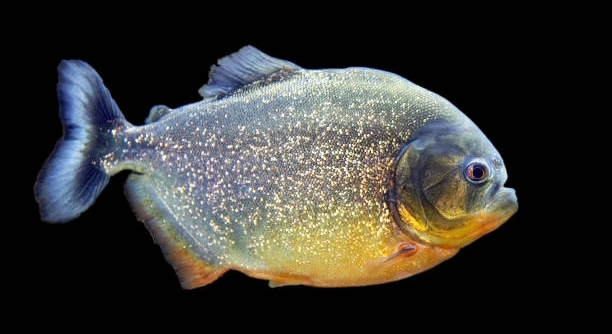
Tank aggression can be a frustrating issue for many hobbyists who keep aquatic tanks. It often develops from small mistakes that can easily be overlooked. Understanding these common missteps is key to maintaining a peaceful environment.
Tank aggression usually arises due to factors like overcrowding, poor tank setup, incorrect species mixing, insufficient hiding spots, and inadequate water conditions. These elements create stress and territorial behavior among fish, leading to increased hostility and conflict.
Knowing what triggers aggression helps improve tank harmony and ensures a healthier home for your aquatic pets.
Overcrowding and Limited Space
When too many fish are placed in a tank that is too small, aggression can quickly arise. Fish need enough room to swim freely and establish their own territory. Overcrowding causes stress, making fish feel threatened or cornered, which leads to fighting. Each species also has different space requirements. Some fish are naturally more territorial and need more room to avoid conflicts. Ignoring these needs often results in constant chasing and biting. Tank decorations and plants can help create boundaries, but they cannot replace adequate space. Giving your fish enough room to spread out reduces competition and promotes calmer behavior.
Overcrowding is one of the most common reasons for aggression. More space usually means less stress and fewer fights.
Providing the right tank size for your fish is essential. For example, a single aggressive species may need a larger tank to establish clear territories. Community tanks with many species also require careful planning to avoid overcrowding. Use tank size recommendations and consider the adult size of your fish. Adding hiding spots and plants can help, but never substitute them for proper space. If your tank feels crowded, removing some fish or upgrading to a bigger tank can make a big difference in reducing aggressive behavior.
Mixing Incompatible Species
Not all fish get along well together. Some species are naturally aggressive, while others are more peaceful. Mixing aggressive fish with shy or slow-moving species often leads to bullying and stress. Even fish that look similar may have different temperaments or environmental needs. For example, some fish defend their territory strongly and will chase away others that swim too close. Others may nip at fins or compete aggressively for food. Understanding the social behavior of each species before adding them to your tank is very important.
Combining fish with similar temperaments and needs reduces aggression.
Researching each fish’s behavior, size, and habitat is essential when planning your tank. Avoid placing aggressive fish with peaceful species that can’t defend themselves. Also, consider their swimming levels—top, middle, or bottom dwellers—to minimize competition. Some species prefer solitude and don’t tolerate tank mates well. Introducing fish slowly and watching their interactions helps identify problems early. If aggression starts, separating the fish or changing tank setup might be necessary. Careful selection creates a more balanced and peaceful aquarium.
Insufficient Hiding Places
Fish need places to retreat when they feel threatened. Without enough hiding spots, stress rises and aggressive behavior becomes more frequent. Simple decorations or plants can provide safe zones that reduce conflicts.
Creating hiding spots helps fish avoid constant confrontation. Rocks, caves, and dense plants work well to break line of sight between territorial fish. This reduces territorial disputes and gives shy fish a chance to relax. When fish have their own space, aggression lowers because they don’t feel trapped or challenged. It’s important to arrange these spots thoughtfully, so the tank feels balanced and natural. Avoid overcrowding hiding places, as this can cause territorial fights over the limited safe spaces. Adding variety in size and type of hiding areas supports all species in your tank and encourages peaceful coexistence.
Besides decorations, live plants are great for hiding places and improve water quality. They create natural boundaries that calm fish and help reduce aggressive behavior overall.
Poor Water Quality
Dirty or poorly maintained water stresses fish and increases aggression. High levels of ammonia, nitrites, or nitrates make fish uncomfortable and more likely to fight. Regular water changes and proper filtration are critical.
Fish living in bad water conditions have weakened immune systems, making them vulnerable to stress and aggression. Poor water quality affects breathing and overall health, increasing irritability among tank mates. Maintaining stable temperature and pH also plays a role in preventing aggression. Sudden changes or fluctuations can upset fish and trigger fights. Testing water weekly and cleaning the tank regularly help maintain a healthy environment. If water quality is ignored, even peaceful species can become hostile due to stress. Clear, clean water supports calm behavior and reduces the chance of aggression in your aquarium.
Inadequate Feeding
Underfeeding or overfeeding can cause stress and aggression in fish. Both affect their health and behavior negatively.
When fish don’t get enough food, they become competitive and aggressive during feeding times. Overfeeding leads to poor water quality, which also raises stress and hostility among tank mates.
Lack of Proper Tank Maintenance
Neglecting regular tank cleaning causes waste buildup and harmful chemical levels. This environment makes fish uneasy and more likely to fight. Proper care means weekly water changes, gravel vacuuming, and filter checks to keep the tank safe and calm for all its inhabitants.
Dominance Hierarchies
Fish often establish social ranks in a tank. Some naturally dominate others, causing stress and aggression. Understanding this behavior helps manage tank dynamics and reduce conflicts.
What causes fish to become aggressive in a tank?
Fish aggression often stems from stress caused by overcrowding, poor water quality, or incompatible tank mates. When fish feel threatened or stressed, they defend their territory more aggressively. Lack of hiding spots and improper feeding can also lead to increased hostility. These factors disturb the natural balance, making fish more prone to fights.
How can I tell if my fish are aggressive?
Aggressive fish usually chase others, nip at fins, or cause visible injuries. You may notice constant chasing or hiding behavior from the victims. Some fish flare their fins or display bright colors as a warning. Watching fish behavior closely can help you spot aggression early and take steps to prevent harm.
Is tank size important to reduce aggression?
Yes, tank size is very important. A larger tank gives fish more space to establish their own territories and reduces stress. Crowded tanks limit movement and increase competition for resources, leading to more fights. Always choose a tank size that fits the number and species of fish you keep.
What role do hiding places play in preventing fights?
Hiding places offer fish safe spaces to escape threats or rest. Without enough shelters, fish feel exposed and stressed, increasing aggression. Plants, rocks, and caves help break the tank into territories and reduce direct contact between aggressive and shy fish, lowering the chance of conflict.
Can poor water quality increase aggression?
Absolutely. Poor water quality stresses fish, weakening their immune systems and causing irritability. High levels of ammonia, nitrites, or nitrates can make fish uncomfortable, which may trigger aggressive behavior. Regular water changes and proper filtration keep water clean and fish calm.
How often should I feed my fish to avoid aggression?
Feeding your fish the right amount at consistent times helps prevent aggression. Underfeeding causes competition, while overfeeding worsens water quality. Most fish do well with small meals once or twice a day. Adjust based on species needs and avoid leaving excess food in the tank.
Is mixing species a bad idea for tank harmony?
Mixing species can work if you carefully select compatible fish with similar temperaments and environmental needs. Avoid putting aggressive species with peaceful ones or fish that occupy the same space in the tank. Proper research on species behavior and tank requirements is crucial for reducing aggression.
What should I do if aggression starts in my tank?
If aggression appears, first check your tank size, water quality, and hiding places. You might need to rearrange decorations or add more shelters. Removing aggressive fish or separating them temporarily can help. Monitoring and adjusting feeding routines and tank mates will also improve harmony.
How does dominance affect tank aggression?
Some fish naturally form dominance hierarchies to establish social order. Dominant fish may bully others to maintain control. This behavior is normal but can lead to stress for lower-ranking fish. Providing enough space and hiding spots can help reduce the intensity of dominance conflicts.
Can tank maintenance impact fish behavior?
Yes, regular tank maintenance keeps the environment stable and comfortable. Neglecting water changes, filter cleaning, or gravel vacuuming leads to waste buildup, which stresses fish and raises aggression. Consistent care supports healthy fish and a peaceful tank atmosphere.
Understanding and managing tank aggression is an important part of keeping a healthy aquarium. Many factors can cause fish to become aggressive, but most of these problems can be prevented or fixed with careful attention. Giving your fish enough space, proper food, clean water, and compatible tank mates helps create a peaceful environment. Simple steps like adding hiding spots and keeping up with tank maintenance also make a big difference. When these basics are in place, fish are less stressed and less likely to fight.
Aggression in fish is often a sign that something in their environment is not quite right. Overcrowding, poor water quality, and mixing the wrong species are common issues that lead to stress and conflict. Watching your fish closely and learning about their needs can help you spot problems early. If aggression starts, taking action quickly can prevent injuries or death. Adjusting the tank setup, changing water regularly, and feeding properly usually calm down aggressive behavior. Sometimes, moving certain fish to another tank or separating them temporarily is necessary for the well-being of all the fish.
Keeping an aquarium is rewarding, but it requires some knowledge and effort to maintain a balanced community. Fish aggression can be frustrating, but it also gives useful clues about tank conditions. Paying attention to your fish’s behavior, environment, and care routine will lead to a happier and healthier tank. Small changes often improve the situation a lot. Remember, the goal is to create a safe and comfortable space for all your fish to thrive. With patience and consistent care, aggression can be managed or avoided altogether, making your aquarium a peaceful place to enjoy.

Hello,
If you enjoy the content that we create, please consider saying a "Thank You!" by leaving a tip.
Every little bit helps us continue crafting quality advice that supports the health, happiness, and well-being of pets around the world, for pets of all shapes, sizes, and species.
We really appreciate the kindness and support that you show us!