
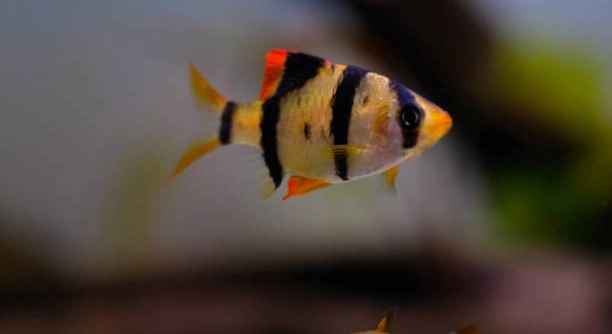
Tiger barbs are popular aquarium fish known for their vibrant colors and active behavior. Many fishkeepers notice their seemingly aggressive actions and wonder if these traits are harmful or typical for the species. Understanding their behavior helps create a better environment for both the fish and the keeper.
Tiger barb aggression is often misunderstood and exaggerated. While they do display some territorial and schooling behaviors, this does not always mean harmful aggression. Their interactions are usually social cues rather than true hostility, making their behavior more complex than commonly believed.
Recognizing the truth behind these misconceptions can improve how you care for tiger barbs and enhance the harmony in your aquarium community.
Misconception 1: Tiger Barbs Are Always Aggressive
Many people think tiger barbs are aggressive all the time, but this is not accurate. Their behavior depends heavily on how they are kept. In groups smaller than six, they tend to nip and chase other fish, which can look aggressive. However, when kept in larger schools, they spread out this behavior and it becomes less harmful. Their chasing is part of natural social interaction rather than a sign of constant fighting. Proper tank setup and choosing compatible tank mates reduce aggression significantly. Keeping them with peaceful but quick fish helps balance their active nature. Also, providing plenty of hiding spots and plants allows all fish to escape if needed. This management lessens the tension and creates a more peaceful aquarium environment overall.
Understanding that their aggression is situational can prevent many common issues for aquarists.
Balancing group size and tank environment is key to reducing aggressive displays in tiger barbs.
Misconception 2: Tiger Barbs Will Harm All Other Fish
Tiger barbs have a reputation for attacking other fish, but this is often an exaggeration. They may nip fins, especially on slow-moving species with long fins like bettas or angelfish, but they do not generally attack fish that are quick and active. The nipping is mostly a sign of establishing social hierarchy or play behavior, not outright violence. Most healthy fish can tolerate this behavior if the tank is large enough and has enough hiding places. Stress and overcrowding make aggression worse, so a properly sized tank with good water quality helps keep tensions low. Introducing tiger barbs into a community tank requires attention to fish compatibility, but many species live well alongside them with minimal problems.
Many fish species coexist well with tiger barbs when tank conditions are optimal and space is sufficient.
Careful selection of tank mates and environment can prevent conflicts and maintain aquarium balance.
Misconception 3: Tiger Barbs Need Aggression to Establish Dominance
Tiger barbs do show dominance behaviors, but constant aggression is not necessary for this. They usually display quick chases or nips to assert their place within the group. These actions help maintain social order without serious harm. Dominance is often established within a short time once a stable group forms.
This species uses brief aggressive gestures to communicate rank and reduce ongoing conflict. When housed in groups of six or more, these behaviors balance out and prevent excessive targeting of a single fish. Aggression is rarely persistent or violent but serves as a social signal. Providing enough space and keeping the school large can reduce stress and avoid prolonged aggression. The fish learn their roles through these short encounters, which benefits the overall group dynamic and keeps peace once established.
A well-sized group with adequate space allows tiger barbs to manage their hierarchy naturally, reducing harmful aggression.
Misconception 4: Aggression Means Tiger Barbs Are Unhealthy
Aggressive behavior does not always indicate poor health in tiger barbs. Sometimes, aggression increases due to stress caused by environmental factors rather than illness. Overcrowding, poor water quality, or lack of hiding places can make them more aggressive. In a healthy tank, aggression is usually brief and controlled.
When water conditions are ideal and the tank is not overcrowded, aggression levels generally decrease. If aggression is excessive and persistent, it could be a sign of stress or illness, but not always. Regular maintenance and proper feeding routines help keep fish calm and healthy. If aggression spikes suddenly, it’s important to check water parameters and tank conditions before assuming health issues. Often, improving the environment is enough to restore balance and reduce aggressive behavior.
Misconception 5: Male Tiger Barbs Are More Aggressive Than Females
Both male and female tiger barbs can show aggression. There is no clear difference in behavior based solely on sex. Aggression depends more on group size and environment than gender.
Aggression in tiger barbs is influenced by social factors rather than sex differences.
Misconception 6: Aggression Is Always Negative for Tank Mates
Some aggression is natural and helps tiger barbs interact socially. It usually does not cause serious harm when managed properly.
This behavior can stimulate activity and maintain social balance in the tank, benefiting the group overall.
Misconception 7: Adding More Tiger Barbs Will Increase Aggression
Adding more tiger barbs generally reduces aggression. Larger schools distribute chasing and nipping more evenly, preventing any single fish from being targeted excessively.
How many tiger barbs should be kept together to reduce aggression?
Keeping tiger barbs in groups of six or more is recommended to reduce aggressive behavior. In smaller groups, they tend to focus their chasing and nipping on one or two fish, which can cause stress or injury. A larger school spreads out this behavior, helping maintain balance within the tank.
What tank size is best for tiger barbs to minimize aggression?
A tank of at least 30 gallons is ideal for a group of six or more tiger barbs. Providing enough swimming space helps reduce territorial disputes and stress. Crowded conditions can increase aggression and harm fish health, so adequate space is essential.
Can tiger barbs live peacefully with other fish species?
Yes, tiger barbs can coexist with certain other fish. Ideal tank mates are quick, active, and able to avoid chasing. Fish with long fins or slow-moving species may be targets for nipping. Choosing compatible species and providing plenty of hiding places helps create a peaceful environment.
Does feeding affect aggression in tiger barbs?
Proper feeding can reduce aggression. Hunger may increase chasing as they compete for food. Feeding small amounts multiple times a day ensures all fish receive enough nutrition and reduces competition during feeding times.
Will aggression increase during breeding?
During breeding, some aggression may temporarily increase as tiger barbs establish territories or compete for mates. However, this usually subsides once spawning is complete. Keeping a larger group can help balance behavior during these periods.
Are there signs that aggression is harming the fish?
Look for torn fins, stressed behavior, or fish hiding excessively. These signs suggest aggression may be too intense and tank conditions need adjustment. Improving space, increasing group size, or separating aggressive fish can help.
What environmental changes help control aggression?
Adding plants, rocks, and decorations creates hiding spots and breaks sight lines, reducing chasing. Stable water conditions and good filtration also decrease stress, which helps lower aggression levels.
Is it normal for tiger barbs to chase each other?
Chasing is a normal social behavior and not always harmful. It helps establish hierarchy and keeps the group dynamic. As long as it does not lead to injuries, this behavior can be seen as part of their natural interaction.
How can I identify the difference between play and harmful aggression?
Playful chasing is quick and does not result in injuries. Harmful aggression involves persistent nipping, fin damage, or one fish constantly being targeted. Monitoring interactions closely helps determine when intervention is necessary.
Can aggression be managed without removing fish?
Yes, adjusting group size, tank setup, and providing proper care can manage aggression effectively. Removing fish should be a last resort after other methods have been tried.
Understanding these common concerns helps create a better environment for tiger barbs and their tank mates, leading to a healthier, more peaceful aquarium.
Tiger barbs often get a bad reputation for being aggressive, but much of this comes from misunderstandings about their behavior. They are naturally active and social fish that use chasing and nipping to communicate and maintain their group order. These actions are not always signs of true aggression or danger. When kept in the right conditions, tiger barbs can live peacefully with each other and with other compatible fish. Knowing how to care for them properly can prevent many common problems related to their behavior.
The key to managing tiger barb aggression lies in their environment. Keeping them in groups of six or more helps spread out any chasing or nipping, which reduces stress on individual fish. Providing enough space, hiding spots, and good water quality also helps keep them calm. Choosing tank mates carefully is important, as slower or long-finned fish can become targets. Paying attention to their behavior and tank conditions allows for early intervention if aggression becomes a problem. Often, simple changes to the setup or group size are enough to restore balance.
Understanding the true nature of tiger barb aggression can improve how they are cared for and appreciated. Rather than seeing them as constantly hostile, it helps to recognize their social signals and needs. With the right knowledge and care, tiger barbs can be a lively and enjoyable part of any aquarium. Their behavior, while sometimes misunderstood, fits well within a well-managed tank environment where both the fish and keeper benefit from a peaceful balance.

Hello,
If you enjoy the content that we create, please consider saying a "Thank You!" by leaving a tip.
Every little bit helps us continue crafting quality advice that supports the health, happiness, and well-being of pets around the world, for pets of all shapes, sizes, and species.
We really appreciate the kindness and support that you show us!