
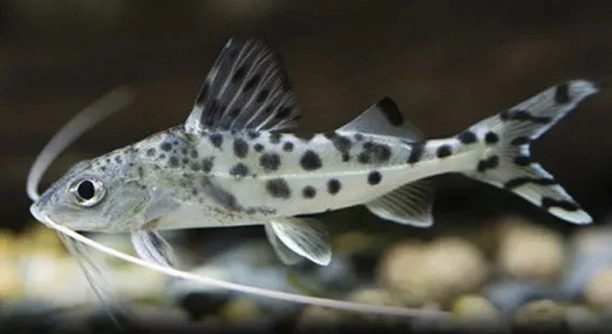
Do you ever find yourself unsure about how much space a pictus catfish really needs in your aquarium setup?
Many people assume pictus catfish can thrive in small tanks, but this is incorrect. Pictus catfish are active swimmers that require spacious environments to support their natural behavior, health, and overall well-being.
Understanding these common misconceptions can help you avoid mistakes and create a more suitable habitat for your pictus catfish.
Misconception 1: Pictus Catfish Can Live in a 10-Gallon Tank
Many believe that a 10-gallon tank is enough for a pictus catfish, but this size is far too small. These fish are active, fast swimmers that need open space to move around. A cramped tank can lead to stress, aggression, and health problems. They also produce a lot of waste for their size, making water quality harder to manage in small tanks. Pictus catfish can grow up to five inches long, and they like to be in groups. A proper setup should allow for both swimming space and hiding spots. With a 10-gallon tank, there’s simply not enough room for all of this. The lack of space makes it harder to mimic their natural environment. Over time, this can affect their behavior, leading to a less active and more anxious fish. Even though they may survive for a while in small tanks, they won’t be thriving.
Keeping a pictus catfish in a 10-gallon tank limits its space, leads to water quality issues, and affects its long-term health.
Instead of a 10-gallon tank, start with a 55-gallon if you plan to keep a group. This size offers better filtration capacity and enough room for movement. It also helps maintain more stable water conditions, which reduces stress for the fish.
Misconception 2: One Pictus Catfish Is Fine on Its Own
Pictus catfish are naturally social fish and prefer to live in groups. When kept alone, they often show signs of stress like hiding constantly or becoming less active.
They’re schooling fish in the wild, so keeping them in groups of three or more is best. A single pictus catfish may survive alone, but it likely won’t be as healthy or active as those kept in groups. Fish kept in groups show better colors, more activity, and are generally more at ease in their environment. Social interaction also helps reduce stress and creates a more natural tank dynamic. However, because of their fast swimming and active nature, a group needs more space. That’s why a tank of 75 gallons or larger is usually recommended if you want to keep a group. Adding more fish to a tank that’s too small can backfire, so it’s important to pair the group size with the right tank size.
Misconception 3: Tank Size Doesn’t Affect Behavior
When pictus catfish are kept in tanks that are too small, they tend to hide more, become less active, and sometimes even stop eating. These changes are often signs of stress caused by limited space.
A small tank restricts natural swimming patterns and forces the fish into unnatural behaviors. Pictus catfish are very active and love to dart around quickly, especially during feeding time. Without enough space to do this, they may become frustrated or anxious. Over time, this can weaken their immune system and lead to illness. Aggression can also appear, especially in confined tanks where there’s no room to avoid other fish. Tankmates may suffer too, since stress can spread throughout the community. Their true personalities really start to show only when they have the space to feel secure. Proper space gives them the comfort they need to act naturally and stay healthy.
Behavioral problems often go unnoticed until they affect other fish or lead to illness. Owners might think the fish is just shy, when it’s really stressed from lack of space. These signs should be taken seriously. If a normally active fish becomes still or hides for long periods, the tank size may be part of the problem.
Misconception 4: Juveniles Don’t Need Large Tanks
Young pictus catfish are small, but they grow fast. A tank that seems fine at first becomes too small before you know it. Moving them later also causes unnecessary stress.
Juvenile pictus catfish are often sold at just two inches long, but they can double in size quickly. Starting them in a small tank may seem fine, but their needs will change in just a few months. Planning for their adult size from the beginning saves you trouble later. Fish that grow up in cramped tanks often show stunted growth and long-term health issues. Constantly upgrading tanks is stressful for both you and the fish. It’s better to choose a larger tank early on, even if they look small in it. This gives them space to grow, explore, and stay active without repeated disruptions. A stable home from the start supports healthy development and avoids future problems.
Misconception 5: Pictus Catfish Only Use the Bottom of the Tank
Pictus catfish are bottom dwellers, but they also swim mid-levels when active or feeding. A short, shallow tank limits their ability to move freely. Vertical space matters more than most people realize with this species.
They explore all levels of the tank when comfortable. A deeper tank supports their active swimming style.
Misconception 6: Decorations Can Replace Tank Size
Hiding spots like caves and plants help pictus catfish feel secure, but they don’t make up for a lack of space. Some people overcrowd tanks with decorations, thinking it makes up for the small size. This can backfire. Too many decorations take away swimming space and trap debris. A good tank setup balances open space with just enough cover. The fish still need room to move quickly, especially at night when they’re more active. Over-decorating a small tank can also make cleaning harder and lead to poor water quality. Always prioritize proper tank size first, then add decor in moderation.
Misconception 7: A Single Filter Works for Any Tank Size
Even strong filters can struggle if the tank is too small or overstocked. Pictus catfish produce a lot of waste, and small tanks can’t handle it well, even with frequent cleaning.
FAQ
What is the minimum tank size for one pictus catfish?
The minimum tank size for a single pictus catfish is 55 gallons. This gives it enough space to swim freely and explore without feeling cramped. While they’re small as juveniles, they grow fast and need space to support their activity level. A smaller tank may work for a very short time but won’t meet their long-term needs.
Can I keep multiple pictus catfish together?
Yes, they are social fish and prefer being in small groups. Ideally, you should keep at least three together, which means upgrading the tank size to 75 gallons or more. This gives them enough room to swim without bumping into each other or becoming territorial. Keeping them alone can lead to stress and hiding behavior.
Do pictus catfish outgrow their tank quickly?
They do. Many people buy small tanks because the fish look tiny at first, but pictus catfish grow to around five inches. If the tank is too small, they may become stunted, meaning their growth slows unnaturally. A cramped environment can also make them sick. Planning ahead helps avoid these problems.
Is tank length or height more important for pictus catfish?
Tank length is more important than height for pictus catfish. They are fast swimmers that dart from one end of the tank to the other. A longer tank gives them more horizontal space to move around. Tall tanks may look nice but don’t support their natural movement patterns as well.
Can I keep a pictus catfish in a community tank?
Yes, but only if the tank is large enough and the other fish are compatible. Avoid slow swimmers and long-finned fish, as pictus catfish can be fast and curious. Also, they are nocturnal, so they may disturb tankmates at night. A spacious tank with good hiding spots helps everyone feel safe.
Do they need a lot of filtration?
Yes. Pictus catfish are messy eaters and produce more waste than many other freshwater fish. A strong filter helps maintain water quality. In large tanks, consider using two filters or a canister filter to handle the load. Poor filtration leads to ammonia spikes, which harm your fish’s health.
Can I add a pictus catfish to an established tank?
You can, but only if the tank is big enough and the other fish are peaceful. Pictus catfish can be shy at first, and overcrowding will make things worse. Make sure your filtration can handle the extra bioload and provide hiding spaces for the new fish to feel safe.
Why is my pictus catfish always hiding?
Hiding can be normal during the day since they are nocturnal, but constant hiding might mean something is wrong. If the tank is too small or they are kept alone, they may become stressed. Loud tankmates or poor water conditions can also cause this behavior.
How fast do pictus catfish grow?
They grow fairly quickly in the first year, especially with proper food and clean water. A small tank can slow their growth or stunt it entirely. A good diet, plenty of swimming space, and stable water help them reach their full size of about five inches.
What decorations are safe for pictus catfish?
Smooth decorations are best. Avoid anything with sharp edges because pictus catfish like to squeeze into tight spots. Caves, driftwood, and rounded rocks work well. Just make sure decorations don’t take up all the swimming space. Balance is important so they have places to hide and still move freely.
Final Thoughts
Tank size plays a much bigger role in a pictus catfish’s health and behavior than many people realize. These fish are active, fast swimmers that need room to move around and explore. When kept in tanks that are too small, they often show signs of stress like hiding, losing interest in food, or becoming inactive. A small tank can also lead to poor water quality, which affects not just the pictus catfish but any other fish in the tank. Even though they may survive for a while in smaller setups, they are unlikely to thrive. Starting with the right tank size from the beginning helps prevent many issues down the line. It also supports natural behavior, better movement, and a healthier environment.
Understanding the full needs of pictus catfish helps prevent common mistakes. Many people assume their size or behavior will match what they see in stores, but these fish grow fast and become more active as they age. A proper setup includes more than just decorations and a filter—it includes open space, group housing if possible, and long-term thinking. Giving them a tank that matches their needs allows them to live more comfortably and show their natural personality. It also reduces stress for the owner, since stable water and healthy behavior mean less time spent correcting problems. A bigger tank may feel like a big step, but it’s often easier to maintain and gives better results in the long run.
Keeping fish isn’t just about what looks nice or what fits on a shelf—it’s about providing the right conditions for the fish to live well. Pictus catfish need space, good filtration, and a setup that supports their active nature. By avoiding common myths and planning ahead, you can create an aquarium that works for both the fish and you. In the end, giving them enough room to move, grow, and interact naturally makes a big difference in their quality of life. It can also make your time as a fish keeper more rewarding. A healthy, active pictus catfish is far more enjoyable to watch and care for than one that’s stressed or sick. A proper tank size is a simple but important step in making that happen.

Hello,
If you enjoy the content that we create, please consider saying a "Thank You!" by leaving a tip.
Every little bit helps us continue crafting quality advice that supports the health, happiness, and well-being of pets around the world, for pets of all shapes, sizes, and species.
We really appreciate the kindness and support that you show us!