
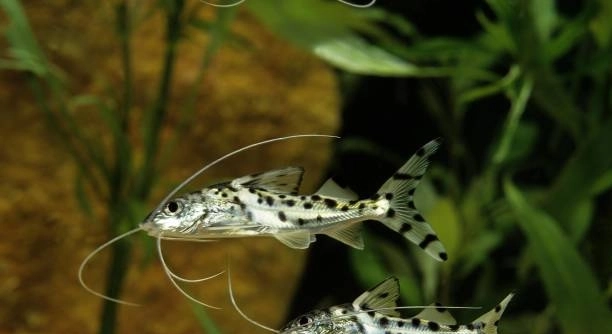
Are your fish looking stressed or acting differently, even though everything seems fine in their tank? Small problems often go unnoticed until they become serious, putting your aquatic pets at risk.
Minor tank issues like fluctuating water temperature, low oxygen levels, or algae buildup can quickly escalate into major health threats for fish. These problems often develop slowly, but when left unaddressed, they can cause long-term damage or even death.
Knowing what to watch for can make all the difference in keeping your tank safe. Here’s what you need to know before things spiral out of control.
Uneaten Food and Waste Buildup
Fish food that sinks and sits at the bottom of the tank doesn’t just go away on its own. When uneaten food starts to break down, it releases harmful substances like ammonia and nitrites into the water. Over time, this can make the environment toxic, stressing your fish and weakening their immune systems. The same goes for excess waste from the fish themselves. Without regular cleaning and water changes, waste piles up and quickly throws off the balance of your tank. Even with filters in place, the system can’t handle constant buildup without some help. If you’re overfeeding your fish or not removing leftovers, the problem can grow before you realize it. You may also notice cloudy water or odd smells, both signs that something isn’t right. Sticking to feeding schedules and doing small weekly cleanings can go a long way in keeping the tank safe and healthy.
Cleaning a little at a time is better than waiting too long. Regular care helps avoid big problems before they start.
Feeding less can actually be better. Fish only need small amounts at once, and any extra food just ends up causing more harm. Using a gravel vacuum during water changes also helps remove waste from the bottom. This keeps ammonia levels under control and helps prevent spikes that can lead to sickness or death. Filters can help, but they’re not meant to clean up everything. Watching your fish during feeding time can also show you when they’ve had enough. Stop once they lose interest to prevent food from sinking and decaying. If you’re unsure, underfeeding is usually safer than overfeeding. Healthy fish can go a few days without food, but they can’t handle bad water for long. A few small habits can protect your fish in the long run and save you from much bigger cleanup later.
Sudden Temperature Swings
Fish need stable temperatures to stay healthy. Even a small shift can affect their breathing and stress levels. Many species are sensitive to quick changes, especially tropical ones.
Sudden drops or spikes in water temperature can lead to shock, weakened immunity, and even organ failure in fish. Heaters sometimes fail without warning, or rooms get colder overnight without you noticing. Placing your tank near windows or vents can also cause unwanted changes. Some fish may hide more or lose their appetite when they’re too cold or too hot. Over time, repeated temperature swings can wear them down, making them more likely to catch diseases. To avoid this, use a reliable heater with a built-in thermostat and keep a thermometer in the tank. Check the reading daily. If the room gets very cold at night, consider using a secondary heater or wrapping the tank sides with insulation. Stability is more important than hitting an exact number.
Poor Water Circulation
Poor water movement can lead to uneven temperatures, low oxygen areas, and buildup of waste in corners or under decorations. Filters alone don’t always create enough flow, especially in larger or heavily decorated tanks. Dead spots can form, making it hard for fish to breathe or swim comfortably.
Without good circulation, oxygen levels can drop quickly in parts of the tank, especially near the bottom. Fish may start gasping at the surface or spending time near the filter where flow is stronger. You might also notice debris collecting in one area, even right after cleaning. Adding a small circulation pump can fix this easily. It helps spread heat, oxygen, and nutrients evenly throughout the tank. Avoid pointing the flow directly at your fish, especially if they prefer calm water. Aim for gentle movement across the tank’s length to prevent stress and improve overall water quality.
A weak filter may not move enough water, especially if it’s clogged or too small for the tank size. Check the manufacturer’s guidelines for your tank’s volume and flow rate. Also, clean the intake and impeller regularly to avoid slowdowns. If the tank has lots of plants or rocks, they can block circulation and create still zones. Use your hand to feel for movement in different areas of the tank—no flow means trouble. Rearranging decorations can sometimes help, or you can add a sponge filter for extra movement. Keeping water moving is key for a balanced tank where fish stay active and healthy.
Overcrowding
Too many fish in a small tank leads to stress, more waste, and faster spread of disease. It also creates competition for space, oxygen, and food. A crowded tank becomes unbalanced quickly, making it harder to maintain clean and stable water.
Overcrowded tanks are harder to manage because each fish adds to the overall bio-load. More fish means more waste, and the filter can’t always keep up. This quickly leads to spikes in ammonia and nitrite, which are harmful to fish. It also leaves less room for each fish to swim freely or claim territory, which may cause fighting or bullying. Some fish, especially aggressive or territorial species, need more space than others. Even peaceful ones can get stressed if constantly surrounded. Always research how much space each fish type needs and plan your tank around adult sizes—not just what fits as juveniles. A lightly stocked tank is easier to care for and far more stable.
Skipping Water Changes
Skipping water changes may seem harmless at first, but waste and toxins slowly build up over time. Even clear water can be unsafe if ammonia, nitrites, or nitrates are too high. Regular changes help keep levels balanced and your fish healthier.
Topping off evaporated water is not the same as a water change. You’re only replacing lost water, not removing harmful substances. Partial water changes every week or two are usually enough to keep things in check and prevent long-term damage.
Dirty or Neglected Filter
A dirty filter can’t do its job properly. When it’s clogged, water flow drops and waste stays in the tank longer. It can even start releasing harmful substances back into the water. Rinse filter media in tank water during water changes, and replace parts as needed, based on type and brand.
pH Instability
Fluctuating pH stresses fish and can weaken their immune systems. Stable conditions matter more than aiming for a perfect number. Regular testing helps catch changes early. Driftwood, substrate, or certain rocks may shift pH, so it’s good to know what’s in your tank and how it affects water chemistry.
How often should I clean my fish tank to avoid minor problems?
Cleaning frequency depends on tank size, number of fish, and equipment used. For most home tanks, a partial water change of about 20-30% every one to two weeks is ideal. Regularly check and clean your filter media, but avoid washing it with tap water as this can kill beneficial bacteria. Use a gravel vacuum to remove uneaten food and waste from the substrate during water changes. Also, wipe down algae from tank walls as needed. Keeping up with these tasks prevents buildup of harmful substances and keeps fish comfortable. Over-cleaning can be harmful too, as it might disturb the tank’s natural balance, so stick to a consistent routine instead of deep cleans too often.
What signs show my fish tank has poor water circulation?
Look for areas in your tank where debris accumulates and water seems still. Fish may gather near the filter outlet or gasp at the surface where oxygen is higher. Uneven water temperature across the tank can also be a sign. Poor circulation often leads to algae growth in certain spots and cloudy water. A healthy tank usually has gentle, steady movement that spreads heat and oxygen evenly. Using additional pumps or adjusting filter flow direction can improve circulation and reduce dead zones.
Can I overfeed my fish if I want them to grow fast?
Overfeeding does not help fish grow faster. In fact, it causes water quality issues as uneaten food decomposes, releasing harmful ammonia and nitrites. This stresses fish and can stunt growth or cause illness. Feed small portions that your fish can eat within a few minutes, once or twice daily. If you see leftovers, reduce the amount next time. Good nutrition from quality food and clean water is the best way to support healthy growth.
Why do temperature swings affect fish health so much?
Fish are cold-blooded and depend on stable water temperatures to regulate their body functions. Sudden changes can cause stress, weaken their immune systems, and sometimes lead to shock or death. Tropical fish are especially sensitive. When water temperature fluctuates, fish may stop eating, hide more, or become lethargic. Keeping your tank heater consistent and monitoring temperature daily helps avoid these problems. Avoid placing tanks near windows or vents where temperature shifts are common.
How do I know if my tank is overcrowded?
Overcrowding signs include stressed or aggressive fish, poor water quality despite regular cleaning, and fish gasping at the surface for air. If fish have little room to swim or hide, it’s likely too crowded. A good rule is one inch of fish per gallon of water, but this varies with species and adult sizes. Overcrowding causes faster buildup of waste and more competition for oxygen and food. It’s better to keep fewer fish and provide plenty of space for each one to thrive.
What’s the difference between topping off water and doing a water change?
Topping off means adding water lost to evaporation. This keeps water level steady but doesn’t remove toxins or waste. A water change involves removing a portion of tank water and replacing it with fresh, treated water. This reduces harmful substances like nitrates and keeps water chemistry stable. Only topping off will allow waste to build up, risking fish health. Regular partial water changes are necessary for a clean, safe environment.
Can I rely only on filters to keep my tank clean?
Filters help remove debris and harmful chemicals but can’t do everything. They don’t replace regular water changes or substrate cleaning. Filters can become clogged or less effective if not maintained. Also, biological filters need healthy bacteria colonies, which can be disturbed by over-cleaning or chemicals. Manual cleaning of uneaten food, fish waste, and algae is important. Combining filter maintenance with routine water changes keeps the tank balanced.
How do I maintain stable pH in my tank?
Stable pH depends on tank setup and water source. Use a reliable test kit to check pH regularly. Avoid sudden changes by adding water slowly and using treated water matching tank conditions. Certain substrates, rocks, or decorations can naturally raise or lower pH, so choose materials carefully. Driftwood tends to lower pH, while limestone raises it. If pH swings, try to identify and remove the cause, and avoid chemicals that cause rapid shifts. Consistency over perfection is key for healthy fish.
What should I do if my fish tank water turns cloudy?
Cloudy water can be caused by bacterial blooms, excess waste, or poor filtration. First, check filter function and clean or replace media if clogged. Avoid feeding too much, as leftover food fuels bacterial growth. Partial water changes can help clear the cloudiness by removing excess nutrients. If new tank water is cloudy, it may just be harmless bacteria establishing, which usually clears in a few days. Test water parameters to rule out ammonia or nitrite spikes. Keeping up with cleaning and avoiding overcrowding prevents most cloudy water issues.
Is it necessary to test my tank water regularly?
Yes, testing water is essential for monitoring fish health and tank balance. Regular tests for ammonia, nitrites, nitrates, pH, and temperature help detect problems early before fish show symptoms. Testing kits are affordable and easy to use. Set a schedule, such as once a week or before water changes. This way, you can act quickly if something goes wrong. Keeping records of your test results also helps spot trends and improve your care routine. Consistent monitoring is one of the best ways to avoid serious tank problems.
Taking care of a fish tank involves more than just feeding fish and watching them swim. Minor issues like leftover food, temperature changes, or poor water circulation may seem small, but they can quickly turn into bigger problems if ignored. It’s important to stay consistent with basic maintenance tasks. Regular water changes, checking equipment, and cleaning the tank keep the environment safe and comfortable for your fish. Paying attention to the little things helps avoid stress and illness in your aquatic pets.
Fish rely on a stable and clean habitat to thrive. Even small fluctuations in water quality or temperature can impact their health. Overcrowding and poor filtration add extra stress that can cause disease outbreaks. It’s better to prevent problems by keeping the tank balanced and not pushing it beyond its limits. Simple actions like feeding the right amount, not skipping water changes, and keeping the filter clean make a big difference. These habits take time but are worth the effort for the wellbeing of your fish.
Every tank is different, so learning about your specific fish species and their needs will improve your care. Testing water regularly and observing your fish’s behavior can catch problems early. Taking the time to set up and maintain a stable environment means your tank will be healthier and easier to manage. Remember, even small problems left unchecked can grow quickly. Staying on top of your tank’s needs protects your fish and makes the experience more rewarding for you.

Hello,
If you enjoy the content that we create, please consider saying a "Thank You!" by leaving a tip.
Every little bit helps us continue crafting quality advice that supports the health, happiness, and well-being of pets around the world, for pets of all shapes, sizes, and species.
We really appreciate the kindness and support that you show us!