
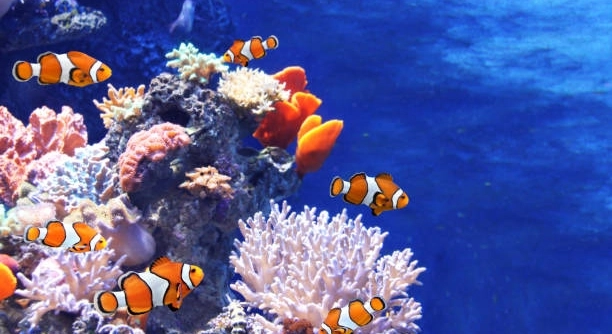
Many clownfish show signs of stress when their tank environment is not quite right. Small changes in the tank setup can help create a calmer atmosphere for these vibrant fish. Understanding these tweaks makes a big difference in their behavior.
Seven minor tank adjustments can significantly reduce stress in clownfish. These include optimizing water flow, adjusting lighting, improving hiding spots, maintaining stable water parameters, reducing noise and vibrations, controlling tank mates, and enhancing tank cleanliness to promote peaceful behavior.
Implementing these simple changes can lead to a more balanced and peaceful home for your clownfish. The following details explain each adjustment and its positive impact on fish well-being.
Optimizing Water Flow
Proper water circulation is important for clownfish comfort. Too strong a current can tire them out and increase stress, while stagnant water reduces oxygen levels and can cause poor health. Adjusting the flow to a gentle, steady current mimics their natural reef environment and helps keep the tank clean. Using a powerhead or filter outlet with adjustable flow makes this easy. Positioning these devices so the water moves around the tank without creating strong direct currents lets clownfish swim freely and rest comfortably. A balanced water flow supports oxygen exchange, removes waste, and maintains overall water quality, all essential for calm fish.
Finding the right flow rate depends on the tank size and setup. Observe the clownfish to ensure they are not struggling to swim or hiding excessively due to strong currents. Adjust gradually until they appear relaxed and active.
Careful control of water movement promotes a healthy tank environment and reduces unnecessary stress on clownfish, making their habitat more natural and peaceful.
Adjusting Lighting
Lighting should be soft and mimic natural daylight without sudden changes. Clownfish thrive under stable light conditions that support their daily rhythm. Bright or flashing lights can cause discomfort and agitation, while too dim lighting may affect their activity levels. Using a timer to create a consistent light cycle helps clownfish adjust and feel secure. Avoid placing the tank near direct sunlight to prevent excessive heat and algae growth. Proper lighting enhances the appearance of the fish while maintaining a calm atmosphere, benefiting their health and behavior over time.
Improving Hiding Spots
Clownfish need places to hide and feel safe. Without enough shelter, they become stressed and restless.
Adding live rock, coral decorations, or artificial caves creates secure hiding spots. These areas allow clownfish to retreat when they feel threatened or tired. Natural hiding places help reduce aggression from tank mates and give fish a sense of security. Changing the layout occasionally can keep the environment interesting but should be done carefully to avoid stressing the fish. Adequate shelter encourages natural behaviors, helping clownfish stay calm and confident in their tank.
Providing multiple hiding spots at different levels of the tank also encourages exploration while ensuring safety. This balance improves overall well-being and reduces anxiety among clownfish.
Maintaining Stable Water Parameters
Water quality plays a crucial role in clownfish health and stress levels. Sudden changes in temperature, pH, or salinity can shock them and cause discomfort. Maintaining consistent water parameters within recommended ranges is essential. Regular testing and adjustments keep conditions stable. Automated equipment, such as heaters and protein skimmers, can help regulate the environment. Stability in water quality supports immune function and reduces stress, which promotes peaceful behavior.
Keeping up with routine maintenance, like partial water changes and filter cleaning, prevents buildup of toxins. Proper filtration and aeration also contribute to maintaining balance. Monitoring parameters closely and addressing fluctuations quickly prevents long-term damage and keeps clownfish relaxed and healthy.
Reducing Noise and Vibrations
Loud noises and vibrations can unsettle clownfish. Minimizing external disturbances helps keep them calm and comfortable.
Place the tank away from heavy foot traffic, loud appliances, or speakers. Softening vibrations with a tank mat or padding under the aquarium can also reduce stress and create a quieter environment.
Controlling Tank Mates
Choosing compatible tank mates is key to clownfish peace. Aggressive or overly active fish can cause stress and conflict.
Select peaceful species that share similar water needs and temperaments. Avoid larger or territorial fish that may bully clownfish. Properly matched companions promote harmony and reduce tension, making the tank a calmer place for all inhabitants.
Enhancing Tank Cleanliness
Keeping the tank clean is essential for clownfish health. Regular removal of waste and uneaten food prevents harmful buildup.
A clean tank reduces toxins and keeps water clear, promoting a safe and comfortable home for clownfish.
How can I tell if my clownfish is stressed?
Signs of stress in clownfish include erratic swimming, hiding more than usual, loss of appetite, and faded colors. They may also rub against tank surfaces or show aggression toward tank mates. Observing these behaviors early helps you adjust tank conditions to reduce stress and improve their well-being.
What water temperature is best for clownfish?
Clownfish do best in water temperatures between 74°F and 79°F (23°C–26°C). Keeping the temperature stable within this range avoids stress caused by sudden changes. Using a reliable aquarium heater with a thermostat helps maintain consistent temperature.
How often should I clean the tank to keep clownfish calm?
Regular maintenance is essential. Partial water changes of 10-20% every one to two weeks keep water quality high. Cleaning the filter and removing debris also prevent harmful buildup. Avoid over-cleaning, which can disrupt beneficial bacteria and cause stress.
Can too much light stress clownfish?
Yes. Intense or constant bright lighting can cause discomfort and stress. Clownfish prefer a consistent light cycle with moderate brightness, ideally about 8-10 hours of light per day. Using a timer can help keep the cycle regular and predictable.
Are there specific tank mates that are best for clownfish?
Peaceful species like gobies, blennies, and some types of damselfish generally do well with clownfish. Avoid larger or aggressive fish like triggers or large wrasses, as they may intimidate or harm clownfish, increasing stress.
Does tank size affect clownfish stress levels?
Yes. A tank that is too small can cause overcrowding and territorial disputes, leading to stress. A minimum of 20 gallons is recommended for a pair of clownfish to provide enough space for swimming and hiding.
How important is water flow for clownfish?
Water flow needs to be moderate. Too strong a current makes it hard for clownfish to swim and rest, while too weak flow reduces oxygen and waste removal. Adjusting flow with powerheads or filter outlets can help create the right environment.
Can noise outside the tank impact clownfish?
External noise and vibrations can disturb clownfish, making them more nervous. Placing the tank away from loud appliances and traffic reduces stress. Using padding beneath the tank can absorb vibrations and create a quieter habitat.
What role do hiding spots play in clownfish stress management?
Hiding spots are vital for clownfish to feel safe and reduce anxiety. They use caves, live rock, and coral to retreat when feeling threatened. Lack of shelter can make clownfish restless and prone to stress-related behaviors.
Is water quality the most important factor in calming clownfish?
Water quality is critical. Stable parameters such as temperature, pH, and salinity keep clownfish healthy and stress-free. Regular testing and maintenance prevent fluctuations that can shock or harm the fish.
How can I reduce aggression among tank mates?
Choosing compatible species and providing enough space and hiding spots reduce aggression. Avoid overcrowding and observe fish interactions regularly. Removing aggressive individuals if necessary protects clownfish from stress and injury.
Does feeding schedule affect clownfish stress?
Consistent feeding routines help clownfish feel secure. Feeding small amounts once or twice daily prevents overfeeding and keeps water clean. Sudden changes in diet or feeding times can cause stress or health issues.
Can changing the tank layout cause stress?
Yes. Sudden or frequent rearrangement of decorations can unsettle clownfish. Change the layout gradually and avoid disturbing hiding places. Maintaining a familiar environment helps keep clownfish calm.
Is it okay to keep clownfish alone?
Clownfish are social animals that often do better in pairs or small groups. Keeping them alone can cause loneliness and stress. However, some individual clownfish may adapt well if provided with plenty of enrichment and care.
What are signs of a healthy clownfish in a calm tank?
A calm clownfish swims smoothly, shows bright colors, eats well, and explores its environment. It uses hiding spots but does not hide excessively. Normal behavior indicates low stress and a healthy tank environment.
Creating a calm environment for clownfish is important to keep them healthy and happy. Small changes in the tank setup can make a big difference in reducing their stress. Paying attention to water flow, lighting, hiding spots, and water quality all work together to create a stable home for these fish. When the tank conditions are right, clownfish show more natural behavior and less anxiety, which helps them live longer and thrive.
Regular care and observation are also key parts of maintaining a peaceful tank. Checking water parameters, cleaning the tank, and choosing the right tank mates are simple actions that help prevent problems. It is important to notice any changes in the clownfish’s behavior early, as stress can lead to illness or aggression. By making small adjustments and keeping a consistent routine, it is possible to support the well-being of clownfish and reduce unnecessary tension in the tank.
Overall, calming clownfish is about creating a balanced and comfortable environment. It does not require expensive or complicated equipment, just careful attention and thoughtful changes. Each tank is different, so taking time to learn what works best will benefit both the fish and the keeper. With patience and care, it is possible to enjoy the vibrant colors and lively personalities of clownfish in a stress-free setting.

Hello,
If you enjoy the content that we create, please consider saying a "Thank You!" by leaving a tip.
Every little bit helps us continue crafting quality advice that supports the health, happiness, and well-being of pets around the world, for pets of all shapes, sizes, and species.
We really appreciate the kindness and support that you show us!