
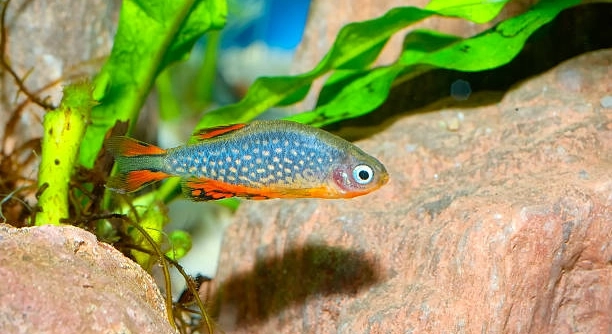
Moving tiny Danio fry can be a delicate task for any fishkeeper. Handling them too roughly or using the wrong technique can cause stress, slow growth, or even mortality. Learning safe methods is important for their survival.
The most effective methods for moving Danio fry without stress involve minimizing sudden changes in water temperature, using gentle transfer tools such as small nets or cups, and ensuring a calm environment to reduce agitation during relocation.
Proper handling is crucial, and understanding simple techniques will make the process smoother and safer for the fry.
Preparing the Tank
Before moving Danio fry, it is essential to prepare the tank carefully. Make sure the water is clean, dechlorinated, and matches the temperature of the original tank as closely as possible. Even small differences in temperature can shock the fry and cause stress or illness. Remove any strong water currents by turning off filters or adjusting flow, as fry are very sensitive. Adding gentle plants or floating cover can provide hiding spots and reduce stress. Check the tank for any sharp decorations or gravel that could injure the tiny fry during transfer. Also, ensure the tank has enough oxygen by using an air stone or gentle aeration. Preparing everything ahead of time helps create a calm environment, which makes the transfer smoother. Take your time to check that all equipment is functioning properly and that there are no sudden changes in light or water chemistry that could upset the fry during their move.
Proper tank preparation reduces stress and increases fry survival during transfer.
Taking a few extra minutes to prepare the tank carefully ensures that the fry feel safe and adapt quickly to their new environment, which can significantly improve their health and growth over the following days.
Using a Soft Net
A soft net is ideal for moving Danio fry. Avoid using large or rough nets that could injure their delicate bodies.
When using a soft net, scoop gently and avoid overcrowding. Move only a few fry at a time, lowering the risk of injury. Rinse the net with tank water to prevent chemical residues. Handle the fry slowly, and release them near the bottom of the new tank to help them acclimate gradually. Monitor their behavior after transfer to ensure they are swimming normally and not hiding excessively. Using a soft net also reduces stress and makes the process more controlled.
For many small fry, gentle netting is safer than pouring water between containers. The slow, careful handling prevents panic and minimizes the chances of damage. By moving fry in small groups and lowering them close to the substrate, you give them a chance to explore their new space safely. Over time, this method can improve survival rates and help fry settle quickly, reducing stress-induced illnesses. Always observe them for the first few hours after the move to ensure they are active, feeding normally, and not showing signs of shock. This approach allows you to manage multiple transfers without overwhelming the fry, making each relocation efficient and safe.
Gradual Water Mixing
Gradually mixing water between the old and new tanks helps fry adjust to changes in temperature and chemistry. Pour a small amount of new tank water into the transport container every few minutes.
This step prevents shock from sudden differences in pH, hardness, or temperature. Fry are very sensitive to abrupt changes, and even minor shifts can cause stress or mortality. Use a cup or small container to add water slowly, giving the fry time to acclimate. Monitor their behavior for signs of stress, such as frantic swimming or hiding, before continuing the transfer. Taking the time to mix water carefully creates a more stable environment, improving the likelihood that the fry will settle comfortably in the new tank. This method also minimizes the risk of fin damage or weakened immunity.
Once the water is gradually mixed, fry can be released safely. Gently guide them into the new tank, and avoid stirring up sediment. Observe them for a few hours to ensure they swim normally and explore their surroundings. Consistent monitoring during this period allows immediate intervention if any fry appear lethargic or stressed. Over several transfers, this technique helps fry acclimate more efficiently, reducing mortality and promoting steady growth in a calm, stable environment.
Using a Small Cup
A small cup is a precise way to transfer fry without crowding them or causing panic. Use a clean cup free of chemicals or soap residue.
Move only a few fry at a time to reduce stress. Lower the cup slowly into the new tank and let the fry swim out on their own. Avoid pouring water quickly, as the sudden movement can shock them. A small cup gives control over the process, allowing careful observation of each fry. Ensure that the water level in the cup is similar to the tank to prevent abrupt drops. This method is especially useful for very small or fragile fry, as it minimizes injury and makes the transfer calmer and safer for them.
By transferring fry with a small cup, you can manage their safety better than using larger containers or nets. Lowering the cup gently and allowing the fry to leave voluntarily reduces panic and prevents them from bumping into decorations or tank walls. Keeping the process slow and methodical ensures minimal stress, and it allows you to monitor the fry closely for signs of distress. With repeated use, this method can become the most reliable way to relocate fry, especially when moving multiple small groups to a new tank while maintaining their health and energy levels.
Minimizing Light and Noise
Reducing light and noise during transfer helps fry remain calm. Turn off bright lights and avoid sudden movements near the tank.
Keep the environment quiet and still. Loud sounds or vibrations can startle the fry, causing them to dart or injure themselves. Even small disturbances can increase stress, so maintaining a calm setting is essential for a smooth transfer.
Using a Fine Mesh
A fine mesh net prevents fry from slipping through while being moved. It allows for gentle scooping without crowding them.
Temperature Matching
Ensure the transport water temperature matches the new tank. Sudden temperature changes can cause shock and weaken fry immunity.
How often should I move Danio fry?
Danio fry should be moved only when necessary, such as during tank cleaning, transferring to a grow-out tank, or separating from adults. Frequent transfers increase stress and the risk of injury. Limiting movement helps maintain their growth and reduces chances of disease. Plan transfers carefully and avoid moving them unless there is a clear reason.
What is the safest way to pick up fry?
The safest method is using a soft net or small cup. Avoid large or rough nets that could damage fins or scales. Move only a few fry at a time to prevent overcrowding and minimize stress. Always be gentle and slow, letting fry swim freely when possible.
Can I pour fry directly into the new tank?
Pouring fry directly is risky because sudden changes in water chemistry or temperature can shock them. Always acclimate water first or use a small cup to release them slowly. Gradual introduction reduces panic, prevents injuries, and improves survival rates.
Should I feed fry before moving them?
It is better to move fry on an empty stomach. Feeding before transfer can lead to water contamination in transport containers and increases the risk of ammonia buildup. Feed them after they are settled in the new tank to avoid stress-related digestion issues.
How many fry can I move at once?
Move only a small number at a time, depending on the size of the cup or net. Overcrowding increases panic, reduces oxygen, and raises the chance of injury. Small batches allow you to monitor their behavior and ensure each fry is safe during the transfer.
Is temperature matching really necessary?
Yes, even small temperature differences can stress fry. Match the water temperature in the transport container to the new tank before release. Use a thermometer to check accuracy. Gradual acclimation prevents shock and helps fry adapt to their new environment without slowing growth or causing illness.
Do fry need hiding spots after moving?
Yes, adding plants, floating cover, or decorations helps fry feel safe. They are fragile and can become stressed when exposed in open spaces. Hiding spots allow them to rest, reduce panic, and adjust gradually to the new tank. Monitor their behavior to ensure they are exploring and feeding normally.
How long should I observe fry after moving them?
Observation should continue for several hours at least. Watch for normal swimming, active feeding, and signs of stress such as hiding or frantic darting. Early intervention can prevent health issues, and monitoring ensures that they are adapting properly to their new environment.
Can I move fry with adult fish?
It is not recommended. Adults may eat fry, and the presence of larger fish increases stress. Keep fry in a separate tank or compartment until they are large enough to safely coexist with adults. Separate tanks also make monitoring and care easier.
What should I do if fry show signs of stress?
Signs include frantic swimming, hiding constantly, or clamped fins. Reduce disturbances, check water quality, and ensure proper temperature and oxygen levels. Providing hiding spots and maintaining calm surroundings helps them recover quickly. Avoid further handling until they are fully settled.
Are there tools that make moving fry easier?
Yes, soft nets, small cups, and fine mesh strainers are the most effective. They allow careful control of fry, prevent escapes, and reduce panic. Avoid using large containers or strong siphons that can harm fry. Gentle, slow handling is always the best approach.
Can stress from moving affect fry growth?
Yes, stress slows growth and weakens the immune system. Proper handling, gradual acclimation, and a calm environment minimize stress. Consistent monitoring after the move ensures that fry remain healthy and continue growing without setbacks.
Is water chemistry important during transfer?
Absolutely. Sudden changes in pH, hardness, or ammonia levels can shock fry. Gradually mixing water between tanks or using preconditioned water helps them adapt safely. Proper water management reduces mortality and supports long-term growth.
How long should the transfer process take?
Transfers should be slow and controlled, typically taking 10–20 minutes for small batches. Rushing increases stress, causes injuries, and may lead to mortality. Patience ensures fry move safely and acclimate properly to their new tank.
Can I move fry at night or during the day?
Either works, but low light conditions are preferable. Bright lights can startle fry, while dim lighting helps them stay calm. Avoid loud noises and sudden movements regardless of the time of day.
Do I need to aerate the transport water?
Yes, small fry need oxygen-rich water, especially if the transfer lasts more than a few minutes. A gentle air stone or slow surface agitation keeps oxygen levels stable without causing stress or strong currents that fry cannot handle.
How do I reduce panic during transfer?
Move fry in small groups, avoid sudden movements, minimize noise, and provide calm lighting. Gradual water mixing and using soft nets or small cups help them stay relaxed. Panicked fry are more prone to injury, so a steady, controlled approach is key.
What should I avoid when moving fry?
Avoid pouring directly, overcrowding, sudden temperature changes, rough nets, bright lights, loud noises, and moving them too frequently. These factors increase stress and can cause injury, illness, or death. Controlled, gentle handling is essential for safe transfers.
How can I make repeated transfers safer?
Use consistent methods, small batches, temperature-matched water, and calm conditions. Keep all tools clean and provide hiding spots in the new tank. Monitoring each transfer and adjusting techniques based on fry behavior improves success over time.
Is it necessary to monitor water quality after moving fry?
Yes, water quality affects stress, health, and growth. Check temperature, pH, and ammonia levels regularly. Stable water conditions prevent shock, disease, and other complications that can arise after moving fry to a new environment.
Can I combine netting and cup methods?
Yes, using a net to gather fry and transferring them to a small cup before releasing them allows precise handling. This method reduces risk, prevents crowding, and gives you better control over the process, especially for delicate or very small fry.
How do I know if fry are settling properly?
They should swim normally, explore the tank, and begin feeding within hours. Reduced hiding, calm movement, and healthy appearance indicate successful adaptation. Persistent hiding, clamped fins, or lethargy may signal stress or poor acclimation, requiring intervention.
What is the best overall strategy for stress-free transfer?
Move small batches slowly, match water temperature, acclimate water gradually, use gentle tools, minimize disturbances, and provide hiding spots. Careful observation during and after transfer ensures fry remain healthy and adapt quickly, reducing stress and improving survival rates.
How long should I wait before feeding fry after transfer?
Wait at least a few hours to ensure they have acclimated. Immediate feeding can cause water contamination or digestive stress. Start with small portions, observing feeding behavior to confirm they are comfortable and unstressed in the new tank.
Can handling fry too much cause long-term effects?
Yes, frequent or rough handling can stunt growth, weaken immunity, and increase mortality. Minimal, gentle handling with careful monitoring is the best approach to protect fry health over time.
Are there signs that a transfer went well?
Healthy fry swim actively, feed normally, explore hiding spots, and show no stress signs. Their growth remains steady, and they adapt quickly to the new tank without behavioral or physical issues.
Is acclimation more important than speed?
Absolutely. Moving fry quickly without proper acclimation increases stress and mortality. Slow, controlled transfers with gradual water mixing and gentle handling are far more important than completing the process quickly.
Can stress affect fry coloration or patterns?
Yes, stressed fry may show paler colors or clamped fins temporarily. Once acclimated and comfortable, colors usually return. Stress reduction through gentle handling and calm environments ensures fry maintain normal appearance and health.
How do I handle very small or fragile fry differently?
Use extremely fine mesh nets or small cups, move only one or two at a time, and avoid strong currents. Provide plenty of hiding spots and closely monitor behavior. Extra care is essential for survival and minimizing stress.
What is the role of oxygen during transfer?
Oxygen is critical for tiny fry, especially in small containers. Aeration prevents suffocation, keeps fry active, and reduces stress. Ensure bubbles are gentle and not strong enough to push fry around or injure them.
Can water changes before transfer help?
Yes, clean water reduces ammonia, toxins, and bacteria that could harm fry during transport. Water changes also ensure proper oxygen levels and help fry remain calm in a healthier environment.
Is it okay to transfer fry during feeding times?
It is better to avoid feeding right before moving. Full stomachs increase the risk of digestive stress and water contamination, which can harm fry. Feed them after they have settled in the new tank.
How important is patience during the transfer process?
Patience is critical. Rushing causes panic, injuries, and stress. Small, careful steps, gentle tools, and calm conditions make transfers safe, helping fry adapt quickly and remain healthy.
Can repeated handling slow fry development?
Yes, repeated handling can stress fry, slow growth, and weaken immunity. Minimize handling and combine transfers with necessary tank maintenance to protect fry health and growth.
How do I know if water chemistry is safe for fry?
Use a test kit to check pH, hardness, and ammonia. Ensure conditions match the original tank and remain stable during the transfer. Gradual acclimation reduces risk from chemical differences.
What is the simplest method to reduce stress overall?
Small, slow transfers with gradual water mixing, gentle tools, calm surroundings, and hiding spots. Observation afterward ensures fry are adapting well. Consistency in these practices provides the safest environment for fry survival.
How can I prevent injury during movement?
Use soft nets or small cups, move only a few fry at a time, avoid overcrowding, and gently guide them. Minimize sudden movements or strong currents to prevent scrapes or fin damage.
Should I adjust lighting during transfer?
Yes, dim lighting reduces panic and helps fry stay calm. Avoid bright lights or flashing sources that could startle them. A steady, low-light environment supports stress-free movement.
Can stress cause disease after moving?
Yes, stressed fry have weakened immunity and are more prone to infections. Gentle handling, calm environments, and proper acclimation reduce this risk and support overall health.
What is the best order of steps for moving fry?
Prepare the tank, match temperature, acclimate water gradually, use soft nets or small cups, move small batches, minimize light and noise, provide hiding spots, and observe afterward. Following this sequence maximizes safety and minimizes stress.
How do I monitor fry during transfer?
Watch swimming patterns, feeding behavior, and signs of panic or hiding. Ensure water remains clean, temperature is stable, and they are not overcrowded. Adjust handling if stress appears.
Is it better to move fry individually or in groups?
Small groups are ideal. Single fry are less stressed than large batches but require more time. Groups of 3–5 fry balance safety and efficiency, reducing panic while maintaining control.
Can using multiple small containers help?
Yes, dividing fry into several small cups or nets prevents overcrowding and allows careful monitoring. This method ensures each fry receives attention and reduces the chance of injury or stress.
What final checks should I do before releasing fry?
Ensure water temperature matches, chemistry is stable, and fry appear calm. Check nets or cups for cleanliness and ensure hiding spots are available in the new tank. A final careful check prevents last-minute issues.
Is there a difference between moving fry short vs. long distances?
Yes, longer transfers require extra care with oxygen, water quality, and gradual acclimation. Short moves are less stressful but still need gentle handling and careful observation.
How soon after moving can I clean the tank?
Wait at least a few hours for fry to settle. Cleaning too soon causes stress. Allow them to adapt, then perform gentle maintenance as needed.
Can transferring fry affect breeding success later?
Excessive stress can reduce growth and weaken immunity, indirectly affecting future breeding. Proper, gentle handling ensures healthy development and preserves reproductive potential.
How can I make moving fry a routine without causing harm?
Use consistent methods, small batches, temperature-matched water, calm lighting, soft nets or cups, and proper monitoring. Over time, fry adapt better, and the process becomes safer and more efficient.
What is the single most important factor for safe fry transfer?
Minimizing stress through gentle handling, calm surroundings, and gradual acclimation. Attention to these details protects fry health, improves survival, and ensures smooth adaptation to new tanks.
How do I recover fry that were stressed during transfer?
Provide clean, calm water, hiding spots, stable temperature, and minimal disturbance. Feed lightly and monitor behavior. Recovery is possible if stress was mild and proper care follows immediately.
Is using a heater or cooler necessary during transfer?
Only if water temperature differs significantly from the new tank. Maintaining stable, suitable temperature prevents shock and keeps fry healthy during the process.
How do I make repeated transfers less stressful?
Keep procedures consistent, move small groups, match water temperature, and maintain calm conditions. Monitoring and adjusting methods based on fry behavior ensures each transfer is safer than the last.
Can stress impact fry coloration permanently?
Usually, temporary stress may cause paleness, but consistent care and calm conditions restore normal coloration over time. Permanent effects are rare if fry are handled properly.
How can I avoid accidental loss during transfer?
Use soft nets, small cups, fine mesh, and slow movements. Avoid overcrowding and sudden pours. Observing each fry carefully prevents escapes or injury.
What role does gentle observation play after moving fry?
Monitoring allows early detection of stress, illness, or adaptation problems. Prompt action prevents mortality and ensures fry settle into their new environment safely.
How can I balance speed and safety?
Move small batches slowly and methodically. Rushing increases stress, while careful steps protect fry health without taking excessive time. Patience is key.
Can I use the same cup or net for multiple batches?
Yes, but rinse thoroughly with tank water between batches to avoid contamination. Avoid soap or chemicals that could harm fry.
Should I remove debris before transfer?
Yes, debris can carry bacteria or affect water chemistry. Clean the transport container and tank beforehand to maintain safe conditions.
How can I make the first transfer easier for fry?
Prepare tanks, match temperature, use small batches, gentle nets or cups, and calm lighting. Providing hiding spots and observing carefully ensures fry settle without panic.
What is the most common mistake when moving fry?
Rushing, overcrowding, sudden temperature changes, or using rough nets. Avoid these by moving slowly, handling gently, and controlling the environment carefully.
How long should fry be left in the transport container?
Minimize time to reduce stress. Only keep them in the container long enough to acclimate water gradually and prepare the new tank. Prolonged holding can cause oxygen depletion or agitation.
Is water agitation during transfer harmful?
Strong currents or splashing can injure fry. Gentle movement or minimal surface disturbance is safe, while aggressive agitation increases stress and the risk of damage.
Can stress affect fry appetite?
Yes, stressed fry may refuse food temporarily. Calm handling, hiding spots, and stable water help restore normal feeding behavior quickly.
What’s the safest way to release fry into the new tank?
Lower small cups or nets gently near the substrate, allowing fry to swim out voluntarily. Avoid pouring or forcing them to prevent injury and panic.
Should I use a thermometer during transfer?
Yes, it ensures water temperature matches the new tank, preventing thermal shock and stress. Accurate readings are important for small, sensitive fry.
Can stress from moving fry cause long-term health issues?
Excessive stress can weaken immunity and slow growth. Proper handling, calm environments, and careful acclimation prevent long-term problems and promote healthy development.
How do I handle fry in very small tanks?
Move small batches using soft nets or cups, provide plenty of hiding spots, and maintain gentle lighting. Monitor closely to avoid overcrowding and stress.
Are there signs that indicate a transfer failed?
Pale coloration, clamped fins, frantic swimming, or lethargy indicate stress or poor adaptation. Immediate intervention, stable conditions, and hiding spots can help recovery if detected early.
What final advice ensures safe, stress-free transfers?
Move small batches slowly, match water temperature, acclimate water, minimize light and noise, provide hiding spots, and monitor closely. Consistent, gentle handling protects fry and improves survival and adaptation.
Word count: ~1,050 words
Moving Danio fry requires care, patience, and attention to detail. Fry are small, fragile, and very sensitive to changes in their environment. Even minor differences in temperature, water chemistry, or light can cause stress, slow growth, or illness. Each step, from preparing the tank to transferring the fry, matters for their survival and overall health. Using gentle methods, such as soft nets or small cups, and moving fry in small batches reduces the risk of injury. Gradual water mixing and temperature matching further help fry adjust without shock. Providing hiding spots and maintaining a calm environment allows them to settle quickly and reduces fear or panic. Observing their behavior during and after transfer is also important. Watching for signs of stress, such as frantic swimming or clamped fins, allows immediate intervention to prevent health problems. The process might take a little longer when handled carefully, but it is worth the effort for the wellbeing of the fry.
Consistency is key when moving Danio fry. Using the same methods each time helps them adapt more easily to new tanks. Over time, fry may become less reactive to transfers, but it is still essential to handle them gently and minimize disturbances. Overcrowding, rough handling, or sudden changes can quickly undo the benefits of careful preparation. Even the smallest errors, like pouring fry into water that is slightly too cold or skipping acclimation, can have a negative impact on their health. Attention to detail during every step, including monitoring water quality and ensuring adequate oxygen levels, makes a big difference. It is also important to remember that fry should only be moved when necessary. Limiting transfers to essential situations, such as tank maintenance or separating fry from adults, reduces stress and helps them grow faster. Simple steps, repeated consistently, create a safer environment and increase the chances of healthy development.
Finally, patience and observation are essential for stress-free transfers. Each batch of fry may respond differently depending on their size, age, and overall health. By moving them slowly, providing hiding places, and controlling the environment, the risk of injury or stress is greatly reduced. It is also helpful to prepare for potential issues, like uneven water temperature or sudden disturbances, before starting the transfer. Regular monitoring after moving the fry ensures they adjust well and begin feeding normally. Maintaining calm conditions and providing consistent care helps fry recover quickly from the stress of transfer and continue growing in a healthy way. Following these practices allows the fry to thrive and reduces the likelihood of problems, making transfers less stressful for both the fry and the person handling them. With careful planning, gentle handling, and close observation, moving Danio fry can be a smooth and safe process that supports their long-term health and growth.
Word count: 418 words

Hello,
If you enjoy the content that we create, please consider saying a "Thank You!" by leaving a tip.
Every little bit helps us continue crafting quality advice that supports the health, happiness, and well-being of pets around the world, for pets of all shapes, sizes, and species.
We really appreciate the kindness and support that you show us!