
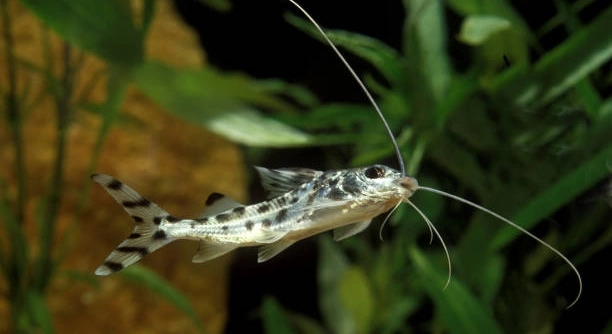
Relocating Pictus catfish can be a delicate task for many aquarium owners. These fish are sensitive to changes in their environment, which can cause stress during transport. Knowing how to move them carefully is important for their well-being.
The best approach to relocating Pictus catfish involves minimizing stress by controlling water conditions, using gentle handling techniques, and ensuring stable temperatures. Proper preparation and gradual acclimation are essential to maintaining the fish’s health throughout the process.
Understanding simple steps to reduce stress during relocation can improve the safety and comfort of your Pictus catfish. These methods help support their adaptation to new environments smoothly.
Preparing the Tank and Water Conditions
Before moving your Pictus catfish, it’s crucial to prepare the new tank properly. Make sure the water temperature matches the original tank to avoid shock. The pH and hardness levels should also be similar. Clean the tank thoroughly to remove any harmful residues or chemicals. Adding plants and hiding spots can help the fish feel more secure once relocated. It’s best to run the tank filter and let the water cycle for at least 24 hours before introducing the catfish. This creates a stable environment with beneficial bacteria that support the fish’s health. If the new tank water comes from a different source, consider using a water conditioner to neutralize chlorine and other harmful substances. Taking these steps helps reduce the stress on your Pictus catfish when they move to their new home.
Proper water conditions play a key role in easing the transition for your catfish and ensuring their well-being after relocation.
Setting up the tank carefully is only the first step. Monitoring water parameters regularly after the move is equally important. Test the water for ammonia, nitrites, and nitrates to detect any issues early. Avoid making sudden changes to the environment during the first few days, and feed your catfish sparingly to prevent excess waste. Keeping a close eye on their behavior will help you spot any signs of stress or illness. If you notice any unusual activity, such as hiding too much or not eating, consider consulting an expert. By maintaining a stable and safe environment, your Pictus catfish can settle in comfortably and thrive in their new tank.
Gentle Handling and Transport Techniques
Using a soft net and gentle hands is essential when moving Pictus catfish. Avoid squeezing or dropping them, as this can cause injuries.
Place the fish in a small container with water from their original tank to keep familiar conditions. Use an insulated cooler if transporting over long distances to maintain temperature.
When you arrive, float the container in the new tank for about 20 minutes. This helps the fish adjust to the new water temperature slowly. Gradually mix small amounts of the new tank water into the container over the next 30 minutes. This step prevents shock from sudden water changes. Finally, gently release the fish into the tank. Taking these steps reduces stress and helps your Pictus catfish adapt comfortably to their new environment.
Minimizing Stress During Relocation
Keeping the environment calm and quiet helps your Pictus catfish stay calm. Sudden movements or loud noises can increase their stress levels.
Use dim lighting during transport to reduce stimulation. Cover the transport container with a cloth to limit exposure to outside activity. Avoid shaking or jostling the container while moving. Gentle, slow movements help prevent panic in the fish. Limiting disturbances can make the relocation smoother and less stressful for your catfish.
Stress weakens their immune system, making them more vulnerable to illness. Maintaining a peaceful environment helps protect their health and supports a quicker recovery after the move. A calm setting encourages normal behavior, including eating and swimming, which are important for adapting to the new tank.
Gradual Acclimation to the New Environment
Acclimate your Pictus catfish slowly to the new water conditions. Rapid changes can cause shock or health problems.
Start by floating the transport bag or container in the new tank for about 20 minutes. This equalizes water temperatures between the two environments. Next, add small amounts of tank water to the container every 10 minutes over the next hour. This gradual mixing helps the fish adjust to differences in pH, hardness, and other water parameters. After this, carefully release the fish into the tank using a net to avoid transferring transport water.
This slow introduction process reduces the risk of stress and improves the chances of a smooth transition. Your catfish will be more comfortable adapting to its new surroundings and ready to explore its new home with less risk of shock or illness.
Feeding Tips During Relocation
Limit feeding your Pictus catfish before and during the move. Fish often refuse food when stressed, which can lead to digestive issues.
Offer small meals after the relocation once the fish shows interest. Avoid overfeeding to keep the water quality stable and prevent further stress.
Using Stress-Reducing Products
Stress-reducing products like water conditioners and calming additives can help during relocation. These products reduce toxins and support your fish’s immune system.
Choose products made specifically for aquarium fish and follow the instructions carefully. Proper use can ease the transition and help your catfish feel more comfortable.
Monitoring After Relocation
Watch your Pictus catfish closely for signs of stress or illness after moving. Early detection helps prevent serious problems.
Keep the water clean and stable, and avoid sudden changes in the tank conditions to support recovery and adjustment.
FAQ
How long should I wait before feeding my Pictus catfish after relocation?
It’s best to wait at least 24 hours before feeding your Pictus catfish after moving them. Stress from the move often causes fish to lose their appetite temporarily. Giving them a break from food helps prevent digestive problems and reduces waste buildup in the tank. When you do feed them again, start with small amounts and observe their response. If they eat well and seem active, you can gradually return to their normal feeding schedule.
What signs show that my Pictus catfish is stressed after relocation?
Signs of stress include hiding more than usual, refusing food, erratic swimming, or staying near the surface or bottom without moving much. Sometimes you may notice clamped fins or rapid gill movement, which indicate discomfort. If you see any of these behaviors, check water quality first, as poor conditions worsen stress. Providing a calm, stable environment is key to helping them recover.
Can I move Pictus catfish with other fish in the same container?
It’s generally safer to transport Pictus catfish separately from other fish to avoid injury and stress. Different species may react unpredictably in confined spaces. If you must move multiple fish together, make sure the container is large enough and monitor closely for aggression or overcrowding. Separate containers help reduce the risk of harm and make acclimation easier.
What water temperature should I keep during transport?
Maintain water temperature close to the fish’s normal tank temperature, usually between 74°F and 79°F (23°C to 26°C). Sudden temperature changes can shock your Pictus catfish and cause stress or health issues. Use insulated containers or coolers to help keep a stable temperature, especially during longer trips or extreme weather conditions.
Is it necessary to use a water conditioner during relocation?
Yes, using a water conditioner is helpful. It neutralizes chlorine, chloramines, and heavy metals that may be present in tap water. During relocation, water quality can fluctuate, so conditioners protect your fish from harmful chemicals. Always follow product instructions and use a conditioner designed for aquarium fish.
How long can Pictus catfish survive out of water during transport?
Pictus catfish should not be kept out of water for more than a few minutes. They rely on water to breathe through their gills and cannot survive long without it. Always keep them fully submerged during transport and avoid exposing them to air for extended periods.
What should I do if my Pictus catfish shows signs of illness after relocation?
If your catfish shows illness such as lethargy, visible wounds, or unusual spots, isolate it in a quarantine tank if possible. Test and improve water quality immediately, as poor conditions often worsen health problems. Consult a veterinarian or aquarium specialist for advice on treatment options like medications or salt baths. Acting quickly can prevent serious health issues.
Can I relocate Pictus catfish during a water change?
It’s better to avoid moving your fish during a major water change. Relocation itself is already stressful, and adding a water change can increase this stress. Wait until the fish has settled in its new tank and the water parameters are stable before doing large water changes. This helps your catfish adjust more smoothly.
How often should I check water parameters after moving my Pictus catfish?
Check water parameters daily for at least a week after relocation. Monitor temperature, pH, ammonia, nitrites, and nitrates to ensure stable and safe conditions. Early detection of imbalances helps you take corrective action before problems develop. Maintaining good water quality supports your fish’s health during this sensitive period.
What is the best way to acclimate Pictus catfish to a new tank?
The drip acclimation method is one of the safest. Float the transport bag in the new tank to equalize temperature, then slowly add small amounts of tank water to the bag over an hour. This gradual process helps the fish adjust to new water chemistry and reduces shock. Once acclimated, gently release the catfish into the tank to minimize stress.
Are there any specific handling tips to avoid injuring Pictus catfish during relocation?
Always use a soft net and handle your catfish gently. Avoid squeezing or dropping them, as their bodies are delicate and prone to injury. Try to keep handling time brief and keep the fish submerged in water during any transfers. Using a smooth container with water from their tank helps prevent damage and reduces stress.
What should I do if my Pictus catfish refuses to eat after relocation for several days?
Refusal to eat for one or two days can be normal due to stress. However, if it lasts longer, check water quality and temperature first. Sometimes improving tank conditions helps restore appetite. You can also try offering a variety of foods, including live or frozen options, to entice feeding. If the issue continues, consult an expert for health advice.
Is it safe to relocate baby or juvenile Pictus catfish the same way as adults?
Juvenile catfish are more fragile and sensitive to stress. Use extra care when handling and transporting them. Smaller containers with gentle water flow work best. Keep temperature and water parameters very stable and avoid overcrowding. Follow the same acclimation steps but be prepared for a slower adjustment period compared to adults.
How can I reduce stress if I need to move my Pictus catfish frequently?
Frequent moves increase stress risks. Try to keep tank setups consistent to ease transitions. Use stable water conditions and gentle handling every time. Provide plenty of hiding spots and keep lighting soft during transport. Using stress-reducing products can also help. Minimizing disturbances and giving your fish time to recover between moves is key to their health.
Are Pictus catfish more sensitive to relocation than other common aquarium fish?
Yes, Pictus catfish tend to be more sensitive due to their active nature and delicate skin. They respond strongly to changes in water quality and environment. Taking extra precautions with handling, water conditions, and acclimation reduces stress and supports a successful relocation compared to some hardier species.
Relocating Pictus catfish requires careful attention to detail and patience. These fish are sensitive to changes in their environment, so making sure the water conditions match between the old and new tanks is very important. Maintaining stable temperatures and water quality reduces stress and helps prevent health problems. Preparing the tank properly before moving the fish is a step that should never be skipped. This preparation gives your catfish a safer and more comfortable space to settle into once they arrive.
Handling the fish gently during transport also plays a key role in reducing stress. Using soft nets, calm movements, and suitable containers with familiar water can make the process smoother. It is best to avoid loud noises and sudden actions around the transport area. Covering the container to limit outside stimulation helps your Pictus catfish feel more secure. Gradual acclimation to the new tank water is necessary to avoid shock and help your fish adjust over time. These steps may take extra time, but they increase the chances that your catfish will thrive after the move.
After relocation, keeping a close eye on your fish’s behavior and water conditions is essential. Watch for signs of stress such as hiding, lack of appetite, or unusual swimming patterns. Regularly testing the water and avoiding sudden changes supports a healthy environment. Feeding should be resumed carefully and slowly to avoid digestive issues. If any problems arise, addressing them quickly will help protect your catfish’s health. Following these low-stress relocation methods gives your Pictus catfish the best opportunity to adapt and continue living happily in their new home.

Hello,
If you enjoy the content that we create, please consider saying a "Thank You!" by leaving a tip.
Every little bit helps us continue crafting quality advice that supports the health, happiness, and well-being of pets around the world, for pets of all shapes, sizes, and species.
We really appreciate the kindness and support that you show us!