
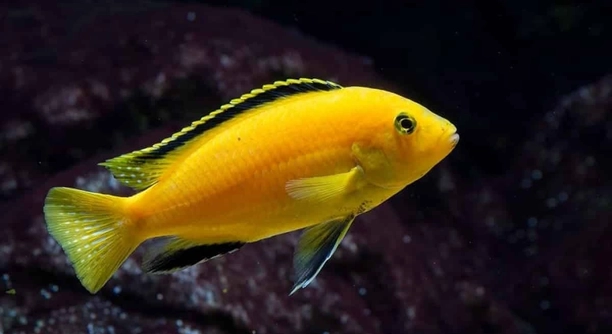
Do you ever find yourself rearranging your aquarium, thinking about adding new cichlids but worried about stress? Introducing fish can be tricky, especially with territorial or sensitive species that react to sudden changes in their environment.
The best times to introduce new cichlids occur when water parameters are stable, feeding schedules are consistent, and tank inhabitants are calm. Minimizing sudden environmental changes and maintaining routine reduces aggression and promotes smoother acclimation for all fish.
Knowing when to act can make a big difference for your aquarium’s harmony. Proper timing helps both new and existing cichlids adjust safely and comfortably.
Early Morning Introductions
Introducing new cichlids in the early morning is often the least stressful for both the existing fish and the newcomers. At this time, the aquarium is usually quieter, with less activity around the tank, which can reduce territorial behavior. Fish are generally more calm and less reactive in the morning, allowing them to slowly observe the new additions. Feeding routines are usually consistent at this time, which means the existing fish are already focused on eating and less likely to chase or attack newcomers. Temperature and water chemistry are typically stable after overnight rest, which helps prevent sudden stress from environmental changes. Using a clear acclimation container in the morning allows the new cichlids to adjust to the water and observe their surroundings safely. Observing fish behavior during this time can give a clear indication of potential aggression and help plan future introductions more successfully.
Starting introductions early in the morning can reduce aggression and promote a calmer, safer acclimation period for new cichlids.
The calmness of morning allows new cichlids to settle slowly. Watching their interactions carefully helps identify any issues before they escalate. Over time, early morning introductions become a predictable, low-stress routine that keeps your aquarium balanced and peaceful.
After a Routine Water Change
Introducing new cichlids immediately after a water change takes advantage of a refreshed, oxygen-rich environment. The clean water stimulates the fish, making them more active and curious rather than defensive. Existing fish are distracted by the change, reducing territorial aggression toward newcomers. The new cichlids benefit from optimal water conditions, reducing stress and the likelihood of illness. It is important to maintain temperature consistency between the water in the tank and the acclimation container to prevent shock. Slowly floating the new cichlids in the tank water before release helps them adjust gradually. Careful observation during the first hours ensures compatibility and highlights any signs of bullying early. Small adjustments, like rearranging décor or hiding spots, can help reduce conflicts. Using this approach allows for a smoother transition while keeping both the new and existing cichlids comfortable.
Introducing fish after a water change maximizes oxygen and reduces territorial disputes, giving newcomers a better chance to integrate smoothly.
Proper timing combined with clean water creates a healthier, less stressful environment for cichlids. Watching fish carefully, ensuring temperature matches, and providing extra hiding spots prevents injury and allows for a peaceful introduction. Over time, this practice can become standard, ensuring new additions thrive without upsetting the existing balance. Regularly refreshing water also supports long-term health, benefiting all tank inhabitants while making introductions more predictable and less stressful.
Evening Calm
Evening is often a quiet period for aquariums. Fish tend to be less active, and the soft lighting can reduce stress. Introducing new cichlids at this time allows them to acclimate without immediate aggression from existing fish. Observing their behavior is easier in this calm setting.
During the evening, the tank environment is naturally stable. Fish have already gone through their main activity periods and are less likely to chase newcomers. Using a dim light or turning off overhead lights can help reduce sudden reactions. Floating the new cichlids in a container for an hour allows them to adjust to temperature and water chemistry gradually. Existing cichlids are more likely to focus on familiar routines, leaving space for newcomers to explore safely. Over time, evening introductions can become a consistent low-stress method that works well for sensitive or territorial species.
Patience is key in the evening. By slowly releasing new cichlids and monitoring interactions, aggression is minimized. Even minor adjustments to decorations or hiding spots can make a difference, giving all fish a sense of security and reducing stress during introductions.
After Feeding
Introducing new cichlids after feeding ensures that existing fish are preoccupied and less aggressive. Full bellies reduce territorial disputes and allow newcomers a safer first impression. Careful observation during this time is essential to spot any early signs of conflict.
Feeding changes fish behavior temporarily, making them calmer and less focused on defending their space. Once the main feeding is finished, the tank’s activity levels drop, giving new cichlids a chance to explore without provoking aggression. Using a container for gradual acclimation ensures temperature and chemistry match. Providing extra hiding spots further reduces potential stress, allowing both groups to adjust comfortably. Timing introductions after feeding can prevent immediate confrontations and support a smoother integration process. This method works especially well for tanks with dominant or aggressive species, giving newcomers an opportunity to settle in safely before establishing social hierarchy.
Careful monitoring after feeding ensures that both new and existing cichlids remain calm. Watching their movements, making small adjustments, and ensuring hiding spaces are accessible all contribute to a smoother transition and a more harmonious aquarium environment.
Midday Quiet
Midday can be an effective time to introduce new cichlids when the aquarium is calm. Fish are usually less active, and natural lighting allows you to observe their behavior clearly. A slow introduction helps prevent aggression and gives newcomers a chance to settle.
Using midday ensures water conditions are stable. Existing fish are distracted by regular activity, and newcomers can adjust gradually. Floating them in a container before release helps reduce temperature and chemistry shock, giving them time to acclimate safely without stress.
After Tank Maintenance
After tank maintenance, water quality is at its peak, making it an ideal time for new cichlids. Clean filters and refreshed water reduce stress and the risk of disease. Gradual acclimation is still important to match temperature and chemistry.
During Rest Periods
Introducing new cichlids during natural rest periods reduces activity and potential aggression. Fish are calmer and more receptive to newcomers, allowing safer acclimation into the tank.
What is the best way to acclimate new cichlids to my tank?
The most effective method is a slow, gradual acclimation using a floating container or bag. Start by floating the new cichlids in the tank water for 20 to 30 minutes to equalize temperature. Then, add small amounts of tank water into the container every 10 minutes for about an hour. This allows the fish to slowly adjust to water chemistry changes, reducing stress and the risk of shock. Avoid rushing this process, as sudden changes in pH, hardness, or temperature can harm sensitive species. Patience during acclimation sets the stage for healthier, calmer fish and minimizes conflicts with existing tank inhabitants.
How can I tell if my existing cichlids will accept the newcomers?
Observe their behavior closely during the first hours. Signs of acceptance include curiosity without aggression, following but not chasing, and maintaining usual routines. Minor displays of dominance, like brief flaring or chasing, are normal, but constant aggression, biting, or cornering indicates stress. Providing hiding spots and rearranging decorations can reduce conflicts and give newcomers areas to retreat. Over the first few days, monitor interactions closely to ensure a balance is forming. If aggression continues, consider separating fish temporarily and reintroducing them gradually. Careful observation and environmental adjustments are key to ensuring all fish adapt safely.
When is the least stressful time of day to introduce new cichlids?
Early morning, evening, or after feeding are generally the best times. Early morning offers calm conditions after the tank has rested overnight. Evening provides soft lighting and lower activity levels, reducing territorial disputes. Introducing fish after feeding ensures existing cichlids are distracted and less aggressive. Each of these periods allows newcomers to acclimate gradually while minimizing stress, making it easier for them to explore and integrate into the tank. Choosing one of these low-stress periods can significantly improve the success of introductions.
Should I rearrange tank decorations before adding new cichlids?
Yes, rearranging decorations can help reduce territorial aggression. Existing cichlids may be less likely to defend spaces that look unfamiliar, giving newcomers a chance to explore safely. Add extra hiding spots like caves, plants, or rocks to allow retreat areas. Avoid major changes that drastically alter swimming patterns or lighting. Small adjustments can improve harmony, minimize stress, and give all fish room to establish territories naturally. Observing how fish respond to these changes helps you refine the tank setup for a peaceful environment.
How long should I monitor new cichlids after introduction?
Intense monitoring is crucial for the first 24 to 72 hours. Watch for signs of stress, aggression, or illness, and ensure the new fish are feeding properly. Continue observing daily for the next two weeks to ensure long-term compatibility. Addressing issues quickly, such as isolating aggressive fish or adding hiding spots, can prevent injuries and reduce overall stress in the aquarium. Keeping a close eye during this period ensures newcomers integrate smoothly and maintain a healthy, calm tank environment.
What should I do if aggression occurs despite careful timing?
If aggression persists, separate the aggressive fish using a temporary divider or quarantine tank. Gradually reintroduce the fish after a few days, adjusting decorations or providing more hiding spots. Ensure water parameters are stable to prevent additional stress. Avoid sudden moves, as this can escalate conflict. Patience and small adjustments are often enough to restore peace, allowing all fish to coexist safely.
Is it necessary to feed before introducing new cichlids?
Feeding beforehand can reduce territorial disputes. Full bellies make existing cichlids calmer and less likely to chase newcomers immediately. This approach creates a safer environment and allows new fish to settle more easily. Continue regular feeding routines after introduction to maintain balance and reduce stress in the tank.
Can different cichlid species be introduced together safely?
Yes, but compatibility is key. Research species temperament, size, and territorial tendencies before adding them to the same tank. Introduce them gradually, using hiding spots and careful observation. Mixing aggressive with peaceful species requires extra planning and monitoring to prevent injuries and stress. Proper preparation ensures a harmonious community.
How do I know if new cichlids are stressed?
Signs include hiding excessively, rapid breathing, loss of appetite, or erratic swimming. Stress can weaken their immune system, making them vulnerable to disease. Immediate action, such as adjusting water parameters, providing shelter, or temporarily separating fish, can help reduce stress. Monitoring daily ensures early intervention and long-term health.
Are there specific water parameters that help reduce stress during introduction?
Stable temperature, pH, and hardness are essential. Sudden changes in water chemistry can shock new cichlids and increase aggression. Use a heater, test kits, and careful acclimation to maintain consistency. Gradually adjusting the new fish to match tank conditions reduces stress and promotes a smooth integration.
The combination of careful timing, observation, and environmental adjustments significantly increases the success of introducing new cichlids. Patience and attention to fish behavior during acclimation help create a balanced, peaceful tank environment where both newcomers and existing fish thrive.
Introducing new cichlids to an established tank can be a challenging but manageable process if approached carefully. Timing and preparation play a major role in minimizing stress for both new and existing fish. Choosing periods when the tank is calm, such as early morning, evening, or after feeding, allows the fish to adjust gradually. Calm periods reduce aggression, making it easier for newcomers to explore and settle in. Providing hiding spots and rearranging decorations slightly can also help reduce territorial disputes. Simple adjustments like these can make a big difference in creating a safer, more comfortable environment for all fish.
Proper acclimation is another essential factor in ensuring a smooth introduction. Slowly matching the new cichlids to the tank’s water temperature and chemistry prevents shock, which can lead to stress or illness. Using a floating container or bag for gradual introduction gives the fish time to adjust while observing the behavior of the existing tank inhabitants. Monitoring the first hours and days closely allows you to identify potential conflicts early and make quick adjustments. Even small changes, such as providing additional shelters or temporarily separating aggressive fish, can prevent injuries and reduce overall tension in the aquarium.
Finally, patience and observation are key to long-term success. Stress can appear in subtle ways, such as hiding, erratic swimming, or reduced appetite, and addressing it promptly helps maintain healthy fish. Maintaining stable water parameters and consistent feeding routines supports both new and established cichlids during this adjustment period. Over time, careful planning, timing, and monitoring help create a balanced and harmonious tank. By paying attention to fish behavior and environmental factors, introductions can become a smooth, low-stress process that keeps your cichlids healthy and comfortable. Consistent care and observation make it easier to maintain peace and ensure that your aquarium remains a safe, thriving space for every fish.

Hello,
If you enjoy the content that we create, please consider saying a "Thank You!" by leaving a tip.
Every little bit helps us continue crafting quality advice that supports the health, happiness, and well-being of pets around the world, for pets of all shapes, sizes, and species.
We really appreciate the kindness and support that you show us!