
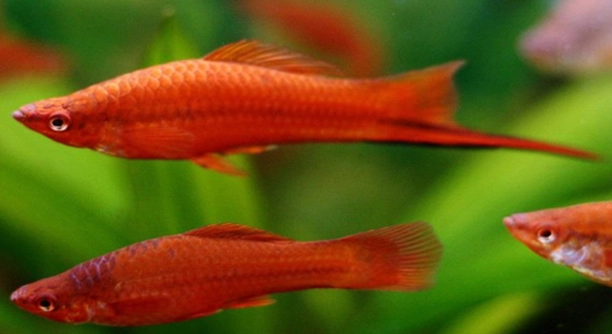
Many aquarium enthusiasts seek plants that thrive in low-light environments, especially in tanks with swordtail fish. These plants offer both beauty and functionality, enhancing the tank while remaining easy to care for.
There are several plants well-suited to low-light conditions, ideal for swordtail tanks. Varieties like Java fern, Anubias, and Cryptocoryne adapt well to low light, growing slowly and requiring minimal maintenance, making them perfect companions for swordtail fish.
Choosing the right plants for your swordtail tank can contribute to a healthy and visually appealing environment. These plants help maintain water quality and provide a comfortable habitat for your fish.
Choosing Low-Light Plants for Swordtail Tanks
Low-light plants offer a great solution for swordtail tanks where light can be limited. Plants like Anubias, Java fern, and Cryptocoryne are perfect options because they don’t require direct sunlight to grow well. These plants can be placed in shaded areas of the tank or those with only ambient light. Their slow growth rate means they won’t outgrow the tank quickly, making them ideal for a tank where you want minimal maintenance.
When setting up your swordtail tank, consider the size of the plants. Anubias is known for its slow-growing nature and can thrive with minimal light. Cryptocoryne, with its variety of leaf shapes and colors, adds a touch of variety while still remaining low-maintenance. Java fern can be attached to rocks or driftwood, giving the tank a natural, appealing look.
It’s important to remember that while these plants do well in low-light conditions, they still need proper water conditions. A healthy balance of water temperature, pH, and regular cleaning ensures that both plants and swordtails thrive in the same environment.
Plant Placement and Maintenance
To keep the plants healthy, place them in spots where the swordtails can swim freely.
Regular maintenance is essential for ensuring these low-light plants grow well. Trim leaves that are turning brown or yellow, and check the water regularly to keep the plants in good condition.
Anubias: The Reliable Low-Light Option
Anubias is one of the best plants for low-light environments. It’s easy to care for and doesn’t require intense light to thrive.
This plant’s leaves are thick and dark green, making it a durable option for swordtail tanks. Anubias grows slowly, so it won’t quickly overcrowd the tank. It can be attached to driftwood or rocks, adding an aesthetic touch while staying out of the way of swordtails. Anubias is also resistant to most common tank issues like algae and pests.
Another benefit of Anubias is that it’s adaptable. If your tank has fluctuating light levels, this plant will still do well. It can grow in low, medium, or high-light conditions, though low light tends to be its preference. Simply avoid burying its rhizome in the substrate, as this can damage the plant.
Java Fern: A Hardy Plant for Swordtail Tanks
Java fern is another excellent choice for low-light tanks.
This plant is particularly great for beginners. It thrives in shaded or low-light areas, making it perfect for swordtail tanks that don’t receive much light. Java fern can grow on surfaces like rocks, driftwood, or even tank decorations. With a fast growth rate, it’s also easy to propagate by cutting the plant into smaller sections and reattaching them. Keep in mind that Java fern benefits from occasional pruning to maintain its shape.
Though Java fern is low-maintenance, it still requires regular water changes and proper tank conditions to stay healthy. It is also very resilient, able to survive in a range of water temperatures. Keep an eye on the plant’s leaves—if they begin to look yellow, it might be a sign that it needs a nutrient boost.
Cryptocoryne: Versatile and Low-Maintenance
Cryptocoryne is a versatile plant that adapts well to low-light environments. It offers a variety of shapes and colors, perfect for adding diversity to your swordtail tank.
This plant thrives with minimal care, but it requires consistent water conditions. Cryptocoryne can be planted in the substrate or left to grow in free-floating clumps. It’s known for its ability to adjust to different water parameters, making it a resilient choice for swordtail tanks. Cryptocoryne also helps to keep the water clean by absorbing excess nutrients, which can benefit both plants and fish.
Marimo Moss Balls: A Natural Filter
Marimo moss balls are low-light plants that add unique texture to the tank.
These moss balls float or rest on the substrate, absorbing impurities from the water as they grow. They help reduce algae and improve water quality by trapping excess nutrients. Marimo moss balls are easy to care for and require little attention.
FAQ
What are the best plants for swordtail tanks?
The best plants for swordtail tanks are those that thrive in low-light conditions and are easy to maintain. Anubias, Java fern, Cryptocoryne, and Marimo moss balls are great options. These plants adapt well to the tank environment and require minimal care. They also provide natural hiding spots for swordtails, enhancing the overall tank setup. Make sure to consider the growth habits of the plants to avoid overcrowding the tank, and keep the water parameters in mind for optimal plant health.
How much light do low-light plants need?
Low-light plants typically need only 1 to 2 watts of light per gallon. Direct sunlight is not necessary for their growth. In fact, too much light can promote algae growth, which can negatively affect both plants and fish. Providing ambient light or a low-intensity aquarium light is often enough. The key is to maintain a steady light cycle of about 8 to 10 hours a day. Using a timer for the light helps to avoid overexposure and promotes healthy growth for the plants.
Can swordtails live with plants?
Yes, swordtails can live with plants. In fact, plants are beneficial for swordtail tanks. They provide hiding spaces, contribute to water quality by absorbing excess nutrients, and create a more natural environment. However, ensure that the plants you choose are not toxic to swordtails and can tolerate their activity. Swordtails are known to be active swimmers, so plants that are anchored securely to the substrate or decorations work best to avoid damage.
How do I care for low-light plants?
Caring for low-light plants involves regular water changes, maintaining proper water parameters, and ensuring they have sufficient nutrients. These plants typically don’t require frequent pruning, but trimming dead or damaged leaves will help keep the tank looking tidy. Use liquid fertilizers occasionally to supplement nutrient intake, as low-light plants often have slower growth and may require additional support. Check the plants for any signs of nutrient deficiencies, such as yellowing leaves, and adjust the care routine as needed.
What should I avoid when planting in a swordtail tank?
When planting in a swordtail tank, avoid plants that are too large or fast-growing, as they may outgrow the tank or block swimming space for the fish. Additionally, steer clear of plants that are sensitive to fluctuating water conditions or require intense lighting, as they may not thrive in a low-light tank. Avoid burying the rhizomes of plants like Anubias, as this can harm the plant. Make sure all plants are safe for the fish and won’t introduce toxins into the water.
How often should I trim my aquarium plants?
The frequency of trimming aquarium plants depends on the growth rate of the plants. Low-light plants like Anubias and Cryptocoryne grow slowly and generally only need trimming every few months. Java ferns may require more frequent trimming, especially if their leaves start to look untidy. Regular trimming not only helps maintain the tank’s appearance but also prevents overcrowding and ensures the plants continue to grow healthily. Always trim dead or yellowing leaves to keep the plants looking fresh.
Can low-light plants survive in a tank with swordtails?
Yes, low-light plants can thrive in a tank with swordtails as long as the water parameters are suitable. Swordtails are not particularly harsh on plants, but it’s important to choose plants that can tolerate the water conditions. Swordtails prefer slightly alkaline water with moderate hardness, so select plants that can adapt to these levels. Make sure the plants have enough space to grow and are not obstructing the fish’s movement.
Do low-light plants help with algae growth?
Low-light plants can help reduce algae growth by competing for the same nutrients in the water. Algae thrive when there is an excess of nutrients, especially nitrates and phosphates. Low-light plants absorb these nutrients, limiting the amount available for algae. However, it’s important to keep the water clean by performing regular water changes and maintaining good filtration. While low-light plants do help control algae, they cannot fully prevent it, so additional algae control methods may still be necessary.
What is the ideal substrate for low-light plants in a swordtail tank?
The ideal substrate for low-light plants is nutrient-rich and provides good root support. A fine gravel or substrate mix with added nutrients works well for most low-light plants. You can also use aquatic plant soil or clay-based substrates to give the plants a better start. Ensure the substrate is deep enough to anchor the roots of the plants properly. Avoid using sharp or large gravel, as it can damage plant roots over time. Additionally, adding a layer of organic fertilizer or root tabs can provide extra nutrients for the plants.
Can I use artificial plants in my swordtail tank?
While artificial plants can be used in swordtail tanks, they don’t provide the same benefits as live plants. Artificial plants don’t help with water quality or offer natural hiding spots. They also don’t contribute to the tank’s ecosystem in the way that live plants do. However, if you prefer artificial plants for their low-maintenance nature, make sure they are made of aquarium-safe materials to avoid leaching harmful chemicals into the water.
How do I propagate low-light plants in my tank?
Propagation of low-light plants like Java fern and Anubias can be done through simple methods. For Java fern, you can cut the plant into smaller sections and attach the new pieces to rocks or driftwood. Anubias can be divided by cutting its rhizome into smaller pieces, each with roots attached. Cryptocoryne can be propagated by separating its runners and replanting them. Some plants may also produce runners or small plantlets that can be removed and planted elsewhere in the tank. Always ensure the plants are healthy before propagating to ensure successful growth.
Final Thoughts
Choosing the right plants for your swordtail tank is an important step in creating a healthy, vibrant aquarium. Low-light plants are ideal for swordtail tanks since they require minimal care and can thrive in environments with less direct sunlight. Anubias, Java fern, Cryptocoryne, and Marimo moss balls are all excellent options. These plants not only enhance the visual appeal of your tank but also contribute to water quality by absorbing excess nutrients. By selecting the right plants, you can create a more natural environment for your fish, giving them a space to hide, explore, and thrive.
While the plants mentioned are perfect for low-light conditions, it’s important to remember that each tank is unique. Water parameters, tank size, and even the behavior of your swordtails can influence plant growth. Regular monitoring of the water’s temperature, pH, and hardness will help ensure that your plants grow healthy and strong. Although these plants are known to be hardy, it’s still essential to check them for any signs of stress or nutrient deficiencies. Providing occasional fertilization or trimming damaged leaves can help maintain the overall health of the plants.
Maintaining a swordtail tank with low-light plants can be rewarding and enjoyable. The combination of the right plants and a suitable environment ensures a harmonious ecosystem where both your plants and fish can thrive. By following simple care routines and adjusting the tank setup when needed, you can enjoy a flourishing aquatic environment. Whether you are new to aquarium keeping or have years of experience, low-light plants make it easier to create a beautiful, low-maintenance tank that benefits both your swordtails and the plants that live alongside them.

Hello,
If you enjoy the content that we create, please consider saying a "Thank You!" by leaving a tip.
Every little bit helps us continue crafting quality advice that supports the health, happiness, and well-being of pets around the world, for pets of all shapes, sizes, and species.
We really appreciate the kindness and support that you show us!