
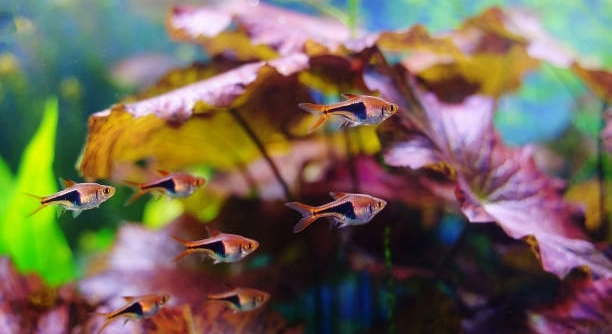
Are your new rasboras taking longer than expected to feel at home in their tank? Many fishkeepers face challenges when introducing these small, active fish to a new environment. Helping them settle quickly can improve their health and behavior.
The key to faster settling for rasboras lies in creating a stable, calm environment. This includes maintaining consistent water parameters, reducing stressors like sudden movements or loud noises, and providing plenty of hiding spots to help them feel secure.
These simple steps can make a big difference in your rasboras’ adjustment period and overall well-being. The following tricks will guide you through effective ways to ease their transition smoothly.
Prepare the Tank Before Arrival
Preparing the tank before introducing rasboras is essential for their comfort. Make sure the water parameters like temperature, pH, and hardness match what these fish prefer. Rasboras thrive in slightly acidic to neutral water, around 74-82°F. Adding live plants and decorations provides natural hiding spots, which reduces their stress. Avoid strong lighting at first, as sudden brightness can startle them. Cycling the tank properly is crucial to prevent ammonia spikes, which are harmful. Also, remove any potential predators or aggressive fish from the tank to create a peaceful environment. Taking these steps before bringing the fish home sets a stable foundation for their quick adaptation.
Preparing the tank in advance minimizes stress and supports the health of your rasboras from the moment they arrive. A well-prepared environment encourages faster acclimation and reduces the risk of illness.
Starting with a clean, stable tank with appropriate conditions is the first step toward helping your rasboras feel safe and secure. This preparation supports their natural behaviors and helps them settle without unnecessary stress.
Acclimate Slowly and Carefully
Slow acclimation helps reduce shock caused by sudden changes in water conditions. When you bring your rasboras home, float their sealed bag in the tank water for 15-20 minutes. This equalizes the temperature inside the bag. Next, open the bag and gradually add small amounts of tank water every 10 minutes over an hour. This allows the fish to adjust to differences in water chemistry slowly. Avoid rushing this process, as sudden changes can cause stress or even death. Proper acclimation improves their immune response and overall well-being.
Taking your time during acclimation can make a significant difference in how quickly your rasboras adjust. Rushing this step risks health problems that could have been avoided.
During acclimation, patience is key. Gradually exposing your rasboras to new water conditions helps them maintain stability in their bodily functions. This careful adjustment prevents shock, reduces stress hormones, and increases their chances of thriving in their new environment. Skipping or shortening this step often leads to prolonged hiding or illness. After acclimation, keep external disturbances to a minimum. Quiet surroundings and minimal handling support their recovery. Monitoring their behavior in the first hours is important. Look for signs of normal swimming and feeding to confirm successful acclimation. Overall, this slow, steady introduction is one of the most effective ways to ensure your rasboras settle comfortably and quickly.
Maintain Stable Water Conditions
Keeping water conditions stable is vital for rasboras to settle quickly. Sudden changes in temperature, pH, or ammonia levels cause stress and weaken their immune system.
Regular water testing helps detect fluctuations early. Perform small, consistent water changes instead of large, infrequent ones. This approach prevents shocks caused by drastic water parameter shifts. Avoid adding new fish or chemicals during the first weeks to maintain stability. Rasboras prefer clean, slightly acidic water with low nitrate levels. Keeping the tank clean and filtered supports their health. Sudden environmental changes disrupt their comfort and can lead to hiding or illness. Stability promotes natural behavior like schooling and feeding. Use a reliable heater and thermometer to monitor temperature. Consistent conditions make it easier for rasboras to adapt and thrive in their new home.
Frequent, careful maintenance ensures the tank environment remains favorable. The longer you keep conditions stable, the faster your rasboras will feel safe and display normal activity. Preventing water spikes reduces stress and promotes quicker adjustment.
Provide Plenty of Hiding Places
Rasboras feel safer with access to hiding spots. Plants, rocks, and decorations create cover and reduce stress from bright lights or sudden movements. Dense planting mimics their natural habitat and encourages natural behaviors. Use live or artificial plants that provide enough shelter but still allow swimming space. Floating plants can diffuse harsh lighting, helping timid fish feel less exposed. Avoid overcrowding hiding spots to prevent territorial disputes. Observing your rasboras using these spaces shows they feel secure. Without hiding places, rasboras may remain stressed and hide excessively, affecting their feeding and health.
Hiding spots are essential for rasboras’ confidence. When they have secure places to retreat, their stress decreases, and their immune system strengthens. This helps them adjust more quickly to new environments and promotes better social interactions within the school. Including varied cover also reduces aggressive behavior by providing territories and escape routes. A well-decorated tank with ample shelter supports their well-being and makes your aquarium more natural and attractive. Maintaining this environment consistently helps keep rasboras calm over time, especially during changes or tank maintenance.
Avoid Overfeeding
Overfeeding can cause water quality to decline quickly, stressing your rasboras. Uneaten food decomposes and raises ammonia levels, which are harmful to fish.
Feed small amounts that your rasboras can finish in a few minutes. Consistent, moderate feeding supports their health and tank cleanliness.
Keep Noise and Vibrations Low
Loud noises and vibrations disturb rasboras and cause stress. Place the tank in a quiet area away from heavy foot traffic or loud appliances. Minimizing sudden sounds helps them stay calm and adapt faster.
Monitor Their Behavior Closely
Watch your rasboras daily for signs of stress, illness, or unusual hiding. Early detection of problems helps you respond quickly to improve their comfort. Normal behavior includes active swimming, schooling, and regular feeding.
Use a Gentle Filtration System
Strong currents can tire out or frighten rasboras. Use a filter with adjustable flow or add decorations to diffuse water movement. Gentle filtration keeps water clean without causing stress.
FAQ
How long does it usually take for rasboras to settle into a new tank?
Rasboras generally take about one to two weeks to fully settle. During this time, they may hide more and eat less. Proper tank preparation and stable conditions can shorten this period. Patience is important, as rushing the process can cause stress and health issues.
What water parameters are best for rasboras?
Ideal water temperature ranges from 74°F to 82°F, with a pH between 6.0 and 7.5. They prefer soft to moderately hard water. Consistency in these parameters is more important than hitting exact numbers, as sudden changes can cause stress.
Can I keep rasboras with other fish?
Yes, rasboras are peaceful and do well with other small, non-aggressive fish. Avoid larger or aggressive species that might intimidate or harm them. Tank mates should share similar water requirements and temperament to reduce stress for all fish.
How often should I feed rasboras?
Feed your rasboras small amounts once or twice daily. Offer foods like high-quality flakes, micro pellets, or live and frozen foods such as daphnia or brine shrimp. Avoid overfeeding to prevent water quality issues.
What are common signs of stress in rasboras?
Stress signs include hiding constantly, loss of appetite, faded colors, erratic swimming, or gasping at the surface. These behaviors often indicate poor water conditions or improper tank setup and should be addressed promptly.
Is it necessary to quarantine new rasboras?
Quarantining new fish is highly recommended to prevent introducing diseases to your main tank. A separate quarantine tank for two weeks allows observation and treatment if needed before adding rasboras to the display tank.
How important are plants for rasboras?
Plants are very important. They provide hiding places, reduce stress, and help maintain water quality by absorbing nitrates. Both live and artificial plants work, but live plants offer additional benefits like oxygenation.
Can rasboras tolerate different lighting conditions?
Rasboras prefer moderate to low lighting, as bright lights can cause stress. Using floating plants or dimming the lights initially helps them adjust. Once settled, they can tolerate normal aquarium lighting better.
What should I do if my rasboras aren’t eating?
If they refuse food, check water quality first. Try offering live or frozen foods to stimulate appetite. Reduce feeding frequency temporarily and ensure they are not stressed by tank conditions or aggressive tank mates.
How big should the tank be for a school of rasboras?
A minimum of 10 gallons is recommended for a small group of six rasboras. Larger tanks provide more swimming space and help maintain stable water conditions, supporting healthier, more active fish.
Helping rasboras settle quickly into a new tank requires attention to several important factors. Creating a stable environment with consistent water conditions is essential. Rasboras are sensitive to sudden changes in temperature, pH, and water quality, so keeping these parameters steady helps reduce stress. Preparing the tank before introducing the fish, including cycling the tank and adding plants and hiding spots, makes a big difference in how comfortable they feel. A calm, well-maintained tank encourages natural behaviors and supports their overall health.
Another key point is the way you introduce rasboras to their new home. Slow acclimation allows them to adjust gradually to the water conditions, preventing shock and helping them maintain their immune strength. Overfeeding or poor tank maintenance can quickly lead to poor water quality, which stresses the fish and slows their adjustment. Limiting noise, vibrations, and sudden movements around the tank also contributes to a calm environment where rasboras can thrive. Observing their behavior closely in the first days helps you spot any signs of stress or illness and respond appropriately.
In summary, the best way to help rasboras settle faster is through careful preparation, steady maintenance, and patience. Providing plenty of hiding places and ensuring gentle water flow creates a secure space for them. Monitoring feeding and water quality regularly supports their health and encourages normal activity. With consistent care and attention, rasboras will adapt more quickly and display their natural, lively behavior. This makes the aquarium experience more enjoyable for both the fish and the keeper.

Hello,
If you enjoy the content that we create, please consider saying a "Thank You!" by leaving a tip.
Every little bit helps us continue crafting quality advice that supports the health, happiness, and well-being of pets around the world, for pets of all shapes, sizes, and species.
We really appreciate the kindness and support that you show us!