
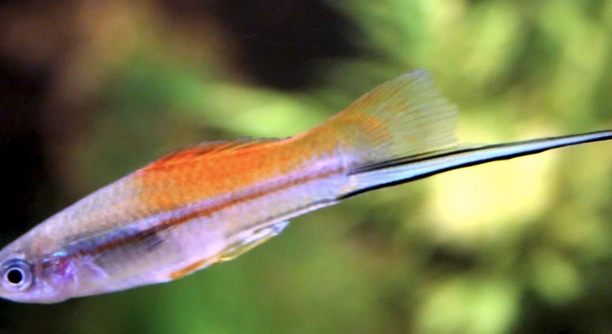
Nervous swordtails can be tricky to manage, but with the right steps, they can become more relaxed. These fish may show signs of stress, especially in unfamiliar environments or under certain conditions. Knowing how to calm them can improve their well-being.
There are several simple ways to reduce stress in nervous swordtails. Maintaining stable water conditions, providing hiding spots, and ensuring a balanced diet are essential. Minimizing disturbances, such as sudden movements or loud noises, can also help your fish feel more secure.
Understanding these calming techniques can help you create a peaceful environment for your swordtails.
Provide a Calm, Stable Environment
Swordtails are sensitive to changes in their environment, so keeping their habitat stable is crucial. Frequent water changes or temperature fluctuations can stress them out. To create a calm setting, ensure the water temperature remains between 72–78°F and the pH level stays balanced. It’s also essential to monitor ammonia, nitrate, and nitrite levels, as poor water quality can contribute to their nervousness.
Water conditioners can help keep the environment stable, reducing stress for your swordtails. Using a good filter will maintain clear water and allow them to swim comfortably. Keeping the tank in a quiet area without sudden loud noises will also reduce the likelihood of startling them. Swordtails are naturally calm fish but can become stressed by erratic environmental factors.
A stable environment goes a long way in reducing the anxiety your swordtails may feel. Their health will improve, and you’ll notice their stress levels decrease with minimal intervention. Consider adding live plants or aquarium décor for additional hiding places to help them feel secure in their tank.
Minimize Disruptions and Handling
Swordtails do not react well to sudden disruptions or being handled. Avoid tapping on the glass or making sudden movements around the tank. These behaviors can startle the fish and increase their stress levels. Instead, maintain a calm presence near the aquarium.
The key to calming nervous swordtails is consistency. Over time, they will become accustomed to a predictable routine. Feed them at the same time every day and avoid overfeeding, which can affect the water quality. If possible, minimize the number of people interacting with the tank. Swordtails are naturally shy and tend to become nervous in bustling environments.
Setting up their aquarium with minimal disruption will allow your swordtails to thrive and settle into a more peaceful state.
Create Hiding Spots
Swordtails feel more secure when they have places to hide. Adding plants, caves, or decorations provides them with safe spots where they can retreat if they feel stressed. Live plants are especially beneficial, as they offer both shelter and help maintain water quality.
Placing decorations that mimic natural environments can help swordtails feel at ease. They prefer areas where they can swim freely but also have the option to hide when needed. Ensure that the tank is not overcrowded, as too many decorations can limit their swimming space. Additionally, giving them room to hide away from tank mates can reduce anxiety.
Consider rearranging the tank occasionally to prevent the fish from feeling trapped in a fixed environment. Swordtails are more likely to relax and exhibit natural behaviors when they feel they have control over their surroundings. This simple addition makes a significant difference in their comfort.
Keep Tank Mates Compatible
Swordtails are generally peaceful but can get stressed when housed with aggressive or overly active tank mates. It’s best to keep them with other calm species to ensure they feel safe. Avoid keeping them with fin-nipping fish or overly territorial species.
When choosing tank mates for your swordtails, consider the fish’s temperament and activity level. Ideal companions include peaceful fish like tetras, guppies, or peaceful bottom dwellers like catfish. Avoid aggressive fish, such as cichlids, which may chase or nip at swordtails. Overcrowding is another issue that can stress your swordtails, as they need room to swim comfortably.
By carefully selecting tank mates, you create an environment where your swordtails can feel secure and thrive. Compatibility is key to a peaceful aquarium, and with the right fish, your swordtails will be less stressed and more relaxed.
Maintain Consistent Feeding
Swordtails can become stressed if their feeding schedule is inconsistent. Feed them at the same time each day to create a sense of routine. This not only helps with their comfort but also ensures they receive the right amount of food for their health.
Overfeeding can lead to poor water quality and stress for your swordtails. Stick to a feeding schedule that prevents excess food from decaying in the tank. Aim for small, frequent meals rather than one large meal, which can disrupt their digestion and increase their anxiety.
By maintaining a consistent feeding routine, your swordtails will feel more secure and less nervous, contributing to their overall health and happiness.
Adjust Lighting Carefully
Swordtails may become stressed by sudden changes in lighting. Keeping the light levels consistent throughout the day will help them feel more at ease. Avoid turning the lights on and off abruptly, as it can cause unnecessary stress.
The best approach is to simulate a natural day-night cycle. A timer can be helpful in providing consistent lighting. Swordtails thrive in moderate lighting, so avoid overly bright lights, which can make them uneasy. If your tank receives a lot of direct sunlight, consider adjusting the placement of the aquarium to maintain a calm environment for your fish.
Proper lighting will help regulate your swordtail’s behavior, keeping them calm and comfortable in their home.
Check Water Quality Regularly
Swordtails are very sensitive to water quality, and poor conditions can lead to stress. Regularly testing your water for ammonia, nitrite, nitrate, and pH levels is essential to keeping your fish calm and healthy.
Water changes should be done regularly, ideally 25% to 30% of the tank volume every two weeks. Make sure the water temperature is consistent and falls within the ideal range for swordtails (72-78°F). Maintaining high water quality prevents infections and stress, which could cause them to become overly nervous or sick.
Ensuring your swordtail’s environment is always clean will help them stay calm and thrive in their tank.
FAQ
How can I tell if my swordtail is stressed?
Swordtails show several signs when they are stressed. Common indicators include erratic swimming, hiding more than usual, loss of color, or rapid gill movement. They may also refuse food or become more aggressive towards tank mates. Observing their behavior closely will help you identify when they are stressed.
A stressed swordtail may also exhibit signs like clamped fins or constant darting around the tank. These behaviors often indicate that something in their environment is causing discomfort, whether it’s water quality, tank mates, or sudden changes in the tank setup. It’s important to address stress quickly to prevent long-term harm.
What is the ideal tank size for swordtails?
Swordtails need enough space to swim comfortably, so a minimum of a 20-gallon tank is recommended for a small group of swordtails. A larger tank is better if you plan to keep more than a few fish or want to add tank mates.
In a well-sized tank, swordtails will have space to explore and hide when necessary. Overcrowding leads to increased stress and poor water quality. A 20-gallon tank allows for at least three swordtails with a few other peaceful fish. The extra space gives them room to swim freely and reduces competition for food.
Can swordtails live with other fish?
Yes, swordtails can live with a variety of other fish, but compatibility is key. They are peaceful but may become stressed if housed with overly aggressive or territorial species. Good tank mates include guppies, tetras, and peaceful catfish.
When selecting companions, avoid fin-nipping or highly territorial species like cichlids. Swordtails are also best kept in a tank that’s not overcrowded. Ensure all fish have plenty of swimming space and places to hide, so they don’t feel threatened. With the right tank mates, swordtails will coexist peacefully.
How often should I feed my swordtails?
Feed swordtails once or twice a day. Give them small amounts of food to avoid overfeeding, which can pollute the water and increase stress. Swordtails thrive on a varied diet of high-quality flake food, live or frozen foods, and vegetable matter like blanched spinach.
Offering food in smaller portions helps prevent excess food from decaying in the tank. Only feed what they can consume in a few minutes. Overfeeding leads to poor water quality, which contributes to stress. A routine feeding schedule also helps them feel secure and less anxious.
What is the best water temperature for swordtails?
Swordtails thrive in water temperatures between 72-78°F (22-26°C). Keeping the water within this range ensures they remain comfortable and less stressed. Sudden temperature fluctuations can cause distress, so try to maintain a steady temperature.
A heater is useful to regulate temperature in the tank, especially in cooler environments. Make sure the water temperature is checked regularly with a reliable thermometer. Consistent and stable temperature conditions help swordtails feel at ease, reducing their stress levels.
How can I make sure my swordtails stay healthy?
To keep swordtails healthy, maintain proper water quality, feed them a balanced diet, and provide a stress-free environment. Regular water changes, a varied diet, and avoiding overcrowding are essential. Keep tank mates compatible to prevent aggression or competition.
Additionally, check for any signs of illness like unusual swimming patterns, skin lesions, or faded colors. If you notice these signs, address them promptly. Providing a stable environment with proper lighting, hiding spots, and water conditions will help your swordtails thrive long-term. Regular maintenance of the tank setup ensures their continued health.
Why is my swordtail losing color?
Swordtails can lose color due to stress, poor water quality, or illness. If the water conditions are not ideal, they may lose their vibrant colors as a sign of distress. Overcrowding or aggressive tank mates can also lead to color fading.
To help restore their color, improve the water quality by performing a water change and ensuring stable conditions. Reducing stress by providing hiding places and keeping compatible tank mates can also help. Feeding a varied diet that includes live foods may boost their color and overall health.
How can I reduce stress for my swordtail?
To reduce stress, focus on providing a stable and calm environment. Regular water changes, a varied diet, and avoiding sudden changes in the tank setup can help. Make sure to offer hiding spots and compatible tank mates to ensure your swordtail feels safe.
Minimize loud noises or disturbances near the tank, and keep the tank in a quiet area. Consistent lighting and feeding routines also contribute to reducing stress. By focusing on the fish’s environment and routine, you can help swordtails feel more secure and comfortable.
Can swordtails live in cold water?
Swordtails prefer tropical conditions and should not be kept in cold water. Temperatures below 72°F (22°C) can cause stress and health problems. A stable, warm water temperature between 72-78°F (22-26°C) is crucial for their well-being.
If you live in a cooler climate, consider using a heater to maintain the appropriate water temperature. Keeping swordtails in cold water can weaken their immune system and make them more susceptible to disease. A consistent temperature range is important to ensure they remain healthy and calm.
What do swordtails need to feel secure in their tank?
Swordtails need a tank with stable water conditions, hiding spots, and compatible tank mates to feel secure. A calm and peaceful environment helps reduce their stress levels. Adding plants and decorations creates hiding spots, which is essential for their well-being.
Consistent feeding times and water changes are important to keep them comfortable. Avoid sudden changes in their environment, as these can cause anxiety. Providing a tank that allows them to retreat when needed will give your swordtails a sense of security and reduce stress.
Final Thoughts
Swordtails are resilient and adaptable fish, but they can experience stress if their environment isn’t properly maintained. By focusing on key factors like water quality, a stable feeding schedule, and maintaining a peaceful tank environment, you can greatly reduce the chances of your swordtails becoming stressed. These small adjustments can make a big difference in their overall well-being, and will help them thrive in a calm, safe space. With proper care, swordtails are not only beautiful to look at, but also become more active and content.
It’s important to regularly check your tank’s water parameters, such as pH, ammonia, and temperature, to avoid sudden changes that could trigger stress. Swordtails rely heavily on their environment to stay healthy, and keeping their water clean and at the right temperature is essential. Additionally, providing plenty of hiding spots and choosing tank mates carefully can help maintain a peaceful atmosphere. Swordtails are social fish but thrive best when they aren’t constantly harassed by other tank members. The more secure they feel, the less likely they are to show signs of stress.
In the end, managing a swordtail’s environment requires attention to detail and a little patience. Regularly observing their behavior will help you catch any issues early. If you notice signs of stress, it’s important to act quickly and address the underlying cause. Creating a consistent, stable habitat for your swordtails will ensure that they remain calm and healthy for years to come. By prioritizing their needs and maintaining a positive environment, you’ll enjoy the beauty and joy these wonderful fish bring to your aquarium.

Hello,
If you enjoy the content that we create, please consider saying a "Thank You!" by leaving a tip.
Every little bit helps us continue crafting quality advice that supports the health, happiness, and well-being of pets around the world, for pets of all shapes, sizes, and species.
We really appreciate the kindness and support that you show us!