
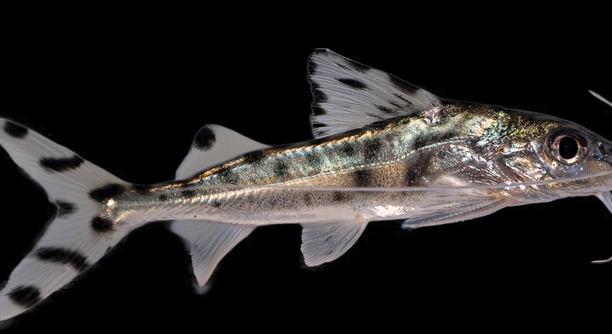
Pictus catfish are popular freshwater fish known for their active and social nature. Many aquarium owners enjoy their lively behavior but may not know all the interesting traits these fish display. This article shares some lesser-known facts about their habits.
Pictus catfish exhibit complex social interactions, including schooling behavior and specific communication through body movements and fin displays. They are nocturnal yet active swimmers during the day, showing unique responses to environmental changes and tank mates.
These insights help deepen understanding of pictus catfish behavior and improve care for these engaging fish.
Social Behavior and Schooling Habits
Pictus catfish are known to be social creatures that thrive in groups. They naturally form schools, which helps them feel secure and confident in their environment. When kept alone, these fish may become shy or stressed, making their behavior less lively. Schooling also encourages more natural movement and interaction, which is interesting to observe. These catfish communicate through subtle body language, like fin flicks and tail movements, to signal alertness or comfort. Their active swimming patterns often involve chasing each other gently or exploring the tank together. Providing hiding spots and plenty of swimming space can support these behaviors and reduce stress. Observing their social interactions gives insight into their needs and how to create a more suitable environment in your aquarium. Maintaining a proper group size of at least five helps them stay healthy and happy.
In groups, pictus catfish exhibit more natural and confident behavior. Their schooling habits help reduce stress and encourage activity.
Creating a tank environment that supports social interaction improves their well-being. Offering plants, rocks, and open swimming space allows these fish to express their natural schooling behavior more comfortably. Avoid overcrowding, as this can lead to competition and stress. Regular observation can help detect any changes in social dynamics, signaling health or environmental issues early.
Nocturnal Activity and Feeding Patterns
Pictus catfish are mostly nocturnal, meaning they are most active during the night. This behavior is linked to their feeding habits, as they naturally hunt for food when it is dark. During the day, they tend to rest or stay hidden among plants or decorations in the tank. Offering food in the evening or at night aligns well with their natural rhythm, ensuring better feeding and less competition with other fish.
At night, pictus catfish become energetic hunters, exploring the tank and searching for food.
Because of their nocturnal nature, feeding them in the late afternoon or early evening works best. They prefer live or sinking foods like bloodworms or pellets that reach the bottom where they feed. During the day, they may be less interested in food but still swim actively at times. Their nocturnal activity also helps reduce stress from daytime tank mates. It is important to create a calm, dim environment in the tank during the night to support their natural behaviors. This schedule can improve their health and make their behavior easier to observe.
Communication Through Body Language
Pictus catfish use subtle body movements to communicate with each other. Fin flicks, tail swishes, and changes in swimming speed signal different messages within their group.
These gestures help them establish social order and avoid conflicts. For example, a quick fin flick may warn others to keep distance, while slow swimming often means calmness or contentment. Observing these signals gives clues about their mood and group dynamics. Understanding this communication helps aquarists respond appropriately to their needs.
Their body language also plays a role during feeding and exploration. When they feel safe, pictus catfish display more relaxed movements and swim confidently. If stressed, their fins may clamp close, and they might hide more often.
Response to Environmental Changes
Pictus catfish quickly react to shifts in water conditions, lighting, and tank decorations. Sudden changes can cause stress or unusual behavior. They prefer stable environments with consistent temperature and water quality.
When the environment is optimal, these catfish show lively swimming and active social behavior. Poor water conditions, such as high nitrate levels or incorrect pH, can lead to sluggishness or hiding. Adjusting lighting gradually rather than suddenly helps reduce stress. Adding new plants or rearranging decorations should be done carefully to avoid upsetting their routine. Monitoring water parameters regularly and keeping changes minimal encourages healthy behavior. This sensitivity to their environment makes maintaining tank stability important for their well-being.
Interaction with Tank Mates
Pictus catfish generally get along well with other peaceful fish. They avoid aggressive or overly territorial species. Their active nature can encourage interaction without causing stress.
Choosing compatible tank mates helps maintain a calm environment. Avoid small fish that might be mistaken for food.
Breathing Behavior and Adaptations
Pictus catfish have adapted to breathe both through their gills and by gulping air from the surface. This ability allows them to survive in low-oxygen environments where other fish might struggle. Their swim bladder functions as a lung, making them more resilient in varying tank conditions. This adaptation also explains why they often swim near the water surface, especially if oxygen levels drop. Understanding this behavior helps in maintaining proper aeration and water quality to support their health.
Nighttime Resting Spots
Pictus catfish prefer hiding in shaded areas or under decorations during rest. These spots offer security and comfort.
FAQ
How many pictus catfish should be kept together?
Pictus catfish are social fish that do best in groups of at least five. Keeping fewer can cause them to feel stressed or shy. Larger groups allow for natural schooling behavior, which helps them feel secure and active.
What is the best diet for pictus catfish?
They prefer a diet of sinking pellets, frozen or live foods like bloodworms and brine shrimp. Because they feed near the bottom, food that sinks quickly is ideal. Feeding them twice a day in small amounts keeps them healthy and active.
Why do pictus catfish swim near the surface?
These fish can breathe air using their swim bladder, especially when oxygen levels are low. Swimming near the surface allows them to gulp air to supplement their gill breathing. Good aeration in the tank helps reduce this behavior.
Are pictus catfish aggressive?
Pictus catfish are generally peaceful but may chase tank mates briefly while schooling or during feeding. They do not show true aggression but should not be kept with very small fish, as those might be mistaken for food.
What tank size is suitable for pictus catfish?
A minimum tank size of 30 gallons is recommended for a small group of pictus catfish. They are active swimmers and need plenty of space to move freely. Larger tanks provide better conditions for schooling and reduce stress.
How can I tell if my pictus catfish is stressed?
Signs of stress include hiding excessively, clamped fins, loss of appetite, or sluggish swimming. Sudden changes in water quality, temperature, or tank setup often cause stress. Regular monitoring and maintaining stable conditions prevent these issues.
Do pictus catfish need special tank decorations?
Providing hiding spots like plants, rocks, or caves is important. These offer security and reduce stress. However, the tank should also have open swimming areas since they are active fish. Balancing decorations and free space helps them thrive.
Can pictus catfish live with other catfish species?
They usually coexist well with other peaceful catfish like Corydoras. Avoid keeping them with aggressive or territorial species to prevent conflicts. Compatibility depends on the temperament and size of the other catfish.
How often should I clean the tank for pictus catfish?
Regular water changes of 20-25% weekly are recommended. Good filtration and cleaning help maintain water quality, which is critical for their health. Pictus catfish are sensitive to poor water conditions, so keeping the tank clean prevents illness.
Why do pictus catfish sometimes dart around suddenly?
Sudden darting can be a natural reaction to changes in the environment or perceived threats. It is part of their alertness and social signaling. Frequent darting with no clear cause may indicate stress or poor water quality.
Final thoughts on pictus catfish behavior highlight how these fish are both interesting and relatively easy to care for when their needs are met. Their social nature means they thrive best in groups, where their natural schooling behavior helps reduce stress and encourage activity. Observing their interactions can reveal much about their mood and health. Knowing that they communicate through body language allows aquarists to better understand their signals and respond appropriately. This makes caring for pictus catfish more rewarding and less challenging.
Another important aspect is their nocturnal activity and unique breathing adaptations. Pictus catfish are most active during the night, so feeding them in the evening supports their natural rhythms. Their ability to gulp air from the surface helps them survive in less oxygenated water but also means good aeration and water quality are essential. Providing a tank environment that respects these needs—such as stable water parameters, hiding places, and open swimming areas—encourages healthy behavior and longevity. Attention to these details improves both their quality of life and the enjoyment of watching them.
Lastly, being mindful of tank mates and environmental changes plays a key role in their well-being. These catfish get along well with peaceful species but should not be housed with aggressive or very small fish. Sudden changes in lighting, water chemistry, or tank layout can cause stress, so any adjustments should be gradual and carefully monitored. Maintaining a clean tank with regular water changes is also vital because pictus catfish are sensitive to poor conditions. With consistent care and understanding, these fish can live happily and display their fascinating behaviors for many years.

Hello,
If you enjoy the content that we create, please consider saying a "Thank You!" by leaving a tip.
Every little bit helps us continue crafting quality advice that supports the health, happiness, and well-being of pets around the world, for pets of all shapes, sizes, and species.
We really appreciate the kindness and support that you show us!