
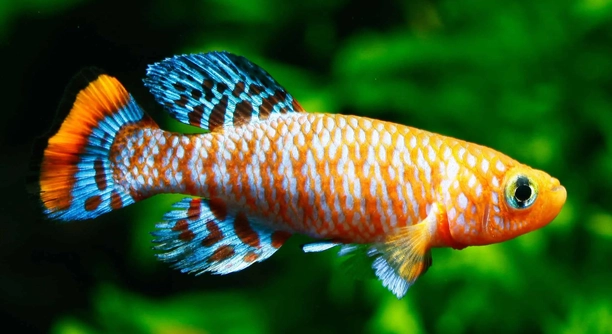
Killifish are small, colorful fish often found in freshwater habitats around the world. Many people keep them as pets or study them for their unique traits. They have interesting behaviors and survival strategies that are not widely known.
Killifish possess remarkable adaptations, including the ability to survive dry seasons by laying drought-resistant eggs, display vibrant coloration for mating, and occupy diverse habitats from temporary pools to permanent waters. These traits make them unique among freshwater fish.
There is much more to learn about killifish beyond their appearance. Their unusual life cycles and behaviors reveal fascinating details worth exploring further.
Killifish Eggs Can Survive Dry Periods
Killifish live in places where water sometimes disappears for months. To survive, female killifish lay eggs that can stay dry and still grow when the water returns. These eggs have a special protective layer that stops them from drying out completely. When the rain comes and pools fill with water again, the eggs hatch, and new fish appear. This ability allows killifish to live in temporary habitats other fish cannot survive in. The eggs’ resilience is a rare trait among fish and helps maintain their populations despite harsh environmental changes. This adaptation shows how killifish have evolved to handle extreme conditions in their habitats.
The eggs’ drought resistance is a key reason killifish are found in such varied environments. This trait makes them unique and interesting to study.
Understanding how killifish eggs survive dry seasons helps us appreciate their resilience and survival tactics. It also shows why they are important in fragile ecosystems that experience fluctuating water levels.
Vibrant Colors Signal Mating Readiness
Killifish use bright colors to attract mates.
Male killifish display vivid patterns and hues when ready to breed. These colors signal health and strength to females. The brighter the colors, the more likely the male is to attract a mate. This visual cue plays a major role in killifish reproduction. Color patterns vary widely among species, with some showing bold stripes and others shimmering scales. Females often choose mates based on the intensity and quality of these colors, which indicate genetic fitness. This natural selection helps keep killifish populations strong and diverse. The colors also serve as warnings to rivals, reducing fights and conserving energy. Killifish color changes can be influenced by environmental factors like water clarity and light, affecting mating success. Their ability to change and display colors dynamically makes their behavior fascinating to observe.
Killifish Have Short Lifespans
Most killifish live for only one to two years.
Their short lifespan is linked to the temporary nature of their habitats. Since many killifish live in pools that dry up seasonally, they must grow, reproduce, and lay eggs quickly. This fast life cycle helps ensure their species continues even when their environment changes rapidly. Their quick maturity means they are constantly focused on breeding to keep the population stable. Despite their brief lives, killifish develop bright colors and interesting behaviors rapidly, making their short time active and vibrant.
Because of their lifespan, killifish are often used in scientific studies about aging and development. Their quick growth allows researchers to observe life stages in a short time.
Killifish Can Live in Harsh Environments
Killifish survive in places where other fish cannot live.
They tolerate low oxygen levels and dirty water better than many species. This tolerance helps them thrive in ponds, swamps, and temporary pools that often have tough conditions. Some killifish live in areas with extreme temperature changes, showing they are adaptable to different climates. Their resilience means they can be found in diverse environments, from Africa to South America. This ability to handle rough living conditions makes them important in ecosystems where few other fish survive. Their hardiness also makes them interesting pets for people who want low-maintenance fish. Killifish offer a glimpse into survival strategies that work in challenging waters.
Killifish Are Not Strong Swimmers
Killifish tend to stay near the water surface and don’t swim long distances.
They rely more on quick bursts of speed than endurance swimming. This helps them avoid predators in their small habitats.
Killifish Display Unique Breeding Behaviors
Many killifish species lay their eggs in mud or peat. Males often guard the eggs to protect them from harm. Some species build bubble nests to keep eggs safe. The breeding habits vary widely but are always adapted to their environment. These behaviors increase the chances that eggs will survive until hatching, especially in temporary pools where conditions can change quickly. Observing their breeding strategies reveals how well killifish are suited to their surroundings.
Killifish Can Change Colors
They shift colors depending on mood, health, or environment.
What do killifish eat?
Killifish mostly eat small insects, larvae, and tiny crustaceans. In the wild, they pick food from the water surface or plants. Some species also eat algae and detritus. In captivity, they can be fed flakes, frozen or live foods like brine shrimp and bloodworms. Their diet needs to be varied to keep them healthy and colorful. Proper nutrition helps killifish grow fast and reproduce successfully.
How do killifish survive in dry seasons?
Killifish survive dry periods through their eggs. The eggs can resist drying out and stay dormant in the mud until rain returns. Once water comes back, the eggs hatch, and the new fish grow quickly. This cycle allows killifish to live in temporary ponds that dry up regularly. Without this ability, they wouldn’t survive where other fish can’t.
Are killifish easy to keep as pets?
Killifish can be kept as pets, but they require some care. They need clean water, appropriate temperature, and a diet of live or frozen foods. Many species prefer low water flow and planted tanks. Because of their short lifespan, they may need replacing every year or two. They are interesting pets for people who like small, colorful fish with unique behaviors.
How long do killifish live?
Killifish usually live between one and two years. Their short life is linked to their natural habitats, which often dry out. They grow quickly, mature fast, and reproduce within a few months. This fast life cycle helps keep their populations stable despite the challenges they face.
Can killifish live with other fish?
Killifish can live with some peaceful fish, but they may not do well with aggressive species. Because they are small and can be shy, aggressive tankmates might stress or harm them. It’s best to choose calm, similar-sized fish or keep killifish in species-only tanks to avoid conflicts.
Why do killifish change colors?
Killifish change colors due to mood, health, or breeding readiness. Males often brighten their colors to attract females during mating. Stress or illness can cause dulling or fading of colors. Environmental factors like water quality and light also affect how vibrant they appear.
Do killifish require special water conditions?
Many killifish prefer soft, slightly acidic water, but some species adapt to harder or neutral water. Because they come from varied habitats, their needs can differ. It’s important to research the specific species to provide the right water conditions. Regular water changes and stable parameters help keep them healthy.
What is the difference between annual and non-annual killifish?
Annual killifish live in temporary waters and lay drought-resistant eggs that survive dry seasons. Their life cycle is fast, completing within a year. Non-annual killifish live in more stable waters and do not rely on eggs surviving dry periods. They generally have longer lifespans and different breeding habits.
Why are killifish important in their ecosystems?
Killifish help control insect populations by eating larvae and small bugs. They serve as food for larger animals, contributing to the food chain. Their ability to live in harsh conditions means they fill ecological roles where few fish can survive. This balance supports healthy aquatic environments.
Can killifish breed in home aquariums?
Yes, killifish can breed in home tanks if their environment is suitable. They often need soft, clean water and places to lay eggs like peat moss or fine plants. Some species require specific temperature changes to trigger spawning. With the right care, breeding killifish at home is possible and rewarding.
Are killifish good for beginner fish keepers?
Killifish are not always the best choice for beginners. They need particular care, including diet, water conditions, and tank setup. Their short lifespan and breeding requirements can also be challenging. However, those willing to learn can enjoy their unique behaviors and colors.
How do killifish protect themselves from predators?
Killifish rely on quick swimming bursts and hiding in plants or mud to avoid predators. Their small size and ability to stay near the surface help them stay alert. Bright colors may also warn rivals or confuse predators. Their short lifespan means they focus heavily on reproduction before dangers take them.
Killifish are truly fascinating creatures with many unique traits that help them survive in challenging environments. Their ability to lay drought-resistant eggs allows them to live in places where water comes and goes, which is rare among fish. This special adaptation ensures that even when their habitats dry up, their species continues. Killifish also have bright colors and interesting behaviors that make them stand out. Despite their small size and short lifespan, they have an important role in their ecosystems by helping control insects and serving as food for other animals. Learning about killifish shows how nature can adapt in surprising ways.
These fish have a simple yet effective life strategy. They grow quickly, reproduce fast, and adapt to tough conditions. Their short lifespan means they must make the most of their time. Killifish are also known for their vibrant colors, which play a key role in mating and communication. Their color changes can reflect their health and mood, making them even more interesting to observe. For people who keep fish as pets, killifish offer something different from common aquarium fish. However, they require special care and attention to thrive, especially regarding water quality and diet.
Understanding killifish helps us appreciate how life finds a way in difficult places. Their survival methods and behaviors provide insight into nature’s resilience and creativity. Whether in the wild or in an aquarium, killifish teach us about adaptation, quick growth, and the importance of protecting delicate habitats. They may be small, but killifish hold a big place in the balance of aquatic life. For anyone interested in unique fish or environmental biology, killifish offer many lessons worth learning.

Hello,
If you enjoy the content that we create, please consider saying a "Thank You!" by leaving a tip.
Every little bit helps us continue crafting quality advice that supports the health, happiness, and well-being of pets around the world, for pets of all shapes, sizes, and species.
We really appreciate the kindness and support that you show us!