
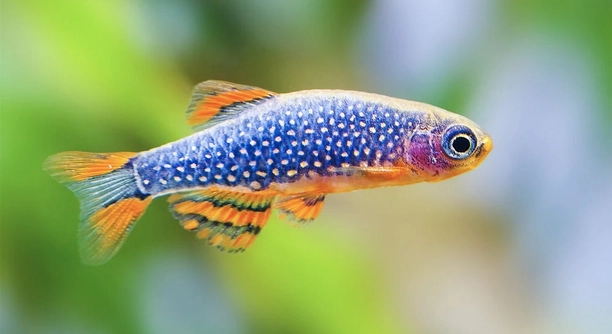
Do you ever notice your danios swimming together yet showing small differences that set them apart? These little variations can be interesting, especially when observing their colors, patterns, and behavior in your home aquarium.
Sibling danios, while similar in size and shape, display subtle differences in stripe patterns, coloration intensity, fin shape, swimming habits, and social behavior. Recognizing these distinctions allows aquarists to better understand species traits and provide appropriate care for each individual.
Even small changes can reveal a lot about your fish. Knowing these differences helps improve their environment and enriches your aquarium experience.
Stripe Patterns
Some sibling danios show subtle differences in their stripe patterns. One may have a solid, bold stripe running from head to tail, while another’s stripe could be broken or slightly faded. These variations are more noticeable under bright light or in a clear tank. Stripe differences can help identify individuals when observing group behavior. Sometimes the stripe may appear thicker near the head or thinner along the tail. Even minor changes in stripe continuity can make each fish look unique. When new danios are added to an aquarium, stripe patterns are a reliable visual cue to distinguish them. Watching these differences over time can reveal how patterns might shift slightly as fish grow. These small variations don’t affect health but contribute to the overall appearance and dynamic of the tank. Paying attention to stripe patterns can also make feeding and monitoring easier, as it becomes simpler to track individual fish and their activity.
Stripe patterns serve as one of the primary visual markers for identifying sibling danios, helping aquarists monitor individual behavior and growth over time.
Understanding stripe patterns can improve tank organization. Noting which fish has which pattern also helps during feeding, ensuring all fish are seen and none are left out. Observing these patterns adds a small layer of enjoyment to daily care, making routine maintenance feel more interactive.
Color Variation
Even siblings from the same batch may show differences in color intensity. Some danios are brighter, with vivid blues or golds, while others appear paler. These differences can change slightly with mood, stress, or tank conditions, making observation over time important.
Color differences are influenced by genetics, diet, and lighting. Providing high-quality food rich in carotenoids can enhance natural coloration. Tank lighting also affects how colors appear, so using consistent light helps track true color differences. Environmental stress, such as overcrowding or sudden water changes, can temporarily dull a danio’s colors. Siblings may develop slightly different hues as they grow, with males often showing more intense shades than females. Recognizing these variations can help when pairing fish for breeding or arranging tank groups for visual appeal. While colors might seem minor, they reflect underlying health and vitality. Regular observation helps ensure your danios maintain both their brightness and overall well-being, allowing you to notice early signs of stress or illness. Adjusting diet, maintaining clean water, and avoiding sudden environmental changes support optimal coloration, making each fish look its best naturally.
Fin Shape
Sibling danios often show small differences in fin shape. Some have slightly longer dorsal or tail fins, while others display more rounded or compact fins. These variations can affect swimming style and overall appearance, making each fish look distinct even among siblings.
Fins serve both functional and aesthetic roles. A danio with longer fins may glide more gracefully and make turns appear smoother, while those with shorter fins can dart quickly and change direction sharply. Observing these differences is helpful when monitoring activity levels or social interactions. Minor irregularities, like slightly split or uneven fins, usually do not indicate health problems but are simply natural variations among siblings. Some fins may develop asymmetrically as fish grow, which is normal. Noticing these details helps track individual growth and can make feeding and maintenance routines easier. Differences in fin shape also add subtle visual variety, enhancing the dynamic look of a group of sibling danios.
Fin shape impacts swimming efficiency and how fish interact. Longer fins can make movements appear elegant, while shorter fins may give a more active impression. Being aware of these traits helps in planning tank layout and ensuring all fish can move comfortably.
Swimming Behavior
Sibling danios sometimes display unique swimming patterns. Some are more active, exploring the entire tank, while others prefer staying near plants or the bottom. These habits influence feeding and interactions with other fish.
Differences in swimming behavior are influenced by personality, health, and environmental factors. Active danios often take the lead in chasing food or investigating new decorations, while calmer individuals may linger and watch. Tracking these patterns helps ensure all fish are eating properly and not stressed by overly dominant siblings. Observing who prefers open water versus sheltered spots can also indicate comfort levels. Over time, these tendencies may shift as fish mature or adjust to tank conditions. Behavior differences, though subtle, reveal a lot about each danio’s preferences and natural instincts. Recognizing these distinctions makes daily care more effective, as adjustments in feeding or tank arrangement can accommodate varying activity levels.
Social dynamics form around swimming habits. Some fish establish territories or preferred zones, while others adapt to avoid competition. Understanding these behaviors helps maintain a balanced and harmonious aquarium environment.
Size Differences
Sibling danios may grow at slightly different rates. One fish might reach full size faster, while another remains smaller even when fully mature. These variations are normal and usually linked to genetics and metabolism.
Growth differences do not necessarily indicate health issues. Smaller danios can thrive just as well as larger ones if provided with proper nutrition and tank conditions. Monitoring size helps ensure all fish receive enough food and are not stressed by more dominant tank mates.
Eye Color
Some sibling danios show subtle variations in eye color. Eyes can appear slightly darker, lighter, or have a faint reflective quality depending on genetics and lighting. Observing these differences helps identify individual fish.
Body Shape
Sibling danios can vary in body shape. Some appear more elongated, while others are slightly stockier. These differences are generally subtle but noticeable when observing a group together. Body shape can influence swimming style, feeding, and how each fish interacts with tank mates.
Scale Shine
Danios sometimes differ in how shiny their scales appear. Some have a more reflective, metallic look, while others are matte. Scale shine can highlight differences in overall coloration and add visual variety to the aquarium.
FAQ
How can I tell sibling danios apart easily?
The easiest way is to focus on small visual differences like stripe patterns, fin shapes, and coloration. Observing each fish over time helps you remember individual traits. Even subtle distinctions, such as a slightly thicker stripe or a shinier scale, make identification easier.
Do size differences affect their behavior?
Yes, size can influence how danios interact. Larger fish may dominate during feeding or chase smaller siblings around the tank. Smaller fish often stay near plants or hiding spots. These differences are normal and usually don’t harm their health, as long as all fish have access to food.
Why do some siblings swim more actively than others?
Activity levels are influenced by personality and comfort with the tank environment. Some danios are naturally more curious and explore open areas, while others prefer staying near the bottom or plants. Observing these behaviors helps ensure feeding and tank setup meet each fish’s needs.
Can fin shape indicate health problems?
Minor fin differences are usually just natural variation. Long, short, rounded, or slightly uneven fins are normal among siblings. Only look for signs like torn fins, discoloration, or clamped fins, which may indicate stress or disease. Regular observation keeps your fish healthy and thriving.
Does diet affect color differences among siblings?
Yes, diet has a noticeable effect on coloration. Foods rich in carotenoids, like certain flakes or frozen foods, enhance brightness. Color differences are also genetic, but proper nutrition ensures each danio displays its best natural hues and maintains overall health.
Do sibling danios prefer certain tank zones?
Behavior often dictates where each fish spends its time. Active danios swim in open water, while calmer ones stay near decorations or plants. Providing multiple hiding spots and swimming areas ensures all fish feel secure and reduces stress from territorial or dominant siblings.
Will scale shine change over time?
Scale shine can vary slightly as fish mature or with tank conditions. Healthy water and a balanced diet maintain metallic or reflective qualities. Dull scales may indicate stress, illness, or poor water quality, so monitoring shine helps track overall fish health.
Are there gender differences among siblings that affect appearance?
Yes, males often have more intense colors and longer fins, while females are usually paler and rounder-bodied. Recognizing gender differences helps when planning breeding or creating a balanced group, ensuring both visual appeal and proper social dynamics.
Should I separate siblings that show aggressive behavior?
Not always. Some chasing is natural, but persistent bullying or nipping can stress smaller fish. If aggression is frequent, consider adding more hiding spots or rearranging the tank. Separation is only necessary if one fish is clearly at risk of injury.
Do environmental changes affect sibling differences?
Yes, changes in lighting, water temperature, or tank setup can influence color, activity, and stress levels. Stable conditions allow natural traits to show consistently, while sudden changes may temporarily dull colors or alter behavior. Monitoring responses ensures each danio remains healthy.
How often should I monitor sibling differences?
Daily observation is helpful, even briefly. Noticing changes in color, fin condition, activity, or social behavior allows for early adjustments in diet, tank setup, or water quality. Tracking differences makes it easier to maintain a harmonious tank and enjoy the unique traits of each sibling.
Can genetics cause siblings to look very different?
Absolutely. Even in the same batch, siblings can have noticeable differences in stripe pattern, color intensity, fin shape, and size. These variations are inherited and completely normal, highlighting the diversity present even within closely related fish.
Are subtle differences in swimming patterns important?
Yes, swimming patterns reveal personality and comfort levels. Some danios are bold explorers, while others are cautious. Recognizing these patterns helps ensure proper feeding, reduces stress, and allows you to design a tank that accommodates different activity levels.
Do water quality and tank maintenance influence appearance?
Maintaining clean, well-filtered water directly affects color, fin condition, and scale shine. Regular water changes and monitoring parameters like temperature, pH, and ammonia keep danios healthy and allow their natural traits to remain visible. Poor conditions can mask differences and cause stress.
How do I track individual siblings effectively?
Focusing on visual traits like stripe patterns, fin shapes, and color intensity works well. Taking notes or photographs can help, especially in larger groups. This allows you to monitor growth, behavior, and health for each fish, making care easier and more rewarding.
Can siblings have different lifespans?
Yes, small differences in genetics, diet, and stress levels can lead to variations in longevity. Providing optimal care, balanced nutrition, and a stable environment helps ensure all siblings reach their full potential lifespan. Monitoring subtle differences supports long-term health.
Is it normal for siblings to change traits as they grow?
Some traits like color intensity, fin length, and body shape can shift as fish mature. Growth, diet, and environmental conditions influence these changes. Observing them over time helps you understand natural development and maintain their health.
Does tank size affect sibling differences?
Yes, larger tanks allow more space for individual behavior, reducing stress and dominance issues. Smaller tanks can accentuate differences in activity, swimming patterns, and feeding. Ensuring enough space helps each sibling display its natural traits comfortably.
Can siblings from the same batch have different stress responses?
Yes, even closely related fish react differently to changes in water, tank mates, or environment. Some are resilient, while others are more sensitive. Recognizing these responses helps prevent stress-related illness and allows adjustments to maintain harmony.
How do I enhance the appearance of each sibling without affecting others?
Providing a balanced diet, consistent water conditions, and appropriate lighting helps all siblings thrive. Adjustments like adding hiding spots or varying enrichment allow individual fish to express their unique traits while maintaining overall group health and activity levels.
Observing sibling danios can be surprisingly rewarding. Even though they come from the same batch, each fish can look and behave a little differently. These differences may include stripe patterns, color intensity, fin shape, size, and swimming habits. Paying attention to these traits makes it easier to identify each fish and notice changes over time. Noticing such small distinctions also helps you provide better care. For example, a more active danio might need more space to swim freely, while a calmer one may appreciate extra hiding spots. Recognizing their individual personalities allows you to create a tank environment that meets the needs of every fish, reducing stress and promoting healthier behavior. It is also enjoyable to watch their subtle differences and see how each one develops as they grow. Over time, these small observations can make maintaining a tank more engaging and satisfying.
Understanding the variations among siblings is also important for health monitoring. Differences in size or color are usually normal, but sudden changes can indicate stress, illness, or nutritional deficiencies. For instance, a danio that loses its usual brightness or starts swimming less actively may need closer attention. Observing stripe patterns and fin condition regularly can help detect minor issues early. Even seemingly small changes, like a duller scale shine or a slightly frayed fin, can signal a need to check water quality or diet. Maintaining a routine for checking each fish ensures that problems are caught before they become serious. Consistent care not only keeps sibling danios healthy but also highlights their natural traits, letting their individual characteristics stand out. By taking note of these subtle differences, you can make informed adjustments to tank conditions, food variety, and overall maintenance.
Finally, paying attention to sibling differences adds depth to the experience of keeping danios. It encourages a closer connection with the fish and a better understanding of their behaviors. The small distinctions, whether in swimming style, fin shape, or eye color, make each fish unique and help keep the tank dynamic. Observing these traits can also help when planning tank layouts or choosing compatible tank mates, as you can anticipate which individuals may be more active or more reserved. Knowing each fish’s tendencies improves feeding routines, as you can ensure that all siblings get access to food and are not outcompeted by more dominant ones. These observations also foster a sense of responsibility, encouraging regular monitoring and care, which supports long-term health and well-being. In the end, sibling danios are a great example of how small differences can add interest and variety to an aquarium, making daily care both practical and enjoyable while helping each fish thrive in a well-balanced environment.

Hello,
If you enjoy the content that we create, please consider saying a "Thank You!" by leaving a tip.
Every little bit helps us continue crafting quality advice that supports the health, happiness, and well-being of pets around the world, for pets of all shapes, sizes, and species.
We really appreciate the kindness and support that you show us!