
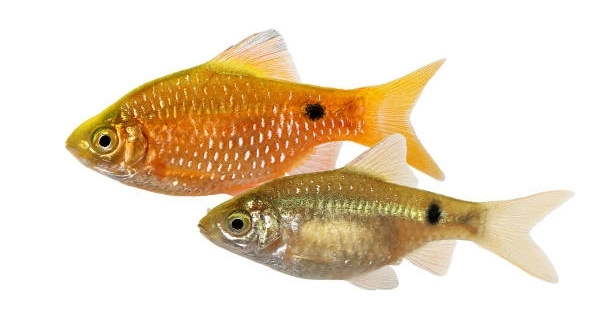
Rosy barbs are colorful freshwater fish popular in home aquariums. They often show subtle behaviors that indicate their mood and health. Understanding these little details can improve how you care for them and enjoy their presence.
Rosy barbs respond to small environmental and social cues such as changes in water temperature, tank mates, feeding routines, and even light conditions. These details affect their behavior, stress levels, and overall well-being, making attentive observation essential for proper care.
Recognizing these signs will help maintain a healthy and happy aquarium environment for your rosy barbs. The following points explain key responses to watch for and why they matter.
Changes in Water Temperature
Water temperature affects rosy barbs’ activity and health. Sudden drops or rises in temperature can stress them, making them less active or causing unusual behavior. Ideal temperatures range between 64°F and 72°F (18°C to 22°C). Maintaining stable conditions helps prevent illness and keeps their metabolism steady. Frequent monitoring is important, especially if your tank is near windows or heaters. Even a small shift of a few degrees can cause noticeable responses. When temperatures drop, rosy barbs may become sluggish and hide more. Higher temperatures can increase their swimming speed but also reduce oxygen levels, causing discomfort. Using a reliable heater and thermometer supports consistent temperature. Regular water changes also help maintain proper temperature and quality. Understanding how these fish respond to temperature helps you provide a comfortable environment that supports their natural behavior and long-term well-being.
Temperature changes influence barbs’ behavior by affecting their activity levels and health. Stable water conditions are essential for their comfort.
Monitoring temperature carefully is necessary for healthy rosy barbs. Sudden or frequent changes should be avoided. Using a thermometer and heater is advisable to maintain the ideal temperature range. Keeping the water stable helps the fish stay active and healthy, reducing stress-related issues. If you notice your barbs swimming erratically or resting unusually, check the temperature first. A gradual acclimation process is important when introducing them to new tanks or after maintenance. This approach helps them adjust smoothly without shock. In general, stable temperature supports their immune system and feeding habits, making them more vibrant and responsive. Regular checks and proper equipment ensure your rosy barbs remain comfortable and lively in their habitat.
Reaction to Tank Mates
Rosy barbs are social fish that prefer living in groups. Their behavior changes based on the species they share the tank with. Aggressive or overly large tank mates can cause stress, leading to hiding or aggression. Smaller or passive fish are usually better companions, promoting peaceful interactions. Observing how your rosy barbs respond when new fish are introduced can prevent conflicts. If stress signs appear, consider separating them or rearranging the tank to create hiding spaces. Providing enough room for swimming and territories also reduces tension. Compatibility with tank mates directly affects their feeding habits and overall happiness. Keeping a balanced community encourages natural schooling behavior, which is important for their mental and physical health.
Barbs interact differently depending on their tank companions. Proper selection improves their comfort and reduces stress.
Choosing suitable tank mates for rosy barbs requires attention to size and temperament. Avoid fish known for aggression or territorial behavior to prevent bullying. Ideal companions are those that swim in similar zones without competing aggressively for food or space. Introducing new fish gradually while watching for stress signs can avoid sudden conflicts. Creating hiding spots with plants or decorations helps shy barbs feel secure. A well-planned community tank supports natural schooling and reduces aggression, allowing rosy barbs to thrive socially. Understanding these dynamics enhances aquarium harmony and fish well-being.
Feeding Response
Rosy barbs react quickly to feeding times, often becoming more active and visible when food is offered. Their behavior can indicate hunger or satisfaction.
When feeding rosy barbs, it is important to maintain a consistent schedule to avoid overfeeding or underfeeding. They respond well to varied diets including flakes, pellets, and occasional live or frozen foods. Watch their behavior to ensure all fish get enough food without excess waste that can harm water quality. Uneaten food should be removed promptly. Feeding smaller amounts multiple times a day is better than one large feeding, which helps keep the fish active and healthy.
Changes in feeding behavior may signal stress or health problems. If rosy barbs suddenly refuse food or seem overly aggressive during feeding, it may be a sign of environmental issues or illness. Monitoring these responses helps maintain their well-being and ensures you can act quickly if problems arise.
Light Sensitivity
Rosy barbs are affected by the intensity and duration of light in the tank. Too much light can cause stress, while too little can reduce activity.
Proper lighting helps regulate their daily rhythm and supports plant growth in the tank, which contributes to a balanced environment. Using a timer ensures consistent light cycles, typically 8 to 12 hours a day. Sudden changes in lighting can startle the fish, so adjustments should be gradual. Light intensity also influences their coloration, with moderate lighting enhancing their natural hues. Dimming the lights in the evening mimics natural conditions and helps the fish prepare for rest. Observing their behavior under different lighting helps fine-tune the environment for optimal comfort.
Water Quality Changes
Rosy barbs are sensitive to changes in water quality, including pH, ammonia, and nitrate levels. Poor water quality can lead to stress and illness.
Regular water testing and changes are essential to maintain stable and clean water conditions. Consistency helps prevent sudden shifts that upset the fish.
Reaction to Tank Cleaning
Rosy barbs may hide or become less active during and after tank cleaning. They react to disturbances and changes in their environment.
This behavior is temporary and usually fades as the tank stabilizes again. Maintaining a gentle cleaning routine reduces stress.
Social Behavior
Rosy barbs are schooling fish that feel safer and more comfortable in groups of at least five. They rely on social interaction to reduce stress and display natural behaviors.
Keeping them in groups promotes active swimming and prevents loneliness. Alone, they may become shy, less active, or stressed. Proper group sizes contribute to their overall health and happiness.
Response to New Objects
Introducing new decorations or plants can cause rosy barbs to explore cautiously or hide briefly. They are curious but wary of sudden changes.
How do rosy barbs show stress?
Rosy barbs may show stress by hiding more often, swimming erratically, or losing their bright color. They might also stop eating or become aggressive toward tank mates. Stress often comes from poor water quality, sudden changes in the environment, or incompatible tank companions.
What is the best diet for rosy barbs?
A balanced diet includes high-quality flakes or pellets designed for tropical fish, supplemented by occasional live or frozen foods like brine shrimp or bloodworms. Variety is key to keeping them healthy and colorful. Avoid overfeeding, which can pollute the water.
How often should I change the water in a rosy barb tank?
Changing 20-30% of the tank water every week is ideal. This keeps ammonia and nitrate levels low and prevents buildup of harmful substances. Frequent water changes help maintain a stable environment and reduce stress for the fish.
Can rosy barbs live with other fish?
Yes, rosy barbs are generally peaceful but can be slightly nippy, so tank mates should be chosen carefully. Avoid slow-moving or long-finned fish, as they may be targeted. Suitable companions include danios, tetras, and other active, similarly sized fish.
How large should the tank be for rosy barbs?
A minimum of 20 gallons is recommended for a small group of rosy barbs. They are active swimmers and need space to school and explore. More space reduces stress and allows for a better community tank setup.
Why do rosy barbs sometimes nip at each other?
Nipping can be a sign of overcrowding or boredom. If there are not enough hiding spots or the group is too small or too large, they might stress and nip. Providing adequate space, plants, and hiding places can reduce this behavior.
How do I know if my rosy barbs are healthy?
Healthy rosy barbs are active, swim smoothly, have vibrant colors, and show normal feeding behavior. They should not gasp at the surface or scratch against objects. Regular observation is important to catch early signs of illness or stress.
What temperature is best for rosy barbs?
Rosy barbs do well between 64°F and 72°F (18°C to 22°C). Keeping the temperature stable within this range supports their immune system and natural behavior.
How much light do rosy barbs need?
They thrive with 8 to 12 hours of moderate lighting daily. Consistent light cycles help regulate their behavior and enhance their coloration. Sudden changes in lighting should be avoided.
Are rosy barbs good for beginners?
Yes, rosy barbs are hardy and relatively easy to care for, making them suitable for beginner aquarists. However, maintaining good water quality and proper tank mates is essential for their well-being.
Rosy barbs are lively fish that bring color and movement to any freshwater aquarium. They respond to many small details in their environment, such as water temperature, tank mates, and feeding routines. Paying attention to these factors helps ensure their health and happiness. When these conditions are right, rosy barbs display natural behaviors like schooling, exploring, and feeding actively. This makes them enjoyable to watch and easier to care for. Understanding how they react to changes allows owners to create a stable and comfortable home for them.
Maintaining a balanced environment for rosy barbs means being consistent with tank maintenance and careful with new additions. Regular water changes, proper feeding schedules, and suitable lighting are all important parts of their care. Additionally, selecting compatible tank mates reduces stress and aggression among the fish. These small efforts go a long way toward preventing common problems such as disease, poor coloration, or unusual behavior. Observing your rosy barbs regularly helps catch any issues early and allows for quick adjustments. This ongoing attention makes a big difference in their well-being.
In the end, caring for rosy barbs requires patience and observation. Each fish may respond slightly differently to its surroundings, so it’s important to notice subtle signs and react accordingly. Whether it is adjusting water temperature or rearranging decorations, small changes can improve their comfort. These fish thrive best in stable conditions that mimic their natural habitat. Providing this environment supports their natural instincts and encourages healthy growth. Taking time to learn their little details will help keep your rosy barbs active, healthy, and bright for years to come.

Hello,
If you enjoy the content that we create, please consider saying a "Thank You!" by leaving a tip.
Every little bit helps us continue crafting quality advice that supports the health, happiness, and well-being of pets around the world, for pets of all shapes, sizes, and species.
We really appreciate the kindness and support that you show us!