
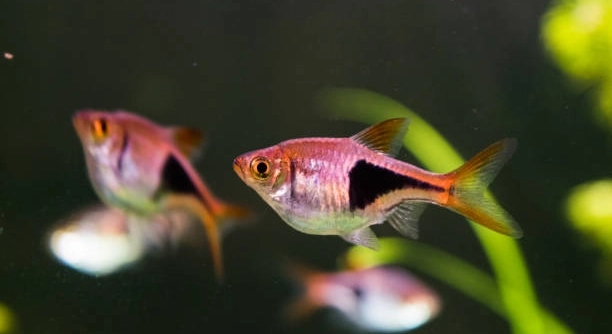
Are your rasboras seeming less active or vibrant than usual in their tank? Many fish owners notice subtle changes in behavior that can signal environmental stress. Lighting is one of the key factors influencing their mood and activity levels.
Adjusting light intensity and duration can significantly improve rasbora well-being. Using timers for consistent photoperiods, choosing the appropriate spectrum, and positioning lights to mimic natural conditions help reduce stress, encourage natural behaviors, and enhance coloration.
Proper lighting adjustments can create a more harmonious environment, promoting healthier and happier rasboras for long-term enjoyment in your aquarium.
Choosing the Right Light Spectrum
Rasboras respond best to lighting that closely resembles their natural environment. A full-spectrum light with a balance of cool and warm tones helps maintain natural coloration and reduces stress. Avoid overly bright or harsh lighting, as it can make them hide more and appear dull. Soft, diffused light encourages active swimming and social behaviors. For planted tanks, the right spectrum also promotes plant growth, creating a healthier ecosystem for your fish. Adjusting the light gradually instead of sudden changes helps rasboras acclimate without triggering stress responses. LED lights are efficient and allow flexibility in intensity and color settings. Positioning the light at a moderate height above the tank ensures even distribution, preventing shadows or overly illuminated spots that might disrupt their mood. Consistent lighting periods combined with spectrum adjustments support a stable day-night cycle, which is essential for their natural rhythms and overall well-being.
Balanced lighting improves rasbora behavior and enhances tank aesthetics, promoting a more vibrant and calm aquarium environment overall.
Maintaining the right light spectrum requires observing your fish and plants carefully. Start by using a light designed for tropical aquariums, ideally one labeled as full-spectrum. Monitor the tank for signs of stress, like erratic swimming or hiding, and adjust the intensity accordingly. If plants are included, ensure they receive sufficient light without overwhelming the fish. Gradually changing the spectrum over a week allows rasboras to adapt comfortably. A timer helps maintain consistency, giving them predictable day and night cycles. Combining the correct spectrum with proper tank placement can make the colors of your rasboras more vivid while encouraging natural behaviors. Regularly check the light’s lifespan and replace bulbs as needed to avoid dimming, which can negatively affect both fish and plants. This careful attention creates a stable, visually pleasing environment where rasboras can thrive.
Adjusting Light Duration
Rasboras benefit from a controlled light schedule that mimics their natural habitat. Too much light can stress them, while too little reduces activity and feeding patterns.
A consistent 8-10 hour light period is ideal for most rasbora species. Adjust gradually based on tank conditions and plant needs.
Setting a timer ensures daily consistency, reducing sudden light changes that can cause stress. Gradually increase or decrease light duration to observe how your fish respond. Monitoring behavior during adjustments helps identify optimal timing. In heavily planted tanks, consider slightly longer periods for plant growth, but balance it to avoid algae overgrowth. Short bursts of light in the morning and evening can simulate natural dawn and dusk, which encourages activity and natural swimming patterns. Reducing light intensity during peak hours can also prevent overstimulation. Recording the schedule and making small, incremental changes maintains a stable environment. Proper duration supports feeding, resting, and social behaviors, ensuring a healthier and more content group of rasboras.
Using Dimmer Controls
Dimmers allow precise control over light intensity, preventing overstimulation. Lowering brightness during rest periods helps rasboras feel secure and encourages natural behavior.
Using a dimmer provides flexibility for different tank conditions. High intensity can stress fish, while too low can reduce activity and color vibrancy. Gradually adjusting brightness throughout the day simulates natural changes, creating a calm and balanced environment. Dimmed lights in the morning and evening can mimic sunrise and sunset, encouraging natural swimming and feeding patterns. Observing how rasboras respond to different levels helps identify the best intensity. Combining dimmers with timers ensures consistency while maintaining optimal lighting conditions for both fish and plants. Proper use of dimmers supports overall health and mood in the aquarium.
Dimmer controls also reduce glare and prevent algae growth in planted tanks, supporting a healthier ecosystem. Regularly checking intensity settings ensures the tank remains comfortable for your fish.
Gradually increasing or decreasing light intensity with a dimmer reduces sudden stress on rasboras. This allows them to adjust naturally, maintaining steady swimming and feeding behaviors. Dimmer settings can be matched with tank activity, such as lowering lights during quiet periods and slightly brightening during peak activity times. In tanks with plants, dimming prevents excessive growth while ensuring sufficient photosynthesis. Observing responses helps optimize intensity for both aesthetics and fish health. Proper dimming can reduce aggressive interactions, encourage schooling, and support natural coloration. Using a dimmer is a simple adjustment that improves tank harmony, making rasboras more comfortable and visually striking.
Positioning Lights Strategically
Proper light placement prevents shadows and uneven brightness, which can stress rasboras. Position lights to cover the tank evenly.
Even distribution avoids areas of high intensity that may cause hiding or erratic swimming. Place lights above the center of the tank and avoid direct reflection on the water surface, which can create glare. Strategic positioning enhances natural coloration and ensures plants receive adequate light for growth. Adjusting the angle slightly can mimic natural sunlight, promoting activity during the day and restful periods at night. Rotating or spacing multiple lights evenly supports a consistent environment. Monitoring behavior helps fine-tune placement, ensuring all fish feel secure. Well-positioned lighting balances aesthetics with fish comfort, contributing to a harmonious aquarium.
Strategic placement also supports visual depth and highlights tank features without stressing fish. Ensuring light reaches all areas prevents dull corners and encourages natural swimming patterns throughout the tank. Adjusting placement with gradual changes maintains a calm environment. Proper positioning reduces stress-related behaviors like excessive hiding or erratic movements. For planted tanks, it ensures even growth and prevents weak spots. Observing how fish interact with light helps refine placement over time. The result is a visually pleasing tank that also promotes health and activity in rasboras. Consistency and careful adjustment are key to achieving this balance.
Avoiding Sudden Light Changes
Sudden shifts in lighting can startle rasboras and trigger hiding or erratic swimming. Gradually adjusting brightness helps them stay calm and maintain normal activity patterns.
Using timers and dimmers reduces abrupt transitions. Even a small change over several minutes allows fish to adapt naturally without stress or disrupted behavior.
Simulating Natural Daylight Cycles
Mimicking sunrise, daylight, and sunset cycles supports natural rhythms in rasboras. Gradual light changes encourage active periods and restful phases, improving mood and health. Consistent cycles help regulate feeding, swimming, and social behaviors, creating a stable tank environment that mirrors their natural habitat.
Reducing Glare
Glare from strong lights or reflections can make rasboras hide. Positioning lights carefully and using diffusers minimizes harsh reflections and improves their comfort in the tank.
How long should rasbora lights stay on each day?
Rasboras thrive under a consistent light schedule. Most species do well with 8 to 10 hours of light daily. Too much light can cause stress and increase algae growth, while too little reduces activity and color vibrancy. Using a timer ensures a steady cycle, preventing sudden changes that can disturb their natural rhythms. Gradual adjustments to the light period, rather than abrupt changes, allow rasboras to acclimate comfortably. In planted tanks, slightly longer periods may be needed for plant growth, but balance is important to avoid negatively impacting the fish. Observing behavior helps determine the ideal duration.
What type of lighting is best for rasboras?
Full-spectrum LED lights are generally ideal because they provide a balance of cool and warm tones that replicate natural conditions. These lights enhance coloration, encourage activity, and reduce stress. Avoid overly bright or harsh lights, as they may cause rasboras to hide frequently. Diffused lighting works well to prevent intense glare and shadows, which can disturb fish behavior. For tanks with plants, full-spectrum lighting also supports photosynthesis, helping maintain a healthy environment. Adjustable LED systems allow control over intensity and color, which can be fine-tuned to meet both the fish and plant needs. Positioning lights evenly ensures consistent coverage across the tank.
Can dimmers improve rasbora mood?
Yes, dimmers can significantly improve rasbora comfort. Gradually lowering light intensity during resting periods prevents overstimulation and reduces stress. Bright lights during peak activity can be softened with a dimmer to maintain calm behavior. Using dimmers in combination with timers simulates natural dawn and dusk patterns, which encourages regular swimming and feeding cycles. Monitoring how rasboras respond to intensity changes allows for customization to their preferences. In planted tanks, dimmers prevent excessive plant growth while maintaining adequate light for photosynthesis. Proper dimming supports schooling behavior, natural coloration, and overall tank harmony.
How should lights be positioned in the tank?
Lights should be placed to ensure even coverage across the tank, preventing overly bright spots or dark corners. Central positioning above the tank helps distribute light uniformly. Adjusting angles slightly can mimic natural sunlight, encouraging activity during the day. Avoid direct reflection on the water surface, which can cause glare and stress. For tanks with multiple lights, spacing them evenly ensures consistent illumination for both fish and plants. Observing fish behavior helps fine-tune placement. Proper positioning supports natural swimming patterns, enhances coloration, and reduces stress-related behaviors like hiding or erratic movements.
What are the effects of sudden light changes?
Abrupt changes in lighting can startle rasboras, causing hiding, erratic swimming, or even aggression in some species. Gradual adjustments are essential to reduce stress. Using timers or dimmers to simulate natural sunrise and sunset helps fish adapt comfortably. Sudden light shifts can also disrupt feeding schedules and schooling behavior. Even small changes over a few minutes are less stressful than immediate on-off transitions. In planted tanks, sudden brightness can trigger algae growth or negatively impact photosynthesis. Observing how rasboras respond to light adjustments ensures that their environment remains stable and their mood remains positive.
Can lighting affect rasbora coloration?
Yes, appropriate lighting enhances natural coloration. Full-spectrum lighting highlights vibrant reds, oranges, and silvers, making fish appear healthier and more active. Low or uneven lighting can make colors dull and reduce visibility of patterns. Consistent light duration and intensity allow pigment cells to function optimally. Combining proper spectrum with correct positioning and dimming ensures that rasboras display their natural hues without stress. Lighting that simulates natural daylight cycles also encourages natural behaviors, which can further enhance appearance. Observing color changes can indicate overall health, making lighting adjustments an important tool for maintaining both mood and visual vibrancy in the tank.
How can I reduce glare for rasboras?
Glare from strong lights or reflections can make rasboras hide or behave nervously. Using diffusers, positioning lights carefully, or angling them slightly reduces harsh reflections. Matte or frosted covers can also help diffuse light across the tank. Monitoring fish behavior after adjustments ensures they feel comfortable and active. Proper glare reduction creates a visually pleasing environment while supporting natural swimming and feeding behaviors.
Is lighting important for rasbora plants?
Yes, plants need sufficient light to grow, which indirectly supports rasbora health. Healthy plants improve water quality, provide hiding spots, and encourage natural behaviors. Full-spectrum lighting supports photosynthesis without overstressing the fish. Balancing light for both plants and rasboras ensures a stable ecosystem where all tank inhabitants thrive. Regular monitoring of plant health helps identify if lighting adjustments are needed.
How do I know if my lighting is too strong?
Signs of excessive lighting include hiding, lethargy, or faded coloration. Algae may also grow rapidly. Gradually lowering intensity and observing behavior helps identify the ideal level. Consistent monitoring ensures fish remain active and calm, while plants still receive adequate light.
Can changing the light schedule improve rasbora behavior?
Yes, consistent and gradual light schedule adjustments can enhance swimming patterns, feeding behavior, and social interactions. Simulating natural day-night cycles with timers and dimmers reduces stress and supports natural rhythms. Observing fish response helps fine-tune schedules for optimal comfort and activity. Proper lighting consistency ensures a healthy, content group of rasboras.
This FAQ section covers all common concerns regarding lighting adjustments for rasboras, providing practical solutions to enhance their mood and well-being.
Lighting plays a significant role in the well-being of rasboras. Proper adjustments in intensity, spectrum, and duration create a stable environment that reduces stress and encourages natural behaviors. When lights are too bright or too dim, fish may hide, become lethargic, or display dull coloration. Using full-spectrum lights and timers helps mimic natural conditions, supporting both activity and rest periods. Gradual changes, rather than sudden shifts, allow rasboras to acclimate comfortably, maintaining consistent feeding, swimming, and social behaviors. Observing how fish respond to different lighting conditions provides valuable feedback and helps identify the best setup for their needs.
Positioning lights strategically ensures even coverage and prevents glare, which can disrupt behavior. Dimmers are particularly useful for controlling intensity throughout the day, simulating dawn, daylight, and dusk cycles. Proper lighting also enhances the appearance of both fish and plants, creating a visually appealing tank while maintaining a healthy ecosystem. In planted tanks, lights support photosynthesis, improving plant growth and contributing to water quality. A well-planned lighting setup reduces the likelihood of stress-related behaviors, such as erratic swimming or excessive hiding, and encourages rasboras to display their natural coloration and active schooling patterns.
Maintaining consistent light schedules and observing rasbora responses are key to a successful aquarium. Small adjustments, like fine-tuning intensity, changing light placement, or slightly extending the photoperiod, can have a noticeable impact on fish mood and behavior. Combining these techniques creates a balanced, harmonious environment that benefits both the fish and the tank ecosystem. Lighting is a simple yet powerful tool to support rasbora health, encourage natural behaviors, and enhance overall enjoyment of the aquarium. By paying attention to these factors, tank owners can create a comfortable space where rasboras thrive, ensuring long-term satisfaction and a visually appealing aquatic habitat.

Hello,
If you enjoy the content that we create, please consider saying a "Thank You!" by leaving a tip.
Every little bit helps us continue crafting quality advice that supports the health, happiness, and well-being of pets around the world, for pets of all shapes, sizes, and species.
We really appreciate the kindness and support that you show us!