
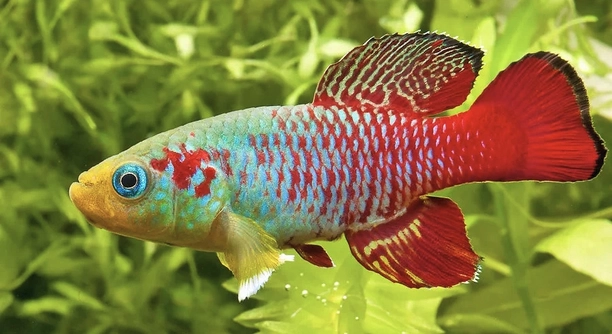
Killi fish are colorful and delicate, making their tanks a special part of any home. Proper lighting plays an important role in maintaining their health and enhancing their natural beauty. Many fish keepers overlook the impact of lighting on these unique fish.
The right lighting in killi fish tanks supports their biological rhythms, improves visibility, and highlights their vibrant colors. Balanced lighting reduces stress and prevents algae overgrowth, ensuring a healthier and more visually appealing environment for the fish.
Learning how to adjust lighting correctly can improve your tank’s overall balance. This article covers essential tips to help you create the ideal lighting setup for your killi fish.
Choosing the Right Light Type
Selecting the proper light type is essential for a killi fish tank. LED lights are a popular choice because they are energy-efficient and produce less heat, which helps maintain stable water temperatures. Fluorescent lights can also be used but tend to generate more heat and consume more energy. It is important to avoid very bright lights as killi fish prefer dimmer environments that resemble their natural habitats. Using full-spectrum lights helps replicate daylight, promoting plant growth and showing the true colors of your fish. When selecting lighting, consider both the needs of the fish and the plants in the tank to maintain a balanced ecosystem. The size of the tank also influences the light intensity required. Too strong a light may stress the fish, while too weak a light might not support plant health. Choosing the right light helps create a stable and comfortable environment for your killi fish to thrive.
Selecting a light that fits the tank size and fish needs improves the overall environment and reduces stress for the fish.
Matching the light type to your tank’s conditions ensures both fish and plants benefit. LED lights offer adjustable brightness and lower heat output, which helps maintain steady water temperatures. Full-spectrum lighting simulates natural sunlight, encouraging healthy plant growth and enhancing the vivid colors of killi fish. Avoid overly intense lighting, as it can cause stress and hide subtle fish coloration. Regularly check how your fish react to the light and adjust brightness or timing accordingly. Using timers can help provide a consistent day-night cycle, which is important for the biological rhythms of the fish. Proper light selection ultimately supports a thriving tank where both aquatic plants and fish remain healthy.
Setting the Right Lighting Duration
Keeping the lighting duration consistent is vital for the well-being of killi fish. Most aquariums benefit from about 8 to 10 hours of light per day. Extending light exposure beyond this range can encourage algae growth, which competes with plants and affects water quality. A timer is useful to maintain a steady schedule, preventing human error in turning lights on or off. Killi fish respond well to a routine that mimics natural daylight cycles, which helps regulate their feeding and resting habits. Avoid sudden changes in lighting duration, as it can cause stress. Observing your fish’s behavior will help determine if adjustments are needed. Properly timed lighting keeps the tank balanced and supports the fish’s natural rhythms.
Lighting duration of 8 to 10 hours daily creates a stable environment and helps control algae growth in killi fish tanks.
Maintaining a consistent lighting schedule supports the natural behavior and health of killi fish. Using a timer ensures the light turns on and off at the same time each day, providing a predictable environment. This routine helps fish settle into feeding and resting patterns, reducing stress caused by irregular light exposure. Too much light encourages algae blooms, which can harm water quality and plant life. Too little light may stunt plant growth and dull fish coloration. Adjust the lighting duration gradually if needed, and watch how your fish respond. Balanced light timing contributes to a healthy and visually pleasing aquarium.
Avoiding Overly Bright Lighting
Overly bright lighting can stress killi fish, causing them to hide or become less active. It is important to keep light intensity low to moderate.
Bright lights can cause discomfort and disrupt the natural behavior of killi fish. These fish originate from shaded environments, so excessive lighting feels unnatural and may lead to stress or illness. Use dimmable LEDs or add floating plants to diffuse the light. This helps create shaded areas where the fish can retreat when needed. Monitoring fish behavior under different lighting conditions allows adjustment for their comfort. Proper light intensity supports both fish well-being and tank aesthetics.
Providing shaded zones is also key to prevent overstimulation. This balance encourages natural activity and helps maintain a calm environment for your fish. Light levels that mimic their natural habitat lead to healthier, more vibrant killi fish.
Using Timers for Consistency
Timers ensure lighting remains consistent without manual adjustments. Consistent lighting supports fish health and reduces algae growth.
Setting a timer allows for automatic on and off cycles, maintaining a stable day-night rhythm for killi fish. This helps regulate their feeding and rest patterns, reducing stress caused by irregular lighting. Consistent lighting also prevents algae from flourishing due to extended light periods. Timers save time and effort by automating the process, avoiding human error or forgetfulness. With reliable lighting cycles, your aquarium environment remains balanced and healthy. This routine helps keep fish active during the day and restful at night, promoting long-term well-being. Using a timer is a simple yet effective way to manage tank lighting efficiently.
Adjusting Light Based on Tank Plants
Lighting needs change depending on the types of plants in your killi fish tank. Some plants require more light, while others thrive in low light.
Adjusting the light intensity to match your plants’ needs helps maintain a balanced ecosystem. This also prevents algae from taking over.
Avoiding Algae Overgrowth
Too much light or long lighting periods can lead to algae overgrowth. Algae compete with plants for nutrients and reduce water quality, which harms fish health.
Balancing Natural and Artificial Light
Natural light can affect your aquarium, especially if placed near windows. It is important to monitor natural light and adjust artificial lighting accordingly to avoid excess brightness or algae growth.
FAQ
What type of light is best for killi fish tanks?
LED lights are generally the best option for killi fish tanks. They produce low heat, use less energy, and can be adjusted for brightness. Full-spectrum LEDs mimic natural daylight, helping plants grow and showing off the fish’s vibrant colors without causing stress.
How many hours of light do killi fish need daily?
Killi fish do well with about 8 to 10 hours of light per day. This duration supports their natural rhythms and keeps algae growth under control. Using a timer can help maintain this schedule without mistakes.
Can too much light harm killi fish?
Yes, excessive lighting can cause stress and hiding behavior in killi fish. Bright lights do not match their natural environment, which is usually dim and shaded. Keeping light intensity moderate or low helps keep them comfortable.
Should I use a timer for the aquarium light?
Using a timer is highly recommended. It provides consistent lighting cycles, which are important for the fish’s biological rhythms. A timer also prevents lights from staying on too long, which can cause algae issues.
How does lighting affect algae growth?
Algae thrive under prolonged or intense lighting. Too much light encourages algae to multiply, which can compete with plants for nutrients and degrade water quality. Controlling light duration and intensity helps keep algae in check.
Is natural sunlight good for the tank?
Natural sunlight can be useful but often causes uneven lighting and temperature changes. If your tank is near a window, monitor it closely to avoid excess brightness or algae problems. Adjust artificial lighting to balance out natural light effects.
Can plants survive without strong lighting?
Many aquarium plants grow well under low to moderate light, especially those suited for shaded environments. Choose plants that fit the lighting conditions of your tank to maintain a healthy ecosystem without stressing the fish.
How do I know if the lighting is right for my killi fish?
Observe your fish’s behavior. If they hide often or seem stressed, the light may be too bright. If plants look unhealthy or algae grows quickly, the lighting might be too strong or on for too long. Adjust brightness and timing accordingly.
What’s the best way to create shaded areas in the tank?
Using floating plants or tall decorations can create natural shaded spots for killi fish. These areas offer refuge from bright light and make the tank environment feel more like their natural habitat.
Does lighting affect fish coloration?
Yes, proper lighting enhances the natural colors of killi fish. Full-spectrum lights bring out vibrant hues, making your fish look healthier and more attractive. Avoid harsh lighting, which can wash out colors or cause stress.
How often should I replace aquarium lights?
Aquarium lights lose intensity over time. Generally, replace LED lights every 1 to 2 years, depending on the brand and usage. Fluorescent lights may need replacement more often, around every 6 to 12 months.
Can I use colored lights in a killi fish tank?
Colored lights can create interesting effects but should not be the main light source. They often lack the full spectrum needed for plant growth and can confuse fish. Use them sparingly and in combination with full-spectrum lighting.
Are timers complicated to set up?
Most timers are simple to use and can be programmed for daily on/off cycles. Mechanical timers have a dial, while digital timers offer more precise control. Setting one up takes just a few minutes and greatly benefits tank stability.
What should I do if algae starts to grow despite proper lighting?
If algae appears, reduce lighting duration or intensity first. Clean the tank regularly and check water quality. Adding algae-eating species or live plants that compete for nutrients can help control algae naturally.
Can fluctuating lighting harm killi fish?
Sudden changes in light intensity or duration can stress killi fish. It’s best to adjust lighting gradually and maintain consistent daily schedules. Consistent lighting supports their natural activity and feeding habits.
These answers cover common concerns about lighting in killi fish tanks. Proper light management ensures a healthy and vibrant environment for both fish and plants.
Proper lighting is a key factor in maintaining a healthy killi fish tank. It affects not only the appearance of the fish but also their overall well-being. Choosing the right type of light, setting the correct duration, and controlling the intensity all work together to create a balanced environment. Killi fish come from shaded natural habitats, so mimicking those conditions with moderate, full-spectrum lighting is important. Good lighting supports the biological rhythms of the fish, encourages healthy plant growth, and reduces stress, which helps keep the fish active and vibrant.
Consistency in lighting is just as important as the type of light used. Using a timer ensures that the light follows a regular daily cycle, which helps the fish adjust to a stable routine. This predictability reduces stress and promotes natural behaviors such as feeding and resting. In addition, controlling the amount of light helps prevent algae from taking over the tank. Too much light or leaving lights on for too long can cause algae blooms that harm water quality and compete with plants for nutrients. By keeping the lighting schedule steady, you help maintain a clean and healthy aquarium environment for your killi fish.
Finally, it is important to observe your fish and plants regularly and make adjustments as needed. Watching how your killi fish respond to the lighting will help you decide if it is too bright or too dim. Creating shaded areas in the tank with floating plants or decorations gives the fish places to retreat, reducing their stress. Lighting needs can also change depending on the plants in your tank, so adjusting intensity and duration accordingly supports the entire ecosystem. Taking the time to set up and maintain proper lighting will result in a thriving, visually appealing killi fish tank that brings enjoyment and satisfaction.

Hello,
If you enjoy the content that we create, please consider saying a "Thank You!" by leaving a tip.
Every little bit helps us continue crafting quality advice that supports the health, happiness, and well-being of pets around the world, for pets of all shapes, sizes, and species.
We really appreciate the kindness and support that you show us!