
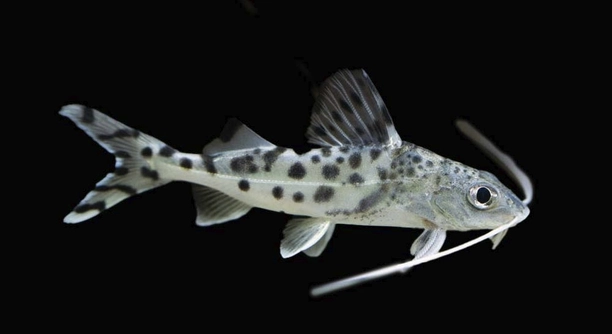
Nocturnal fish need carefully timed lighting to thrive in their environment. Proper light schedules support their natural behaviors and health, making lighting timers an essential tool for aquarists who want the best for these unique pets.
Choosing effective lighting timers ensures that nocturnal fish receive consistent periods of darkness and light, mimicking their natural habitats. Reliable timers help maintain stable cycles, reduce stress, and promote healthier fish by controlling aquarium illumination precisely.
Exploring these timers will help you find practical solutions to improve your nocturnal fish care routine. The right timer can make a significant difference in their wellbeing and your aquarium’s balance.
Why Lighting Timers Matter for Nocturnal Fish
Lighting timers help replicate natural day and night cycles in aquariums. Nocturnal fish are active during low light or darkness, so it’s important to give them consistent periods without bright light. Without proper timing, fish can become stressed or confused, affecting their behavior and health. Timers also save time by automating light schedules, removing the need for manual switching. This steady routine supports fish in maintaining their internal clocks and natural rhythms.
Using a timer ensures the tank’s lights are on and off at the right moments. This reduces sudden changes that can startle the fish. It also helps plants and other aquarium inhabitants by keeping the environment stable and predictable.
Investing in a reliable lighting timer provides peace of mind. It improves your fish’s wellbeing by keeping their habitat consistent and natural. Proper lighting makes a noticeable difference in how active and healthy your nocturnal fish remain over time.
Types of Lighting Timers Available
There are several types of lighting timers to choose from, each with unique features and benefits.
Mechanical timers are simple and budget-friendly. They operate with a dial you set to control when lights turn on or off. Digital timers offer more precision and often include multiple settings for different days and times. Some digital models allow customization of light intensity and gradual sunrise or sunset effects. Programmable smart timers can connect to apps, giving remote control and detailed scheduling. These are useful for aquarists who want fine-tuned control.
Choosing the right timer depends on your needs and budget. Mechanical timers work well for basic control, while digital or smart options provide flexibility for complex lighting patterns. Make sure the timer can handle the wattage of your lighting system and is easy to use.
Timers that support gradual lighting changes are ideal for mimicking natural conditions. Abrupt light changes can stress nocturnal fish, so smooth transitions help them adjust comfortably. Some models also have backup power to keep settings during outages, which adds extra security.
How to Set Up Your Lighting Timer Correctly
Start by identifying the natural light cycle suitable for your nocturnal fish species. Most nocturnal fish need around 8-10 hours of light daily, with the rest in darkness. Adjust your timer to fit this schedule. Avoid leaving lights on for too long, as it can disrupt fish behavior and encourage algae growth.
After setting the timer, observe how your fish respond over a week or two. Look for signs of stress, such as hiding or lack of activity during dark periods. If needed, tweak the timing gradually to better match their natural habits. Keep the lighting schedule consistent every day to support their internal clocks.
Placement of the timer is important. Ensure it is in a dry, accessible spot near the light source. Follow the manufacturer’s instructions for wiring and safety. Regularly check the timer to confirm it is working properly and hasn’t reset.
Proper timer setup will improve your nocturnal fish’s health and create a balanced aquarium environment. It takes a little effort, but the results are worth it for happier, more active fish.
Features to Look for in Lighting Timers
A good lighting timer should offer easy programming and reliability. Look for models with clear controls and durable construction. Backup power is a helpful feature to keep settings during outages. Timers with multiple daily settings allow better customization of light cycles.
Ease of use is essential, especially if you adjust schedules often. Digital timers with LCD screens make setting times straightforward. Consider timers that allow gradual dimming or sunrise/sunset effects to avoid sudden light changes, which can stress nocturnal fish. Some timers also offer remote control via apps for added convenience.
Durability matters since aquarium areas can be humid. Choose timers designed to resist moisture or keep them in a dry spot. Confirm the timer supports your lighting’s wattage to avoid electrical issues. Overall, the right features can improve your aquarium management and fish wellbeing.
Popular Lighting Timer Brands for Aquariums
Certain brands have gained a strong reputation for reliable aquarium lighting timers. Intermatic and Century are well-known for mechanical and digital options that combine simplicity with durability. These brands offer affordable products suited for basic and intermediate lighting schedules.
For advanced control, brands like Titan Controls and AquaIllumination provide smart timers with programmable features, including gradual dimming and mobile app integration. These allow aquarists to create more natural and precise lighting conditions. While these models are more expensive, they offer enhanced functionality for serious hobbyists.
Many users value brand support and warranty options when investing in a timer. Choosing trusted brands ensures access to customer service and replacement parts if needed. Researching user reviews and comparing features helps select a timer that fits both your aquarium needs and budget.
Setting Your Timer for Seasonal Changes
Adjust your lighting timer seasonally to better mimic natural conditions. Changing daylight hours affect nocturnal fish behavior, so altering light duration helps keep their environment balanced.
Seasonal adjustments prevent stress and promote healthier fish by matching their natural rhythms. Timers with easy reprogramming make this task simple.
Common Timer Mistakes to Avoid
Incorrect programming, such as setting lights on for too long, can harm fish and plants. Avoid sudden light changes to reduce stress. Also, do not overload timers with too many devices, which can cause failures.
Using Timers with LED Lighting
LED lights are energy-efficient and often compatible with most timers. Ensure your timer supports the low wattage and dimming functions many LED systems require for best results.
Testing Your Timer Regularly
Check your timer at least once a month to ensure it works correctly. Timers can reset or malfunction, disrupting your fish’s lighting cycle unexpectedly.
FAQ
How do I know if my lighting timer is working properly?
Check that the lights turn on and off at the scheduled times. Observe your fish for consistent behavior patterns. If you notice irregular light cycles or the timer resets frequently, it may be malfunctioning. Regular monthly inspections help catch problems early.
Can I use any timer with my aquarium lights?
Not all timers are compatible with every lighting system. Make sure your timer supports the wattage and type of lights you use, especially with LED or dimmable setups. Using an incompatible timer can cause electrical issues or damage the timer.
How long should the lights be on for nocturnal fish?
Nocturnal fish usually need about 8 to 10 hours of light daily, allowing 14 to 16 hours of darkness. This schedule mimics their natural environment and supports their active periods during low light or night.
Is it necessary to have gradual lighting transitions?
Gradual transitions help prevent stress in nocturnal fish by avoiding sudden changes in light intensity. Timers with sunrise and sunset features slowly adjust brightness, which feels more natural and comfortable for the fish.
What happens if the timer loses power during a blackout?
If your timer doesn’t have a backup power source, it will reset, and lighting schedules will be disrupted. This can confuse your fish and affect their health. Timers with battery backup or manual override settings help maintain the cycle during outages.
Can I control my aquarium timer remotely?
Some advanced timers offer remote control via smartphone apps. This feature allows you to adjust schedules and monitor lighting from anywhere, providing greater flexibility and convenience.
How often should I replace my lighting timer?
Timers can last several years with proper care, but mechanical timers may wear out faster than digital ones. If your timer starts to fail, shows erratic behavior, or can’t hold settings, it’s time for a replacement.
Are expensive timers always better?
Higher-priced timers often come with more features like programmability, dimming, and remote control. However, simple mechanical or basic digital timers can work well if they meet your aquarium’s needs and are reliable.
Can lighting timers help reduce algae growth?
Yes, controlling the duration and intensity of light can help manage algae. Excessive light promotes algae growth, so a timer helps maintain proper lighting periods, keeping algae under control and the tank balanced.
Do lighting timers affect other aquarium equipment?
Timers are usually dedicated to lighting only. Other equipment like filters or heaters often run continuously or on separate timers. Avoid overloading a single timer with multiple devices to prevent failures and electrical hazards.
Proper lighting plays a crucial role in maintaining a healthy environment for nocturnal fish. Using a reliable lighting timer helps ensure these fish experience consistent light and dark periods that closely mimic their natural habitat. This consistency supports their natural behaviors and reduces stress, leading to better overall health. Without a timer, it is easy to unintentionally disrupt their light cycles, which can affect their activity levels and wellbeing. By automating the lighting schedule, aquarists can provide a stable environment without the need for constant manual adjustments.
Choosing the right lighting timer depends on the specific needs of your aquarium setup and your personal preferences. Simple mechanical timers are effective for basic schedules and are easy to use, while digital and smart timers offer more customization options such as gradual dimming and remote control. It is important to consider the wattage compatibility of the timer with your lighting system and to select a model built to withstand the humidity often found around aquariums. Regularly checking and adjusting your timer, especially during seasonal changes, ensures that your nocturnal fish continue to thrive in a balanced environment.
Taking the time to set up and maintain a proper lighting schedule benefits not only the fish but also the entire aquarium ecosystem. Timers help prevent issues like algae overgrowth by controlling light exposure and support plants and other tank inhabitants that rely on predictable lighting. Consistency in lighting also encourages a natural rhythm for the fish, making their behavior more predictable and easier to observe. Investing in a quality timer and committing to proper maintenance can make a significant difference in the health and happiness of your nocturnal fish, improving your overall aquarium experience.

Hello,
If you enjoy the content that we create, please consider saying a "Thank You!" by leaving a tip.
Every little bit helps us continue crafting quality advice that supports the health, happiness, and well-being of pets around the world, for pets of all shapes, sizes, and species.
We really appreciate the kindness and support that you show us!