
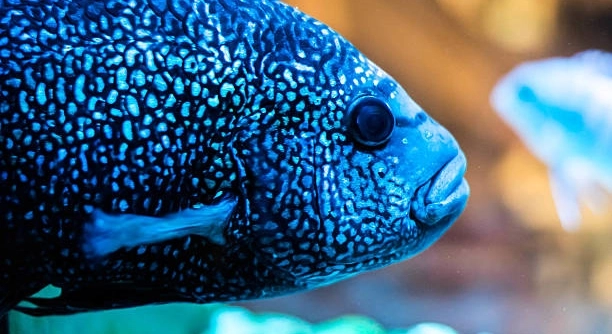
Jack Dempsey fish are colorful and energetic, making them popular among aquarium enthusiasts. Observing them in the right environment can enhance their natural behavior and appearance, which often depends on proper lighting conditions and setups.
Jack Dempsey fish respond best to lighting that mimics their natural habitats. Soft, diffused light with subtle color tones encourages activity, highlights their vibrant colors, and reduces stress. Combining ambient and directional lighting creates a balanced environment for their wellbeing.
Choosing the correct lighting setup can improve both the fish’s health and the visual appeal of your tank. Proper lighting strategies allow the fish to display their true colors naturally and comfortably.
Natural Daylight Simulation
Jack Dempsey fish thrive under lighting that closely resembles natural daylight. Using full-spectrum LED lights can recreate this effect, balancing both cool and warm tones to imitate their native freshwater habitats. This type of lighting helps highlight their vibrant blues, greens, and golds while maintaining a calm environment. Fish exposed to natural-like light tend to be more active, exploring the tank and displaying natural behaviors. Additionally, consistent lighting schedules support their biological rhythms, which improves feeding responses and reduces stress-related behaviors. Aquariums with windows or controlled daylight lamps can achieve this balance effectively. Combining this with gentle tank filtration ensures water clarity, letting the light accentuate the fish without creating harsh shadows or overly bright spots. Positioning plants and rocks strategically under this light adds depth to the tank, providing shaded areas for the fish to retreat when needed. Maintaining a cycle of around 10 to 12 hours of light per day can simulate day and night accurately, supporting their health and coloration.
Soft lighting mimicking daylight enhances Jack Dempsey fish activity, color, and comfort in the tank. Properly timed exposure is essential for their health.
A natural daylight simulation not only benefits the fish visually but also influences tank ecology. Plants and algae respond positively to this balanced spectrum, supporting oxygen levels and nutrient cycles. Using LED lights with adjustable intensity allows fine-tuning for seasonal variations, preventing overstimulation. Fish avoid areas that are too bright, so dimmable settings provide a safe balance. The right lighting ensures feeding efficiency as the fish can locate food easily, reducing stress and aggression. It also supports breeding behaviors, as natural cycles trigger hormonal responses necessary for spawning. Careful placement of decor combined with daylight simulation encourages exploration without overwhelming the fish. Monitoring water temperature is important, as light intensity can subtly affect it, ensuring a stable environment. Overall, simulating natural daylight improves both the aesthetic and functional aspects of the tank while promoting healthy, vibrant fish.
Blue and Green Accent Lighting
Adding blue or green accent lighting can subtly enhance Jack Dempsey fish colors while maintaining a soothing environment.
Accent lighting highlights iridescent scales, creating a visually appealing display and reducing aggressive interactions.
Blue and green lighting mimics the shaded underwater areas of their native habitats. Positioning lights near plants or behind rocks creates depth and dimension, encouraging the fish to explore shaded areas naturally. Combining these colors with standard daylight LEDs balances vibrancy and comfort. Overly bright accent lights can cause stress, so low-intensity setups work best. Adjusting angles ensures illumination highlights coloration without glare. Timed accent lights during evening hours can simulate dusk, encouraging resting behaviors. The addition of these hues does not replace general lighting but complements it, enriching tank visuals and improving overall fish wellbeing. Strategic use of colored lighting also aids photography, bringing out subtle scale patterns and eye coloration without startling the fish. It’s important to monitor their behavior, as prolonged exposure to intense accent lighting can make fish retreat or hide excessively.
Adjustable LED Lighting
Adjustable LED lights allow precise control over intensity and color, which suits Jack Dempsey fish perfectly. Dimming the lights during peak tank activity reduces stress, while brighter settings highlight their vibrant scales and encourage natural movement.
Using adjustable LEDs provides flexibility in creating the right environment. By varying brightness and color temperature, you can simulate different times of day, from morning to evening. This encourages the fish to maintain normal activity patterns and helps plants grow efficiently. Adjustable setups also reduce the risk of overexposure, which can cause stress or fading colors. With programmable timers, lights can automatically shift throughout the day, maintaining a consistent cycle that supports biological rhythms. This adaptability is especially useful in tanks with multiple species, as it allows customization for each fish’s comfort. Observing the fish’s reactions helps fine-tune settings for the most balanced lighting scenario, creating a healthy and visually appealing aquarium environment.
Proper placement of adjustable LEDs ensures even light distribution across the tank. Positioning above open water, near plants, or behind décor creates depth and highlights natural behaviors. Gradual changes in brightness prevent sudden stress, while color adjustments emphasize the fish’s natural iridescence. These lights also reduce algae growth compared to constant high-intensity lighting, maintaining water clarity and cleanliness. Incorporating this setup enhances both the aesthetic appeal of the tank and the wellbeing of the fish. Regular monitoring and minor adjustments ensure that the lighting remains suitable as the fish grow or tank conditions change, making adjustable LEDs a versatile choice for long-term tank management.
Subtle Overhead Lighting
Subtle overhead lighting provides uniform illumination without harsh glare, keeping Jack Dempsey fish calm and active. Low-intensity overhead lights highlight their body patterns naturally while creating a comfortable environment for exploration.
Even and gentle overhead lighting reduces shadows and prevents sudden bright spots that can stress fish. Positioning lights slightly back from the water surface creates a soft diffusion, allowing the fish to move freely without feeling threatened. This setup also enhances visual clarity, making plants, rocks, and substrate appear more natural and balanced. Overhead lighting works well with other lighting techniques, such as accent or LED adjustments, creating a layered effect that emphasizes coloration and depth. Regularly checking light angles prevents hotspots, ensuring all tank areas receive adequate illumination while protecting sensitive fish from intense direct light.
Overhead lighting improves tank aesthetics and fish wellbeing by simulating diffuse sunlight. Soft light encourages natural activity, feeding, and interactions while reducing hiding behaviors caused by harsh lighting. Combining overhead illumination with plants, rocks, and décor enhances three-dimensional depth, creating a realistic habitat. Fish experience less stress, and colors appear more vivid without artificial glare. Adjusting intensity according to daily cycles helps regulate fish behavior and supports plant growth, balancing the ecosystem. This simple method of lighting management makes a noticeable difference in tank harmony and visual appeal.
Dimmed Evening Lights
Dimmed evening lights create a calming environment for Jack Dempsey fish. Lowering brightness in the tank signals the end of the day, helping them settle and reducing stress-related behaviors before nightfall.
Soft evening lighting prevents sudden darkness that can startle fish. Gradually dimming lights over 30–60 minutes mimics natural sunset, allowing the fish to adjust comfortably.
Underwater Spotlights
Underwater spotlights accent specific areas of the tank, highlighting plants, rocks, or the fish themselves. This creates visual interest and encourages exploration while emphasizing natural coloration.
Combination Lighting Techniques
Combining multiple lighting types provides balance and versatility in the tank. Using natural daylight simulation, accent colors, and subtle overhead or underwater lights ensures Jack Dempsey fish receive proper illumination for both behavior and color enhancement. Layered lighting supports plant growth, depth perception, and fish activity throughout the day.
LED Strip Lighting
LED strip lights along tank edges offer consistent low-intensity illumination. They provide ambient light without creating harsh glare, supporting comfortable movement and natural display of Jack Dempsey fish.
FAQ
What type of lighting is best for Jack Dempsey fish?
Jack Dempsey fish do best under lighting that mimics their natural freshwater habitat. Full-spectrum LED lights provide a balance of cool and warm tones, enhancing their vibrant colors and supporting natural behaviors. Soft, even lighting reduces stress while allowing the fish to explore comfortably. Combining ambient, overhead, and accent lights creates a dynamic but controlled environment. Adjusting intensity and timing of the lights ensures the fish maintain normal activity patterns while plants in the tank also benefit from consistent illumination. Avoid harsh or direct lighting, which can cause the fish to hide or display signs of stress.
How long should the lights be on each day?
A daily cycle of 10 to 12 hours is ideal for Jack Dempsey fish. This mimics natural day and night rhythms, supporting feeding, activity, and rest. Using timers ensures consistency, preventing sudden changes that could disrupt their biological rhythms. Gradually dimming lights at the start and end of the cycle simulates sunrise and sunset, reducing stress. Properly timed lighting also benefits plant growth, algae control, and overall tank balance.
Can colored lighting affect the fish’s health?
Subtle blue or green lighting can enhance their scales and create depth without harming the fish. Low-intensity colored lights are safe, but prolonged exposure to strong or harsh colors can stress the fish. These lights should complement general illumination rather than replace it. Combining accent colors with natural daylight simulation provides visual appeal while maintaining a comfortable environment. Monitoring behavior is key—if the fish retreat excessively, intensity or duration should be reduced.
Should lighting be adjusted for breeding purposes?
Yes. Jack Dempsey fish respond to seasonal cues for breeding, and lighting plays a role in triggering these behaviors. Gradually increasing intensity and duration over several weeks can simulate longer days, encouraging natural breeding cycles. Combining daylight simulation with soft accent lighting can highlight nesting areas while keeping the tank calm. Overly bright or inconsistent lighting may interfere with spawning behaviors, so gradual, controlled changes are preferred.
Do plants in the tank affect lighting choices?
Yes, plants require sufficient light to grow, which also benefits water quality and oxygen levels for Jack Dempsey fish. Full-spectrum or adjustable LED lights can meet both plant and fish needs. Careful placement of lights ensures even coverage, preventing shaded spots where algae may grow excessively. Balancing plant growth with fish comfort ensures a visually appealing and healthy tank environment.
How can I prevent fish stress related to lighting?
Avoid sudden changes in brightness or turning lights on and off abruptly. Gradual dimming simulates natural transitions. Soft, diffused lighting reduces glare and harsh shadows. Providing shaded areas and hiding spots allows the fish to retreat when necessary. Observing fish behavior regularly helps detect signs of stress, enabling quick adjustments to lighting intensity, angle, or duration.
Are there any lighting mistakes to avoid?
Overly bright lights, inconsistent cycles, and poor placement are common mistakes. Bright, direct lighting can cause fish to hide constantly. Uneven light distribution creates hotspots and shadows, stressing fish. Avoid running lights 24/7—constant illumination disrupts natural rhythms and can affect coloration, feeding, and overall health. Proper setup, layering, and timing are essential for maintaining a comfortable environment for Jack Dempsey fish while highlighting their colors and natural behaviors effectively.
Can LED lighting save energy while benefiting the fish?
Yes. LED lights are energy-efficient, long-lasting, and customizable in intensity and color. They provide consistent illumination without producing excessive heat, which protects both fish and plants. Adjustable LEDs allow fine-tuning for daily cycles, accent lighting, or evening dimming. Investing in quality LED systems reduces electricity usage while improving the tank environment and visual appeal, making them practical and effective for long-term maintenance.
How often should lighting setups be checked or adjusted?
Regular checks are important, ideally once every few weeks. Monitor fish behavior, plant growth, and tank clarity. Adjust angles, intensity, or color if fish appear stressed, hide frequently, or if plants show uneven growth. Seasonal changes may require minor tweaks to maintain natural lighting cycles and ensure a balanced, healthy tank environment for Jack Dempsey fish.
Jack Dempsey fish are striking and lively, and the right lighting can make a significant difference in their wellbeing and appearance. Lighting is not just about making the tank look good; it directly affects the fish’s behavior, stress levels, and natural color display. Using lights that mimic their natural habitat, such as full-spectrum LEDs or daylight simulation, creates a comfortable environment that encourages normal activity patterns. Fish under proper lighting are more likely to explore their tank, feed well, and interact naturally with other tank mates. Overly harsh or inconsistent lighting can lead to hiding, aggression, or faded coloration, which indicates discomfort. By carefully considering the type, intensity, and timing of lighting, you can create a tank that supports both the fish’s health and visual appeal.
Different lighting setups offer unique benefits depending on the tank layout and your goals for the fish. Subtle overhead lighting provides uniform illumination that reduces shadows and helps fish feel secure, while accent lighting or underwater spotlights highlight specific areas and make their colors more vibrant. Adjustable LEDs allow precise control over intensity and color, supporting changes throughout the day and even seasonal variations. Soft dimmed lighting in the evening signals a natural transition to night, calming the fish and reducing stress-related behaviors. Combining these techniques ensures the tank is both functional and aesthetically pleasing. Plants also respond positively to well-planned lighting, supporting oxygen levels and tank ecology, which indirectly benefits the fish. Observing the fish’s behavior under different lighting conditions is essential for finding the right balance.
Maintaining consistent lighting schedules is key for the long-term health of Jack Dempsey fish. Using timers or programmable systems prevents sudden changes that could startle the fish, while gradual transitions, such as dimming at night, mimic natural sunrise and sunset patterns. Colored accent lights can enhance visual appeal, but they should be used carefully and sparingly to avoid overstimulation. Properly designed lighting not only supports the fish’s physical health but also creates an enjoyable viewing experience, highlighting their natural beauty. Regularly checking and adjusting lighting, based on fish behavior, tank growth, and seasonal changes, ensures a stable environment that promotes both longevity and vibrancy. Overall, thoughtful lighting is a small but crucial factor in creating a balanced and healthy aquarium for Jack Dempsey fish.

Hello,
If you enjoy the content that we create, please consider saying a "Thank You!" by leaving a tip.
Every little bit helps us continue crafting quality advice that supports the health, happiness, and well-being of pets around the world, for pets of all shapes, sizes, and species.
We really appreciate the kindness and support that you show us!