
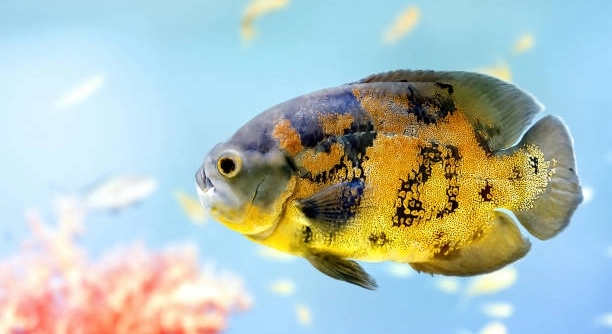
Oscar fish are a popular choice for aquarium enthusiasts due to their vibrant colors and unique personalities. Lighting is an essential factor in creating the right environment for them to thrive. Understanding how different lighting setups can affect their behavior and health can help ensure they stay happy and healthy.
The right lighting setups for Oscar fish enhance their color, promote natural behaviors, and support overall well-being. Different lighting configurations can mimic their natural habitat and help reduce stress while encouraging more active and natural behavior patterns.
Choosing the right lighting will create an environment where your Oscar fish can flourish. Let’s explore the best lighting setups for their needs and how they can improve the overall tank experience.
Importance of Proper Lighting for Oscar Fish
Oscar fish thrive in well-lit environments that replicate their natural habitats. Lighting can influence their behavior, color, and overall well-being. A bright tank can help enhance their vibrant colors, but excessive light can cause stress or algae growth. The right lighting will also help create a balanced environment, promoting natural activity levels. Too little light can make Oscar fish sluggish, while too much can lead to unwanted conditions like algae blooms or high stress.
The type of lighting you choose plays a significant role in keeping your Oscar fish comfortable.
To keep them happy and healthy, aim for a lighting setup that mimics their native rivers and lakes. A mix of natural and artificial lighting works well. It’s important to also regulate the duration of light exposure, providing a day-night cycle that helps your Oscar fish maintain a natural rhythm. Adjust the intensity and placement to suit their needs. The proper lighting supports their health and enhances the beauty of the aquarium.
Best Lighting Types for Oscar Fish
The best lights for Oscar fish are those that offer a balance of brightness and warmth.
LED lights are often the go-to choice for Oscar fish tanks. They provide bright, energy-efficient lighting, making them ideal for longer periods. These lights also come in a variety of color temperatures, which allows you to control how much warmth or coolness your tank will have. LEDs can mimic natural light patterns, giving your Oscar fish the right environment to thrive. Moreover, they help in reducing algae growth compared to traditional fluorescent lights.
Choosing the right LED light for your tank involves considering the size and depth of the tank. For larger tanks, it’s important to select stronger lights to reach all areas of the tank. Smaller tanks can work with lower wattage lights that still provide adequate illumination. Don’t forget to adjust the duration of light exposure, keeping it around 10-12 hours a day for a healthy, balanced environment.
Light Intensity and Oscar Fish Behavior
The intensity of light affects how Oscar fish behave in the tank.
Oscar fish are active and curious, and bright lighting can encourage them to swim around more. Too much light, though, can stress them out and make them hide. Moderate light intensity creates a comfortable environment where they are free to explore and show their vibrant colors. If the light is too dim, they might become lethargic, and their colors may dull.
Finding the right balance is key. Too much light or too little can disrupt their natural behavior. Keeping the tank well-lit but not overwhelmingly bright helps Oscar fish feel at ease. Over time, you’ll notice their behaviors and activity levels improve once the lighting is just right. The goal is to support natural cycles and encourage movement without overwhelming them.
Lighting Duration for Healthy Oscar Fish
The duration of light exposure plays a big role in their well-being.
Oscar fish thrive with a consistent day-night cycle, which mimics the natural rhythm they experience in the wild. Typically, 10-12 hours of light each day works best. This gives them plenty of light during the day, followed by a dark period that allows them to rest and sleep. Regularity is important for their health. If the lighting is irregular, it may disrupt their biological clock, causing stress.
A timer is a simple way to keep a consistent light schedule. This can help replicate the natural day-night cycle, ensuring that your fish get the right amount of light and rest. By controlling light duration, you’re not only supporting their behavior but also preventing algae from taking over the tank.
Using Color Temperature to Enhance Oscar Fish Colors
Color temperature affects how your Oscar fish’s colors appear in the tank.
Warm white or daylight lights are ideal for bringing out the vibrant hues of Oscar fish. These light temperatures help accentuate the reds, oranges, and yellows in their scales. Cooler lights, like blue or white, can make their colors appear dull.
Choosing the right color temperature enhances your Oscar fish’s natural beauty. For best results, use lights in the range of 6,500K to 7,500K. This creates a balance between a natural daylight effect and enough warmth to highlight their colors.
Lighting Setup and Algae Growth
Improper lighting can lead to algae growth in the tank.
Algae thrives under excessive lighting, especially in tanks with nutrient-rich water. To prevent algae blooms, be mindful of both the intensity and duration of your lights. Keeping light exposure under control, particularly to 10-12 hours a day, helps minimize algae buildup.
It’s also important to clean the tank regularly, removing any algae that does form. Consider adding algae-eating fish or snails to help keep things under control. Over time, you’ll find that a balanced lighting routine will reduce algae problems and keep your tank looking fresh.
The Right Placement for Tank Lighting
Proper light placement makes a noticeable difference in the tank.
Place your lights so they cover the tank evenly. The light should penetrate all areas, including the darker corners. Consider placing the light above the tank at an angle to ensure balanced coverage. Avoid positioning it too close to the water surface, as this can cause overheating.
FAQ
How many hours of light do Oscar fish need?
Oscar fish typically need about 10 to 12 hours of light each day. This mimics their natural environment and supports their biological cycles. Too much light can cause stress or algae problems, while too little light can lead to sluggish behavior and dull colors. Using a timer can help regulate this and maintain consistency.
Can Oscar fish live in low light conditions?
Oscar fish can survive in low light, but it’s not ideal for their well-being. Insufficient lighting can make them less active and may cause their colors to fade. While they can adapt to lower light, they tend to thrive better in moderate light with a natural day-night cycle.
What type of light is best for Oscar fish?
LED lights are generally the best option for Oscar fish. They provide bright, energy-efficient light that can be adjusted to suit different needs. LED lights also help reduce algae growth compared to other types of lighting. Look for lights with a color temperature between 6,500K and 7,500K to enhance their natural colors.
Can Oscar fish be kept under fluorescent lights?
Fluorescent lights can work, but they are not the best for Oscar fish long term. These lights can be a bit harsh and are more likely to promote algae growth. If you use fluorescent lights, make sure to balance the intensity and the duration of exposure. LED lights offer a more consistent and healthier option.
What color temperature should I use for Oscar fish?
For optimal results, choose lights with a color temperature of around 6,500K to 7,500K. This range mimics natural daylight, which enhances the vibrant colors of Oscar fish. Lights that are too cool (blue) or too warm (yellow) can make their colors appear less vivid.
Do Oscar fish need a day-night cycle?
Yes, Oscar fish require a day-night cycle to maintain healthy behaviors. Providing 10-12 hours of light during the day followed by a period of darkness at night helps them maintain a natural sleep cycle. A consistent lighting schedule also supports their overall health and reduces stress.
Can I use a light timer for my Oscar fish tank?
Using a light timer is highly recommended. A timer ensures that your Oscar fish receive consistent light exposure without having to worry about turning the lights on or off yourself. It also helps maintain the proper day-night cycle, which is important for their health and behavior.
How does light intensity affect Oscar fish?
Light intensity affects Oscar fish in different ways. Too much light can cause stress and make them hide, while too little light can cause them to become lethargic. Finding the right balance is crucial. Moderate light intensity encourages natural swimming behaviors without overwhelming them. This also supports the fish’s bright colors and active nature.
How can I prevent algae growth in my Oscar fish tank?
To prevent algae growth, manage the intensity and duration of your lights. Overexposure to light encourages algae growth, so limit light exposure to 10-12 hours a day. Additionally, keep your tank clean and maintain proper water conditions. Consider adding algae-eating fish or snails to help control algae naturally.
Can Oscar fish adapt to different light conditions?
Oscar fish are adaptable and can adjust to various light conditions, but they thrive best with moderate lighting. They may become stressed under constant bright lighting or may show duller colors if the light is too dim. A balanced light setup will promote their health and enhance their natural behavior.
What type of lighting will enhance my Oscar fish’s colors?
To enhance your Oscar fish’s colors, use warm white or daylight LED lighting. These light temperatures bring out the reds, oranges, and yellows in their scales, helping them appear more vibrant. Avoid using cool blue or harsh white lights, as they can make their colors appear dull or muted.
Can I use natural sunlight for my Oscar fish tank?
While natural sunlight can help provide light for your Oscar fish, it comes with risks. Direct sunlight can cause overheating in the tank and lead to algae blooms. It’s best to use artificial lighting with a consistent light schedule to maintain better control over temperature and algae growth.
How do I know if my Oscar fish is getting enough light?
If your Oscar fish is active, displaying vibrant colors, and swimming regularly, it’s a good sign they are getting the right amount of light. If they appear lethargic, hide often, or their colors look dull, it could mean they aren’t receiving enough light or the light is too intense. Adjust accordingly.
Should I adjust the light based on tank size?
Yes, the size of the tank plays a role in choosing the right lighting. Larger tanks will require stronger lights to ensure the entire tank is evenly lit. Smaller tanks, however, need less intense lighting. Be mindful of both light placement and intensity to ensure a balanced environment for your Oscar fish.
Is it better to use multiple lights for a larger tank?
Yes, using multiple lights for a larger tank can help ensure even light distribution. Place the lights at different points around the tank to avoid dark spots. This setup ensures that your Oscar fish get enough light without creating overly bright areas or shadows that could stress them out.
Final Thoughts
When setting up lighting for your Oscar fish, it’s important to remember that balance is key. Too much light can cause stress and encourage algae growth, while too little light may lead to sluggish behavior and dull colors. The goal is to provide a lighting setup that mimics their natural habitat, allowing them to thrive in a healthy, comfortable environment. By carefully choosing the right type of lighting, intensity, and duration, you can enhance your Oscar fish’s activity levels, colors, and overall well-being.
LED lights are generally the best option for Oscar fish, as they provide bright, energy-efficient lighting. They can be adjusted to suit your tank’s needs and help reduce algae growth compared to fluorescent lighting. A color temperature between 6,500K to 7,500K is ideal for bringing out the vibrant colors in your Oscar fish. Remember to regulate the light duration as well, offering 10 to 12 hours of light each day. A timer can help keep things consistent and maintain a proper day-night cycle, which is essential for their health.
Ultimately, the right lighting setup can make a big difference in how your Oscar fish look and behave. By creating a balanced environment with proper lighting, you will help your fish feel more comfortable and active, which will bring out their best qualities. Monitor how your Oscar fish respond to changes in the lighting and adjust accordingly. Whether you are using LED or fluorescent lights, the key is to create an environment that mimics the conditions they would encounter in the wild.

Hello,
If you enjoy the content that we create, please consider saying a "Thank You!" by leaving a tip.
Every little bit helps us continue crafting quality advice that supports the health, happiness, and well-being of pets around the world, for pets of all shapes, sizes, and species.
We really appreciate the kindness and support that you show us!