
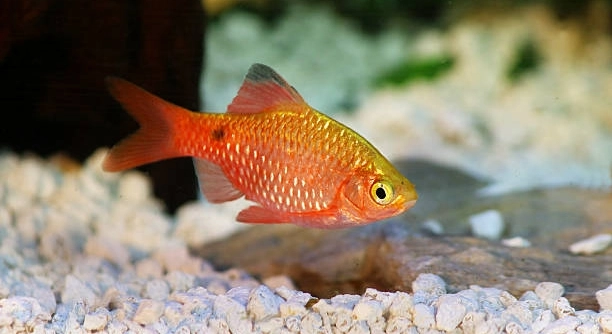
Rosy barbs are popular aquarium fish known for their vibrant colors and active behavior. Proper lighting is essential to keep them healthy and showcase their natural beauty. Mistakes with lighting can affect their well-being and tank environment.
Incorrect lighting can stress rosy barbs, disrupt their natural rhythms, and encourage algae growth. Overly bright or too dim lights interfere with their behavior and health, so proper balance and timing are crucial for a stable aquarium ecosystem.
Avoiding common lighting errors will improve your tank’s atmosphere and support your rosy barbs’ health. The following tips will help you create the right lighting conditions for your fish.
Choosing the Right Light Intensity
Lighting that is too strong can cause stress for rosy barbs. Bright lights may make them hide or act nervously. On the other hand, weak lighting can dull their colors and slow their activity. It is important to find a balance that keeps them comfortable and vibrant. LED lights designed for aquariums are a good option because they can be adjusted. Avoid direct sunlight on the tank, as it can increase algae growth and create temperature fluctuations. Consider the size of your tank and the number of fish when selecting light intensity. A light with adjustable brightness helps create the best conditions. Lighting should support both the fish and any live plants in the tank, as plants also need the right amount of light to thrive. Consistent lighting that mimics natural day and night cycles helps maintain healthy behavior in rosy barbs.
Proper light intensity promotes a healthy and active aquarium environment, benefiting both fish and plants.
Choosing lighting that balances brightness supports rosy barbs’ health without encouraging unwanted algae or stress.
Avoiding Excessive Lighting Duration
Leaving lights on too long can disturb rosy barbs’ natural patterns. Extended light periods may lead to stress and cause algae to grow rapidly. Fish need a regular cycle of light and darkness to stay healthy. The ideal light duration is generally 8 to 10 hours a day, similar to their natural habitat. Timers are a useful tool to maintain consistent light cycles without manual effort. When lights are off, fish rest and recover, and plants perform essential processes like respiration. Too much light can reduce oxygen levels in the tank and harm water quality. Keeping to a schedule helps prevent these issues. Observe your fish to notice changes in behavior, which may indicate lighting problems. Adjusting the light cycle is a simple step to improve overall tank health and reduce maintenance.
Excessive lighting disrupts fish health and increases algae growth. Maintaining a proper light schedule is key.
Regular light cycles keep rosy barbs comfortable, support natural rhythms, and help maintain clear water and stable conditions.
Using the Wrong Light Spectrum
Rosy barbs thrive under full-spectrum lighting that mimics natural daylight. Using the wrong spectrum can reduce their color vibrancy and harm plants.
Full-spectrum light includes all colors of natural sunlight, supporting fish health and plant growth. Avoid lights that emit only blue or red wavelengths, as they do not meet all the aquarium’s needs. Proper spectrum enhances the colors of rosy barbs, making them look lively and bright. It also helps plants photosynthesize effectively, improving water quality. Choosing lights labeled for freshwater aquariums ensures a balanced spectrum. Poor light spectrum can cause fish to appear dull and weaken their immune system, making them more prone to illness. Always check the specifications of aquarium lights to match the needs of both fish and plants for a healthy tank environment.
Maintaining the correct light spectrum ensures a vibrant display and supports the biological needs of your tank’s inhabitants.
Avoiding Inconsistent Lighting
Inconsistent lighting confuses rosy barbs and stresses plants. Sudden changes can lead to erratic fish behavior and poor plant health.
Lighting should follow a stable daily schedule. Using timers keeps light periods regular, preventing stress caused by abrupt changes. Inconsistent lighting can disturb fish feeding and resting patterns, reducing their vitality. Plants also rely on steady light cycles to grow and absorb nutrients. When lights fluctuate, algae can grow unevenly, creating maintenance challenges. Observing your tank’s daily rhythm helps identify problems caused by irregular lighting. Simple adjustments, like setting a timer, promote a calm environment and reduce unwanted algae blooms. Consistency in lighting supports balanced biological processes, helping maintain a clean and healthy aquarium for rosy barbs and plants alike.
Stable lighting cycles reduce stress and support natural behaviors in fish and plants, promoting tank stability.
Overlooking Light Placement
Incorrect light placement can create uneven illumination in the tank. Shadows and bright spots may stress rosy barbs.
Position lights so they cover the entire aquarium evenly. Avoid placing lights too close to one side, which can cause temperature shifts and algae buildup.
Ignoring Tank Size and Depth
Tank size and water depth affect how light penetrates the aquarium. Deeper tanks need stronger lighting to reach the bottom. Larger tanks may require multiple light sources for even coverage. If lighting is too weak for the tank’s size, plants and fish at the bottom may suffer. Consider these factors when selecting and positioning your lights to ensure all areas receive enough light. Proper lighting based on tank dimensions supports the health of both plants and rosy barbs by creating a balanced environment that encourages natural behavior and vibrant colors.
Neglecting Plant Needs
Plants in the tank require adequate lighting to thrive and support the ecosystem.
What is the ideal lighting duration for rosy barbs?
Rosy barbs do best with about 8 to 10 hours of light each day. This mimics their natural environment and helps maintain their natural behavior. Too much light can cause stress and promote algae growth, while too little light may dull their colors and slow activity. Using a timer helps keep the lighting consistent without manual effort.
How do I choose the right light intensity?
Light intensity depends on your tank size and whether you have live plants. For most tanks with rosy barbs, moderate intensity works best. Too bright lighting can cause the fish to hide or become stressed. Adjustable LED lights are a good option, allowing you to control brightness as needed.
Can I use natural sunlight for my aquarium?
Direct sunlight is not recommended. It can cause temperature swings and encourage excessive algae growth. Natural light through a window may be acceptable if indirect, but it’s safer to rely on artificial aquarium lighting for control and consistency.
What light spectrum should I use?
Full-spectrum lighting that mimics daylight is ideal. It supports both fish and plant health, enhancing the vibrant colors of rosy barbs and helping plants photosynthesize. Avoid lights that only emit blue or red wavelengths, as they don’t provide the full range needed.
How important is consistent lighting?
Very important. Rosy barbs and plants rely on stable light cycles. Inconsistent lighting can stress fish, disrupt feeding and resting patterns, and reduce plant growth. Using a timer to maintain regular light on/off times creates a calm, balanced tank environment.
What happens if I place the light too close or unevenly?
Placing lights too close can raise tank temperatures and cause bright spots, stressing fish. Uneven lighting creates shadows that make some areas too dark or too bright. Position lights to cover the entire tank evenly for the best results.
Do plants affect lighting choices?
Yes. Plants need specific light intensity and spectrum to grow well. Healthy plants improve water quality and provide shelter for rosy barbs. When selecting lights, consider both fish and plant needs to maintain a balanced ecosystem.
How can I tell if lighting is stressing my rosy barbs?
Signs include hiding more than usual, erratic swimming, or loss of color vibrancy. If you notice these, check your lighting setup and adjust intensity or duration. Stress can also increase susceptibility to disease, so maintaining proper lighting is crucial.
Is it necessary to have a light timer?
A timer is very helpful to maintain consistent light cycles without needing to remember to switch lights on and off. Regular light periods keep fish and plants healthy and prevent issues like algae overgrowth.
Can lighting affect algae growth?
Yes. Excessive or too-strong lighting encourages algae to grow quickly. Balanced light intensity and duration help control algae, keeping the tank cleaner and healthier for rosy barbs.
What type of lighting fixture is best for a rosy barb tank?
LED aquarium lights are preferred for their energy efficiency, adjustable settings, and ability to provide full-spectrum light. They produce less heat and last longer than older fluorescent lights.
Should I adjust lighting based on fish behavior?
Yes. Observing how your rosy barbs react to the lighting can guide adjustments. If they seem stressed or inactive, try lowering intensity or shortening the light period. Healthy fish should be active and display bright colors under proper lighting.
How does tank depth influence lighting needs?
Deeper tanks require stronger lighting to reach the bottom effectively. If light cannot penetrate sufficiently, plants and fish at lower levels may not thrive. Consider this when choosing lights to ensure even illumination throughout the tank.
Is it okay to leave lights on overnight?
No. Fish and plants need a dark period to rest and carry out biological processes. Leaving lights on overnight disrupts natural rhythms and can lead to stress and poor health. Always allow for a daily dark period.
Can improper lighting cause fish illness?
Improper lighting can contribute to stress, weakening the immune system and making fish more prone to disease. While lighting alone doesn’t cause illness, it plays a key role in overall fish health. Maintaining good lighting conditions supports strong, healthy rosy barbs.
Proper lighting is essential for keeping rosy barbs healthy and vibrant. It affects not only their appearance but also their behavior and overall well-being. Avoiding common mistakes such as using the wrong light intensity, spectrum, or duration can prevent stress and improve the tank environment. Consistent and balanced lighting supports natural rhythms in fish and plants, creating a stable ecosystem. When lighting is adjusted carefully, rosy barbs remain active and colorful, and plants grow well, which helps maintain good water quality.
It is important to remember that lighting is just one part of aquarium care. Tank size, water quality, and feeding also play crucial roles in the health of rosy barbs. However, lighting mistakes can often cause noticeable problems, such as dull colors, hiding behavior, or excess algae growth. Taking time to select the right lights and set a proper schedule can prevent these issues. Using timers and adjustable LED lights makes it easier to keep conditions stable. Checking the tank regularly and observing fish behavior helps identify when lighting needs adjustment. This careful approach reduces stress and creates a pleasant environment for both fish and their caretakers.
In summary, successful care of rosy barbs requires attention to detail in lighting choices. Proper light intensity, spectrum, placement, and timing all contribute to a balanced tank. Maintaining regular lighting cycles promotes healthy fish behavior and plant growth. Avoiding excessive light or inconsistent schedules prevents common problems. By focusing on lighting along with other care aspects, the aquarium will remain a beautiful, healthy space for rosy barbs to thrive. This helps ensure your tank stays enjoyable and easier to maintain over time.

Hello,
If you enjoy the content that we create, please consider saying a "Thank You!" by leaving a tip.
Every little bit helps us continue crafting quality advice that supports the health, happiness, and well-being of pets around the world, for pets of all shapes, sizes, and species.
We really appreciate the kindness and support that you show us!