
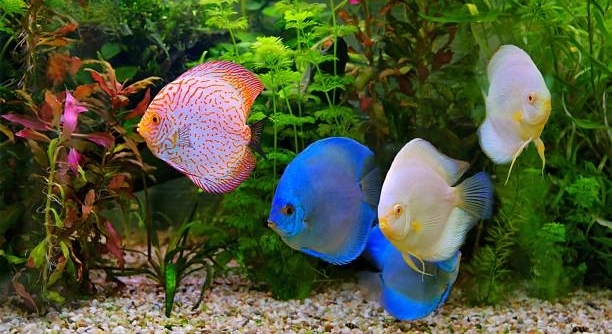
Discus fish are popular pets known for their bright colors and graceful movements. Proper care is important to keep them healthy and happy in an aquarium. Lighting plays a big role in their environment and overall well-being.
Incorrect lighting can cause significant stress to discus fish, affecting their behavior, health, and coloration. Overly bright or inconsistent light disrupts their natural rhythm, while poor-quality lighting fails to meet their biological needs, leading to weakened immune response and increased vulnerability.
Recognizing common lighting mistakes will help you create a better habitat for your discus fish. This guide highlights key errors and practical tips for improving their tank conditions.
Too Much Light
Discus fish come from shaded river environments, so they prefer soft, diffused lighting rather than intense brightness. When their tanks are lit too brightly, these fish can become easily stressed. High light levels cause them to hide or become lethargic, and their colors may fade. It also affects their natural behaviors, like feeding and swimming calmly. If you notice your discus hiding behind decorations or plants often, too much light could be the reason. Using dimmer lights or adding floating plants to create shade helps mimic their natural habitat and reduces stress. Avoid placing tanks near windows where direct sunlight can flood the aquarium at certain times of day. Consistency is important too—sudden changes in light intensity can shock the fish.
Bright lighting may also encourage excessive algae growth, which reduces water quality and harms discus health.
Adjust your lighting to a gentle level for the well-being of your discus.
Reducing the light intensity and providing shaded areas can improve your discus’s comfort and behavior.
Controlling light levels creates a calm environment that supports natural discus activity and vibrant coloration, improving their overall health.
Inconsistent Lighting Schedule
Discus fish rely on a stable day-night cycle to maintain their internal biological rhythms. When the lighting schedule is irregular, it disrupts this cycle and causes stress. Inconsistent lighting confuses the fish and can weaken their immune system, making them more prone to illness. It’s best to use a timer to keep the light on for about 10-12 hours daily and ensure complete darkness at night. Sudden switching on or off of lights can startle them and create anxiety.
A predictable lighting routine supports healthy behavior and feeding patterns.
Setting a fixed light schedule helps discus fish feel secure and supports their natural rhythms. Using timers ensures consistency even when you are busy or away. Sudden or irregular lighting confuses their senses and can cause stress-related health problems. Dark periods are just as important as light periods because discus fish need rest, which only happens in darkness. Complete darkness also controls algae growth, keeping water cleaner. Establishing a steady lighting cycle mimics their natural environment and helps discus fish thrive. Consistent light and dark times will improve their immune response and reduce stress levels. This simple step can make a big difference in maintaining a peaceful aquarium and healthy fish.
Light Spectrum Issues
Using the wrong light spectrum can negatively affect discus fish health. Lighting that is too blue or too white may not support their natural colors or behavior. Proper spectrum mimics natural sunlight and helps fish display vibrant colors and stay active.
Choosing full-spectrum LED lights designed for freshwater aquariums is best. These lights balance red, green, and blue wavelengths, promoting natural growth of plants and healthy fish coloration. Avoid bulbs with extreme color tones that can stress fish or alter their natural appearance.
Proper spectrum lighting also supports beneficial bacteria growth, which keeps the tank clean and stable. Without the right spectrum, discus fish may appear dull and inactive. Investing in suitable lighting improves fish well-being and makes your aquarium look more natural and attractive.
Flickering and Uneven Lighting
Flickering lights cause stress and anxiety in discus fish. Even if the flicker is subtle, it disturbs their calm environment and can lead to erratic behavior or hiding. Uneven lighting creates areas of harsh brightness and deep shadow, confusing the fish and affecting their comfort.
Consistent, stable lighting is essential for maintaining a peaceful tank. Avoid cheap or faulty bulbs that flicker or create unstable illumination. Using high-quality fixtures and bulbs designed for aquariums reduces flickering risks. Position lights evenly above the tank to eliminate harsh shadows. This balance ensures discus fish can choose comfortable spots and maintain natural routines. Taking time to fix flickering or uneven light will improve your discus fish’s quality of life and reduce unnecessary stress.
Overexposure to Light
Too much light for long periods overwhelms discus fish, causing stress and fatigue. Overexposure can weaken their immune system and disrupt natural behavior.
Limiting light to a proper daily schedule helps prevent stress. Use timers and avoid leaving the lights on overnight or for extended hours beyond their natural cycle.
Ignoring Natural Habitat
Discus fish come from shaded, slow-moving waters with plenty of plant cover. Mimicking this environment with soft lighting and natural décor reduces stress and encourages natural behavior.
Creating a habitat similar to their natural surroundings makes discus feel secure and comfortable. Use floating plants and dim lighting to replicate their native conditions and support their health and well-being.
Poor Lighting Positioning
Lighting placed too close or at a harsh angle creates glare and hot spots, stressing discus fish and encouraging them to hide. Proper positioning avoids these problems.
Position lights evenly above the tank, avoiding direct beams. This helps create a gentle, natural illumination that allows discus fish to swim calmly and display their colors beautifully.
FAQ
How much light do discus fish need daily?
Discus fish generally need about 10 to 12 hours of light each day. This amount mimics their natural environment and helps keep their biological rhythms balanced. Too much light can cause stress, while too little can affect their activity and color. Using a timer ensures a consistent schedule.
What type of light is best for discus tanks?
Full-spectrum LED lights designed for freshwater aquariums are the best choice. They provide a balanced mix of red, green, and blue wavelengths that support plant growth and fish health. Avoid lights that emit very harsh white or blue tones as these can stress the fish and dull their colors.
Can improper lighting cause health issues in discus fish?
Yes. Poor lighting can weaken discus immune systems and make them more prone to diseases. Stress from bright or flickering lights lowers their resistance to infections. Proper lighting supports their overall health and reduces the chances of illness.
Why do my discus hide when the lights are on?
This behavior usually means the lighting is too intense or uncomfortable for them. Discus are naturally shy and prefer soft, diffused light like in their native habitats. Adding plants or dimming the lights can help them feel safer and reduce hiding.
Is it harmful to keep aquarium lights on all day?
Keeping lights on all day disrupts the natural light-dark cycle discus need. It can cause stress and fatigue. Darkness is essential for their rest and maintaining their internal clock. Using timers to ensure lights turn off at night supports healthier fish.
How can I reduce algae growth caused by lighting?
Excessive light encourages algae growth, which harms water quality and stresses discus. Limit lighting to 10-12 hours, use appropriate intensity, and add live plants to compete with algae. Regular tank cleaning also helps control algae buildup.
What should I do if my lights flicker?
Flickering lights disturb discus and cause anxiety. Check your bulbs and fixtures for faults or loose connections. Replacing old or cheap bulbs with quality aquarium lights can eliminate flicker. Stable lighting creates a calm environment for your fish.
Can lighting affect discus fish color?
Yes. Proper lighting enhances their natural coloration by allowing pigments to develop fully. Incorrect light spectrum or intensity can dull their colors, making them look less vibrant. Using the right light helps maintain the beautiful appearance discus are known for.
How important is a consistent lighting schedule?
A consistent lighting schedule is crucial. It regulates discus sleep and feeding patterns, helping them stay healthy and active. Inconsistent lighting can confuse fish, increase stress, and lower their immune response. Timers help keep the schedule steady, even when you’re away.
Are there any signs that lighting is stressing my discus fish?
Signs include excessive hiding, reduced appetite, faded colors, and erratic swimming. If you notice these behaviors, evaluate your tank’s lighting setup. Adjust intensity, timing, and spectrum to create a more comfortable environment for your discus.
Can adding plants improve lighting conditions for discus?
Yes, plants provide natural shade and help diffuse light. Floating or tall plants soften bright lighting and create hiding spots, reducing stress. They also improve water quality by absorbing nutrients and compete with algae for resources.
What is the best way to mimic natural lighting for discus fish?
Use full-spectrum lights with a timer to create a daily cycle of about 10-12 hours. Incorporate plants or decorations to diffuse light and create shaded areas. Avoid placing tanks in direct sunlight to prevent overheating and harsh lighting.
Should I change my lighting if I notice my discus losing color?
Yes, consider adjusting your lighting. Dull colors can indicate insufficient or improper light spectrum. Switching to full-spectrum aquarium lights and reducing overly bright or blue-heavy lighting can help your discus regain their vibrant colors.
Is blue light harmful to discus fish?
Blue light alone can be stressful if too intense or constant. It does not replicate natural sunlight well. Balanced full-spectrum lighting that includes red and green wavelengths supports discus health better than pure blue or white light.
How do I know if my lighting is too bright or too dim?
If discus are constantly hiding or showing faded colors, the light may be too bright. If they appear dull and inactive, the light could be too dim. Aim for a soft, even glow that replicates shaded river environments. Adjust gradually to find the right balance.
Discus fish are beautiful and delicate creatures that need a carefully balanced environment to thrive. Lighting plays an important role in their health and behavior. Too much light, the wrong kind of light, or inconsistent lighting can cause stress, making discus fish hide, lose color, or become less active. By paying close attention to your aquarium’s lighting setup, you can create a comfortable space where your discus feel safe and healthy. Using soft, natural lighting that mimics their native habitat helps keep stress levels low and encourages their natural behaviors.
A steady lighting schedule is just as important as the right light intensity and spectrum. Discus fish respond best to regular periods of light and darkness, which support their internal biological clocks. Using timers to keep the lights on for about 10 to 12 hours each day, followed by complete darkness, helps maintain this balance. Sudden changes in light, flickering, or leaving lights on too long can disrupt their rest and cause unnecessary stress. Creating a calm and consistent environment encourages healthier fish and reduces the chances of illness.
In addition to choosing the right lighting, consider how you arrange your tank to support natural conditions. Adding live plants and decorations can help diffuse light and create shaded areas, making your discus feel more secure. These details matter because discus come from shaded rivers where they are used to soft lighting and places to hide. When lighting and habitat work together, your fish can display their best colors and behaviors. Paying attention to these lighting factors will improve your discus’s well-being and make your aquarium more enjoyable to watch.

Hello,
If you enjoy the content that we create, please consider saying a "Thank You!" by leaving a tip.
Every little bit helps us continue crafting quality advice that supports the health, happiness, and well-being of pets around the world, for pets of all shapes, sizes, and species.
We really appreciate the kindness and support that you show us!