
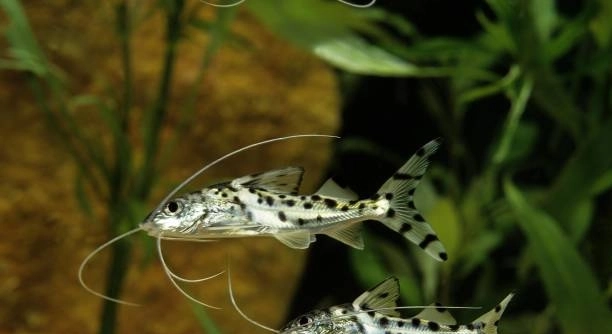
Pictus catfish are popular in home aquariums for their unique appearance and active behavior. Proper care is important to keep them healthy and stress-free. Lighting plays a crucial role in creating a suitable environment for these fish.
Improper lighting conditions, such as excessive brightness, inconsistent light cycles, or harsh direct light, can cause stress to pictus catfish. Stress impacts their behavior, immune system, and overall well-being, making it essential to maintain balanced lighting that mimics their natural habitat.
Knowing common lighting mistakes helps ensure your pictus catfish remain calm and healthy. This article highlights key errors and how to avoid them for a better aquarium experience.
Too Bright Lighting
Too much brightness in an aquarium can overwhelm pictus catfish. These fish prefer dimmer environments similar to their natural habitat, where light is filtered through plants or murky water. Bright lights can cause them to hide more often or become stressed, which affects their health. Overly bright tanks can also encourage algae growth, making the environment less comfortable. Adjusting the lighting to a softer level helps reduce their stress and promotes natural behavior. Using floating plants or dimmable lights can create a gentle atmosphere that suits pictus catfish well. Observing how the fish react to changes in light intensity is important to maintain the right balance and keep them active and healthy.
Maintaining moderate lighting reduces stress and helps pictus catfish feel secure in their environment. A calm setting supports their natural habits.
Providing shaded areas and gentle lighting enhances the tank’s environment. It helps pictus catfish explore and stay healthy without fear or discomfort.
Inconsistent Light Cycles
Pictus catfish thrive when their environment follows a regular light and dark schedule. Sudden changes or irregular lighting can confuse their natural rhythms. Consistent light cycles support feeding patterns, activity levels, and rest. Without a stable cycle, these fish may become restless or stressed, which can lead to weakened immunity and illness. Using timers for aquarium lights helps maintain a steady routine and prevents unexpected lighting changes. Establishing about 10 to 12 hours of light followed by darkness mimics their natural habitat, creating comfort. Proper timing encourages normal behavior and overall well-being, making the aquarium a better place for pictus catfish.
Harsh Direct Light
Harsh direct lighting creates sharp contrasts in the tank. This can startle pictus catfish and force them into hiding more often.
Direct light can create stressful conditions by producing glare and hot spots. These bright areas differ from the softer, diffused light pictus catfish prefer. The sudden exposure to intense light disrupts their natural behavior and increases anxiety. This stress may cause them to avoid parts of the tank or reduce their activity, which affects feeding and overall health.
Using diffused light sources or positioning lights away from the tank front can reduce glare. Adding plants or decorations also softens the light. These steps create a comfortable environment that respects the fish’s natural preferences, encouraging calm and normal behavior throughout the day.
Overexposure to Light
Too much time under aquarium lights stresses pictus catfish. Their natural habitat includes periods of low light and darkness, which support rest.
Extended lighting disrupts this natural rhythm, causing fatigue and weakened immune response. Without sufficient dark periods, fish become anxious and may display abnormal behavior. Overexposure also interferes with their sleep cycle, essential for recovery and health maintenance.
Adjusting the light timer to ensure about 10 to 12 hours of light per day is critical. This schedule balances activity and rest, helping pictus catfish stay active and healthy. Keeping a regular light-dark cycle reduces stress and supports natural biological functions, promoting longer, healthier lives.
Ignoring Natural Light Patterns
Ignoring natural light patterns can confuse pictus catfish. They rely on gradual changes in light to regulate their behavior and stress levels.
Mimicking sunrise and sunset effects helps fish adjust smoothly. Sudden light changes cause discomfort and disrupt their daily routine.
Using Inappropriate Bulbs
Lighting that does not match the needs of aquatic life can harm pictus catfish. Bulbs with incorrect color temperature or intensity may cause stress and affect plant growth.
Choosing bulbs designed for freshwater aquariums ensures a balanced environment. Proper lighting supports both fish health and tank aesthetics.
Lack of Hiding Spots
Without proper hiding spots, pictus catfish feel exposed and stressed. Lighting that is too bright without shaded areas increases their discomfort.
Providing plants, caves, or decorations offers refuge. This helps fish feel safe and reduces stress caused by lighting conditions.
FAQ
How can I tell if my pictus catfish is stressed by lighting?
Signs of stress from lighting include hiding more than usual, reduced activity, and loss of appetite. You may notice the fish avoiding well-lit areas or darting away when lights turn on suddenly. These behaviors suggest the lighting is too intense or inconsistent.
What is the best type of lighting for pictus catfish tanks?
Soft, diffused lighting with a color temperature between 5000K and 7000K is ideal. This range mimics natural daylight without being too harsh. LED aquarium lights with adjustable intensity work well, allowing control over brightness to suit the fish’s needs.
How long should the aquarium lights be on each day?
About 10 to 12 hours of light per day is recommended. This schedule supports their natural activity and rest cycles. Using a timer helps maintain consistent lighting, preventing unexpected changes that can stress the fish.
Can too little light harm pictus catfish?
While pictus catfish prefer dim environments, too little light can affect plant growth and the overall tank ecosystem. Plants provide hiding spots and improve water quality, so balancing light for both plants and fish is important.
Are there specific lighting setups to avoid?
Avoid lighting that is overly bright or produces harsh direct beams. Fluorescent tubes with very high intensity or unfiltered halogen lights can create stress. Also, avoid lighting schedules that frequently change or leave the tank in constant light.
Does tank size affect lighting needs?
Yes, larger tanks may require more powerful lighting to reach the bottom evenly, but the light should still be soft and diffused. Smaller tanks benefit from lower intensity lighting. The key is to adjust brightness so it’s comfortable throughout the tank.
Can lighting stress affect fish health beyond behavior?
Yes, prolonged stress from improper lighting weakens the immune system, making pictus catfish prone to infections and disease. Stress can also reduce lifespan and affect breeding success.
Is natural sunlight a good option for lighting?
Natural sunlight can be too intense and cause temperature fluctuations. It often leads to excessive algae growth, which can harm water quality. Controlled artificial lighting is a safer and more reliable choice.
What can I do if my tank lighting is too bright?
Use floating plants or decorations to diffuse light. You can also dim lights if the fixture allows it or add a shade cover. Adjusting light placement and intensity helps create shaded zones where pictus catfish can retreat.
Should I change lighting for nighttime?
Yes, pictus catfish benefit from a period of darkness to rest. Avoid leaving lights on overnight. Some aquarists use moonlights or very dim blue lights to mimic natural night conditions without disturbing the fish.
How important is it to have a consistent lighting schedule?
Consistency helps regulate the fish’s biological clock. Erratic lighting causes stress and disrupts feeding and resting habits. Using timers ensures a steady light-dark cycle that supports well-being.
Can I use colored lights in my pictus catfish tank?
Colored lights can be stressful if too bright or unnatural. Red or blue lights used sparingly during nighttime can be acceptable, but avoid strong colors during the day. Natural white light is best for regular tank lighting.
What are the risks of sudden changes in lighting?
Sudden on-off lighting can startle pictus catfish, causing panic and erratic swimming. This increases stress and risk of injury. Gradual lighting changes or timers prevent this problem by simulating natural light transitions.
Are there any signs that indicate my lighting setup is good?
Healthy pictus catfish will be active during the day, exploring their environment calmly. They should feed well and display bright, clear colors. Plants will grow steadily without excessive algae buildup.
How often should I adjust my lighting setup?
Once a proper setup is established, frequent adjustments are not necessary. Monitor fish behavior and tank conditions regularly. Adjust only if you notice signs of stress or poor plant health. Keeping lighting stable benefits overall tank harmony.
What role do plants play in lighting stress?
Plants help filter light and create shaded areas, reducing stress on pictus catfish. They improve water quality and offer hiding spots. Balancing lighting for both plants and fish supports a healthier, more natural tank environment.
Is dimming my lights better than turning them off completely during rest periods?
Turning lights off completely during rest periods is generally best. It allows fish to fully rest without disturbance. However, some aquarists use very low-intensity moonlights for a gentle nighttime glow, which can be suitable if it doesn’t stress the fish.
Can lighting cause aggression in pictus catfish?
Poor lighting can increase stress, which sometimes leads to aggressive or territorial behavior. Comfortable lighting reduces tension and helps maintain peaceful interactions among fish.
How does lighting affect feeding behavior?
Proper lighting encourages normal feeding activity by signaling daytime. Inadequate or irregular lighting may cause pictus catfish to eat less or become restless, impacting their nutrition and health.
What adjustments should I make if I see stress signs?
Lower the light intensity and shorten the duration if possible. Add shaded areas or decorations for hiding. Check for sudden changes in the lighting schedule and correct them. Monitoring these factors helps reduce stress quickly.
Are LED lights the best choice for pictus catfish tanks?
LED lights are energy-efficient, adjustable, and provide good light quality. They are easy to control and can mimic natural daylight effectively. This makes them a popular choice for pictus catfish tanks.
Proper lighting is essential for maintaining a healthy environment for pictus catfish. These fish are sensitive to their surroundings, and lighting plays a major role in their comfort and well-being. Bright, harsh, or inconsistent lighting can cause stress, which affects their behavior, appetite, and overall health. It is important to create a balanced lighting setup that mimics their natural habitat, using soft, diffused light and consistent light cycles. This helps pictus catfish feel secure and supports their natural rhythms, allowing them to thrive in a home aquarium.
Adjusting lighting involves more than just choosing the right bulbs. Tank size, placement of lights, and adding decorations or plants to provide shade all influence how pictus catfish experience light. Using timers ensures the light turns on and off regularly, preventing sudden changes that can startle the fish. Also, providing hiding spots and shaded areas gives pictus catfish a way to escape bright or direct light when needed. Paying attention to these details improves the aquarium environment and reduces stress, making it a better space for the fish to live actively and healthily.
Monitoring the fish’s behavior is the best way to know if the lighting is appropriate. Signs like hiding too much, reduced activity, or changes in feeding habits can indicate lighting problems. When these signs appear, adjusting the light intensity or duration and creating shaded spots often helps. Maintaining a consistent lighting schedule and using bulbs designed for freshwater aquariums provide further support. Taking these steps not only protects pictus catfish from stress but also promotes a balanced ecosystem in the tank, benefiting both the fish and plants.

Hello,
If you enjoy the content that we create, please consider saying a "Thank You!" by leaving a tip.
Every little bit helps us continue crafting quality advice that supports the health, happiness, and well-being of pets around the world, for pets of all shapes, sizes, and species.
We really appreciate the kindness and support that you show us!