
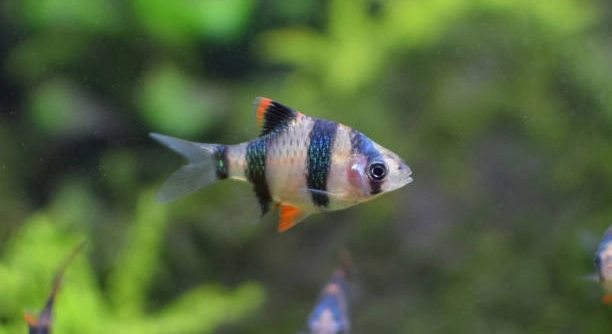
Barbs are lively fish that can sometimes become stressed or aggressive in their tanks. Adjusting the lighting in their environment can help create a calmer atmosphere, improving their overall well-being and behavior. Lighting plays an important role in aquarium care.
Seven specific lighting adjustments can promote calmer barbs by mimicking natural conditions and reducing stress triggers. These adjustments include controlling light intensity, duration, and color spectrum to create a stable, comfortable habitat that supports their natural rhythms.
Understanding how light affects barbs will help you create a peaceful tank environment. These changes support both the fish’s health and your enjoyment of a balanced aquarium.
Adjust Light Intensity Gradually
Barbs can be sensitive to sudden changes in light intensity, which may increase their stress levels and cause erratic behavior. It helps to adjust the lighting slowly, starting with a dimmer setting and gradually increasing to the desired brightness over several days. This approach mimics natural sunrise and sunset patterns, allowing the fish to adapt more comfortably. Using adjustable LED lights or dimmers can make this process easier. Avoid harsh, bright lights that create sharp contrasts or intense reflections inside the tank. Consistent light intensity encourages a stable environment, helping barbs feel secure and less prone to aggression or nervousness. Monitoring the fish’s behavior during these adjustments will guide you in finding the right balance.
Gradual light changes reduce stress and help barbs adjust more easily. Avoid sudden brightness shifts to maintain calmness in the aquarium.
Providing a stable lighting routine creates a familiar environment for barbs, reducing sudden stress reactions. Gradual increases in brightness encourage natural activity rhythms and promote healthier behavior. This also supports their internal biological clocks, which rely on light cues for feeding and resting cycles. A soft, steady light enhances their coloration without causing discomfort, while abrupt lighting changes can trigger hiding or aggressive displays. Maintaining gradual adjustments ensures your barbs feel secure and relaxed throughout the day and night.
Use a Timer for Consistent Light Cycles
Maintaining a consistent light schedule with a timer helps regulate barbs’ natural rhythms. It prevents irregular lighting that can confuse or stress the fish.
Setting the lighting to a fixed cycle, such as 10-12 hours of light followed by darkness, supports the barbs’ daily patterns. Timers automate this process and remove the risk of human error or forgetfulness. Consistent light cycles help barbs settle into predictable behaviors, which reduces tension within the tank. Irregular light exposure can disrupt feeding and resting habits, increasing aggression or lethargy. A timer ensures the aquarium lighting mimics natural day-night patterns even when you are not present. This stability benefits not only the fish’s mood but also the overall tank environment, including plants and beneficial bacteria that depend on light cycles for growth and activity. Properly timed lighting balances the ecosystem, creating a healthier, calmer space for your barbs.
Choose the Right Color Spectrum
Barbs respond better to natural light colors. Avoid harsh blue or white lights that can make them anxious. Using full-spectrum or warmer lights helps create a calm atmosphere.
Full-spectrum lighting replicates natural daylight, which supports barbs’ visual comfort and health. These lights bring out their natural colors without overwhelming them. Warmer tones, like soft yellow or amber, help reduce glare and stress, making the fish feel more secure. Lighting with the right color balance also encourages natural behavior like feeding and swimming. Avoid overly bright or cold-colored LEDs, as these can increase activity levels and aggression. Selecting suitable lighting improves both the appearance of the tank and the well-being of your barbs, making your aquarium a peaceful place to observe.
Soft, warm light helps maintain a relaxed tank environment by limiting sharp contrasts and reducing shadows. This adjustment supports calmer behavior and a stable mood.
Provide Adequate Shade and Hiding Spots
Creating shaded areas inside the tank allows barbs to retreat when lighting feels too intense. Plants, decorations, or floating objects can offer these darkened spaces.
Shaded spots help reduce stress during the brightest parts of the day. Barbs naturally seek cover to feel safe, and providing these areas mimics their natural habitat. Floating plants can diffuse light while adding shelter, softening the overall brightness. Solid decorations or tall plants create shadows, breaking up harsh light and giving barbs places to rest. This balance between light and shade prevents overstimulation and lowers aggressive tendencies. Regularly check that shaded zones are accessible and comfortable for the fish. Ensuring there are enough hiding places supports their natural instincts and helps maintain calm behavior throughout the day.
Avoid Sudden Light Flickers
Sudden flickers or flashes can startle barbs and increase stress levels. Use reliable lighting equipment to prevent unexpected changes.
Consistent, steady lighting without flicker helps maintain calm. Flickering lights can disrupt their environment and trigger nervous or aggressive behavior.
Adjust Lighting Duration Carefully
Limiting light exposure to about 10-12 hours daily helps barbs maintain natural rhythms. Too much light can cause overstimulation and stress, while too little can affect their activity and health.
Use Dimmer Controls
Dimmers allow gradual adjustments of light intensity, reducing sharp changes that may unsettle barbs. This control supports a smooth transition from bright to dim periods.
FAQ
How does lighting affect barb behavior?
Lighting influences barbs by regulating their daily activity cycles and stress levels. Proper lighting mimics natural conditions, helping them feel secure. Too bright or sudden changes can cause stress, leading to aggression or hiding. Balanced light encourages natural swimming and feeding habits, promoting overall health and calmness.
What is the ideal light duration for barbs?
Barbs thrive best with about 10 to 12 hours of light per day. This amount supports their biological rhythms without causing overstimulation. Excessive lighting can increase stress and aggressive behavior, while too little light may reduce activity and negatively impact health.
Can the color of aquarium lighting affect barbs?
Yes, the color spectrum plays an important role. Full-spectrum or warmer lights reduce stress and support natural behavior. Blue or overly bright white lights can increase nervousness and activity, while warmer tones create a calmer environment.
Should I use a timer for my aquarium lights?
Using a timer ensures consistent light cycles, which helps regulate barbs’ natural rhythms. Consistent light and dark periods reduce confusion and stress, stabilizing their behavior. Timers prevent human error and keep the tank environment balanced even when you’re away.
How do I create shaded areas in the tank?
Provide plants, decorations, or floating objects that block or soften light in certain areas. These shaded spots allow barbs to retreat when lighting feels intense, mimicking natural hiding places. It helps reduce stress and aggressive behavior by offering refuge.
Why is it important to avoid sudden changes in light intensity?
Sudden changes can startle barbs and cause stress. Gradual adjustments allow them to adapt naturally, reducing anxiety and preventing erratic behavior. Using dimmers or slowly increasing light intensity helps maintain a peaceful environment.
Are flickering lights harmful to barbs?
Flickering lights can disturb barbs, increasing their stress and making them more likely to act nervously or aggressively. It is best to use stable, reliable lighting equipment to maintain steady illumination without flickers.
Can lighting impact barb coloration?
Yes, appropriate lighting enhances barb colors, making them appear vibrant without causing discomfort. Overly harsh or improper color lighting may dull their appearance or lead to stress, affecting overall health.
What type of lighting is best for planted tanks with barbs?
Full-spectrum LED lights that support plant growth while providing a warm, natural tone are ideal. They create a balanced environment beneficial for both plants and barbs, ensuring the fish stay calm and the plants thrive.
How do I know if my barbs are stressed due to lighting?
Signs include hiding frequently, erratic swimming, aggression, or loss of appetite. If these behaviors increase after lighting changes, it may indicate stress. Adjusting light intensity, duration, or spectrum can help reduce these symptoms.
Is natural sunlight a good lighting source for barbs?
Direct sunlight is generally not recommended as it can cause temperature fluctuations and algae growth. Indirect natural light combined with controlled aquarium lighting works better to maintain a stable environment.
How often should I check and adjust aquarium lighting?
Regular checks ensure the lighting system functions correctly and meets the barbs’ needs. Adjustments should be made slowly and based on observed fish behavior. Monthly or bi-monthly reviews work well for most setups.
Adjusting lighting in a barb aquarium plays an important role in maintaining a calm and healthy environment. Proper lighting helps reduce stress and supports natural behavior. When lighting is too bright, changes too sudden, or colors are harsh, barbs may become agitated or hide more often. Paying attention to light intensity, duration, and color spectrum can help create a more comfortable setting for these active fish. Simple steps such as using timers, dimmers, and providing shaded areas improve the tank’s overall balance and help barbs feel safe and relaxed.
Consistency in lighting is essential for barbs to establish natural daily rhythms. Setting a regular schedule with about 10 to 12 hours of light followed by darkness helps regulate their activity and rest cycles. Timers are useful tools for maintaining this routine, ensuring the fish experience steady lighting without disruption. Gradually adjusting light levels when needed prevents sudden stress, making the aquarium a more stable environment. Providing full-spectrum or warmer toned lights also supports barbs’ wellbeing, encouraging natural swimming, feeding, and social behaviors.
Lighting is just one part of creating a calm tank, but it has a strong impact on barb behavior and health. Combining proper lighting with good water quality, suitable tank mates, and adequate space will help barbs thrive. Careful observation of how your fish respond to changes allows you to fine-tune lighting to their needs. Small adjustments can make a big difference in reducing stress and aggression, leading to a more peaceful aquarium that is enjoyable to watch. Maintaining this balance supports the long-term happiness and vitality of your barbs.

Hello,
If you enjoy the content that we create, please consider saying a "Thank You!" by leaving a tip.
Every little bit helps us continue crafting quality advice that supports the health, happiness, and well-being of pets around the world, for pets of all shapes, sizes, and species.
We really appreciate the kindness and support that you show us!