
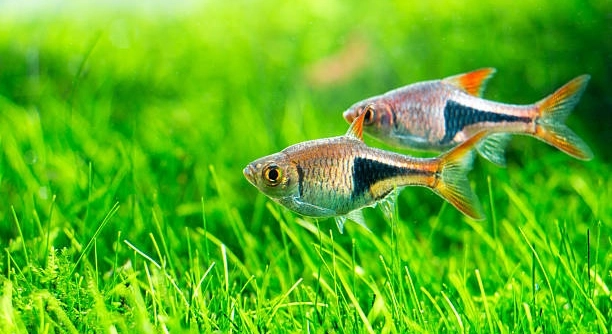
Many aquarium enthusiasts enjoy keeping Rasboras due to their vibrant colors and lively behavior. Proper lighting plays a key role in encouraging their activity. Finding the right light settings can make a noticeable difference in how these fish behave and thrive.
Research shows that specific light settings, such as moderate intensity and balanced spectrum, enhance Rasbora activity by simulating their natural environment. These settings help regulate their circadian rhythm and promote healthier, more active behavior in home aquariums.
Exploring these lighting techniques can improve your Rasboras’ well-being and bring more energy to your tank. Understanding the right balance will help maintain an ideal environment for these lively fish.
Ideal Light Intensity for Rasboras
Light intensity affects how Rasboras interact with their environment. Too much brightness can stress them, while too little can make them inactive. Moderate light intensity is best, mimicking the gentle sunlight they experience in their natural habitats. This balance encourages swimming and feeding behaviors. A well-lit tank also helps plants grow, contributing to a healthier ecosystem. Using adjustable LED lights can help maintain consistent intensity throughout the day. It’s helpful to observe your fish’s response and adjust accordingly. Avoid sudden changes in lighting to prevent stress. The right brightness level supports their natural rhythm and keeps them comfortable.
Maintaining moderate light ensures Rasboras stay active and healthy. It avoids extremes that could cause harm or lethargy.
Light intensity should be adjusted based on tank size and decoration. Dim areas can provide resting spots. Consistent lighting cycles of about 10-12 hours daily promote natural behaviors. Proper light helps highlight the fish’s colors and keeps the tank vibrant, making it more enjoyable to watch. Avoid placing tanks in direct sunlight to prevent algae growth and overheating. Using timers can simplify maintaining a steady lighting schedule. Overall, balanced light intensity is key to supporting Rasbora activity and overall tank health.
Color Temperature and Spectrum Effects
Color temperature influences how Rasboras perceive their surroundings. Cooler light tones between 6500K and 7500K closely resemble daylight and are suitable for these fish. This range enhances their natural colors and creates a comfortable environment. Using a full-spectrum light that covers both warm and cool tones supports plant growth and fish health. Warmer colors can make the tank feel cozy but may reduce activity levels if overused. Proper color temperature stimulates natural behaviors and promotes a lively tank atmosphere. Adjusting light spectrum based on tank inhabitants’ needs creates a balanced habitat.
Choosing the right color temperature makes a difference in fish behavior and tank appearance.
Using LED lights with adjustable spectrum is ideal for maintaining the proper balance. A full-spectrum setting provides the necessary wavelengths for both fish and plants. This support for plant photosynthesis improves oxygen levels and water quality, contributing to Rasbora activity. Cooler light tones help simulate daylight, encouraging daytime activity while dimming light at night mimics natural cycles. Over time, observing how your Rasboras react to different settings will help fine-tune the lighting. Avoid overly intense or narrow-spectrum lights, as they may cause stress or fading colors. A well-chosen color temperature helps maintain a natural and stimulating environment for Rasboras.
Light Duration and Rasbora Behavior
Maintaining consistent light duration helps regulate Rasbora activity. Typically, 10 to 12 hours of light per day works best. This schedule supports their natural day-night rhythm, encouraging regular swimming and feeding times.
A steady light schedule reduces stress by creating predictability in the tank environment. Rasboras become more active during light periods and rest when the lights are off. Too long of a light cycle can lead to exhaustion, while too short may limit their activity. Using timers simplifies maintaining this consistency without daily manual adjustments. Light duration also influences plant growth, which in turn benefits water quality and fish health.
Balancing light duration helps mimic natural conditions, keeping Rasboras lively and comfortable. Observing fish behavior will guide slight adjustments to find the ideal schedule. This rhythm enhances their overall well-being and ensures they remain engaged in their environment.
Avoiding Light Stress in Rasboras
Bright or fluctuating light can cause stress in Rasboras, leading to hiding or reduced movement. Consistent, moderate lighting minimizes these issues, supporting calm behavior.
To prevent light stress, avoid placing tanks near windows or where lighting changes suddenly. Gradually adjust lighting when changing setups to help fish adapt. Using dimmable lights or creating shaded areas with plants offers refuge. Stress can weaken immune systems, so maintaining stable lighting conditions is vital. Monitoring fish behavior can indicate if lighting needs tweaking.
Creating a calm lighting environment contributes to healthier, more active Rasboras. This approach prevents erratic behavior and supports their natural patterns, making them more visible and lively in the aquarium.
Using Dimmer Lights for Activity Control
Dimmer lights can help regulate Rasbora activity by creating softer, less intense illumination. This setting reduces stress during quieter periods.
Lower light levels mimic natural shaded environments. It encourages calm exploration while avoiding overstimulation. Dimmer lighting supports balanced behavior throughout the day.
Benefits of Simulating Natural Light Cycles
Simulating natural light cycles, such as gradual sunrise and sunset effects, helps Rasboras adjust smoothly to changes. This reduces sudden stress and promotes natural behaviors. Using programmable LED lights can create these effects, enhancing the aquarium environment. Gradual light changes support normal activity patterns and rest periods, helping fish feel secure and active. Mimicking natural cycles also benefits plants by aligning their photosynthesis with fish activity, creating a healthier ecosystem. This approach improves overall tank harmony and the well-being of Rasboras.
Avoid Flickering Lights
Flickering lights can unsettle Rasboras and cause erratic behavior. Stable lighting ensures calm and consistent activity.
FAQ
What is the best light setting for Rasbora tanks?
The best light setting combines moderate intensity with a color temperature between 6500K and 7500K. This mimics daylight and supports both fish activity and plant growth. Using a full-spectrum LED light with adjustable brightness allows you to fine-tune conditions based on your tank’s needs. A light duration of 10 to 12 hours daily maintains a natural rhythm, encouraging regular swimming and feeding. Avoid overly bright lights or extremes that may stress the fish or encourage algae growth.
How long should the lights be on in a Rasbora aquarium?
Rasboras do well with about 10 to 12 hours of light each day. This amount replicates their natural environment and helps regulate their behavior. Consistent timing is important, so using a timer is recommended to avoid sudden changes. Too long of a light period can exhaust the fish and promote algae, while too short limits activity and plant health. A balanced cycle helps maintain their energy and supports healthy plants, which improve water quality.
Can too much light harm Rasboras?
Yes, excessive light can cause stress in Rasboras. Bright, intense lighting may make them hide or reduce their activity. It can also encourage algae overgrowth, which negatively impacts water quality. Maintaining moderate light levels and providing shaded areas or plants helps avoid stress. Gradual changes in lighting and avoiding direct sunlight prevent sudden exposure to intense light. Observing the fish’s behavior is key to detecting stress related to lighting.
Why is light color temperature important for Rasboras?
Color temperature affects how Rasboras see their environment and influences their comfort level. Cooler light tones between 6500K and 7500K simulate natural daylight and highlight their colors. A full-spectrum light covering both warm and cool wavelengths supports plant photosynthesis and fish health. Using inappropriate color temperatures can reduce activity and dull fish colors. Adjusting light color helps create a natural, balanced environment that encourages normal behavior and makes the aquarium visually appealing.
Should I use dimmer lights for my Rasboras?
Using dimmer lights can help regulate Rasbora activity by providing softer illumination. This mimics shaded areas they seek in the wild and helps reduce stress during quieter times. Dim lighting can encourage calm exploration without overstimulation. Adjusting brightness throughout the day can create a more dynamic and natural environment. It’s useful especially in the evening or during resting periods. Dimmer settings work best when combined with a consistent light schedule to support their daily cycle.
How do I prevent light stress in Rasboras?
Prevent light stress by avoiding sudden changes in brightness and using moderate light intensity. Do not place the tank near windows or bright artificial lights that fluctuate throughout the day. Providing shaded areas with plants or decorations offers refuge when needed. Gradual adjustments when changing lighting setups help the fish adapt comfortably. Using timers and dimmable LED lights makes it easier to maintain stable conditions. Watch for signs like hiding or reduced movement, which indicate stress.
Is it necessary to simulate natural light cycles for Rasboras?
Simulating natural light cycles with gradual sunrise and sunset effects helps Rasboras adjust smoothly to changes. This reduces stress and supports normal behaviors like feeding and resting. Programmable LED lights make it easy to create these effects. Natural cycles also improve plant health by aligning photosynthesis with fish activity. This balanced environment promotes well-being and encourages active, visible fish. Sudden light changes can startle Rasboras, so gradual transitions are preferable.
What should I do if my Rasboras are hiding a lot?
If Rasboras are hiding frequently, lighting could be a factor. Check if the light intensity is too high or if the light duration is inconsistent. Providing dimmer light options or shaded areas with plants may encourage more activity. Avoid flickering or unstable lights, as these cause discomfort. Gradually adjust lighting conditions and observe if behavior improves. Other factors like water quality or tank mates should also be considered, but lighting is a common cause of stress and hiding.
Can lighting affect Rasbora coloration?
Yes, lighting directly impacts how vibrant Rasbora colors appear. Proper color temperature and intensity bring out their natural hues. Full-spectrum lighting that mimics daylight enhances their brightness and contrast. Poor or overly intense lighting can dull their colors and reduce overall appeal. Consistent light cycles also help maintain coloration by supporting overall health. Proper lighting not only improves activity but also makes your Rasboras visually striking.
How often should I change or adjust the aquarium lighting?
Frequent abrupt changes in lighting should be avoided. Once an ideal setting is found, keep it consistent to prevent stress. Adjustments can be made gradually over days or weeks when necessary, such as when adding new plants or fish. Seasonal changes may also prompt light duration tweaks. Using programmable lights or timers helps maintain steady conditions. Regular monitoring of fish behavior and plant health guides whether adjustments are needed. Stability is key to Rasbora comfort and activity.
Are there any light types that should be avoided?
Avoid lights that produce flickering or uneven illumination, as these disturb Rasboras. Very high-intensity lights or those with a narrow spectrum can cause stress or harm plant growth. Fluorescent tubes without a proper spectrum are less ideal than LED full-spectrum lights. Avoid placing tanks under direct sunlight to prevent overheating and algae blooms. Choosing a reliable LED system with adjustable settings offers the best control over intensity, color, and duration, providing a healthier environment for Rasboras.
Finding the right light settings for Rasboras is essential to keeping them active and healthy. Proper lighting supports their natural behaviors, making them swim and feed regularly. It also helps maintain the aquarium environment by supporting plant growth and keeping water quality stable. Balanced light intensity, color temperature, and duration work together to create a comfortable habitat that encourages Rasboras to thrive. Without proper lighting, these fish may become stressed, hide more, or lose their vibrant colors, which affects the overall appearance and health of the tank.
Adjusting light settings does not have to be complicated. Using adjustable LED lights with timers can simplify the process. Consistency in how long the lights are on each day helps regulate the fish’s internal clock. A moderate light intensity that mimics their natural environment is ideal. Avoiding sudden changes in lighting or exposure to direct sunlight prevents stress and discomfort. Creating shaded areas with plants or decorations gives the fish a place to rest if the light feels too bright. These small adjustments make a big difference in maintaining a calm and lively tank.
Paying attention to how your Rasboras react to different lighting setups is important. Observing their behavior will help you understand if the current settings are suitable or if changes are needed. Light color temperature also plays a role in how the fish feel and look. Cooler, daylight-like tones tend to work best for activity and color enhancement. Overall, finding the right balance in light intensity, color, and duration improves the well-being of Rasboras and makes your aquarium a pleasant place to watch. Proper lighting is a key part of creating a thriving aquatic environment for these active fish.

Hello,
If you enjoy the content that we create, please consider saying a "Thank You!" by leaving a tip.
Every little bit helps us continue crafting quality advice that supports the health, happiness, and well-being of pets around the world, for pets of all shapes, sizes, and species.
We really appreciate the kindness and support that you show us!