
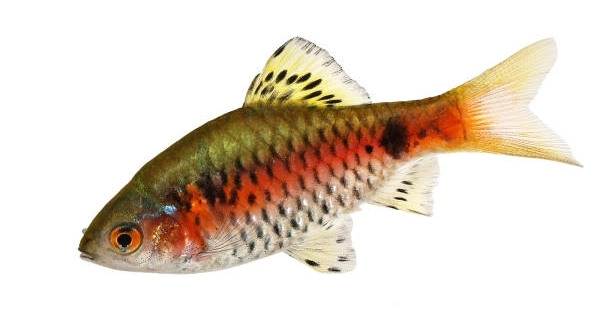
Do your Rosy Barbs seem less active or suddenly shy away from their usual playful behavior in your aquarium? Light settings may be influencing their mood more than you realize, and small changes can make a big difference.
Light settings affect Rosy Barb mood by altering their circadian rhythm, stress levels, and social behavior. Intensity, duration, and color temperature play key roles in creating a balanced environment that promotes healthy activity and reduces aggression.
Different lighting setups can lead to different behaviors, from calm swimming to sudden bursts of energy or stress.
Bright White LED Lighting
Bright white LED lights can create a crisp, clean look in your aquarium, but they may also impact your Rosy Barbs’ comfort. These lights are often too intense for long periods, especially in smaller tanks. When overexposed, Rosy Barbs can become skittish, hide more often, or even display signs of stress like rapid swimming or loss of color. It’s best to use bright lighting only for short viewing periods or during feeding times. A balance between visibility and fish comfort is key. Adding floating plants or dimmable settings can help diffuse the light and make it easier for your fish to relax. Rosy Barbs need an environment that mimics natural conditions, and overly bright lights can disrupt their sense of security. Keeping lighting under control not only improves behavior but can also help maintain their overall health and color vibrancy over time.
Bright light should never be left on all day. Limit exposure to 6–8 hours.
A moderate lighting schedule supports better activity levels and encourages natural behaviors like schooling and gentle exploration. When they feel safe, Rosy Barbs tend to show off their colors more and become more interactive. Dim breaks in between help them rest properly and avoid unnecessary stress.
Dim Ambient Lighting
Dim lighting helps reduce overstimulation and promotes a calm environment. Rosy Barbs in softer light often display smoother swimming patterns and spend more time near plants or with other fish.
This type of lighting is ideal during early morning and evening hours, or in homes with naturally lower ambient light. Dim setups allow Rosy Barbs to adjust gradually to their surroundings, making them feel less exposed. This helps minimize sudden movements or anxious behavior. If your tank is in a room that gets a lot of sunlight, using dim lighting for part of the day can help balance their light cycle. It’s also a good option if your Rosy Barbs are housed with other shy species, as it creates a peaceful environment for everyone. Try using adjustable LED lights or placing the tank away from direct sources of light. This will give you more control and provide your fish with a reliable, low-stress environment that feels safe.
Colored LED Lighting
Colored LED lighting can affect how Rosy Barbs behave in surprising ways. Blue and red tones are generally more calming, while green or bright white may keep them more alert and active than necessary.
When using colored lighting, balance is important. Blue light in the evening can simulate twilight and help your Rosy Barbs feel more at ease. Red light is also gentle and doesn’t interfere with their natural behaviors. However, overly bright or changing color patterns may cause stress, especially if lights switch too quickly. Avoid cycling through colors just for aesthetics. Stick with one calming tone at a time to provide consistency. Rosy Barbs prefer stability, and frequent shifts in color can leave them uneasy or withdrawn. Use soft settings with low brightness when introducing color to the tank.
If you want to highlight your fish’s natural colors, red or blue lighting works best. These tones enhance their rosy hues without being too harsh. Bright greens and purples tend to make them look washed out and can feel unnatural. Colored lighting should always support the fish’s comfort first, not just the visual appeal. Avoid strobe settings or flashing modes. A peaceful tank keeps your Rosy Barbs active and curious, without overwhelming their senses.
Natural Daylight Exposure
A bit of natural daylight can help regulate your Rosy Barbs’ internal clock. Just make sure the tank isn’t in direct sunlight, which can raise temperatures and lead to algae growth quickly.
Natural light helps your Rosy Barbs stay in tune with a normal day-night rhythm. Gentle morning light can wake them gradually, encouraging smooth, active swimming as the day begins. Avoid placing your tank where it receives intense afternoon sun, as this causes rapid temperature spikes and algae problems. Filtered daylight through a curtain works well, giving them the benefit of natural light without the negatives. Even with natural exposure, you’ll still want to use controlled tank lighting to maintain consistency. Aim for a steady routine that mimics sunrise and sunset. Rosy Barbs do better when their environment stays predictable, especially with lighting. Reliable cycles give them time to rest, explore, and feed without added stress.
Moonlight LED Settings
Moonlight LEDs give a soft, blue glow that mimics nighttime. Rosy Barbs respond well to this lighting as it allows them to rest without complete darkness. It reduces sudden movement and keeps the tank calm after the main lights go off.
This setting is useful if you like viewing your fish at night. It offers a peaceful look at their behavior without startling them. Rosy Barbs might slow down but still swim gently under the low light. Use this lighting for no more than a few hours to avoid disrupting their sleep cycle.
Inconsistent Light Schedules
Changing light times too often can stress Rosy Barbs. Their behavior may become unpredictable, and they could hide more. Consistency in the daily light cycle is important for keeping them relaxed and healthy. Using a timer helps maintain a dependable pattern without needing to remember it each day.
Overhead Room Lighting
Strong room lights above the tank can create glare and uneven lighting. This might confuse or stress your Rosy Barbs, especially if the tank lighting is off. Keep their environment balanced by limiting harsh overhead lights during their rest hours.
FAQ
How does light intensity affect Rosy Barb mood?
Light intensity directly influences how active or stressed Rosy Barbs feel. Too much light can make them skittish and hide more, while too little light may cause lethargy. A moderate, balanced light level helps maintain natural behavior, encouraging activity without causing stress.
Can changing light colors confuse Rosy Barbs?
Yes, frequent changes in light color can unsettle Rosy Barbs. They prefer stable environments, so sudden shifts from one color to another may cause stress or hiding. Consistent lighting with gentle colors like blue or red supports calmer moods and better overall health.
Is it okay to keep aquarium lights on all day?
No, continuous lighting can disrupt Rosy Barbs’ natural rhythms and cause stress. They need a clear day-night cycle with 6–8 hours of light and a period of darkness to rest properly. Using a timer is helpful to keep this schedule consistent.
Does natural sunlight benefit Rosy Barbs?
Natural light helps regulate their internal clock but direct sunlight should be avoided. Too much sun raises tank temperature and promotes algae growth, which can harm water quality and fish health. Indirect daylight combined with controlled tank lighting works best.
What’s the best lighting schedule for Rosy Barbs?
A regular schedule mimicking natural daylight is ideal—around 6–8 hours of light followed by 16–18 hours of darkness or dim light. This helps maintain healthy behavior and reduces stress, keeping your Rosy Barbs active and colorful.
Can moonlight LEDs improve Rosy Barb comfort?
Yes, moonlight LEDs provide a soft, calming glow that allows fish to rest without total darkness. It helps reduce sudden movements and keeps the tank peaceful after the main lights go off. Use for a few hours at night to simulate natural conditions.
How do overhead room lights impact Rosy Barbs?
Strong overhead lights can cause glare and uneven lighting, confusing your fish. This can increase stress, especially if tank lighting is off or dimmed. Avoid harsh room lights during rest times to maintain a balanced environment for your Rosy Barbs.
What signs show that lighting is stressing my Rosy Barbs?
Watch for hiding, rapid darting, faded colors, or loss of appetite. These behaviors often indicate stress from lighting that is too bright, too dim, or inconsistent. Adjust lighting gradually and monitor changes to find the best setup.
Are colored LED lights better than white lights for Rosy Barbs?
Colored LEDs like blue or red are often gentler and can enhance Rosy Barb colors without overwhelming them. Bright white or green lights can feel harsh or unnatural. Soft, calming colors promote healthier behavior and mood.
How important is consistency in lighting for Rosy Barbs?
Consistency is key. Rosy Barbs thrive on predictable light cycles that support their internal rhythms. Irregular or fluctuating light schedules can cause stress and erratic behavior. Using timers helps keep their environment stable and healthy.
Can dim lighting help reduce aggression in Rosy Barbs?
Yes, dim lighting lowers stress and aggression by creating a calmer atmosphere. It helps Rosy Barbs feel more secure and less likely to fight or hide. Dim light during morning and evening periods works well to ease transitions between dark and bright times.
What should I avoid with aquarium lighting for Rosy Barbs?
Avoid strobe, flashing, or rapidly changing lights. These can cause confusion and stress. Also, don’t expose them to overly bright, unfiltered sunlight or keep lights on constantly. Focus on creating a stable, gentle light environment for their comfort.
How do lighting conditions affect Rosy Barb coloration?
Proper lighting enhances their rosy hues and makes them look vibrant. Too much harsh light can bleach their colors, while too little light dulls them. Balanced lighting highlights their natural beauty without causing stress.
Can lighting influence Rosy Barb feeding behavior?
Yes, lighting impacts when and how actively Rosy Barbs feed. They tend to eat better and show more interest in food during moderate light. Too bright or dim lighting can reduce feeding enthusiasm or cause hiding during feeding times.
What role do plants play in managing light for Rosy Barbs?
Live or artificial plants help diffuse light and create shaded areas, offering Rosy Barbs places to retreat and feel safe. Plants also soften harsh lighting and contribute to a natural, balanced aquarium environment.
Is it necessary to adjust lighting as Rosy Barbs grow?
Adjustments may be needed since juveniles can be more sensitive to bright light. Gradually increasing light intensity as they mature helps prevent stress and supports healthy development. Always observe behavior to guide changes.
Can lighting problems cause illness in Rosy Barbs?
Indirectly, yes. Stress from poor lighting weakens their immune system, making them more prone to diseases. Maintaining proper lighting is part of good care to keep your Rosy Barbs healthy and vibrant.
Proper lighting is a key part of keeping Rosy Barbs healthy and happy. The right light settings help create a natural environment where these fish can swim freely and behave normally. When light is too bright or changes too often, Rosy Barbs may become stressed, hide more, or lose their color. On the other hand, too little light can make them less active and dull their appearance. Finding a good balance in light intensity, color, and duration supports their well-being and helps them show off their beautiful rosy hues.
Using a consistent lighting schedule that mimics natural day and night cycles is important. Rosy Barbs benefit from about 6 to 8 hours of light followed by a period of darkness or dim lighting to rest. Adding soft colored lights like blue or red can be calming and create a peaceful atmosphere in the tank. Avoid harsh white or rapidly changing lights that can confuse or scare your fish. If you use natural sunlight, make sure it’s indirect and limited to prevent temperature spikes and algae growth. Plants in the aquarium also help by softening the light and providing shaded areas where Rosy Barbs can feel safe.
Ultimately, observing your fish is the best way to know if your lighting setup is working well. If your Rosy Barbs swim actively, interact with each other, and display bright colors, the lighting is likely right. But if they hide, dart nervously, or lose their vibrancy, you may need to adjust the light intensity, color, or schedule. Small changes can make a big difference in their mood and health. Paying attention to these details helps you create a comfortable and stable home where your Rosy Barbs can thrive and stay lively for a long time.

Hello,
If you enjoy the content that we create, please consider saying a "Thank You!" by leaving a tip.
Every little bit helps us continue crafting quality advice that supports the health, happiness, and well-being of pets around the world, for pets of all shapes, sizes, and species.
We really appreciate the kindness and support that you show us!