
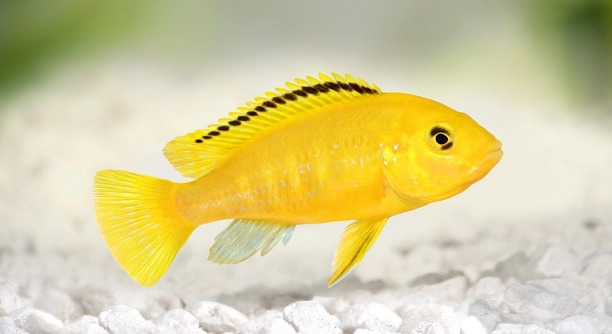
Have you ever noticed your cichlids changing colors suddenly while swimming in their tank? These fish communicate in ways that are not always obvious to the human eye. Light patterns often carry messages.
Cichlids interpret specific light patterns as warnings to signal aggression, territorial claims, or potential threats. Bright flashes, contrasting stripes, and sudden color shifts are common indicators used to communicate tension and dominance within their social groups.
Recognizing these patterns can help you understand their behavior better and maintain a calm and healthy aquarium environment. Observing these cues is essential for both beginners and experienced fish keepers.
Bright Flashes as a Warning
When cichlids suddenly display bright flashes along their bodies, it often signals agitation or aggression. These flashes can appear as sudden streaks of red, yellow, or blue, especially when other fish enter their territory. The intensity and frequency of these flashes usually increase if the intruder persists or if a dominant fish feels its space is threatened. Observing the pattern carefully helps you understand which fish is stressed and which one is asserting dominance. These visual cues are important because cichlids rely on sight more than sound to communicate. By noticing these flashes early, you can prevent fights and reduce stress in the aquarium. Maintaining stable water conditions, providing hiding spaces, and keeping compatible species together can minimize these warning behaviors. Watching these flashes consistently gives insight into the social structure and mood of your cichlids, allowing you to respond appropriately before tensions escalate.
Bright flashes are an immediate visual signal that a cichlid is uncomfortable or asserting dominance. Recognizing them quickly helps manage tank dynamics.
Bright flashes often precede physical interactions, such as chasing or nipping. When you notice repeated flashing, it indicates the fish is ready to defend its territory or test boundaries. Understanding which fish trigger these flashes is key. Some flashes are brief, while others persist for several seconds, signaling higher stress levels. These warning signs can be amplified by overcrowding, limited hiding places, or incompatible tank mates. By observing the frequency and location of these flashes, you can identify potential conflicts before they escalate. Adjusting tank layout, adding visual barriers, or separating aggressive individuals can maintain peace. Even subtle flashes are important; they can indicate minor irritations that, if ignored, may lead to injury. Experienced fishkeepers use these patterns to monitor tank health, behavior, and hierarchy. Over time, you learn to differentiate between casual flashes and serious warnings, allowing you to anticipate interactions and prevent unnecessary stress among your cichlids.
Contrasting Stripes Indicating Threats
Contrasting stripes appear when a cichlid senses danger or feels threatened. These dark and light bands can change in intensity depending on the level of stress or aggression.
When a fish displays contrasting stripes, it is usually asserting itself or reacting to a perceived threat. These stripes communicate boundaries without direct confrontation.
These patterns are most noticeable during territorial disputes or when new fish are introduced. Stripes can also indicate dominance within a group. Observing stripe changes helps track social interactions and reduces conflict. Stress, illness, or environmental changes may exaggerate the intensity. Keeping the tank stable, with enough space and hiding spots, minimizes unnecessary stress signals. Some species naturally display stripes more prominently, so understanding species-specific behaviors is important. Stripe patterns often occur alongside other warning signs, such as fin flaring or body shaking, creating a combined visual signal that conveys urgency. Careful observation allows you to identify which fish are leaders and which are submissive. By monitoring these signals consistently, you can make adjustments to tank conditions and placement, ensuring a balanced and peaceful environment for all cichlids.
Rapid Fin Flaring
Fin flaring is a clear sign of warning or aggression in cichlids. When a fish spreads its fins rapidly, it is making itself appear larger to intimidate others or defend its territory.
Fin flaring often occurs when two cichlids are in close proximity and establishing dominance. The extended fins increase visual size and signal readiness to fight if necessary. Some species flare more frequently, while others do so only in high-stress situations. This behavior is commonly paired with body posturing, chasing, or color changes. Observing who flares and under what conditions helps you understand tank hierarchy. Reducing overcrowding and providing hiding spaces can decrease constant flaring. Over time, you can predict potential conflicts based on flaring patterns, which helps maintain a calmer environment.
Repeated flaring without actual attacks usually indicates ongoing tension. By tracking these behaviors, you can adjust tank mates or spaces to reduce stress. Ignoring persistent flaring can lead to injuries, so intervention is sometimes needed. Monitoring these cues keeps the tank balanced and prevents escalation.
Sudden Body Darkening
Sudden darkening of the body is a stress response or warning signal. Cichlids darken to indicate discomfort, aggression, or submission in a tense situation.
Darkened coloration often accompanies other warning behaviors such as fin flaring or rapid swimming. This response signals to other fish that the individual is alert and prepared to react. Environmental changes, new tank mates, or limited space often trigger it. Observing the degree and speed of darkening helps determine the severity of stress and potential conflicts within the tank.
This behavior is particularly noticeable in territorial disputes or when fish feel threatened by intruders. By watching patterns of darkening, you can identify which individuals dominate and which are more submissive. Adjusting lighting, tank layout, or separating aggressive fish can reduce stress. Some species also darken during breeding, adding complexity to interpretation. Recognizing sudden body darkening alongside other cues allows careful management of tank dynamics, ensuring harmony and the well-being of all cichlids.
Gill Cover Raising
Raising the gill covers is a defensive signal in cichlids. When the gill covers flare out, the fish is showing readiness to defend itself or its territory against perceived threats.
This behavior often accompanies fin flaring or sudden body darkening. It communicates dominance or caution to other fish without direct physical aggression.
Rapid Side-to-Side Movements
Cichlids often move quickly from side to side when they feel threatened. This erratic swimming serves as a warning and can deter intruders from approaching their territory. Rapid lateral movements are usually paired with other visual signals, emphasizing the urgency of the warning and the fish’s readiness to defend itself.
Eye Spot Display
Eye spots on the body or fins act as warnings. They make the fish appear larger or confuse potential rivals, reducing the chance of attacks. Eye spot displays are most prominent during aggressive encounters or when defending territory. Observing changes in their size and brightness helps track stress and dominance.
What does it mean when my cichlid suddenly changes color?
Sudden color changes in cichlids usually indicate stress, aggression, or a response to environmental changes. Darkening often signals tension or a warning to other fish. Bright flashes or intensified stripes can show dominance or territorial defense. These visual cues are essential for maintaining social order and avoiding conflicts.
Why is my cichlid flaring its fins constantly?
Constant fin flaring is a sign of territorial behavior or agitation. It is a way for cichlids to appear larger and assert dominance without direct attacks. Frequent flaring may indicate overcrowding, incompatible tank mates, or limited hiding spots. Reducing stressors and observing who triggers flares can help manage aggression.
What do contrasting stripes indicate in cichlids?
Contrasting stripes usually indicate threats or social tension. Dark and light bands become more pronounced when a fish feels challenged or threatened. These stripes communicate boundaries and dominance without requiring physical confrontation. Monitoring stripe changes helps maintain a peaceful tank environment.
How should I respond to gill cover raising?
Gill cover raising signals defense or aggression. When you notice this, it is important to observe the context and other behaviors, such as fin flaring or body darkening. Ensuring enough space and hiding areas reduces stress and prevents escalation of conflicts.
What does rapid side-to-side swimming mean?
Rapid lateral movements serve as a warning and a method to deter intruders. It is often accompanied by fin flaring, color changes, or eye spot displays. Recognizing this pattern helps identify stressed or territorial fish and allows for timely interventions to reduce tension in the tank.
Why do cichlids display eye spots?
Eye spots function as a warning or protective signal. They make the fish appear larger or confuse potential rivals, helping to prevent attacks. Changes in the size, brightness, or frequency of eye spot displays indicate varying levels of stress or territorial assertion.
Can these warning behaviors indicate health problems?
Yes. While most warning behaviors are social or territorial, persistent or exaggerated signals can indicate illness, poor water conditions, or malnutrition. Observing behavior alongside water quality and feeding habits can help distinguish between stress-related warnings and health issues.
How can I reduce stress-related warning behaviors in my tank?
Providing adequate space, hiding places, and compatible tank mates minimizes constant warnings. Stable water parameters, regular feeding schedules, and careful observation of social interactions reduce tension. Monitoring behaviors consistently allows adjustments before aggression escalates.
Do these behaviors vary between species?
Absolutely. Different cichlid species show distinct patterns of flaring, color changes, stripe intensity, and eye spot displays. Understanding species-specific behaviors is key to interpreting warnings correctly and managing tank dynamics effectively.
When is intervention necessary?
Intervention is needed when warnings escalate into aggression, injuries occur, or a fish is consistently stressed. This can involve rearranging tank layout, separating aggressive individuals, or adjusting stocking density. Timely action ensures safety and reduces long-term stress for all cichlids.
How long do these warning signals last?
The duration depends on the situation and the individual fish. Brief flashes or flares may last seconds, while ongoing tension can result in prolonged displays. Tracking these patterns helps determine the severity of stress and guides management strategies for a calmer aquarium.
Can I prevent warning behaviors entirely?
Prevention is challenging because these behaviors are natural communication methods. However, careful species selection, adequate space, hiding spots, and stable tank conditions can minimize unnecessary warnings and keep interactions mostly calm. Observing patterns and responding proactively is the most effective approach.
What signs indicate my cichlid is not just warning but preparing to attack?
Indicators include persistent fin flaring, rapid side-to-side movements, sudden darkening, and intense eye spot displays. When these behaviors are sustained and accompanied by chasing or nipping, the risk of aggression is high. Identifying these patterns early allows intervention to prevent injury.
How can I tell which fish are dominant?
Dominant fish often display the most frequent and intense warning behaviors. They flare fins, darken their body, raise gill covers, and may chase others. Submissive fish show paler colors, avoid confrontations, and hide more often. Observing these interactions over time clarifies the social hierarchy in the tank.
Is it normal for cichlids to warn each other even without direct threats?
Yes. Warning behaviors are part of daily social interactions and establishing boundaries. Even in the absence of immediate danger, cichlids communicate using flashes, stripes, flares, and movements to maintain order and reduce physical conflicts.
How do breeding or mating seasons affect warning behaviors?
During breeding, warning behaviors intensify. Territoriality increases, color changes become more pronounced, and flaring is frequent. These behaviors protect nests and mates, making it crucial to provide extra space and hiding spots to prevent injuries during this period.
Can observing these warnings improve tank management?
Absolutely. Recognizing and interpreting warning patterns allows better tank organization, species selection, and environmental adjustments. It helps prevent fights, reduces stress, and supports healthy social structures. Regular observation is key to maintaining a peaceful, thriving aquarium.
What equipment or tools can help monitor these behaviors?
Clear lighting, unobstructed tank views, and recording devices can help track behavioral patterns over time. Notes on color changes, flaring frequency, and stripe intensity assist in identifying stress triggers and social hierarchy, aiding proactive tank management.
Do cichlids communicate with these warnings beyond visual signals?
While visual cues are primary, cichlids also use subtle body vibrations, water movements, and minor posturing to reinforce messages. Combining these cues ensures other fish receive warnings effectively, maintaining order in their social structure and reducing physical confrontations.
How quickly should I act when I notice warning behaviors?
Immediate observation is crucial. Minor warnings may resolve naturally, but escalating patterns require swift action to prevent injury. Adjusting tank layout, adding hiding spaces, or separating aggressive individuals can reduce tension and maintain a calm environment for all fish.
Are juvenile cichlids’ warnings different from adults’?
Yes. Juveniles may show less intense displays, such as brief flashes or small fin movements. Adults display stronger and more frequent warnings, reflecting established social hierarchies and territorial behavior. Understanding these differences prevents misinterpretation and ensures appropriate tank management.
Can stress from external factors trigger warning behaviors?
External stressors like loud noises, sudden light changes, or water parameter shifts can intensify warning behaviors. Even minor disturbances can prompt flashes, flares, or darkening, signaling the need to stabilize the environment and reduce unnecessary stress.
How important is it to separate aggressive individuals?
Separating aggressive fish is sometimes essential to prevent injury and long-term stress. Identifying frequent instigators and providing separate spaces or tanks ensures the safety of other fish and maintains a balanced social structure.
Do cichlids ever fake warnings?
Cichlids use warning behaviors strategically rather than deceitfully. Some displays may appear exaggerated to prevent confrontation without physical fights. Recognizing patterns over time helps distinguish genuine aggression from bluffing, allowing better tank management.
Can diet influence warning behaviors?
A balanced diet supports overall health and reduces stress-related warnings. Nutritional deficiencies or irregular feeding may exacerbate aggression, flaring, or color changes. Ensuring proper nutrition keeps fish calmer and warning behaviors more predictable.
Are there common mistakes in interpreting cichlid warnings?
Yes. Misreading subtle flashes, mistaking breeding colors for stress, or ignoring environmental triggers can lead to improper management. Careful observation, species knowledge, and consideration of context are necessary to accurately interpret signals and respond appropriately.
How often should I monitor warning behaviors?
Daily observation is recommended. Even brief periods of monitoring reveal patterns, hierarchy shifts, and potential conflicts. Consistent tracking helps maintain a stable, peaceful aquarium and allows timely adjustments before aggression escalates.
Can environmental enrichment reduce warning behaviors?
Yes. Adding rocks, plants, and hiding spots gives fish options to retreat, reducing conflicts. Complex environments allow natural expression of behaviors without constant stress, lowering the frequency and intensity of warnings in the tank.
Do warning behaviors affect the overall health of cichlids?
Chronic stress from frequent warning behaviors can impact immunity, growth, and reproductive success. Managing aggression and providing adequate space and resources ensures fish remain healthy while expressing natural communication signals.
Are these behaviors the same in all cichlid species?
No. While general patterns like flaring, flashes, and darkening are common, intensity, frequency, and triggers vary by species. Understanding species-specific behaviors is essential for accurate interpretation and effective tank management.
Can observing these behaviors improve breeding success?
Yes. Recognizing territorial displays, dominance patterns, and stress signals helps create optimal conditions for breeding. Providing proper space, compatible tank mates, and reduced stress increases the likelihood of successful mating and fry survival.
How do I track long-term behavior changes?
Recording notes, taking photos, or using video helps identify shifts in aggression, dominance, or stress over time. Tracking these changes supports better management decisions, ensures well-being, and helps prevent injuries or prolonged tension among cichlids.
Is it necessary to adjust tank lighting for warning behaviors?
Proper lighting makes visual cues more visible but should mimic natural conditions. Too bright or inconsistent lighting can increase stress and exaggerate warnings. Balanced illumination supports natural communication while minimizing unnecessary tension.
Can multiple warning signals occur simultaneously?
Yes. Flashes, fin flaring, darkening, gill cover raising, and rapid movements often occur together to emphasize the message. Observing combined behaviors provides a clearer understanding of urgency, stress, or dominance levels within the tank.
What are the most reliable signs of serious aggression?
Persistent fin flaring, repeated chasing, intense darkening, and constant rapid movements indicate serious aggression. Early identification and intervention are crucial to prevent injury, especially in tanks with limited space or high population density.
How do I balance multiple cichlids’ warnings in one tank?
Careful observation of hierarchies, providing adequate space, and separating aggressive individuals when needed helps balance multiple fish. Maintaining hiding spots, monitoring interactions, and adjusting environmental conditions ensures stress is minimized and social dynamics remain stable.
Are juvenile warning signals different in interpretation than adults?
Juveniles may show shorter, less intense displays. Recognizing subtle warning signals in young fish prevents misinterpretation and prepares for their eventual adult behaviors. Understanding developmental differences aids in managing tank dynamics safely and effectively.
Can external stimuli like tapping on the glass trigger warnings?
Yes. Sudden movements, vibrations, or tapping can cause flaring, color changes, or rapid swimming. Minimizing disturbances helps prevent unnecessary stress and keeps warning behaviors relevant to natural social interactions rather than external irritants.
Do warning signals ever indicate fear rather than aggression?
Yes. Many displays, such as darkening or fleeing, are defensive and indicate fear rather than intent to attack. Differentiating fear-based signals from aggressive dominance cues helps guide appropriate interventions and tank management strategies.
How does tank size affect warning behaviors?
Smaller tanks increase the frequency and intensity of warnings due to limited space and higher interaction rates. Providing adequate room allows natural behaviors without constant stress, reducing aggression and promoting a more stable social hierarchy.
Can observing warning behaviors prevent injuries?
Yes. Early recognition of flashes, flares, darkening, and movements allows proactive adjustments. Separating aggressive individuals, rearranging decorations, or adding hiding spots prevents fights and protects fish from harm.
How important is social hierarchy in interpreting warnings?
Social hierarchy dictates the intensity and frequency of warnings. Dominant fish display stronger signals, while submissive fish show avoidance. Understanding hierarchy helps predict interactions and manage tank dynamics effectively, preventing prolonged stress or injury.
Do warning behaviors change with age?
Yes. Adults display more pronounced and frequent warnings due to established territories and dominance roles. Juveniles show subtler signals, which evolve as they mature and integrate into the tank’s social structure. Recognizing these changes is essential for effective management.
Can stress from water quality affect warning behaviors?
Poor water quality increases frequency and intensity of warnings. High ammonia, nitrite, or incorrect pH can trigger flaring, darkening, or rapid movements. Maintaining stable parameters reduces unnecessary stress and keeps warning behaviors relevant to social communication rather than environmental discomfort.
Are these warning behaviors consistent across different tank setups?
Patterns remain similar, but frequency and intensity can vary with tank size, decoration, lighting, and population density. Adjustments in environment directly impact how often and how strongly cichlids display warning behaviors.
What is the role of hiding spaces in managing warnings?
Hiding spaces allow fish to retreat, reducing confrontation and stress. Rocks, plants, and caves provide visual barriers and secure zones, lowering the need for constant warnings and helping maintain a peaceful tank environment.
Do warning behaviors indicate readiness to breed?
Intense territorial displays, color changes, and fin flaring can coincide with breeding readiness. Recognizing these signals helps provide proper space and conditions, protecting nests and increasing chances of successful spawning.
Can I train myself to recognize subtle warnings?
Yes. Consistent observation of color changes, fin positions, and movements over time allows recognition of subtle cues. Recording and comparing behaviors helps differentiate minor stress signals from serious aggression, improving tank management skills.
Are there any tools to help interpret these warnings?
Video recording, notes, and species-specific guides help track behaviors and patterns. Comparing observations over time aids in understanding hierarchy, stress triggers, and aggression, ensuring appropriate and timely interventions in the tank.
Do environmental changes like new plants or decorations trigger warnings?
Yes. Changes in layout can temporarily increase stress and warning behaviors. Gradual introductions and careful placement help minimize conflicts while allowing fish to adjust to new surroundings.
Can frequent monitoring reduce aggression long-term?
Yes. Regular observation allows early intervention, adjustment of tank conditions, and identification of aggressive individuals. Consistent monitoring reduces prolonged stress, prevents injuries, and maintains a balanced social structure for all cichlids.
How do I know if warning behaviors are natural or exaggerated?
Natural behaviors are brief and context-specific, such as during territorial disputes. Exaggerated behaviors persist, occur without obvious triggers, or coincide with poor water conditions. Observation over time helps distinguish between normal communication and stress-induced exaggeration.
Are these warning behaviors important for cichlid survival?
Absolutely. They help establish territories, reduce physical fights, and communicate social hierarchy. Proper expression of these behaviors is essential for fish health, stress management, and maintaining order in a shared environment.
How do I interpret multiple behaviors at once?
Look at combinations of flaring, color changes, fin positions, and rapid movements. Together, they indicate the severity of stress or aggression. Understanding patterns rather than individual signals ensures accurate interpretation and timely responses.
Do warning behaviors decrease as cichlids get used to their tank?
Yes. Over time, fish establish social hierarchies and territories. Once stable, the frequency of warnings usually decreases, though occasional signals remain for minor disputes or environmental changes.
Can breeding pairs display more frequent warnings?
Yes. Pairs defending nests or offspring exhibit stronger and more frequent warnings to protect territory. Providing adequate space and hiding spots minimizes conflicts with other tank mates.
How do I know if a warning behavior indicates immediate danger?
Immediate danger is indicated by persistent flaring, darkening, chasing, and repeated rapid movements. Recognizing these signals allows quick action to separate or rearrange tank conditions to prevent injury.
Is it normal for a dominant fish to constantly display warnings?
Dominant fish naturally display more frequent signals to assert control. Constant warnings may be normal if minor and brief, but persistent aggressive displays could indicate stress or environmental issues that need adjustment.
Can I reduce warnings by adjusting feeding practices?
Yes. Regular feeding schedules and sufficient portions reduce competition and tension. Ensuring all fish receive enough food prevents unnecessary aggression and minimizes stress-related warning behaviors.
Do environmental enrichment and hiding spots reduce stress?
Providing rocks, plants, and caves allows fish to retreat and reduces confrontation. Complex environments let cichlids communicate naturally without constant warnings, promoting a calmer and healthier tank environment.
How can I tell if a fish is submissive?
Submissive fish avoid confrontations, show paler colors, and retreat when warnings occur. They rarely flare fins or darken, indicating acceptance of the established hierarchy and helping reduce prolonged conflicts.
Are warning behaviors more intense in crowded tanks?
Yes. Limited space increases competition, triggering more frequent and intense signals. Proper stocking density and sufficient hiding areas reduce unnecessary stress and help maintain harmony.
Do juvenile cichlids exhibit the same warning behaviors as adults?
Juveniles display subtler signals like short flashes, small fin movements, or minor color changes. These behaviors gradually intensify as they mature and take on adult social roles.
Can warning behaviors indicate illness?
Persistent, exaggerated, or unusual signals may indicate health problems, especially if accompanied by lethargy, lack of appetite, or physical changes. Monitoring both behavior and water quality helps detect illness early.
How can I distinguish between stress and aggression?
Stress often shows as rapid swimming, hiding, or color fading. Aggression includes flaring, darkening, chasing, and territorial displays. Observing context and behavior combinations helps differentiate between the two.
Are warning behaviors always visual?
Mostly visual, but cichlids also use subtle vibrations, water movements, and posturing. These signals reinforce messages to other fish, ensuring effective communication without direct confrontation.
Can repeated observation improve my interpretation skills?
Yes. Watching behavior daily and taking notes allows recognition of subtle changes, patterns, and triggers. Over time, you can respond more effectively to warnings and maintain a stable, peaceful tank environment.
Do warning behaviors differ between males and females?
Males often display stronger, more frequent warnings, especially during territory establishment or breeding. Females may exhibit subtler signals but still use flashes, stripes, and fin movements to communicate stress or caution.
Is it normal for a cichlid to exaggerate warnings when new fish are introduced?
Yes. Newcomers disrupt established hierarchies, causing heightened displays like flaring, darkening, and rapid movements. Gradual introductions and monitoring reduce prolonged tension and injuries.
Can lighting changes influence warning behaviors?
Sudden or bright lighting can increase stress and exaggerate visual signals. Stable, natural-like lighting ensures warnings remain relevant to social interactions rather than environmental discomfort.
Do cichlids remember past conflicts?
Yes. Past interactions influence future behavior. Fish may react more aggressively or cautiously toward specific individuals based on prior disputes, affecting how often and intensely they display warning behaviors.
How can I create a calm environment for cichlids?
Provide adequate space, hiding spots, compatible tank mates, stable water conditions, and consistent feeding. Observing behavior regularly and adjusting the environment as needed helps reduce warnings and maintain a peaceful aquarium.
Are warning behaviors essential for breeding success?
Yes. They establish territories, protect nests, and communicate readiness. Recognizing and managing
Cichlids communicate a lot through visual cues, and understanding these warning signals is important for maintaining a healthy tank. The different light patterns, flashes, stripes, and body movements each have specific meanings that help fish establish territories, show dominance, or respond to stress. By paying attention to these behaviors, you can better understand the social structure in your aquarium. Recognizing the early signs of agitation or territorial disputes allows you to take action before conflicts escalate, which helps prevent injuries and reduces stress for all the fish in the tank. These signals are a natural part of their communication, and they occur even in calm environments. Being aware of them is not just about preventing fights, but also about appreciating how cichlids interact and express themselves.
Maintaining the right environment is key to keeping warning behaviors at manageable levels. Providing adequate space, hiding spots, and visual barriers allows fish to retreat when needed, lowering the intensity of aggressive displays. Stable water conditions, proper lighting, and a consistent feeding schedule also contribute to reducing stress. Even minor changes in the environment, such as introducing new decorations or altering the tank layout, can temporarily increase warning signals. Observing fish over time gives insight into which behaviors are normal and which indicate stress or potential conflict. You can use these observations to adjust tank conditions proactively, ensuring all fish feel secure and interactions remain balanced. Understanding the social hierarchy is also crucial, as dominant fish display stronger signals while submissive fish retreat, helping to maintain order within the group.
Finally, tracking and interpreting warning behaviors helps you manage your aquarium effectively and ensures the well-being of your cichlids. By noticing patterns such as fin flaring, rapid movements, darkening, and eye spot displays, you can identify sources of tension and act accordingly. Some behaviors may indicate temporary stress, while others can signal aggression or health issues, so careful observation is necessary. Over time, you will become more confident in reading these cues and making adjustments to the tank that support a peaceful and healthy environment. These signals are an essential part of cichlid communication, and understanding them enhances your ability to care for the fish responsibly. Consistent monitoring, environmental management, and attention to social interactions help create a calm, thriving aquarium where cichlids can live safely and express natural behaviors without unnecessary stress.

Hello,
If you enjoy the content that we create, please consider saying a "Thank You!" by leaving a tip.
Every little bit helps us continue crafting quality advice that supports the health, happiness, and well-being of pets around the world, for pets of all shapes, sizes, and species.
We really appreciate the kindness and support that you show us!