
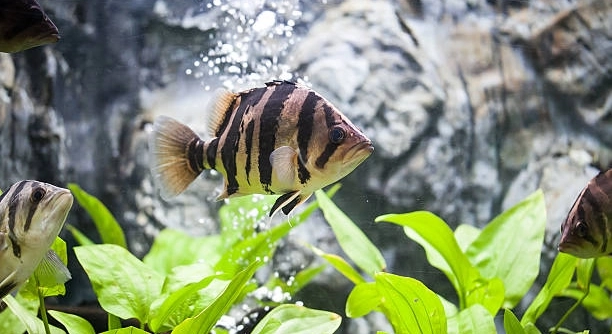
Tiger barbs are lively fish that many enjoy keeping in home aquariums. Their behavior and health can be influenced by various factors, including the light levels in their environment. Proper lighting can help create a calm and balanced setting for these active fish.
Seven specific light levels have been identified to help calm tiger barbs. These levels range from low to moderate intensity, avoiding harsh brightness that may cause stress. Consistent lighting schedules also contribute to their well-being and reduce aggressive behavior.
Understanding how light affects tiger barbs is important for any aquarium keeper. The following details will help you create a peaceful and healthy habitat for your fish.
The Importance of Light Intensity for Tiger Barbs
Light intensity plays a big role in how tiger barbs behave in an aquarium. Too much bright light can make them restless and increase their aggression. On the other hand, low light helps reduce stress and creates a more peaceful environment. It’s important to find the right balance, as these fish need some light for their natural rhythms and to see their surroundings clearly. Moderate lighting mimics their natural habitat and helps them feel secure. When setting up your tank, avoid strong overhead lights or direct sunlight, as these can cause sudden changes that disturb the fish. Using adjustable lighting or dimmers can be helpful to control the intensity throughout the day. Consistent light cycles also support their biological clock, which affects feeding, activity, and rest patterns. Paying attention to how your tiger barbs react to different light levels will guide you in maintaining an environment that keeps them calm and healthy.
Keeping lighting consistent is key to a stable tank environment for tiger barbs.
Light intensity is only one part of managing the tank’s lighting. Equally important is the timing and duration of the light exposure. Natural conditions rarely expose tiger barbs to constant brightness, so simulating a day-night cycle is essential. About 8 to 10 hours of light daily is ideal for most tanks, giving the fish enough time to be active but also rest. Sudden changes, like turning the lights on and off abruptly, can startle tiger barbs. Using timers helps maintain a steady schedule without human error. During darker hours, a dim night light can help reduce stress without disrupting their rest. Watching your fish closely after changing light settings helps you see what works best. The goal is a lighting environment that supports their health and reduces aggressive displays, creating a more enjoyable experience for anyone caring for them.
Choosing the Right Light Spectrum
Light spectrum refers to the color or type of light in the aquarium. Tiger barbs do best under natural white or slightly warm lights. These mimic the sunlight they would experience in shallow waters and help them show their best colors. Blue or cool-toned lights, while popular for some fish, can sometimes make tiger barbs feel uneasy. Avoid overly bright or flashy colors, as these might cause the fish to dart around or hide more often. A balanced light spectrum supports their vision and keeps their natural behaviors intact. Using full-spectrum LED lights designed for freshwater tanks is a good option. These lights provide consistent, gentle illumination without overheating the tank. Also, the right spectrum can improve plant growth in planted tanks, which adds to the fish’s comfort by creating hiding spots and a more natural setting. Adjusting the spectrum helps create an inviting and calm atmosphere for tiger barbs.
Using Dim Lighting at Night
Dim lighting during nighttime helps tiger barbs feel safe without disturbing their rest. It reduces sudden changes in brightness that can stress the fish. A soft, low light creates a calm environment while allowing them to adjust to darkness gradually.
Nighttime dim lighting mimics natural conditions where light fades slowly at dusk. This gradual change prevents shock that might come from turning off lights abruptly. Using a red or blue LED night light is effective because it’s less harsh and doesn’t interfere with their sleep cycle. It also helps you observe your fish without stressing them. Avoid using bright white lights at night, which can confuse their internal clocks and increase stress. The right dim lighting supports their natural rhythm and reduces aggression, making the aquarium a peaceful place around the clock.
Consistent dim lighting encourages healthy sleep habits and keeps tiger barbs calm during the night.
The Role of Light Placement
Light placement affects how tiger barbs experience their environment. Positioning lights directly above the tank provides even illumination, reducing shadows that might frighten the fish. Placing lights too close or at odd angles can create glare or hotspots, causing discomfort. Ensuring the light is spread evenly avoids sudden bright patches that trigger stress or aggressive behavior. Using diffusers or frosted covers softens the light and creates a more natural look. It also helps plants grow evenly, enhancing the habitat. Proper placement balances brightness without overwhelming the fish, helping tiger barbs stay calm and active throughout the day.
Avoiding Sudden Light Changes
Sudden changes in lighting can startle tiger barbs and raise their stress levels. Abrupt switching between bright and dark causes confusion and may trigger aggressive behavior.
Using a timer for lights ensures gradual and predictable transitions. This helps tiger barbs adjust smoothly and keeps their environment stable, reducing unnecessary tension.
Natural Light vs. Artificial Light
Natural light offers a full spectrum and gentle variation throughout the day. However, it can be inconsistent and too strong at times for tiger barbs. Artificial lights provide more control over intensity and timing, creating a safer environment that supports the fish’s well-being better than uncontrolled sunlight.
Benefits of Adjustable Lighting
Adjustable lighting allows precise control over brightness and spectrum. This flexibility helps match the tank’s light to the tiger barbs’ needs at different times, improving their comfort and reducing stress.
FAQ
What light level is best for tiger barbs?
The best light level for tiger barbs is moderate, avoiding very bright or very dim lighting. Moderate light mimics their natural habitat and helps keep them calm. Around 8 to 10 hours of consistent lighting daily supports their natural rhythms without causing stress or aggression.
Can too much light harm tiger barbs?
Yes, too much light can stress tiger barbs and make them more aggressive. Bright lights can cause them to dart around nervously or hide. It can also disrupt their feeding and resting cycles. Keeping light levels moderate and using timers to maintain consistency helps prevent these issues.
Is natural sunlight good for aquarium lighting?
Natural sunlight can be uneven and too strong, causing temperature changes and algae growth. It often creates glare or hotspots in the tank, stressing the fish. Artificial lights designed for aquariums are better because they provide controlled and balanced lighting.
How long should aquarium lights stay on each day?
A lighting period of 8 to 10 hours per day is ideal for tiger barbs. This gives them enough light to be active and feed but also enough dark time to rest. Using a timer helps keep this schedule steady, which supports their health and behavior.
What type of light spectrum is best for tiger barbs?
Full-spectrum or natural white light is best. It shows the fish’s colors well and matches their natural environment. Blue or overly cool lights can make them uneasy. Balanced lighting also helps plants grow, creating a better habitat overall.
Does dim lighting at night help tiger barbs?
Yes, dim lighting at night reduces sudden changes in brightness and helps tiger barbs adjust to darkness calmly. Using red or blue night lights can keep the tank softly lit without disturbing their sleep cycle or causing stress.
How does light placement affect tiger barbs?
Light placed evenly above the tank prevents shadows and glare that can scare tiger barbs. Lights too close or at odd angles cause bright spots that stress the fish. Using diffusers or frosted covers softens the light for a more natural feel.
Should I use adjustable lighting in my tank?
Adjustable lighting is very helpful. It lets you control brightness and spectrum to match tiger barbs’ needs at different times. This flexibility reduces stress and keeps the fish comfortable. It also helps with plant growth and overall tank aesthetics.
Can sudden light changes cause aggression?
Sudden light changes startle tiger barbs, increasing stress and aggression. Switching lights on or off abruptly can make fish dart or fight. Using timers and gradual transitions keeps the environment stable and calmer for the fish.
Is there a difference between lighting needs for young and adult tiger barbs?
Young tiger barbs may prefer slightly lower light levels as they are more sensitive. Adults handle moderate light well but still need consistent schedules. Adjust lighting gradually if you notice signs of stress in younger fish.
How do I know if my tiger barbs are stressed by light?
Signs include hiding more than usual, frantic swimming, or aggression toward tank mates. If these behaviors appear after changing light settings, it’s a sign the lighting may be too intense or inconsistent.
Can light help reduce aggression in tiger barbs?
Yes, proper lighting reduces stress and aggression. Balanced intensity, natural spectrum, and steady timing all contribute to calmer behavior. Light helps regulate their biological clock, which affects mood and social interactions.
Is it okay to leave aquarium lights on overnight?
It’s best to avoid leaving lights on overnight. Tiger barbs need dark periods for rest. Constant light disrupts their sleep cycle and can increase stress. If some light is necessary, keep it dim and soft to minimize impact.
How do plants in the aquarium interact with lighting for tiger barbs?
Plants need the right light to grow, which improves water quality and offers hiding places. Healthy plants create a natural setting that helps tiger barbs feel secure. Proper lighting benefits both plants and fish, supporting a balanced ecosystem.
What’s the best way to transition lighting in the tank?
Using timers to slowly turn lights on and off is the best way. This prevents sudden brightness changes that can startle fish. Gradual transitions mimic dawn and dusk, helping tiger barbs adjust naturally.
Are there specific brands or types of lights recommended for tiger barbs?
LED lights made for freshwater aquariums with adjustable settings are popular choices. Look for full-spectrum options that offer control over intensity and color temperature. These lights support fish health and plant growth without overheating the tank.
How often should I adjust lighting settings?
Adjust lighting only if you notice stress or unwanted behavior. Frequent changes can confuse tiger barbs. Once you find a comfortable setting, keep it consistent. Seasonal adjustments can be made gradually if needed.
Can lighting affect the coloration of tiger barbs?
Yes, the right lighting enhances their natural colors. Full-spectrum light brings out the vibrant stripes and hues. Poor lighting may make colors dull and hide details, reducing the visual appeal of your fish.
Is it important to have a dark period even if using artificial lighting?
Absolutely. Tiger barbs need a clear day-night cycle to maintain healthy biological rhythms. A dark period helps them rest and recover, which supports immune function and overall well-being.
What should I do if my tiger barbs seem overly active under the current lighting?
Try lowering the light intensity or shortening the lighting duration. If possible, use dimmer or softer lights. Observe if the fish become calmer with these changes, and adjust slowly to avoid sudden stress.
How does aquarium size affect lighting for tiger barbs?
In larger tanks, light may not reach all areas evenly. Using multiple light sources or diffusers helps create balanced illumination. Smaller tanks may need lower intensity to avoid bright spots. Adjust lighting based on tank size and layout for best results.
Final Thoughts
Proper lighting is a key factor in creating a calm and healthy environment for tiger barbs. Finding the right balance of light intensity and spectrum helps reduce stress and aggressive behavior in these active fish. Moderate lighting, consistent schedules, and avoiding sudden changes all contribute to their well-being. Paying attention to how your tiger barbs react to different light settings will guide you in adjusting the aquarium lighting to meet their needs.
Using artificial lights designed for freshwater aquariums allows better control over light levels compared to relying on natural sunlight. Adjustable LED lights offer the flexibility to change brightness and color spectrum as needed, helping maintain a stable environment. Dim lighting at night and evenly placed lights throughout the tank also support the fish’s natural rhythms and comfort. Proper light placement avoids harsh shadows or bright spots that could scare the fish. Keeping a steady light cycle helps tiger barbs feel secure and behave more calmly.
Lighting also benefits the overall tank environment beyond the fish themselves. It supports plant growth, which creates hiding places and adds to the natural feel of the aquarium. Healthy plants improve water quality, which further helps tiger barbs stay healthy. Combining good lighting with clean water and proper care leads to a balanced habitat where tiger barbs can thrive. Taking time to observe and adjust the lighting based on your fish’s behavior will make a positive difference in their daily life and your enjoyment as an aquarium keeper.

Hello,
If you enjoy the content that we create, please consider saying a "Thank You!" by leaving a tip.
Every little bit helps us continue crafting quality advice that supports the health, happiness, and well-being of pets around the world, for pets of all shapes, sizes, and species.
We really appreciate the kindness and support that you show us!