
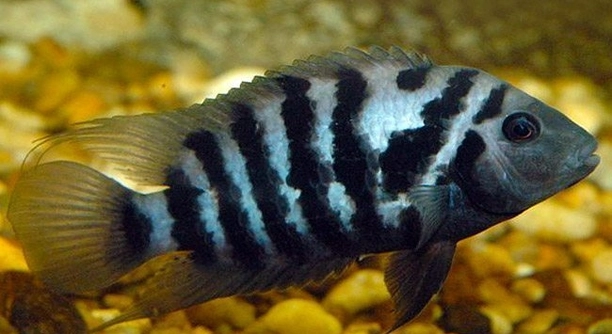
Cichlids are popular aquarium fish known for their vibrant colors and active behavior. Proper lighting plays an important role in their comfort and well-being. Adjusting light levels can create a better environment for these beautiful fish.
Seven light adjustments can significantly improve cichlid comfort by reducing stress, enhancing natural behaviors, and supporting their health. These adjustments include managing brightness, timing, color spectrum, and avoiding sudden changes in lighting conditions.
Learning these simple light adjustments will help you create a more balanced and comfortable habitat for your cichlids, promoting their long-term happiness and vitality.
Adjust Brightness Gradually
Sudden changes in light brightness can stress cichlids and cause them to hide or behave unusually. It’s best to adjust the lighting slowly over several minutes. Using a dimmer or gradually increasing the intensity mimics natural light changes, making the environment feel safer. Bright lights can also cause eye damage or bleaching of colors in cichlids, so careful control is necessary. Some species prefer dimmer conditions, while others need moderate light to thrive. Observing your fish’s reactions can help you find the right brightness level. A balance between too bright and too dark will keep them active and comfortable. It is important to avoid direct sunlight on the tank to prevent overheating and algae growth. Consider timers or automated lighting systems to maintain a steady routine and avoid sudden spikes in light. Gradual adjustments support better fish health and tank aesthetics.
Light levels that change smoothly help cichlids stay calm and healthy over time.
Properly controlled lighting reduces stress and enhances natural colors, creating a better experience for both fish and owner.
Use a Consistent Lighting Schedule
Maintaining a consistent lighting schedule helps regulate cichlid behavior and biological rhythms.
Cichlids rely on stable day-night cycles to know when to feed, rest, and interact. Interruptions or inconsistent lighting can lead to stress and irregular behavior. Most aquariums benefit from 8 to 12 hours of light per day, which mimics natural conditions. Using a timer can automate this process and reduce human error. Consistent lighting also helps control algae growth by limiting exposure time. It’s best to turn lights on in the morning and off at night, avoiding nighttime disturbances. Some cichlids become more active during specific times, so a regular schedule supports their natural habits. Consistency improves overall tank health and promotes a predictable environment that cichlids feel safe in. Monitoring your cichlids will help you adjust lighting duration as needed for their specific needs.
Choose the Right Light Spectrum
Cichlids respond well to lighting that mimics natural daylight, typically between 6,500K and 10,000K.
Using a light spectrum close to natural sunlight helps highlight their colors and supports plant growth in planted tanks. Avoid overly blue or red lights, which can distort colors and stress fish. Full-spectrum LED lights are often the best choice because they provide balanced light without excess heat. Some cichlids prefer slightly warmer tones, so it’s good to observe your fish and adjust accordingly. The right spectrum improves fish activity and overall tank appearance, making it more enjoyable for both you and your cichlids.
Lighting that matches natural conditions encourages healthy behavior and makes your cichlids’ colors more vibrant. Proper spectrum selection also supports beneficial algae and plants, contributing to a stable ecosystem within your aquarium.
Avoid Direct and Harsh Lighting
Direct lighting can cause stress and discomfort for cichlids, especially those that prefer shaded areas.
Harsh light can lead to constant hiding and reduced activity, which affects their well-being. Using diffused lighting or placing decorations and plants to create shaded spots helps fish feel secure. Reflective surfaces and overly bright bulbs can increase glare, causing fish to avoid certain tank areas. Adjust light placement or add covers to soften the intensity. Creating varied light zones simulates natural habitats and encourages natural behaviors like exploring and resting. Properly softened light contributes to a balanced and comfortable environment, reducing fish stress and promoting health. Avoiding direct, harsh light is essential for a peaceful aquarium.
Provide Shaded Areas
Cichlids need places to retreat from bright light to feel safe. Adding plants or decorations creates natural shaded zones.
Shaded areas reduce stress and mimic their natural habitat. This encourages more natural behavior and keeps them comfortable throughout the day.
Use Timers for Consistency
Timers help maintain a regular light cycle without manual effort. They ensure lighting stays consistent, supporting fish health and reducing stress from irregular changes.
Avoid Flickering Lights
Flickering lights can confuse and stress cichlids. Use high-quality, stable lighting systems to keep the light steady and comfortable for your fish.
Adjust Light According to Species
Different cichlid species have varying light needs. Research your species and tailor the lighting to suit their preferences and natural environment.
FAQ
How often should I change the lighting schedule for my cichlid tank?
It’s best to keep the lighting schedule consistent. Changing it frequently can confuse your cichlids and cause stress. Aim for about 8 to 12 hours of light each day and use a timer to maintain the same schedule daily. Consistency helps regulate their natural rhythms and supports healthy behavior.
What type of bulbs work best for cichlid tanks?
LED bulbs designed for aquariums are usually the best choice. They offer full-spectrum light, produce less heat, and are energy-efficient. Avoid incandescent bulbs as they can overheat the tank and don’t provide the right light spectrum. Some LEDs allow you to adjust brightness and color temperature, which helps tailor the lighting to your cichlids’ needs.
Can too much light harm my cichlids?
Yes, excessive light can stress cichlids, causing them to hide or show signs of discomfort. It may also promote unwanted algae growth, which can affect water quality. Keep light exposure within 8 to 12 hours daily and provide shaded areas for your fish to retreat from bright light.
Why does my cichlid hide when the lights turn on?
Hiding can be a sign that the light is too bright or sudden changes are scaring your fish. Gradually increase brightness and avoid turning lights on abruptly. Also, ensure there are shaded areas in the tank where your cichlids can feel safe.
Is natural sunlight good for my aquarium?
Direct natural sunlight is not recommended because it can cause temperature fluctuations and promote rapid algae growth. Indirect sunlight might be fine but monitor your tank’s temperature closely. Artificial lighting controlled with timers is a safer and more reliable option.
How can I make sure my plants and cichlids both get enough light?
Use full-spectrum LED lights that support plant growth without being too harsh for fish. You can adjust the duration and intensity to meet both plants’ and cichlids’ needs. Adding floating plants or decorations can also help provide shade and balance light distribution.
What happens if the lighting flickers or is unstable?
Flickering lights can stress fish and disrupt their natural behavior. It can cause anxiety and reduce their appetite. Invest in high-quality lighting fixtures and avoid using incompatible dimmers or old bulbs that may flicker. Consistent lighting is essential for a healthy aquarium.
Should I change the light spectrum for different cichlid species?
Yes, some cichlids prefer cooler blue tones, while others thrive under warmer lights. Research your species’ natural environment and choose lighting that mimics those conditions. Adjusting the spectrum can enhance their colors and improve overall well-being.
Can I use colored lights to make my cichlids look better?
Colored lights can make fish colors pop but can also cause stress if too intense or unnatural. It’s best to use subtle full-spectrum lighting for daily use. Colored lights can be used occasionally but avoid prolonged exposure to prevent discomfort.
How do I know if my cichlids are stressed from lighting?
Signs include hiding more than usual, decreased activity, loss of color vibrancy, and irregular swimming. If you notice these behaviors after changing lighting, try adjusting brightness, duration, or adding shaded areas to reduce stress.
What’s the best way to introduce new lighting to an established tank?
Introduce new lighting gradually over a few days by increasing brightness in small steps. This helps cichlids adjust without shock. Use timers to keep a consistent schedule and monitor fish behavior for any signs of stress or discomfort.
Are timers necessary for small home aquariums?
Yes, even small tanks benefit from timers. They keep the light cycle regular and free you from having to remember switching lights on or off. Regular lighting cycles support fish health and prevent algae overgrowth.
Can lighting affect cichlid breeding?
Lighting plays a role in breeding behavior by simulating natural day-night cycles. Consistent lighting helps cichlids feel secure and can encourage spawning. Avoid sudden light changes or intense lighting during breeding periods, as these may disrupt mating behavior.
What should I do if my cichlids don’t seem to like the current lighting?
Try lowering the brightness or changing the light spectrum to better match their preferences. Adding plants or decorations for shade can help. Observe their behavior and adjust gradually until they seem more comfortable and active.
Proper lighting is a key part of creating a comfortable environment for cichlids. It affects their behavior, health, and overall well-being. By paying attention to the type, brightness, and timing of light, you can help your fish feel more at ease in their aquarium. Balanced lighting supports natural activities like feeding, swimming, and resting. It also enhances their beautiful colors, making your tank look more vibrant and enjoyable. Simple changes such as adding shaded areas or using timers can make a big difference in how your cichlids respond to their surroundings.
Each species of cichlid has its own preferences for light, so it is important to research the needs of the fish you keep. Some cichlids come from environments with bright sunlight, while others live in shaded or deeper waters where light is dimmer. Matching the lighting in your tank to their natural habitat helps reduce stress and encourages natural behavior. Gradual adjustments in brightness and avoiding flickering or harsh light will create a stable, calm atmosphere. Using full-spectrum LED lights is often the best option because they offer good color balance and are energy efficient.
Maintaining a consistent light schedule is just as important as the type of lighting used. Cichlids rely on regular day and night cycles to regulate their activities and biological rhythms. Using timers to control lighting ensures your aquarium stays on a reliable schedule without manual effort. This consistency not only supports fish health but also helps control algae growth. Proper lighting, combined with clean water and a balanced diet, plays a vital role in the long-term health and happiness of your cichlids. Paying attention to these details will help you build a thriving and visually pleasing aquarium.

Hello,
If you enjoy the content that we create, please consider saying a "Thank You!" by leaving a tip.
Every little bit helps us continue crafting quality advice that supports the health, happiness, and well-being of pets around the world, for pets of all shapes, sizes, and species.
We really appreciate the kindness and support that you show us!