
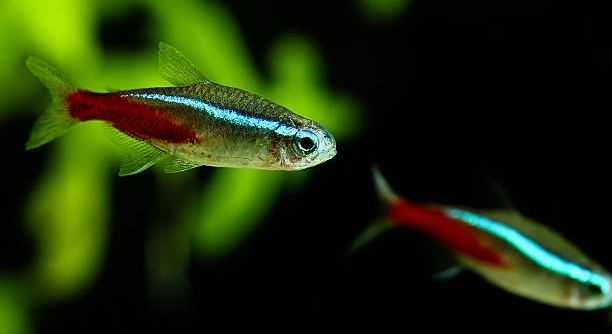
A healthy Neon Tetra aquarium is crucial for ensuring the well-being of your fish. Maintaining a thriving environment will help them flourish, showcasing their vibrant colors and active behavior. Observing key signs can help you achieve this.
Key indicators of a healthy Neon Tetra aquarium include clean water, stable water parameters, proper filtration, and balanced nutrition. Regularly monitoring the fish’s behavior and environment will allow you to make timely adjustments and prevent potential health issues.
Maintaining a stable and clean tank environment is essential for your Neon Tetras’ long-term health. Understanding these key factors will help you ensure they thrive.
Proper Water Conditions for Neon Tetras
Maintaining the right water parameters is crucial for the health of Neon Tetras. These fish thrive in slightly acidic water, typically with a pH between 6.0 and 7.0. The water temperature should be kept between 72°F and 78°F (22°C to 26°C). Ammonia and nitrite levels should always be at zero, as these substances are toxic to the fish. Regular water changes—around 20-25% per week—help keep the environment clean and stable. A reliable test kit can help you monitor water quality, ensuring that levels stay within safe ranges for your Neon Tetras.
A stable water environment is key to your fish’s well-being. Regular testing will help you identify potential problems before they worsen.
In addition to pH and temperature, nitrate levels should be kept below 20 ppm (parts per million). Over time, excess nitrates can harm your fish, causing stress and health issues. Proper filtration, along with regular water changes, ensures that harmful toxins do not build up, creating a safe environment for your Neon Tetras to thrive.
Feeding Practices for Neon Tetras
Feeding your Neon Tetras properly will help maintain their health.
Offer them a balanced diet with high-quality flake food, supplemented with frozen or live foods such as brine shrimp or daphnia. Make sure to feed them small portions two to three times a day to avoid overfeeding. Always remove any uneaten food to prevent water contamination.
Neon Tetras are small and relatively easy to feed, but their diet needs to be diverse. A mix of dry and live foods offers the right nutrients for growth and vibrant colors. Remember that overfeeding is a common mistake, leading to poor water quality. When feeding your Neon Tetras, always pay attention to their hunger cues. If they seem uninterested in food, reduce the amount. Keep track of how much they consume and adjust feeding practices as necessary to maintain optimal water quality and prevent health problems.
Filtration and Tank Maintenance
Filtration is essential for keeping your Neon Tetra aquarium clean. A reliable filter will remove debris, excess food, and waste, maintaining healthy water quality. Make sure the filter isn’t too strong, as Neon Tetras prefer gentle water flow.
Regular maintenance includes cleaning the filter, substrate, and decorations. Clean the filter media every few weeks to prevent buildup, but avoid rinsing it with tap water, as it can harm beneficial bacteria. When cleaning the substrate, use a siphon to remove waste without disturbing the tank too much. Tank maintenance should be done consistently to keep water quality in check.
Don’t forget to inspect the tank’s equipment. Ensure the filter and heater are functioning properly and replace worn-out parts. Check the water temperature and filter flow to make sure they align with the needs of Neon Tetras. Regular equipment checks help prevent problems before they arise, keeping the aquarium’s ecosystem stable. This routine will help your Neon Tetras stay healthy and vibrant.
Monitoring Fish Behavior
Keep an eye on your Neon Tetras to detect any early signs of illness. Healthy fish are active, swimming around the tank in a calm manner. If your fish seem lethargic or are hiding more than usual, it may be a sign that something is wrong.
Monitoring their swimming patterns is also crucial. Neon Tetras are social and prefer to swim in groups. If a fish is swimming alone or staying near the bottom, it could indicate stress or health issues. You should also look for any physical changes like faded colors or unusual spots, which may point to a disease.
In addition to physical appearance, keep an eye on their eating habits. Healthy Neon Tetras eagerly accept food. If they lose interest or refuse to eat, this can be a sign of poor water quality or illness. Watch for these behavioral changes and act quickly if necessary to address any potential issues before they escalate.
Tank Size and Space
Neon Tetras need enough space to swim freely. A tank that’s too small can stress them out, leading to health problems. The minimum recommended size for a group of Neon Tetras is 10 gallons, but bigger is always better.
Providing adequate swimming space allows them to exhibit natural behavior and reduces territorial aggression. Avoid overcrowding the tank, as it can quickly lead to poor water quality and stress. Ensure there are enough hiding spots and plants for your fish to feel secure, which will help reduce stress and promote a healthier environment.
Compatible Tankmates
Neon Tetras are peaceful fish and get along well with other small, non-aggressive species. Avoid keeping them with large or overly aggressive fish that may view them as prey. Suitable tankmates include other peaceful species such as Corydoras catfish, shrimp, or other small community fish.
It’s important to ensure that all the fish in your tank have similar water requirements. A peaceful community tank can thrive when each species’ needs are met. When selecting tankmates, always consider the size, temperament, and swimming behavior of the species to ensure a harmonious environment.
Lighting Conditions
Neon Tetras prefer dim lighting as it mimics their natural environment. Bright lights can stress them out and cause them to hide more often. Use a gentle aquarium light that replicates a natural day-night cycle.
It’s essential to maintain a consistent light schedule. Aim for around 10-12 hours of light during the day, followed by complete darkness at night. This schedule promotes healthy fish behavior and helps regulate their natural rhythms. You can use a timer to ensure the light goes on and off at the same time every day.
FAQ
What size tank is best for Neon Tetras?
A minimum of a 10-gallon tank is ideal for a small school of Neon Tetras. The more space you provide, the better the fish will thrive. Neon Tetras are active swimmers and need space to move around comfortably. If you plan on adding more fish, a larger tank, such as a 20-gallon, will offer them more room and help maintain water quality.
How many Neon Tetras should I keep together?
Neon Tetras are social fish and should be kept in groups of at least six. This helps them feel secure and reduces stress. A larger group can help make them feel more comfortable and less likely to hide. Keeping them in schools also allows them to exhibit natural behavior, which contributes to their well-being.
Can Neon Tetras live with other fish?
Yes, Neon Tetras are peaceful and get along well with most small, non-aggressive fish. Suitable tankmates include species like Corydoras catfish, guppies, and shrimp. Avoid keeping them with large or aggressive fish that may stress them out or see them as prey.
What should I feed Neon Tetras?
Neon Tetras do well with high-quality flake foods designed for small fish. Supplement their diet with occasional live or frozen foods like brine shrimp or daphnia for added nutrients. Feed them small amounts two to three times a day, ensuring they eat everything within a few minutes to prevent overfeeding.
How often should I feed Neon Tetras?
Feed your Neon Tetras two to three times a day, offering small portions that they can consume within a few minutes. Overfeeding can lead to water quality problems, so it’s essential to avoid leaving uneaten food in the tank. Ensure a balanced diet with a mix of dry and live foods for best results.
What are the signs that my Neon Tetras are stressed?
Stress in Neon Tetras can be indicated by abnormal behavior like hiding more than usual, loss of appetite, or swimming erratically. A stressed fish may also show signs of fading colors or become less active. Poor water quality, incompatible tankmates, and abrupt changes in environment can all contribute to stress.
How do I know if my Neon Tetra is sick?
Signs of illness in Neon Tetras include faded colors, loss of appetite, lethargy, or unusual swimming patterns. They may also develop visible spots, lesions, or cloudy eyes. If you notice these signs, it’s important to check water parameters and separate sick fish if necessary to prevent the spread of disease.
How do I maintain water quality in a Neon Tetra tank?
To maintain good water quality, perform regular water changes of 20-25% weekly. Use a quality filter to remove waste, and ensure the water temperature, pH, and ammonia levels are stable. Regularly test the water to catch any imbalances early. Also, avoid overfeeding to prevent waste buildup in the tank.
Can Neon Tetras live in tap water?
Neon Tetras can live in tap water, but it’s important to make sure the water is treated to remove chlorine or chloramine, which can harm fish. Test the water to ensure it’s within the proper pH, hardness, and temperature ranges for Neon Tetras. If your tap water is hard or too alkaline, consider using water conditioners or mixing it with RO (reverse osmosis) water.
What water temperature is ideal for Neon Tetras?
Neon Tetras thrive in temperatures between 72°F and 78°F (22°C to 26°C). This range mimics their natural habitat and promotes healthy activity. Avoid fluctuating temperatures, as sudden changes can stress the fish and make them more susceptible to disease. Use a reliable aquarium heater to maintain a stable environment.
Are Neon Tetras hardy fish?
Neon Tetras are relatively hardy but require stable water conditions to thrive. They are sensitive to poor water quality, sudden temperature changes, and large swings in pH. With proper care and maintenance, they can live for several years in a well-maintained aquarium. However, they do best in an established tank with balanced parameters.
Do Neon Tetras need a filter?
Yes, Neon Tetras require a filter to keep the water clean and clear. A filter helps remove waste, excess food, and toxins, maintaining a healthy environment for your fish. Make sure the filter flow is gentle, as strong currents can stress Neon Tetras. Regular cleaning and maintenance of the filter are essential to ensure its effectiveness.
How do I deal with Neon Tetra diseases?
If you notice signs of illness in your Neon Tetras, isolate the sick fish in a quarantine tank to prevent the spread of disease. Research the symptoms to identify the illness and treat accordingly. Maintaining good water quality, proper diet, and minimizing stress are the best ways to prevent diseases in the first place.
Final Thoughts
Maintaining a healthy Neon Tetra aquarium requires attention to water quality, temperature, and the general environment. By keeping the tank clean and providing a suitable filter, you can ensure a stable habitat for your fish. Consistent water changes and checking the parameters regularly will help you avoid common problems that affect water quality. Keeping an eye on the fish’s behavior is also essential, as any changes can be early signs of stress or illness. With proper care, your Neon Tetras will thrive and display their vibrant colors.
Choosing the right tankmates and providing enough space is another key factor for the health of your Neon Tetras. They are peaceful fish that do well in a community tank with other small, non-aggressive species. Avoid overcrowding the tank to ensure each fish has enough space to swim and explore. When selecting tankmates, make sure they have similar water requirements and won’t pose a threat to the Neon Tetras. Properly selected tankmates contribute to a stress-free environment, which is crucial for maintaining the health of all the fish.
Feeding your Neon Tetras a balanced diet is important for their growth and overall health. Offer high-quality flake food and occasionally supplement with live or frozen foods to provide variety. However, avoid overfeeding, as excess food can pollute the water and lead to poor water quality. Keep feeding schedules consistent, and always observe the fish’s behavior to ensure they are eating well. By keeping up with regular maintenance, providing suitable tankmates, and feeding properly, you can create a thriving environment for your Neon Tetras.

Hello,
If you enjoy the content that we create, please consider saying a "Thank You!" by leaving a tip.
Every little bit helps us continue crafting quality advice that supports the health, happiness, and well-being of pets around the world, for pets of all shapes, sizes, and species.
We really appreciate the kindness and support that you show us!