
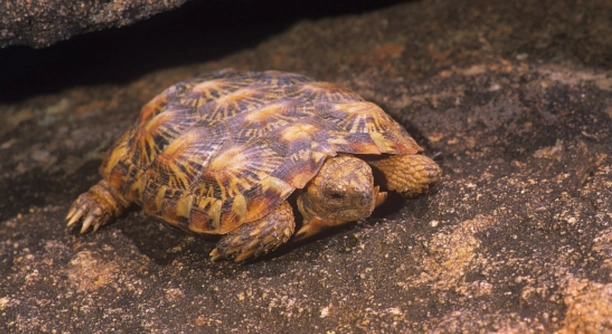
Tortoises grow at different rates depending on a variety of factors. Understanding these factors can help you care for them properly and support their healthy development. Growth can be influenced by environment, diet, and genetics.
The rate at which a tortoise grows is determined by several key factors, including its species, diet, habitat conditions, and genetics. Proper nutrition and a suitable environment play critical roles in ensuring optimal growth. Regular veterinary care is also important for healthy development.
From diet and temperature to genetics, each element plays a crucial role in shaping your tortoise’s growth. Understanding these factors can help you provide the best care for your pet and support its growth over time.
Diet and Nutrition
A tortoise’s growth is heavily influenced by what it eats. A balanced diet rich in vitamins and minerals is essential for healthy development. A mix of leafy greens, vegetables, and occasional fruits should be offered to provide the necessary nutrients. Calcium is particularly important for shell growth, and vitamin D3 helps in calcium absorption. Too much protein can cause rapid growth, which may lead to health issues later in life. Regular access to fresh water is also vital for digestion and overall health.
Proper feeding habits contribute significantly to a tortoise’s overall well-being. Ensuring that your pet gets the right balance of foods can help prevent stunted growth or obesity. Offering a variety of greens and avoiding high-protein diets is key.
Monitor your tortoise’s weight and adjust their diet as needed. Overfeeding or underfeeding can both impact their growth rate, so consistency is key. The right nutritional plan will ensure that your tortoise grows at a steady and healthy pace.
Temperature and Habitat
Temperature regulation plays a critical role in a tortoise’s growth rate.
Tortoises are cold-blooded, which means they rely on external temperatures to regulate their body heat. A proper temperature range is crucial for digestion, metabolism, and overall health. If the temperature in their environment is too low, it can slow down their growth and make it difficult for them to digest food. Conversely, if it’s too high, it can cause stress or overheating.
The ideal temperature for most species falls between 75°F and 85°F during the day, with a slight drop at night. Ensure their habitat includes a heat source, such as a basking lamp, and a cooler area where they can retreat if needed. Consistent access to UVB lighting is also essential for shell and bone health. A well-maintained environment ensures that your tortoise thrives and reaches its full potential.
Genetics and Species
Genetics play a significant role in determining a tortoise’s growth rate. Each species has its own natural growth pattern, which can vary widely. Some species grow quickly, while others develop more slowly.
Understanding your tortoise’s species can help you manage expectations. For example, larger species like the African spurred tortoise will grow much faster than smaller species such as the Russian tortoise. These genetic differences can affect how much food, space, and care your tortoise requires as it grows.
Knowing your tortoise’s species also helps determine its long-term needs. Some species may require more specialized care, while others thrive with simpler setups. Regardless of the species, ensuring optimal care will lead to a healthy, well-growing tortoise.
Activity Levels
The amount of physical activity your tortoise gets also affects its growth. Tortoises are naturally active animals that need ample space to roam and explore.
Regular movement promotes muscle growth and overall health. Tortoises that are kept in small enclosures with limited room to move will often experience slower growth due to lack of exercise. Providing them with a larger habitat and opportunities to move around will help them grow at a steady pace.
It’s important to offer varied terrain and hiding spots within their environment. This encourages exploration and physical activity. A healthy balance of rest and movement contributes to a tortoise’s physical development, ensuring it reaches its growth potential.
Health and Veterinary Care
Regular veterinary check-ups are essential for ensuring a tortoise grows properly. Health issues, if left untreated, can slow growth or cause developmental problems. A vet can help monitor your tortoise’s weight, shell health, and overall condition.
Routine health checks help detect any underlying issues early. Treating parasites, infections, or nutritional deficiencies promptly can prevent long-term problems. A healthy tortoise grows at a steady, consistent rate.
Proper healthcare supports the growth process and ensures your tortoise reaches its potential. Ensuring your tortoise is well taken care of will help it thrive in the long term.
Hydration
Hydration plays a crucial role in a tortoise’s growth. Dehydration can negatively affect digestion and metabolism.
Tortoises need access to fresh water at all times to stay hydrated. In some species, you may also need to offer water baths to help them stay hydrated properly. Keeping their environment humid when needed helps support healthy skin and shell development. A dehydrated tortoise may struggle to grow properly and could face other health issues down the line.
Stress and Environmental Stability
Stress can severely affect a tortoise’s growth rate. When stressed, tortoises may not eat properly or may refuse to move.
A stable environment helps reduce stress, so providing consistent temperatures, a predictable feeding schedule, and a quiet living space is key. Tortoises can be easily stressed by sudden changes in their surroundings or by other animals in their habitat. When your tortoise feels safe and secure, it will be able to focus on growing. Ensuring minimal stress can improve your tortoise’s overall health and growth.
FAQ
How fast do tortoises grow?
Tortoises grow at different rates depending on their species and environment. Smaller species tend to grow slower, taking several years to reach maturity, while larger species can grow faster in their first few years. Proper care, including diet and temperature regulation, can help support a steady growth rate.
What is the best diet for a growing tortoise?
A balanced diet rich in leafy greens, vegetables, and occasional fruits is ideal for a growing tortoise. Calcium-rich foods like kale, dandelion greens, and clover are important for shell health. Avoid too much fruit, as the sugar content can interfere with their growth and digestion. Make sure the diet provides all necessary nutrients for optimal development.
How can I tell if my tortoise is growing at a healthy rate?
Monitor your tortoise’s size regularly to ensure it’s growing steadily. If it appears stunted or its shell is not growing properly, it could be a sign of poor nutrition or environmental issues. Healthy tortoises will show visible growth, and their shells should stay smooth and free from deformities. Keep track of weight and shell measurements to help gauge its growth over time.
Does the temperature of my tortoise’s habitat affect growth?
Yes, temperature has a significant impact on a tortoise’s growth rate. If the environment is too cold, digestion slows down, which affects their ability to grow. The ideal temperature for most species ranges from 75°F to 85°F. Proper heating and access to UVB light ensure healthy metabolism and growth.
How much space does my tortoise need for proper growth?
Tortoises need space to roam and explore for physical exercise, which promotes healthy growth. A small enclosure can lead to slow growth and poor muscle development. Provide enough space for your tortoise to walk around, hide, and explore. Larger enclosures with varying surfaces encourage movement, which is vital for their health and growth.
Can my tortoise’s growth be stunted by improper care?
Improper care can certainly stunt a tortoise’s growth. Poor nutrition, inadequate lighting, or improper temperatures can all negatively affect growth. Stunted growth may also occur if your tortoise is stressed or not hydrated properly. Regular veterinary visits and maintaining proper habitat conditions are key to preventing these issues.
How often should I feed my growing tortoise?
Young tortoises typically need to be fed more frequently than adults. Offer fresh food daily, with a variety of leafy greens and vegetables. The exact amount depends on your tortoise’s size, species, and activity level. Always ensure fresh water is available, and avoid overfeeding, as obesity can affect growth.
Is it normal for a tortoise to stop growing at a certain age?
Yes, tortoises typically slow down or stop growing once they reach maturity. Growth rates vary by species, but most tortoises will experience rapid growth during their first few years. After reaching adulthood, growth may become less noticeable. However, it’s still essential to continue proper care to maintain their health.
What role does genetics play in tortoise growth?
Genetics are a key factor in a tortoise’s growth rate. Some species are genetically predisposed to grow faster or larger than others. While diet and environment play significant roles in supporting growth, the species and genetic makeup of your tortoise determine its growth potential.
Do tortoises need UVB lighting to grow?
UVB lighting is crucial for proper shell and bone growth in tortoises. UVB helps your tortoise produce vitamin D3, which is needed for calcium absorption. Without adequate UVB light, your tortoise may develop metabolic bone disease or other growth-related issues. Ensure your tortoise has daily access to UVB lighting to support healthy development.
Can stress slow down my tortoise’s growth?
Yes, stress can impact your tortoise’s growth rate. Stress from environmental changes, loud noises, or overcrowding can lead to a decrease in appetite and physical activity. When a tortoise is stressed, it may not absorb nutrients properly, slowing its growth. Providing a stable, quiet environment helps reduce stress and supports healthy growth.
What type of bedding is best for a growing tortoise?
A natural bedding material, like coconut coir or grass hay, is ideal for tortoises. Avoid sand or gravel, as they can cause digestive issues if ingested. A clean, dry environment is crucial for tortoise health and growth. Bedding should be replaced regularly to maintain hygiene and prevent any bacterial buildup.
How does hydration affect a tortoise’s growth?
Proper hydration is vital for a tortoise’s growth. Dehydration can lead to poor digestion, slow metabolism, and difficulty in absorbing nutrients. Offering fresh water daily and occasionally providing water baths can ensure your tortoise stays hydrated. Keeping humidity levels in check is also important for species that require higher moisture levels.
Is it necessary to take my tortoise to the vet?
Regular veterinary care is highly recommended, especially if you notice any issues with your tortoise’s growth or behavior. A vet can help identify any underlying health issues, such as parasites or nutritional deficiencies, that may be affecting growth. Routine check-ups help ensure your tortoise is developing properly.
Can I feed my tortoise the same food every day?
Feeding your tortoise the same food every day is not ideal. It’s important to offer a variety of foods to ensure a well-rounded diet and avoid nutrient imbalances. Rotate different greens, vegetables, and fruits, depending on what’s available, to provide the necessary vitamins and minerals for growth.
Final Thoughts
Caring for a tortoise involves understanding various factors that influence its growth rate. Proper diet, habitat, and regular care are crucial to ensuring your tortoise grows at a healthy pace. A well-balanced diet with calcium-rich foods, proper UVB lighting, and the right temperature can go a long way in supporting growth. Additionally, having enough space for your tortoise to roam and explore encourages physical activity, which is vital for healthy development. These elements combine to provide a stable environment where your tortoise can grow naturally.
It’s also important to monitor your tortoise’s progress over time. Regularly checking its size and shell health helps you determine if it’s growing properly. Any signs of stunted growth, like shell deformities or lack of size increase, should prompt you to reassess its care. Pay close attention to its diet, environment, and stress levels. If there are any concerns, it’s always a good idea to consult a vet who can guide you in making necessary adjustments. Healthy growth is a sign that your tortoise is thriving and receiving the care it needs.
Lastly, remember that each tortoise is unique, and growth rates can vary by species. While some tortoises grow rapidly in their early years, others may grow more slowly. It’s essential to stay patient and flexible with your care routine. By providing the right environment, nutrition, and attention, you can ensure that your tortoise will have a long, healthy life. Understanding the key factors that affect its growth helps you provide the best possible care for your pet.

Hello,
If you enjoy the content that we create, please consider saying a "Thank You!" by leaving a tip.
Every little bit helps us continue crafting quality advice that supports the health, happiness, and well-being of pets around the world, for pets of all shapes, sizes, and species.
We really appreciate the kindness and support that you show us!