
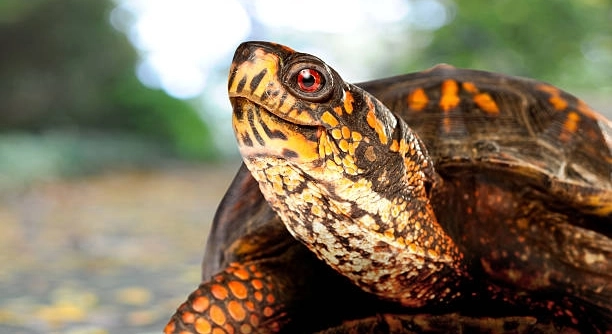
Wild and captive box turtles are both fascinating creatures, but they lead very different lives. Understanding their differences can help us care for them better and appreciate their natural behaviors. These turtles have unique needs based on where they live.
Wild box turtles live in natural habitats with access to more space, a variety of food, and diverse environments. Captive box turtles, however, are restricted to enclosures and depend on their owners for food and care, leading to differences in behavior and health.
Their lifestyles and environments shape their physical and mental well-being. The contrasts between wild and captive box turtles are more significant than many might realize. Keep reading to learn about the key differences that can affect your turtle’s care.
Wild Box Turtles: Living in the Wild
Wild box turtles spend their lives in natural environments, which means they are exposed to diverse weather, food sources, and potential hazards. Their natural habitats, such as forests or grasslands, allow them to roam freely, foraging for food like insects, plants, and mushrooms. These turtles also have access to a variety of hiding spots to escape predators. They thrive in areas where they can maintain their health through natural conditions, such as the seasonal changes that affect their behavior and hibernation cycles.
In the wild, they are part of a larger ecosystem. They help with insect control and aid plant growth by dispersing seeds. Their behavior is instinctive, and they follow patterns influenced by weather, food availability, and breeding cycles.
However, they also face threats such as habitat destruction, climate change, and predators. These challenges make it difficult for wild box turtles to live long lives, but they manage to adapt to their surroundings. The natural environment plays a significant role in shaping their life cycle.
Captive Box Turtles: A Different Reality
Captive box turtles live in enclosures, where their space, food, and environment are controlled. These turtles depend entirely on their owners for survival and often have limited room to move around.
Unlike their wild counterparts, captive turtles face fewer threats from predators or extreme weather, but their environment can sometimes limit their natural behaviors. These turtles need their enclosures to be properly set up with the right temperature, humidity, and shelter. The care required is specific to each turtle’s needs, and owners must be vigilant in maintaining the conditions.
A major difference between wild and captive box turtles is diet. Captive turtles are fed a fixed, often limited, diet. Their food is supplied directly by their owner, and they miss out on the natural variety of nutrients found in the wild. The restricted diet and lifestyle can lead to health issues, including obesity or malnutrition. Additionally, without the freedom to roam, these turtles may show signs of stress or boredom, such as lethargy or aggression. A captive turtle’s physical and mental health depends heavily on the quality of its environment and daily care.
Health and Longevity
Wild box turtles often have shorter lifespans than those in captivity due to the many dangers they face. They may get injured, become ill, or fall prey to predators. Their exposure to harsh environmental conditions, like extreme temperatures, also limits their lifespan.
On the other hand, captive box turtles can live longer if properly cared for. Without the risks of predators or environmental hazards, they tend to thrive in controlled settings. They are protected from severe weather and are fed a balanced diet, which helps them stay healthy. However, captivity can also bring its own challenges.
In captivity, health issues often arise due to improper care, like poor lighting or inadequate humidity. These turtles can also become overweight or stressed, leading to other health problems. Regular vet checkups and an appropriate habitat setup are essential for maintaining a captive turtle’s well-being.
Behavior Differences
Wild box turtles are highly independent, as they rely on instinct to find food, shelter, and mates. Their movements are driven by survival needs, making them naturally cautious and alert.
Captive box turtles, however, display behaviors influenced by their environment. They may become more comfortable with human interaction and less wary, as they don’t face the same threats as in the wild. While they may still exhibit natural behaviors, like burrowing or foraging, these actions are often limited by the constraints of their enclosure.
Captive turtles also tend to show more predictable patterns in behavior, as they are not driven by the same need for constant vigilance. Their interactions with their owners and their surroundings are more controlled. It’s important for owners to create a stimulating environment that mimics natural conditions as much as possible to avoid behavioral issues like pacing or aggression.
Diet and Nutrition
Wild box turtles have a varied diet that includes plants, insects, and fungi, giving them a wide range of nutrients. They eat what’s available in their environment, which helps maintain a balanced diet.
Captive box turtles, however, often have a limited diet consisting of store-bought foods or what their owner provides. It’s up to the owner to ensure a varied, balanced diet. Without this, captive turtles may miss out on important nutrients that come from the variety of foods they would find in the wild.
Feeding captive box turtles properly requires careful attention. Owners should provide a mix of vegetables, fruits, and protein sources, while also considering any special dietary needs. Over-reliance on processed food can lead to health issues like obesity or malnutrition.
Space and Environment
Wild box turtles roam large areas and find shelter in forests, grasslands, and other natural spaces. They naturally adapt to their environment as they search for food and shelter.
In captivity, space is limited, which can impact the turtle’s health. Small enclosures can lead to stress, reduced activity, and boredom. A larger, well-maintained enclosure is necessary for their physical and mental well-being.
A spacious enclosure with hiding spots, access to water, and room for roaming helps mimic their wild habitat. It’s essential for owners to create an environment where the turtle can move and explore freely to promote a healthier lifestyle.
FAQ
How can I tell if my box turtle is healthy?
A healthy box turtle will have clear, bright eyes and a smooth, intact shell. The shell should be hard and free of cracks or soft spots. The turtle should be active, eating regularly, and moving around without difficulty. Check for any signs of lethargy, lack of appetite, or abnormal behavior, as these could indicate health problems.
What should I feed my box turtle?
Box turtles need a varied diet, including leafy greens, vegetables, fruits, and animal protein like insects or earthworms. In captivity, it’s essential to provide a balanced mix to mimic the variety of food they would find in the wild. Avoid feeding them dairy, processed foods, or too many high-fat items like nuts.
Can my box turtle eat fruit every day?
Fruit should only be given as a treat and not as a daily part of their diet. Too much fruit can cause digestive issues or obesity due to the high sugar content. Stick to a few servings per week and balance it out with vegetables and protein-rich foods for overall health.
Do box turtles need a heat lamp?
Yes, box turtles need a heat source to help regulate their body temperature, especially in cooler environments. A heat lamp or a basking light can provide the necessary warmth. Ensure that the temperature gradient in their enclosure allows them to move between warm and cooler areas.
What is the best substrate for a box turtle’s enclosure?
A good substrate should mimic the turtle’s natural environment. Organic soil, coconut coir, and cypress mulch are good choices, as they retain moisture and allow for burrowing. Avoid using sand or gravel, as these can cause digestive problems if ingested. The substrate should also be easy to clean and maintain.
How often should I clean my box turtle’s enclosure?
Regular cleaning is essential for maintaining your turtle’s health. Spot clean the enclosure daily by removing waste and uneaten food. A full cleaning of the substrate should be done at least once a month or more often if necessary, depending on the size of the enclosure. Always ensure the water dish is cleaned and refilled regularly.
Do box turtles need to drink water?
Yes, box turtles need access to clean water at all times. While they don’t always drink water regularly, they will hydrate themselves when needed. It’s also important for them to have a shallow water dish they can soak in, which helps with hydration and shell health.
Can I take my box turtle outside?
You can take your box turtle outside for short periods, but only in a safe, enclosed area. Make sure the environment is free of predators, and never leave them unattended. Outdoor time allows them to enjoy natural sunlight, which is beneficial for their overall health and shell growth.
How long do box turtles live in captivity?
Box turtles can live for several decades in captivity, often reaching 40 years or more if properly cared for. In the wild, their lifespan may be shorter due to predators, disease, or accidents. Providing a proper diet, temperature, and living conditions in captivity can help them live long, healthy lives.
Why isn’t my box turtle eating?
There are several reasons a box turtle may stop eating. It could be stress from changes in their environment, illness, or seasonal changes like hibernation. If a turtle refuses to eat for extended periods, it’s best to consult a vet to rule out any health issues. Changes in diet or habitat conditions may also help.
Is it safe to handle my box turtle?
While box turtles can tolerate being handled occasionally, they should not be picked up too frequently, as it can cause stress. Handle them gently and avoid grabbing them by their shell. Allow them to move freely in their habitat, and limit handling to necessary cleaning or health checks.
Do box turtles hibernate?
Yes, box turtles typically hibernate in the winter months, especially in colder climates. During hibernation, they enter a state of dormancy, slowing their metabolism. Make sure your turtle has a proper space to hibernate, such as a cool, safe area in its enclosure. Don’t disturb them during this time unless it’s essential for their health.
Can I keep more than one box turtle together?
While box turtles are solitary animals, some can live together peacefully if there is enough space. However, introducing multiple turtles into one enclosure can lead to territorial behavior, especially in males. If you choose to house more than one turtle, ensure the enclosure is large enough for each turtle to have its own space.
Do box turtles need UVB lighting?
UVB lighting is crucial for box turtles, as it helps them produce vitamin D3, which is needed for calcium absorption. Without UVB light, they may develop shell deformities or metabolic bone disease. Provide a UVB bulb and ensure it is replaced regularly to maintain its effectiveness.
What should I do if my box turtle’s shell is damaged?
If your box turtle’s shell is cracked or injured, it’s important to consult a veterinarian immediately. Small shell injuries can be cleaned and treated at home, but larger cracks or deep injuries require professional care. Shell injuries can lead to infections, so prompt treatment is essential.
How do I know if my box turtle is stressed?
Signs of stress in box turtles include pacing, refusal to eat, excessive hiding, or a lack of activity. Changes in their environment, such as a new enclosure or different temperature, can cause stress. Ensure that their habitat is stable, and avoid handling them too much during stressful periods.
How big do box turtles get?
Box turtles typically grow to a size of 4 to 8 inches in length, depending on the species. Some species, like the Eastern box turtle, may reach larger sizes. Male turtles are usually smaller than females. Size can also be influenced by diet and living conditions.
Final Thoughts
Understanding the differences between wild and captive box turtles is important for anyone who keeps them as pets or studies them. Wild box turtles thrive in natural environments, where they can roam freely, find a variety of food, and follow instinctual behaviors. However, they face dangers such as predators and habitat loss, which can impact their lifespan. Captive box turtles, on the other hand, have a much safer and controlled environment. They do not face the same threats, but they rely on their owners to provide everything they need, from food to temperature regulation. Both environments have their own unique advantages and challenges, but understanding how to care for box turtles in captivity is key to ensuring their well-being.
When keeping a box turtle as a pet, creating an environment that closely resembles their natural habitat is essential. This includes providing enough space for them to move, appropriate heating and lighting, and a varied diet. It’s also important to maintain a clean environment to prevent health issues. While box turtles can live for many years in captivity, owners must stay committed to their care, ensuring they are not stressed or underfed. Proper care will help them live long, healthy lives and even allow them to show natural behaviors like digging, basking, and foraging.
Ultimately, whether wild or captive, box turtles are remarkable creatures that deserve respect and proper care. The differences between their natural and captive lives shape their health, behavior, and longevity. By understanding these differences, we can improve the lives of box turtles in captivity and contribute to the conservation of wild populations. Every box turtle, whether in the wild or as a pet, has unique needs that must be met to ensure they thrive. With the right care, these turtles can lead healthy, happy lives, whether roaming the wild or living in a carefully crafted enclosure.

Hello,
If you enjoy the content that we create, please consider saying a "Thank You!" by leaving a tip.
Every little bit helps us continue crafting quality advice that supports the health, happiness, and well-being of pets around the world, for pets of all shapes, sizes, and species.
We really appreciate the kindness and support that you show us!