
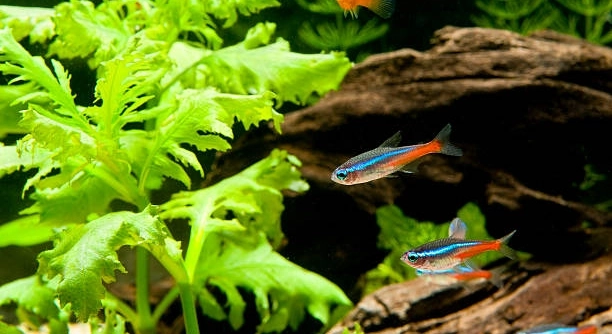
Male and female tetras are popular freshwater fish known for their vibrant colors and peaceful nature. Many aquarium enthusiasts want to learn how to tell them apart to care for them properly. Understanding their differences can enhance your aquarium experience.
The key differences between male and female tetras lie in their size, body shape, coloration, behavior, and breeding characteristics. Males tend to be slimmer and more brightly colored, while females are usually larger with rounder bodies. These traits help identify and care for them accurately.
Recognizing these distinctions ensures better care and a healthier environment for your tetras. The following details will clarify how to distinguish between the sexes effectively.
Physical Differences Between Male and Female Tetras
Male and female tetras show clear physical differences that help in telling them apart. Males usually have slimmer bodies with more vibrant colors, especially during breeding periods. Their fins may appear longer and more pointed compared to females. In contrast, females tend to be larger and rounder, particularly around the belly area due to egg development. These body shapes make females look fuller or more robust. Sometimes, males have small, subtle markings that females lack. Observing these traits closely will give you a good idea of the fish’s sex. These distinctions are easier to notice in some tetra species than others, but they generally hold true across many types. Knowing the physical differences helps with proper tank management and pairing for breeding purposes. It also improves your ability to spot health issues that might affect one sex more than the other, ensuring you can provide the best care possible.
The physical size and shape differences between male and female tetras are the most reliable indicators for identification.
Recognizing these visible traits helps prevent confusion when selecting fish or setting up breeding pairs. These features also reveal subtle behavioral patterns tied to reproduction and territorial behavior, making observation more rewarding.
Behavioral Differences in Male and Female Tetras
Male tetras are usually more active and display territorial behavior, especially when competing for mates. They often swim around confidently and may show off their colors to attract females or intimidate rivals. Females tend to be calmer and less aggressive. They focus more on foraging and schooling, preferring safety in numbers. During breeding, males chase females and perform display dances to encourage spawning. This active behavior helps distinguish the sexes beyond physical traits. Observing these patterns can give insight into the social structure of your aquarium. Recognizing who is who makes managing your tank easier and promotes a peaceful environment for all fish.
Female tetras generally exhibit less aggressive and more schooling behaviors than males.
Understanding these behavioral differences supports healthy tank dynamics. Males’ territorial displays can cause stress if the environment is overcrowded, so adjusting tank space or population may be necessary. Recognizing the behaviors also aids in timing breeding efforts and ensuring females are comfortable, which improves spawning success. Overall, paying attention to activity levels and social interactions will enhance the care and enjoyment of your tetra community.
Coloration Differences Between Male and Female Tetras
Male tetras typically display brighter, more vivid colors compared to females. This is especially true during mating seasons when males use their vibrant hues to attract females. Females usually have duller, softer shades that help them blend into the environment more easily.
The brighter coloration of males plays a key role in their mating success. Vibrant colors signal health and vitality to females, increasing the chances of reproduction. Females benefit from subtler colors as it offers protection from predators, especially when carrying eggs. These color differences are often more noticeable in species like neon tetras or cardinal tetras, where males show intense blue and red hues. In contrast, females’ colors tend to be muted or pastel, helping them stay less visible. The contrast between the sexes aids in quick identification and proper care.
Understanding these color distinctions is helpful when selecting healthy breeding pairs. It also assists in monitoring the well-being of individual fish since fading colors can signal stress or illness. Keeping track of these signs improves tank management and fish longevity.
Breeding and Reproductive Differences
Females carry and lay eggs, requiring them to have rounder, fuller bodies to accommodate developing eggs. They often appear more swollen compared to males, especially during spawning seasons. Males focus on courting and protecting the eggs after fertilization.
Male tetras exhibit behaviors like chasing and displaying to attract females. After spawning, males sometimes guard the eggs to improve survival rates. Females typically release eggs on plants or tank surfaces, showing less interest in the eggs afterward. These roles reflect the biological investment each sex has in reproduction. The females’ body shape changes as eggs mature, making it easier to identify readiness for spawning. In contrast, males maintain their slimmer shape but increase activity levels during mating periods. Understanding these reproductive differences helps prepare tanks for breeding and ensures a better environment for raising fry.
Fin Shape Differences
Male tetras usually have longer and more pointed fins compared to females. These fins often look more elegant and are used during mating displays. Female fins are shorter and rounder, reflecting their less aggressive behavior in the tank.
These fin differences help distinguish males from females easily. Longer fins in males make them stand out, especially when swimming actively. Females’ shorter fins allow for better maneuverability when carrying eggs or moving with the school.
Size Variation
Generally, female tetras grow slightly larger than males. Their bodies become rounder, especially when they are ready to breed. Males remain more slender and compact throughout their lives.
Social Behavior Differences
Males tend to be more territorial and may challenge other males for dominance. Females are usually more social and prefer schooling with others for protection and comfort.
Lifespan Differences
Both male and female tetras have similar lifespans, usually around three to five years in a well-maintained aquarium. Proper care affects longevity more than sex.
FAQ
How can I tell if my tetra is male or female?
The easiest way to differentiate is by observing size, body shape, and coloration. Males tend to be slimmer and more colorful, with longer fins. Females are usually rounder, especially around the belly, and have softer colors. Watching their behavior during breeding season also provides clues, as males become more active and display territorial traits.
Do male and female tetras require different care?
Basic care is the same for both sexes, including water quality, diet, and tank conditions. However, during breeding, females may need extra nutrition to support egg development. Males might show increased activity and territorial behavior, so providing enough space and hiding spots helps reduce stress for all fish.
Can male and female tetras live together peacefully?
Yes, they often live well together, especially if the tank is spacious and well-planted. Males might compete during breeding times, but a balanced ratio of males to females helps reduce aggression. Females prefer schooling, so keeping groups of at least six is recommended to promote calm social behavior.
What signs indicate a female tetra is ready to spawn?
A ready female will have a noticeably rounder belly as eggs develop. She may become less active and seek secluded areas of the tank. Males will usually begin to display brighter colors and chase females more frequently during this time.
How do I encourage breeding in tetras?
Maintain stable water conditions with slightly softer, acidic water, and provide plenty of plants or spawning mops. Feeding high-quality live or frozen foods boosts conditioning. Reducing light intensity and gradually lowering temperature can also stimulate spawning behavior.
What happens after tetras spawn?
Females lay eggs on plants or tank surfaces, and males fertilize them immediately. Males sometimes guard the eggs, but both parents usually avoid eating the eggs if the tank is well-planted. Removing adult fish from the breeding tank helps protect the eggs and fry.
Why do male tetras change color?
Males change color mainly to attract females or assert dominance during mating. Bright, vivid colors signal good health and readiness to breed. Outside of breeding, colors might dull due to stress or illness, so maintaining a stable environment is essential.
Do females show aggression like males?
Females are generally less aggressive and more social, preferring to swim in schools. While they can compete for food or space, their behavior is calmer compared to males, who actively defend territories or chase rivals.
Is it important to separate males and females outside breeding?
Separating sexes is not necessary unless aggression becomes problematic. A well-maintained tank with plenty of space usually keeps peace. Balanced male-to-female ratios reduce stress and prevent bullying.
How long do tetras live on average?
Tetras typically live three to five years in good conditions. Factors like water quality, diet, and tank maintenance have a bigger impact on lifespan than sex. Regular care helps both males and females thrive.
Final Thoughts
Understanding the differences between male and female tetras can greatly improve how you care for these fish. Knowing how to identify them by size, color, and behavior allows you to create a better environment tailored to their needs. This knowledge is especially helpful when planning to breed tetras or simply maintaining a peaceful community tank. Each sex has unique traits that affect how they interact with their surroundings and other fish. By paying attention to these details, you ensure your tetras stay healthy and comfortable.
Both male and female tetras contribute differently to the tank’s social dynamics. Males often show more active and territorial behavior, while females tend to be calmer and prefer schooling together. Recognizing these patterns can help you manage their space and reduce stress within the aquarium. Providing hiding spots and keeping a balanced number of males and females supports a harmonious tank. Proper care based on these differences promotes well-being and longevity for your fish.
Overall, the physical, behavioral, and reproductive differences between male and female tetras are important for every fish owner to understand. This knowledge helps you make better decisions about feeding, breeding, and tank setup. It also allows you to monitor your fish for signs of health issues. Taking the time to observe and learn about your tetras’ unique traits will lead to a more enjoyable and successful aquarium experience.

Hello,
If you enjoy the content that we create, please consider saying a "Thank You!" by leaving a tip.
Every little bit helps us continue crafting quality advice that supports the health, happiness, and well-being of pets around the world, for pets of all shapes, sizes, and species.
We really appreciate the kindness and support that you show us!