
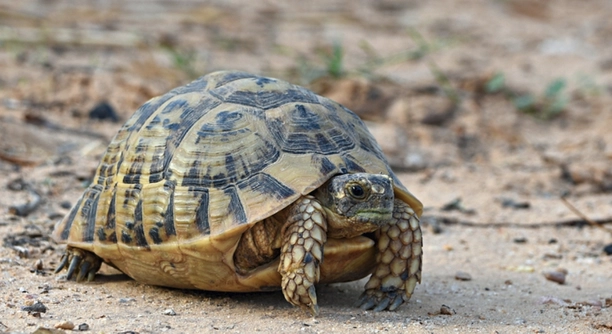
Greek tortoises and Russian tortoises are popular pet reptiles, each with their own unique characteristics. They are both loved for their docile nature and manageable size, but they differ in several important aspects that can impact care.
The Greek tortoise (Testudo graeca) is native to Southern Europe, while the Russian tortoise (Agrionemys horsfieldii) comes from Central Asia. Greek tortoises tend to prefer warmer, more humid environments, while Russian tortoises thrive in arid, cooler climates. Their behavior, diet, and habitat preferences reflect these differences.
Knowing how these two species compare can help you create a suitable environment and care plan for each. This article will explore their key differences and help you make the right choice for your pet tortoise.
Habitat Preferences
Greek and Russian tortoises have distinct habitat needs that reflect their native environments. Greek tortoises prefer warmer, more humid climates. They can often be found in Mediterranean areas with lots of sunlight and relatively mild winters. This makes them ideal for outdoor enclosures in regions with a temperate climate. On the other hand, Russian tortoises are better suited to dry, arid environments. They come from the deserts and steppes of Central Asia, where they adapt to cold winters and hot, dry summers.
The Greek tortoise needs a humid environment, with temperature ranges between 75°F and 90°F during the day and cooler temperatures at night. Russian tortoises, however, thrive in temperatures ranging from 65°F to 80°F, requiring a more temperate setup. When setting up a habitat for either species, it’s essential to mimic these natural conditions to keep them healthy and active.
Additionally, Greek tortoises tend to burrow in their habitats more than Russian tortoises. Russian tortoises, while still burrowers, are more adapted to flat, rocky terrain and are less inclined to dig deep. This is a reflection of their natural surroundings, where they rely more on finding shelter under rocks or small shrubs.
Behavior and Activity
The two species also differ in activity levels. Greek tortoises are more active during the day and tend to be more social with each other, often seen basking together in the sun. They are active throughout the spring and summer months, especially in warmer temperatures.
Russian tortoises are typically more solitary. They are more likely to remain in one spot for a long period, especially in cooler weather. In nature, they conserve energy by being more cautious and reserved. Russian tortoises also display more of a hibernation behavior during the colder months compared to Greek tortoises.
Their behavior also influences their care needs. While Greek tortoises enjoy a lot of space to roam and interact with other tortoises, Russian tortoises are less concerned with companionship and prefer more solitary environments. Understanding these behavioral tendencies helps keep both species happy and well-adjusted.
Diet Differences
Greek and Russian tortoises have similar diets but require some variation based on their different natural habitats. Greek tortoises mainly feed on grasses, flowers, and leafy plants in the wild. They tend to enjoy a varied diet, including softer plants and fruits. They do well on a mix of leafy greens, such as dandelion greens, kale, and collard greens, with the occasional treat of fruits like strawberries or melon.
Russian tortoises, however, are more focused on dry, tough vegetation like grasses and weeds. They do not have the same preference for fruit as Greek tortoises. Their diet primarily consists of high-fiber, low-moisture plants to match their desert-like habitat. Offering them a diet rich in fiber is essential to avoid digestive issues. Both species require calcium and other supplements to ensure strong shell and bone health.
In short, while both tortoises have herbivorous diets, Greek tortoises have a broader palate, including softer plants and fruits, while Russian tortoises focus more on tough, fibrous plants that reflect their dry, arid environment.
Lifespan Differences
Greek tortoises can live a long time, often reaching 50 years or more with proper care. They tend to grow at a slower pace, which allows them to enjoy extended lifespans in captivity. They are generally healthy when provided with the right environment and diet.
In comparison, Russian tortoises also have long lifespans but usually live between 40 to 60 years. While their lifespan is similar, they often age more quickly in captivity due to environmental factors. Keeping their habitat conditions consistent and their diet varied can help them live a full life.
Both species experience aging differently, with Russian tortoises maturing faster than Greek tortoises, even though their lifespan is still impressive. This means Russian tortoises may reach maturity earlier but may not live quite as long as their Greek counterparts.
Shell and Size Variations
Greek tortoises are usually a bit larger than Russian tortoises. They typically grow up to 10-12 inches in length, with some individuals reaching even larger sizes. Their shell is more rounded and smoother compared to the Russian tortoise’s, which has a more domed and rugged appearance.
Russian tortoises, on the other hand, stay slightly smaller, usually growing to about 8-10 inches. Their shells are darker and more textured. These differences in size and shell shape help to distinguish the two species visually, with the Greek tortoise appearing more robust and the Russian tortoise more compact.
Even though the size differences are subtle, they play an important role in the amount of space and the type of environment they each need. Larger Greek tortoises require more room to roam, whereas Russian tortoises are often more content with smaller, less expansive enclosures.
Temperature Needs
Greek tortoises need higher temperatures to thrive, ideally between 75°F and 90°F during the day, with a cooler night temperature. They need a basking spot with extra warmth, but it should not get too hot, as excessive heat can stress them.
Russian tortoises, however, are more tolerant of cooler environments. They prefer temperatures ranging from 65°F to 80°F during the day. A cooler environment is crucial for their overall health, as they are adapted to colder regions and may not handle prolonged heat well.
Their different temperature preferences highlight the importance of providing appropriate heating for each species, ensuring they are comfortable and not exposed to harmful conditions.
Social Behavior
Greek tortoises are more social and active, often coexisting peacefully with others of the same species. They are generally calm but enjoy exploring and interacting with their surroundings. Their social nature allows them to live in groups, though they need enough space to avoid territorial disputes.
Russian tortoises are more solitary and prefer to be alone. While they do not mind the presence of other tortoises, they do not seek social interaction. This species tends to be more independent, spending time alone in their enclosure unless the need arises for mating or food.
Due to these differing social behaviors, Greek tortoises may do well in larger enclosures with multiple individuals, while Russian tortoises are better suited to solitary spaces. Understanding these preferences ensures that both species thrive in captivity.
Water Needs
Greek tortoises require regular access to water to stay hydrated, but they are not natural swimmers. They drink frequently, and their environment should have a shallow water dish for them to drink from. A proper water source also helps with humidity levels in their enclosure.
Russian tortoises are similarly not fond of swimming, but they drink water less frequently. They often get much of their hydration from the plants they consume. It is essential to offer water to them, but they don’t need as much as Greek tortoises, making their water requirements slightly lower.
Both species need access to clean water, but Greek tortoises will often need a more humid environment, requiring more water and consistent misting to maintain proper hydration levels.
FAQ
What is the ideal temperature for Greek and Russian tortoises?
Greek tortoises thrive in warmer temperatures, ideally between 75°F and 90°F during the day, with a cooler nighttime range of 65°F to 75°F. Their basking spot should be even warmer, around 95°F. Russian tortoises, however, prefer cooler conditions. They do well in a range of 65°F to 80°F during the day and are less tolerant of excessive heat. They do best with a slight drop in temperature at night.
Do Greek and Russian tortoises need to hibernate?
Greek tortoises may hibernate in the wild but typically do not require it in captivity, especially in areas with consistent warm temperatures. However, in regions with colder winters, they might naturally slow down and enter a form of dormancy during the winter months. Russian tortoises, on the other hand, are more likely to hibernate for several months during winter. If you live in an area with cold winters, it’s essential to provide them with a cooler, dry place to hibernate. However, in warmer climates, they may not hibernate at all.
How much space do Greek and Russian tortoises need in their enclosure?
Greek tortoises need a large enclosure to roam freely. A minimum of 4 feet by 2 feet of space is recommended for a single tortoise, but bigger is always better, especially if you’re keeping more than one. Russian tortoises, being smaller, need slightly less space. A minimum of 3 feet by 2 feet is suitable for a single Russian tortoise, though more space will encourage better health and activity. Both species benefit from a secure outdoor enclosure during warm months, allowing them to experience natural sunlight.
What do Greek and Russian tortoises eat?
Greek tortoises eat a variety of leafy greens, flowers, and grasses. They can enjoy a wider selection of food, including dandelion greens, clover, kale, and the occasional fruit treat. Russian tortoises, in contrast, prefer more fibrous, dry vegetation such as grasses, weeds, and some succulents. They do not require fruits as part of their regular diet. Both species need to have a diet high in fiber and low in protein. You should also offer calcium supplements regularly to ensure strong shell development.
Are Greek and Russian tortoises friendly?
Greek tortoises tend to be more social, and while they are not particularly affectionate, they do enjoy interacting with their surroundings and each other. They are relatively calm and can tolerate cohabitation with other tortoises, as long as space is provided. Russian tortoises, on the other hand, are solitary creatures and are less likely to interact with others. They are generally calm but prefer their own company and may become stressed if housed with other tortoises, especially in confined spaces.
Can Greek and Russian tortoises live together?
It’s not recommended to house Greek and Russian tortoises together due to their differing temperature and humidity needs. Greek tortoises require a more humid environment, while Russian tortoises prefer drier conditions. Additionally, the Greek tortoise’s more social nature might cause stress for the more solitary Russian tortoise. It’s best to provide each species with its own space to ensure their well-being.
How do you handle Greek and Russian tortoises?
Both Greek and Russian tortoises can be handled, but it’s essential to be gentle. Use both hands to lift them, supporting their body and legs. Avoid picking them up by the tail, as this can cause injury. Greek tortoises are typically more tolerant of handling, while Russian tortoises are more reserved and may prefer to be left alone. If you do handle them, keep it brief to avoid stress, and always return them to their habitat gently.
How often should I feed my Greek or Russian tortoise?
Greek tortoises should be fed every day, offering a variety of leafy greens, grasses, and flowers. You can also provide occasional fruits or vegetables but keep them as a treat. Russian tortoises, however, should be fed about four to five times a week, as they tend to eat less frequently than Greek tortoises. Be sure to monitor their weight and adjust their food intake accordingly to avoid overfeeding.
How long do Greek and Russian tortoises live?
Greek tortoises typically live anywhere between 50 to 75 years, depending on their care and environment. Some individuals have been known to live even longer. Russian tortoises, though also long-lived, usually have a lifespan of around 40 to 60 years in captivity. While they can live for decades, their lifespan is often influenced by factors like diet, habitat conditions, and overall care.
Can Greek and Russian tortoises swim?
Neither Greek nor Russian tortoises are strong swimmers. While they can wade through shallow water or submerge briefly, they are not built for swimming and may drown if left in deep water. Both species should be provided with shallow water dishes for drinking and soaking, but the water should not be deep enough for them to swim in.
How do I keep my tortoise’s shell healthy?
Both Greek and Russian tortoises require a diet high in fiber and calcium to maintain a healthy shell. The best way to ensure this is by providing them with a varied diet of leafy greens, grasses, and calcium supplements. Proper UVB lighting is also crucial for shell health, as it helps them metabolize calcium and strengthen their shell. Make sure their living environment is free of contaminants that could harm their shells and avoid allowing them to interact with rough surfaces that may cause damage.
Are there any diseases common to Greek and Russian tortoises?
Both Greek and Russian tortoises are susceptible to certain illnesses, particularly respiratory infections if their environment is too cold or too damp. Shell rot, caused by bacterial or fungal infections, is another common issue. To prevent this, make sure their habitat has proper ventilation, humidity, and temperature control. Providing a clean and dry enclosure will help reduce the risk of these health problems. If you notice signs of illness, such as lethargy, lack of appetite, or abnormal behavior, it’s essential to consult a veterinarian.
Final Thoughts
When choosing between a Greek or Russian tortoise, it’s important to understand their specific needs and characteristics. Both species make wonderful pets, but they require different types of care. Greek tortoises thrive in warmer, more humid conditions, and their diet is a bit more varied, including leafy greens and occasional fruits. They are also more social and active, enjoying interaction with their surroundings and other tortoises. If you live in a warmer climate and can provide a larger outdoor space, a Greek tortoise could be a good choice.
Russian tortoises, in contrast, are better suited to cooler, drier environments. Their diet mainly consists of tough, fibrous plants, and they are less likely to eat fruits. Russian tortoises are solitary by nature and don’t require the same level of social interaction as Greek tortoises. They can be a bit more independent, making them a good choice for those who prefer a quieter, more reserved pet. They also tend to be slightly smaller and require less space, making them suitable for smaller enclosures.
Both species have long lifespans, and with proper care, they can live for many decades. The key to providing a healthy and happy life for either tortoise is to meet their environmental needs and ensure they have a proper diet. Regular vet check-ups, attention to their habitat, and understanding their behaviors will go a long way in keeping them healthy. Whether you choose a Greek or Russian tortoise, both can be rewarding pets that bring joy for years to come.

Hello,
If you enjoy the content that we create, please consider saying a "Thank You!" by leaving a tip.
Every little bit helps us continue crafting quality advice that supports the health, happiness, and well-being of pets around the world, for pets of all shapes, sizes, and species.
We really appreciate the kindness and support that you show us!