
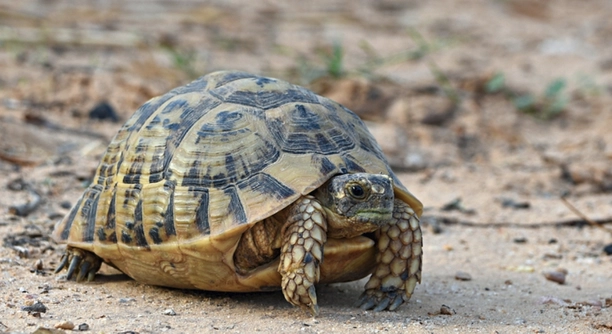
Greek tortoises and Russian tortoises are both popular pets, but they have distinct differences. Knowing these differences can help you better care for these reptiles, ensuring they thrive in your home environment.
Greek tortoises tend to be smaller and more active than Russian tortoises. Greek tortoises usually prefer warmer climates, while Russian tortoises are better suited to colder environments. Their diet, behavior, and habitats also differ significantly.
Understanding these differences will help you provide the best care for each species. Continue reading to learn more about these fascinating tortoises and how to support their well-being.
Size Differences Between Greek and Russian Tortoises
Greek tortoises are generally smaller than Russian tortoises, making them a bit easier to house in smaller enclosures. An average adult Greek tortoise will grow to about 6 to 8 inches long. On the other hand, Russian tortoises tend to reach sizes of 8 to 10 inches, sometimes slightly larger. This size difference impacts the amount of space they require for a healthy environment. Smaller tortoises are usually more mobile and active, while larger tortoises need slightly more room to roam and explore. Their behavior also reflects their size, with Greek tortoises being quicker to move and more curious about their surroundings.
Russian tortoises are also more robust in terms of their ability to handle temperature fluctuations. Due to their size and hardiness, they can adapt to a wider range of environmental conditions compared to Greek tortoises. This makes Russian tortoises a better choice for outdoor enclosures in cooler climates, where they can thrive with the right care.
Choosing the right tortoise for your space and climate will ensure they stay healthy and comfortable. Make sure to factor in size, space requirements, and climate when making your decision.
Habitat Preferences
Greek tortoises thrive in warmer, dry environments, usually found in Mediterranean regions. In contrast, Russian tortoises are native to more arid, colder climates. This difference in their native habitats greatly influences how you should care for them.
Russian tortoises require a cooler environment, typically around 70 to 80 degrees Fahrenheit during the day, with a slight drop at night. They tolerate lower temperatures better than Greek tortoises, which prefer warmer, more stable conditions. To ensure both types of tortoises are kept healthy, it’s essential to mimic their natural habitat as closely as possible. For Greek tortoises, you’ll need to maintain a temperature range of 75 to 90 degrees Fahrenheit with a basking spot reaching up to 100 degrees.
In addition to temperature, humidity levels also play a role in their well-being. Russian tortoises require a drier setup with lower humidity, while Greek tortoises can handle a slightly higher humidity level, especially in their basking areas.
By adjusting temperature and humidity based on these needs, you can help your tortoises feel more at home. Proper habitat conditions are key to their health and longevity.
Diet Differences Between Greek and Russian Tortoises
Greek tortoises have a more varied diet, consisting mainly of leafy greens, flowers, and grasses. They enjoy a wider range of vegetables, including dandelion greens, clover, and hibiscus flowers. This diverse diet helps maintain their energy levels and promotes healthy shell growth.
In contrast, Russian tortoises prefer a simpler, more focused diet, relying mainly on grasses, weeds, and a small amount of leafy greens. They are less likely to eat flowers and more inclined to graze on coarse plants like thistles or clover. This type of diet suits their more dry, arid native habitats. While both species benefit from fresh vegetables, Russian tortoises require fewer varieties compared to Greek tortoises.
The key to providing the right diet for either species lies in understanding their natural food sources. Offering a balanced variety of vegetables and plants is essential for both, but it’s important to tailor their diet to suit their individual preferences and native environments.
Behavior and Activity Levels
Greek tortoises are known for being more active than their Russian counterparts. They spend a lot of time foraging and exploring, especially during the warmer months. This high level of activity means they need a larger enclosure with plenty of space to roam around.
Russian tortoises, on the other hand, are relatively less active. While they still enjoy exploring and foraging, they are often more content with a smaller area. Their activity tends to be more spaced out, and they do not require as much stimulation as Greek tortoises. This makes Russian tortoises easier to care for in smaller enclosures.
While both species enjoy time outdoors in the sun, Greek tortoises are more likely to stay active for longer periods. Knowing these behavioral differences can help you adjust their environment and activities to meet their needs.
Lifespan of Greek and Russian Tortoises
Greek tortoises typically live between 50 to 70 years, making them a long-term commitment. They require consistent care, proper habitat conditions, and a balanced diet to reach their full lifespan.
Russian tortoises, while also long-lived, tend to have a slightly shorter lifespan. They usually live between 40 to 50 years. Their hardiness allows them to adapt well in different environments, but they also need attentive care to live a long, healthy life.
Health Considerations for Both Species
Greek tortoises are prone to respiratory infections, especially if exposed to cold and damp environments. Ensuring a warm, dry habitat is essential for preventing this issue. Additionally, they can suffer from calcium deficiencies, so providing a proper diet is crucial for their overall health.
Russian tortoises face their own set of health concerns. They are more susceptible to impaction, particularly if they do not receive enough fiber in their diet. It’s important to offer a varied diet, rich in fibrous grasses, to keep their digestive system functioning properly.
Enclosure Setup
Both Greek and Russian tortoises require a large enclosure to move freely and explore. For Greek tortoises, a warmer and more humid environment should be created, with a temperature gradient to allow them to bask. A simple setup with proper lighting and substrate will suffice.
For Russian tortoises, their habitat needs to be more arid, with a cooler temperature range. Dry substrates such as sand or soil, along with a shaded area, will help keep them comfortable. A heat lamp or ceramic heat emitter can help regulate temperatures in their enclosure.
FAQ
What is the ideal temperature for Greek and Russian tortoises?
Greek tortoises thrive in temperatures between 75 to 90°F during the day, with a basking spot reaching up to 100°F. At night, temperatures can drop to around 65°F. In contrast, Russian tortoises prefer a cooler environment, ranging from 70 to 80°F during the day, with a drop to 60-65°F at night. It’s essential to create a temperature gradient in their enclosures to allow the tortoises to regulate their body temperature.
Can Greek and Russian tortoises live together?
It is not recommended to house Greek and Russian tortoises together. They have different habitat needs, particularly in terms of temperature and humidity. Greek tortoises require a warmer and more humid environment, while Russian tortoises prefer cooler and drier conditions. Mixing the two could lead to stress, health issues, and territorial disputes.
How often should I feed my tortoise?
Both Greek and Russian tortoises should be fed daily or every other day, depending on their age and activity levels. Young tortoises require more frequent feeding to support growth, while adults can be fed less often. A diet of leafy greens, grasses, and occasional flowers should be offered, ensuring variety and nutritional balance.
Can I feed my tortoise fruit?
Greek tortoises can eat some fruit in moderation, such as strawberries, apples, and melons, but fruit should not be a primary part of their diet. Excessive fruit consumption can lead to digestive problems. Russian tortoises, however, should generally avoid fruit, as it can upset their digestive system. Their diet should focus mainly on fibrous plants and grasses.
What size enclosure do Greek and Russian tortoises need?
Greek tortoises require a minimum enclosure size of 4×8 feet for adults, with additional space for a basking area and hiding spots. Russian tortoises can manage with a slightly smaller enclosure, around 4×6 feet, but will still benefit from larger spaces to roam. Both species need space to exercise, explore, and dig.
How do I ensure my tortoise is getting enough calcium?
Both Greek and Russian tortoises need calcium to maintain strong shells and bones. You can provide calcium by offering calcium-rich foods like dandelion greens or through supplements. Dusting their food with calcium powder or adding a calcium block to their enclosure can also help meet their needs. Be cautious not to over-supplement, as too much calcium can cause health problems.
What are the signs of a sick tortoise?
Signs of a sick tortoise include loss of appetite, lethargy, abnormal breathing, swollen or cloudy eyes, and discharge from the nose or mouth. If your tortoise is not eating, has difficulty moving, or appears to be struggling to breathe, it is crucial to consult a veterinarian specializing in reptiles. Regular health check-ups can help catch problems early.
How do I handle a tortoise?
Handling tortoises should be done carefully and with respect. Always support their body evenly, lifting them gently from underneath. Avoid picking them up by the shell or tail, as this can cause injury. While tortoises are not typically cuddly, they can be socialized with gentle handling. Never force them to interact if they seem stressed.
Can I keep a tortoise outdoors?
Both Greek and Russian tortoises can be kept outdoors in appropriate climates. Greek tortoises are best suited for warmer climates, while Russian tortoises can tolerate colder conditions. Ensure their outdoor enclosure is secure, free from predators, and has shelter from extreme weather. If you live in a cooler climate, you may need to bring them indoors during the colder months.
What is the best substrate for tortoises?
For Greek tortoises, a mix of soil, sand, and coconut coir is ideal. This allows for natural burrowing behavior and keeps humidity levels in check. For Russian tortoises, a drier substrate like a mix of sand and soil works well. Both types of tortoises benefit from a substrate that they can dig into, as it helps them feel secure and allows for natural behavior.
How can I make my tortoise’s environment more enriching?
Enrichment for tortoises can include providing different types of plants, rocks, and hiding spots. Create a varied landscape within their enclosure, with areas for climbing, digging, and basking. You can also hide their food to encourage foraging. Tortoises enjoy exploring and should be given plenty of opportunities to do so in a safe, controlled environment.
What should I do if my tortoise is not eating?
If your tortoise is not eating, first check the temperature and humidity of their enclosure. If either is outside their preferred range, adjust it accordingly. Stress from handling, changes in environment, or a lack of variety in their diet can also affect appetite. If the problem persists for more than a few days, consult a vet for advice.
Are there any special considerations for breeding Greek and Russian tortoises?
Breeding tortoises requires careful planning. Both Greek and Russian tortoises reach sexual maturity around 5-7 years of age. If you are considering breeding, ensure you have separate males and females, as well as a spacious environment for nesting. Temperature and humidity control are important for successful incubation. It’s essential to research thoroughly before attempting to breed them, as it can be a complex process that requires time and commitment.
How do I care for baby tortoises?
Baby tortoises require extra attention. They need higher humidity, more frequent feeding, and a temperature range specific to their species. Greek and Russian tortoise hatchlings should be housed in smaller, more controlled environments, with careful monitoring of their health. Ensure they have access to water, a proper diet, and a warm, safe place to rest.
How often should I clean my tortoise’s enclosure?
Tortoise enclosures should be cleaned regularly to prevent bacterial growth and odor. Remove uneaten food daily and spot clean any waste. A deep cleaning of the entire enclosure, including replacing the substrate, should be done every 2-4 weeks. This helps maintain a healthy environment and reduces the risk of infections.
Do tortoises need UVB light?
Yes, both Greek and Russian tortoises need UVB light to help synthesize vitamin D3 and absorb calcium. Without UVB, tortoises can develop shell deformities and other health problems. Ensure their enclosure has a UVB light source that is replaced every 6-12 months, as the bulbs lose effectiveness over time.
Final Thoughts
Understanding the key differences between Greek and Russian tortoises is essential for anyone considering keeping one as a pet. Both species have unique care needs that should be respected to ensure their well-being. While they share some similarities in appearance and diet, their preferences for habitat, temperature, and humidity are distinct. Greek tortoises tend to thrive in warmer and more humid environments, while Russian tortoises are more adaptable to cooler and drier conditions. Being aware of these differences allows you to create an environment that supports the specific needs of each species.
When it comes to diet, both tortoises require a high-fiber, low-protein diet, primarily consisting of leafy greens and grasses. However, Greek tortoises can handle a bit more variety in their diet, including some fruits, while Russian tortoises should stick mainly to vegetables and grasses. Overfeeding fruits can cause health issues, especially for Russian tortoises, so it’s essential to offer them in moderation. Ensuring they have access to fresh water and calcium supplements is another important part of their care. Both species benefit from regular exposure to UVB light, which helps them metabolize calcium and maintain strong bones and shells.
In conclusion, while Greek and Russian tortoises have different environmental and dietary needs, both species can make wonderful pets if cared for properly. Understanding their specific requirements will not only ensure they live a healthy, happy life but will also make your experience as a pet owner more rewarding. Whether you choose a Greek or Russian tortoise, you’ll find that with the right attention, they can thrive and bring joy to your home for many years.

Hello,
If you enjoy the content that we create, please consider saying a "Thank You!" by leaving a tip.
Every little bit helps us continue crafting quality advice that supports the health, happiness, and well-being of pets around the world, for pets of all shapes, sizes, and species.
We really appreciate the kindness and support that you show us!