
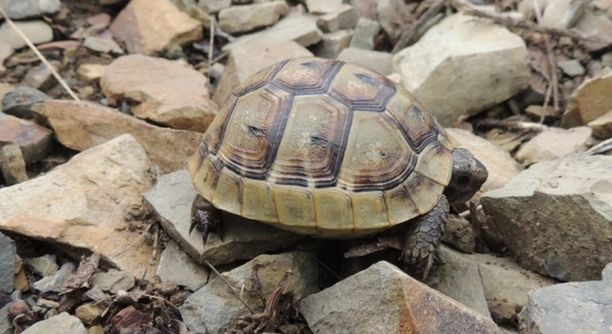
Greek tortoises and Hermann’s tortoises are two popular species, often confused for one another. Understanding their differences can help you care for them properly. Let’s look at the key characteristics that set these two tortoises apart.
Greek tortoises and Hermann’s tortoises differ in their appearance, behavior, habitat, diet, and more. Greek tortoises are generally larger, have smoother shells, and prefer warmer environments. Hermann’s tortoises are smaller with more pronounced markings and thrive in slightly cooler habitats.
Learning how these tortoises differ can help with keeping them as pets. Their unique needs require distinct care, from diet preferences to housing setup.
Size and Shell Appearance
Greek tortoises are larger than Hermann’s tortoises, growing up to 10 inches in length, while Hermann’s reach only around 8 inches. This size difference is noticeable, especially in adults. Greek tortoises also have smoother, more rounded shells, giving them a more streamlined appearance. Their shells usually range in color from light brown to yellow, with some individuals displaying darker markings.
On the other hand, Hermann’s tortoises have more pronounced shell markings, which are often darker and more intricate. Their shells are also slightly more domed than those of Greek tortoises. Their size and markings make them easy to identify once you know what to look for.
When choosing between the two, size is an important factor to consider, especially for those with limited space. Greek tortoises require a larger enclosure to accommodate their size, whereas Hermann’s tortoises can be kept in slightly smaller spaces without feeling cramped.
Habitat Preferences
Greek tortoises tend to thrive in warmer climates, often found in dry, Mediterranean areas. They are used to heat and sunshine, so they need an environment with temperatures ranging from 75°F to 90°F. This makes them ideal for outdoor enclosures in warmer areas.
Hermann’s tortoises, however, prefer cooler conditions. They are native to areas with more temperate climates, and they require a cooler environment with a temperature range of 60°F to 75°F. If you live in a colder climate, keeping a Hermann’s tortoise indoors might be a better option, as they do not tolerate extreme heat well.
Proper habitat setup is essential for both species. Greek tortoises will need access to sunlight or UVB light sources to ensure they get the vitamin D they need, while Hermann’s tortoises will do better in a more shaded, cooler environment to prevent overheating.
Diet and Feeding Habits
Greek tortoises are herbivores, feeding on a variety of plants. They prefer grasses, weeds, and flowers, with their diet consisting mostly of high-fiber, low-protein foods. They should not be fed fruits or vegetables high in sugar, as this can cause health problems. Their diet needs to be rich in calcium and other essential nutrients, which is why providing a variety of plants is crucial.
Hermann’s tortoises have similar dietary needs but tend to consume slightly different types of plants. While they also enjoy grasses and weeds, they may eat more varied plant species, including shrubs and small bushes. Hermann’s tortoises may occasionally graze on small invertebrates, though plant-based foods should remain the majority of their diet.
It’s important to provide both species with fresh, clean food daily. Both Greek and Hermann’s tortoises require access to fresh water and calcium supplements to maintain healthy shells and bones. Their diets may vary based on local plant availability, but the key is always to avoid feeding them processed or sugary foods.
Behavior and Temperament
Greek tortoises are generally more active and curious compared to Hermann’s tortoises. They enjoy exploring their environment, digging, and foraging for food. Their lively nature makes them fun to observe but can also require more interaction and care.
In contrast, Hermann’s tortoises are typically more reserved. They tend to spend more time resting, especially in cooler environments. While they can be active, they are often slower-moving and less curious about their surroundings than Greek tortoises. However, they still enjoy exploring at their own pace when given the opportunity.
Both species can be friendly, but the Greek tortoise’s energetic behavior might require more attention from their owners. Hermann’s tortoises, with their calmer demeanor, are generally easier to handle for those who prefer a more low-key companion.
Lifespan and Growth
Greek tortoises generally live longer than Hermann’s tortoises, with lifespans averaging between 50 to 75 years. With proper care, they can sometimes live even longer. Their longevity is attributed to their adaptability and hardiness in various environments.
Hermann’s tortoises, while still long-lived, typically have a slightly shorter lifespan of 40 to 60 years. They grow at a slower rate than Greek tortoises, reaching full maturity around 10 to 12 years of age. This slower growth rate means they are less prone to health problems related to rapid aging.
Both species require long-term commitment, so it’s essential to consider their lifespan when adopting one. They are both hardy, but ensuring their health through proper care, diet, and habitat can help them live long, healthy lives.
Social Interaction and Handling
Greek tortoises tend to be more social. They enjoy being handled and will often approach their owners if they are used to regular interaction. They might also show curiosity toward other animals or people, especially if they feel comfortable.
Hermann’s tortoises are generally less social. They prefer to keep to themselves and are more likely to retreat into their shells when approached. While they can tolerate handling, they do not actively seek out human interaction like Greek tortoises do.
Each tortoise species has its own preferences for human interaction. Greek tortoises are more likely to enjoy time with you, while Hermann’s may prefer to remain undisturbed.
Hibernation
Greek tortoises and Hermann’s tortoises both hibernate, but their hibernation habits differ slightly. Greek tortoises often hibernate for longer periods, sometimes up to 4 months, during the colder months. This is necessary to simulate the natural seasonal changes they experience in their native habitats.
Hermann’s tortoises, on the other hand, typically hibernate for shorter periods, around 2 to 3 months. They also prefer cooler temperatures, so their hibernation season may start a bit earlier in the year.
Understanding their hibernation patterns is key to providing the proper care and environment during colder months. Proper temperature control and monitoring are essential to ensure they safely enter and exit hibernation.
Health Considerations
Greek tortoises are generally healthy but can be more susceptible to respiratory infections, especially in areas with fluctuating temperatures. Keeping their habitat consistent and well-ventilated helps prevent illness.
Hermann’s tortoises are also hardy but can be prone to shell rot if kept in too damp or humid conditions. It’s essential to maintain the right humidity levels to prevent this condition.
Both species need regular veterinary checkups to ensure they stay healthy, but their specific health risks vary based on their environmental needs. Consistent care and attention to their habitat can help prevent common health issues.
FAQ
How can I tell if my tortoise is a Greek tortoise or a Hermann’s tortoise?
The easiest way to tell the difference is by looking at their size and shell markings. Greek tortoises are larger, typically reaching up to 10 inches in length, while Hermann’s tortoises tend to be smaller, around 8 inches. Greek tortoises have smoother, more uniform shells that are often light brown or yellow, while Hermann’s tortoises have darker, more pronounced markings, and their shells are more domed. Their behavior also differs, as Greek tortoises tend to be more active, while Hermann’s are usually more reserved and slower-moving.
Do Greek and Hermann’s tortoises need the same diet?
While their diets are similar, there are some differences. Both species are herbivores and need a variety of plants, including grasses, weeds, and leaves. However, Greek tortoises tend to eat more varied plants, including flowers, and have a slightly higher protein tolerance. Hermann’s tortoises prefer a more specific diet, focusing mainly on grasses and small shrubs, and they may occasionally eat small invertebrates. It’s crucial to avoid feeding them fruits or vegetables that are high in sugar to prevent health problems.
Are Greek tortoises or Hermann’s tortoises easier to care for?
Both species require similar care, but Greek tortoises can be a bit more demanding due to their active nature. They need more space to roam and can be more curious and social, which means they require regular interaction and a larger enclosure. Hermann’s tortoises are generally more low-key, making them easier to care for for those who prefer a more relaxed pet. However, both species need a suitable environment with the correct temperature, humidity, and UVB light to stay healthy.
How long do Greek and Hermann’s tortoises live?
Greek tortoises typically live longer than Hermann’s tortoises. A Greek tortoise can live anywhere from 50 to 75 years, with some reaching even older ages if cared for properly. Hermann’s tortoises have a lifespan of 40 to 60 years, though this can vary depending on factors like diet and environment. Both species have long lifespans, meaning adopting one of them is a long-term commitment, so it’s essential to provide them with proper care throughout their lives.
Do Greek and Hermann’s tortoises need to hibernate?
Both Greek and Hermann’s tortoises hibernate, but their hibernation periods vary. Greek tortoises hibernate for longer, usually between 3 to 4 months, during colder weather. Hermann’s tortoises hibernate for a shorter period, around 2 to 3 months. Hibernation is natural for both species, allowing them to rest and conserve energy. However, it’s important to monitor their hibernation carefully and ensure they have the right temperature and conditions to avoid health issues during this time.
Can Greek and Hermann’s tortoises be kept together?
It’s not ideal to keep Greek and Hermann’s tortoises together. While they are both herbivores and have similar needs, they can be territorial, especially in smaller enclosures. Greek tortoises are more active and curious, which may cause stress to the more reserved Hermann’s tortoises. Additionally, their different temperature preferences can make it difficult to maintain an environment that suits both species. It’s better to house them separately to ensure they are comfortable and have enough space.
What temperature range do Greek and Hermann’s tortoises need?
Greek tortoises require a warmer environment, with temperatures ranging from 75°F to 90°F during the day. At night, they can tolerate temperatures as low as 65°F, but they should never be exposed to cold temperatures below 50°F. Hermann’s tortoises prefer cooler temperatures, typically between 60°F to 75°F during the day, and no lower than 50°F at night. Both species need access to UVB light to help them process calcium and maintain strong bones.
Are Greek and Hermann’s tortoises good pets for beginners?
Hermann’s tortoises are generally easier for beginners due to their more relaxed temperament and simpler care requirements. Greek tortoises are more active and may require more attention and space, making them better suited for experienced tortoise owners who can provide a larger enclosure and more interaction. Both species need a consistent and proper environment, so anyone considering them as pets should be prepared for their long lifespan and specific care needs.
How do I care for a hibernating tortoise?
When caring for a hibernating tortoise, it’s important to monitor them closely to ensure they’re entering hibernation at the right time. They should be in good health before beginning hibernation, with a healthy weight and no signs of illness. The hibernation temperature should be cool but not freezing, ideally around 40°F to 50°F. Their enclosure should be dry, and they should be checked regularly for signs of dehydration or illness. Once they wake up, gradually reintroduce them to food and water to help them recover.
Can I keep a Greek or Hermann’s tortoise indoors?
Yes, both species can be kept indoors, but their environment must be carefully controlled. Greek tortoises do well in indoor enclosures with UVB lighting and a temperature range of 75°F to 90°F. Hermann’s tortoises prefer cooler conditions, so an indoor enclosure for them should maintain temperatures between 60°F and 75°F. Both species also need access to a dry, clean substrate for burrowing and hiding. It’s important to provide space for exercise and to keep their environment as natural as possible to support their health and well-being.
When choosing between a Greek tortoise and a Hermann’s tortoise, it’s important to consider their individual needs and characteristics. While both species can make great pets, they each have specific care requirements that should not be overlooked. Greek tortoises are larger and more active, which means they need more space and a more dynamic environment. On the other hand, Hermann’s tortoises are smaller and tend to be more relaxed, making them easier to care for if you prefer a less demanding pet.
Understanding their habitat needs is crucial for keeping them healthy. Greek tortoises thrive in warmer climates and need a well-maintained outdoor enclosure or a carefully controlled indoor setup with high temperatures. Hermann’s tortoises, however, prefer cooler conditions and may not do as well in extremely hot environments. Their indoor enclosures will need to maintain lower temperatures, and they should be kept in cooler areas of your home. Both species require access to UVB light, which is vital for their health, particularly for shell and bone development.
Ultimately, the decision between a Greek or Hermann’s tortoise comes down to your lifestyle, experience with pets, and the level of care you are willing to provide. Greek tortoises are ideal for owners who are prepared for a more active tortoise that requires more attention and a larger living space. Hermann’s tortoises, with their calmer demeanor, are a better fit for those who prefer a quieter, more laid-back pet. Regardless of which species you choose, both will require long-term commitment and the proper environment to thrive.

Hello,
If you enjoy the content that we create, please consider saying a "Thank You!" by leaving a tip.
Every little bit helps us continue crafting quality advice that supports the health, happiness, and well-being of pets around the world, for pets of all shapes, sizes, and species.
We really appreciate the kindness and support that you show us!