
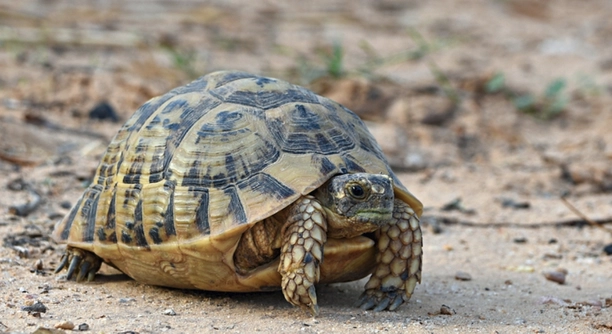
Caring for a Greek tortoise is a rewarding experience, but the needs of a baby tortoise differ from those of an adult. Knowing these differences ensures you’re providing the right environment and care at every stage of their life.
Baby Greek tortoises require more attention to temperature, humidity, and diet than adults, as they are more sensitive to environmental changes. Providing a carefully monitored habitat helps promote healthy growth, while adult tortoises need more space and a consistent, stable environment.
Understanding the needs of your Greek tortoise at various stages will make a significant difference in its care. Adjusting conditions as they grow will help you ensure a happy and healthy life for your pet.
Temperature and Humidity Requirements
Baby Greek tortoises need a warm and controlled environment to thrive. Their habitat should have a temperature range of 80-90°F during the day and a slight drop at night, around 70°F. This helps them digest food properly and stay active. A heat lamp or ceramic heat emitter is essential to provide consistent warmth. The humidity levels are also crucial for their well-being, with a recommended range of 50-60%. To maintain the proper humidity, you can mist the enclosure or use a humidifier. It’s important to keep their environment consistent, as fluctuations can stress them out. Adults, on the other hand, require less specific humidity levels and can tolerate a broader temperature range, typically 70-85°F.
Humidity and temperature are key to baby Greek tortoises’ health. Maintaining these factors correctly will support their growth, making them feel comfortable and safe.
Adults are more resilient and can adapt to changes in temperature and humidity with ease. Baby tortoises need extra care to maintain stable conditions, so you must monitor their environment closely to avoid any disruptions. It is better to err on the side of caution when dealing with babies, especially in their first few months of life.
Feeding and Diet
Diet plays a significant role in the growth and health of Greek tortoises. Baby tortoises need a high-fiber diet with a variety of fresh, leafy greens. Offering dandelion greens, collard greens, and a small amount of cactus pads provides the right balance of nutrients. Protein should be minimal for babies, as their digestive system isn’t fully developed. Overfeeding protein can lead to shell deformities and other health issues. As they grow into adults, Greek tortoises can tolerate a more varied diet with a bit more protein and occasional fruits or flowers. However, a consistent, high-fiber diet remains crucial for adults to maintain a healthy weight and digestive system.
When feeding babies, it’s important to focus on fiber-rich greens. Avoid overfeeding protein, which can cause long-term harm. Keep offering fresh vegetables and change up the variety to avoid dietary deficiencies.
Adults require less frequent meals and a more varied selection. A mix of fibrous plants, grass, and occasional fruits will keep them healthy. The most important thing is moderation, as obesity is common in adult tortoises.
Space Requirements
Baby Greek tortoises need a smaller enclosure to keep them secure and comfortable. A 20-gallon tank is usually sufficient at first, but as they grow, they’ll need more room. A spacious habitat allows them to move freely and exercise, which is essential for healthy development.
For adult tortoises, an enclosure of at least 4 feet by 8 feet is necessary to mimic their natural habitat. Providing ample space reduces stress and allows them to engage in natural behaviors like foraging. It’s also important to have a proper substrate for burrowing, such as coconut coir or sand. Giving them enough space helps them stay active and healthy throughout their lives.
You should avoid housing both baby and adult tortoises together, as their space requirements and activity levels differ. A smaller enclosure may stunt a baby’s growth, while an adult in too small a space can become frustrated or even aggressive.
Lighting and UVB
UVB lighting is essential for both baby and adult Greek tortoises to metabolize calcium and prevent metabolic bone disease. Baby tortoises need a UVB bulb that covers the entire enclosure to ensure they get enough exposure. Keep the light on for about 10-12 hours a day to mimic natural sunlight.
UVB light also helps regulate their circadian rhythms and supports healthy shell growth. As they grow, adult tortoises still require UVB lighting, but they can get by with a single light source over a larger area. For adults, focus on ensuring they have access to natural sunlight, or use a UVB light that covers a wider range. UVB exposure is not only crucial for digestion but also supports their overall immune function and activity levels.
Without proper UVB lighting, both baby and adult tortoises will face health challenges like poor bone development. Ensure the light is the right type, and remember to replace it every six months, as the strength of UVB bulbs diminishes over time.
Shell Care
The shell of a baby Greek tortoise is delicate and requires special attention to avoid damage. Ensure that the enclosure is clean and free from sharp objects that could cause scratches. Regularly check for signs of scarring or cracks, and if necessary, consult a vet for advice.
As your tortoise grows, its shell becomes sturdier, but it still needs care to stay healthy. Shell rot can be a common issue, so always ensure the habitat is dry and well-ventilated. Cleaning the shell gently with a soft brush can also help maintain its condition.
Regularly monitoring your tortoise’s shell will prevent future problems, especially in babies. Handling them with care will avoid unnecessary stress or shell damage.
Hydration
Water is essential for both baby and adult tortoises. Baby Greek tortoises need access to shallow water dishes, making it easier for them to drink and soak without the risk of drowning. Change the water daily to maintain cleanliness.
Adult tortoises, while still requiring fresh water daily, can handle deeper water dishes. However, the water should be shallow enough for them to comfortably soak in. Soaking not only helps with hydration but also aids in shedding skin. Be sure to clean the water dishes thoroughly to prevent bacteria buildup.
Hydration is crucial for their digestion and overall health, whether baby or adult. Offering fresh water and soaking opportunities will contribute to their long-term well-being.
Handling
Baby Greek tortoises are sensitive to stress and should be handled minimally. Always wash your hands before and after handling them to prevent contamination. Gentle, brief handling sessions will help them get used to human interaction without causing undue stress.
For adult tortoises, handling can be more frequent, but they still prefer being left to roam freely. Avoid grabbing or forcing them into your hands, as this can cause stress. Instead, allow them to walk into your hands if they choose to. Handle them with care to avoid injury, especially as they grow larger and heavier.
Both babies and adults benefit from regular, gentle handling, but it’s important to respect their boundaries.
FAQ
How often should I feed my baby Greek tortoise?
Baby Greek tortoises require frequent meals to support their rapid growth. You should feed them once or twice a day, offering a variety of leafy greens and grasses. Make sure to provide fresh food each time and remove any leftovers to avoid spoilage. Young tortoises need more food because their metabolism is faster. As they mature, their feeding frequency can be reduced to every other day, with more emphasis on high-fiber plants and occasional flowers.
Can I keep my baby and adult Greek tortoises together?
It’s generally not recommended to house baby and adult Greek tortoises together. The size difference can lead to stress for the baby, and the adult may unintentionally harm the smaller tortoise. Additionally, babies need different environmental conditions, such as higher humidity and temperatures, which could be challenging in a shared space. It’s best to give each tortoise its own enclosure designed for its specific needs.
What kind of lighting do baby Greek tortoises need?
Baby Greek tortoises need UVB lighting to ensure they can metabolize calcium properly and grow strong shells. A UVB bulb should be placed within the enclosure, providing 10-12 hours of light each day. The light should be positioned to cover the entire habitat to allow even exposure. Without proper lighting, babies are at risk of developing metabolic bone disease. Ensure the UVB bulb is replaced every 6 months, as its strength depletes over time.
Can I feed my adult Greek tortoise fruits and vegetables?
Yes, adult Greek tortoises can eat a variety of fruits and vegetables, but they should be offered in moderation. Their diet should primarily consist of leafy greens and fibrous plants. Fruits like strawberries, apples, and melons can be included occasionally as a treat. Too much fruit can cause digestive issues or obesity, so keep it to small portions. Always focus on providing a variety of leafy greens like collard greens, dandelion greens, and endive for a balanced diet.
How do I know if my Greek tortoise is healthy?
A healthy Greek tortoise will have clear, bright eyes, a firm and smooth shell without cracks or sores, and a good appetite. It should be active and responsive when interacting with its environment. If your tortoise becomes lethargic, refuses food, or shows signs of respiratory issues like wheezing, it may be ill. A healthy tortoise will also have clean, dry skin and should be able to walk and move freely without signs of pain. Regular vet check-ups are essential to keep your tortoise in good health.
How can I tell if my baby Greek tortoise is dehydrated?
Signs of dehydration in a baby Greek tortoise include lethargy, sunken eyes, and dry skin. If a baby tortoise is not drinking enough water, it may also show signs of being less active or eating less than usual. To prevent dehydration, provide a shallow water dish at all times and ensure the humidity levels in the enclosure are within the recommended range. Soaking the tortoise in lukewarm water for 15-20 minutes can help rehydrate it if you suspect dehydration. Always monitor its water intake, especially for babies.
What is the ideal temperature for a baby Greek tortoise?
Baby Greek tortoises need specific temperature regulation to grow properly. During the day, their enclosure should be kept at a temperature of 80-90°F, with a basking spot of around 95°F. At night, temperatures should drop slightly to around 70°F. This range is crucial for their digestion and activity levels. If the temperature is too low, it can slow down their metabolism, and if it’s too high, it can cause stress. Make sure to use a reliable thermometer and heat source to maintain these conditions.
Can Greek tortoises live outside year-round?
Greek tortoises can live outside, but only if the climate is suitable. They thrive in warmer climates, and temperatures should stay above 50°F. In areas where the weather gets cold or there is snow, it’s best to keep them indoors during the winter months. If you live in a suitable climate, ensure their outdoor enclosure is secure from predators and has a shaded area for hot days. You should also have access to a shelter or hiding spot where your tortoise can go if it feels too hot or needs to sleep.
How can I prevent shell rot in my Greek tortoise?
Shell rot is usually caused by excess moisture in the enclosure or poor hygiene. To prevent it, make sure the tortoise’s habitat has proper ventilation and is not overly humid. Avoid soaking the tortoise in water for too long, as this can create a damp environment that promotes bacterial growth. Clean the enclosure regularly, and keep the substrate dry. If you notice any signs of shell rot, such as soft spots or discoloration on the shell, consult a vet immediately for treatment.
Is it necessary to supplement my Greek tortoise’s diet with calcium?
Yes, calcium supplementation is important for both baby and adult Greek tortoises, especially since they need it for strong bone and shell development. Dusting their food with calcium powder is an effective way to ensure they get enough. Baby tortoises need more calcium because their shells are still developing. However, avoid over-supplementing, as too much calcium can lead to health issues. You can also provide a cuttlebone or calcium block in their enclosure as a natural source of calcium. Make sure to provide vitamin D3 as well to help with calcium absorption.
How do I handle a baby Greek tortoise?
Handling a baby Greek tortoise requires care to avoid causing stress or injury. Gently pick them up from the sides, not from the top, as this can feel threatening. Keep handling sessions brief and calm to help them get used to human interaction. Avoid sudden movements, as babies are more skittish and can be easily startled. Regular, gentle handling will help build trust, but always ensure the baby feels secure. If your baby tortoise seems stressed, give it some time to acclimate before handling again.
Why is my Greek tortoise not eating?
If your Greek tortoise isn’t eating, it could be due to several factors. Stress is one of the most common reasons, so check if there are changes in the environment, like temperature or humidity fluctuations. Illness, dehydration, or incorrect diet can also affect their appetite. Make sure the enclosure is properly set up with the right temperature, humidity, and lighting. If the issue persists, it’s important to consult a vet to rule out any underlying health concerns. Keep the food fresh and offer a variety of leafy greens to encourage eating.
Caring for both baby and adult Greek tortoises comes with its own set of challenges, but with proper knowledge and attention to detail, you can ensure they thrive. Whether it’s managing their diet, adjusting their habitat, or monitoring their health, each stage of their life requires specific care. While the differences between baby and adult care may seem overwhelming at first, understanding their unique needs will make the process much smoother. Taking the time to learn about their requirements is the first step in providing them with the best life possible.
It’s important to stay consistent in your care routines, as Greek tortoises are sensitive to environmental changes. Maintaining the right temperature, humidity, and lighting in their enclosure is essential to their well-being. For baby tortoises, special attention is required to ensure they are not exposed to sudden temperature drops or improper humidity levels. As they grow, they become more adaptable, but it’s still important to keep their environment as stable as possible. Always be aware of signs of stress, dehydration, or health issues, as early intervention can make a big difference.
Lastly, regular monitoring and proper care will go a long way in helping your Greek tortoises live long, healthy lives. It’s easy to get caught up in the demands of pet ownership, but knowing what your tortoises need at each stage will help you provide a secure and loving home for them. The more you understand about their specific needs, the better equipped you’ll be to meet them. Caring for your tortoises should be a rewarding experience, and with patience and dedication, you’ll enjoy watching them grow and thrive.

Hello,
If you enjoy the content that we create, please consider saying a "Thank You!" by leaving a tip.
Every little bit helps us continue crafting quality advice that supports the health, happiness, and well-being of pets around the world, for pets of all shapes, sizes, and species.
We really appreciate the kindness and support that you show us!