
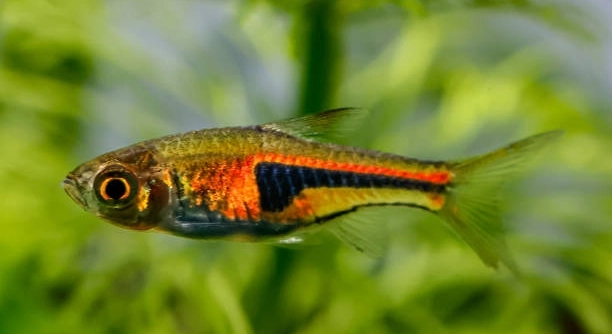
Creating a comfortable environment for rasboras can greatly influence their behavior and well-being. Natural hides help these small fish feel secure, reduce stress, and promote healthier interactions within the aquarium community.
Several items can serve as natural rasbora hides, including live plants, driftwood, rocks, coconut shells, ceramic tubes, moss-covered ornaments, and leaf litter. Each provides shelter and mimicry of their natural habitat, encouraging exploration while reducing stress and territorial disputes.
Using these items correctly can transform your aquarium into a safer, more engaging environment for rasboras to thrive.
Live Plants
Live plants provide excellent coverage for rasboras, offering them both hiding spots and natural filtration benefits. Plants like Java fern, Anubias, and Cryptocoryne can grow densely, allowing the fish to weave through leaves and stems. Their roots and leaves create shade and soft corners, which mimic shallow streams where rasboras are naturally found. Adding plants can also reduce algae by competing for nutrients, keeping the water cleaner. Position taller plants at the back and sides of the aquarium while shorter ones go in the front to create layers of shelter. Floating plants like duckweed can provide top cover, making rasboras feel secure. Regular trimming is essential to prevent overcrowding and maintain water circulation. Healthy plants enhance oxygen levels, benefiting the entire tank ecosystem. Watching rasboras explore plants is calming, as they move confidently through natural covers. This setup also encourages natural behaviors like grazing and darting between shaded areas.
Dense arrangements allow rasboras to hide effectively while maintaining a visually appealing aquarium layout.
Providing live plants not only improves the tank’s aesthetics but also supports fish health. Dense vegetation reduces stress by offering continuous cover. Plants help maintain stable water parameters by absorbing excess nutrients, which discourages algae growth. Rasboras feel safer in environments with multiple hiding spots, leading to more natural schooling behavior. Combining rooted and floating plants creates vertical and horizontal layers, allowing the fish to move freely while remaining concealed. Plant selection should consider growth rate and light needs to prevent overgrowth and shading other species. Maintaining plant health through fertilization and proper lighting ensures they continue to offer effective hiding spaces. Live plants integrate seamlessly with other hiding structures, like driftwood and rocks, creating a more dynamic environment. Over time, plants contribute to a balanced ecosystem, supporting invertebrates and beneficial bacteria. Observing rasboras interacting with plants can reveal subtle social behaviors, making the tank both lively and engaging.
Driftwood
Driftwood provides natural crevices and tunnels that rasboras can explore for shelter and security.
Selecting smooth, aquarium-safe driftwood prevents injuries while enhancing natural aesthetics.
Driftwood not only adds hiding spots but also helps maintain water quality. Certain types release tannins that slightly lower pH and soften water, closely resembling natural habitats. Positioning driftwood vertically or horizontally can create caves, overhangs, and shaded corners for fish to retreat to. Combining driftwood with plants or moss enhances texture and coverage, giving rasboras multiple layers of refuge. Over time, biofilm forms on the wood, which rasboras may graze on, providing additional enrichment. Regular cleaning prevents excessive detritus buildup, ensuring the environment remains safe. Driftwood can be paired with rocks or ceramic ornaments to expand hiding complexity, making the tank more stimulating and secure. By strategically arranging driftwood, aquarists can create calm areas that reduce stress and encourage schooling behavior. The natural appearance blends with other tank elements, producing a harmonious and realistic habitat.
Rocks
Rocks create natural crevices and small caves that rasboras can use for hiding. Smooth, rounded stones are ideal to prevent injuries. Arranging them in clusters provides both vertical and horizontal shelter while adding visual interest to the aquarium.
Rocks serve as stable, long-lasting hiding spots for rasboras. Position larger rocks at the base and smaller ones on top to form natural caves or tunnels. Avoid sharp edges that could harm delicate fins. Combining rocks with moss or small plants can soften the look and provide extra cover. Stacking rocks securely prevents collapses that could injure fish. Over time, rocks also promote biofilm growth, offering additional grazing opportunities. Varying sizes and shapes encourages exploration, allowing rasboras to swim through tight spaces naturally.
Strategically placed rocks help create territories within the tank, reducing stress. Rasboras often dart between these shelters when startled or during social interactions. Rocks near plants or driftwood enhance complexity, giving the fish multiple hiding choices. This layering of structures mimics natural habitats, supporting calmer, more active behavior. Observing them move among these formations shows their natural instincts. Rocks are low-maintenance yet highly effective for making rasboras feel secure. Proper placement ensures safety, while the visual arrangement maintains an appealing aquarium aesthetic.
Coconut Shells
Coconut shells offer enclosed, safe spaces that rasboras can retreat into. Cutting an opening creates a perfect hideout without sharp edges.
These shells are lightweight, easy to position, and naturally durable underwater. They provide small caves that mimic hollow logs or driftwood in rivers. Coconut hides can be partially buried or propped on their side to create different entrances. Over time, algae or moss may grow on the surface, adding camouflage. Multiple shells in a tank allow fish to choose their preferred shelter and establish personal spaces. Coconut shells are affordable, easy to clean, and blend seamlessly with other natural decorations.
Combining coconut shells with plants or rocks enhances hiding complexity. Rasboras feel secure darting in and out of these small caves. They often use shells for resting, reducing exposure to light or sudden movements. Shells placed near mid-level or lower areas of the tank allow fish to explore while remaining protected. Regular rinsing prevents buildup and keeps water quality stable. Their round shape and smooth interior make shells comfortable refuges. This simple addition can significantly reduce stress, encourage natural behaviors, and make the aquarium environment more dynamic.
Ceramic Tubes
Ceramic tubes provide consistent, safe hiding spots for rasboras. Their smooth surfaces prevent injury, and varying sizes allow multiple fish to share a single tube without conflict.
Tubes can be positioned horizontally or vertically. Grouping several together creates a network of tunnels that mimics natural shelters, encouraging exploration and reducing stress.
Moss-Covered Ornaments
Moss-covered ornaments give rasboras both shade and grazing surfaces. The moss creates soft, natural textures that fish can weave through while feeling protected.
Leaf Litter
Leaf litter adds a natural, soft layer on the aquarium bottom. Leaves like Indian almond or oak provide gentle shelter while releasing tannins that slightly soften water. This encourages natural behavior, letting rasboras explore, rest, and feel secure in shaded areas.
FAQ
How do I choose the best hides for my rasboras?
Selecting hides depends on the tank size, fish number, and desired aesthetic. Live plants, driftwood, rocks, coconut shells, ceramic tubes, moss-covered ornaments, and leaf litter all work well. Combining multiple types creates variety, allowing fish to select preferred spots and feel secure.
Can too many hides cause problems?
Too many hides can reduce swimming space and limit water flow, potentially causing stress or poor water quality. Balance coverage with open areas. Arrange hides to maintain pathways for movement, ensuring all fish can access shelter without overcrowding or territorial disputes.
How often should I clean or maintain hides?
Hides need periodic cleaning to prevent algae buildup or debris accumulation. Driftwood, rocks, and ceramic tubes can be rinsed or scrubbed gently. Live plants require trimming to prevent overgrowth. Coconut shells and leaf litter should be replaced or cleaned regularly to maintain hygiene and water stability.
Do hides affect water parameters?
Yes. Driftwood and leaf litter release tannins, softening water and slightly lowering pH. While generally beneficial, monitor levels to ensure stability. Some rocks may alter hardness or mineral content. Regular testing helps maintain an optimal environment for rasboras.
Can hides reduce aggression among rasboras?
Hides provide territory markers and private spaces, which help minimize aggression. Schooling behavior improves when fish have multiple retreat options, lowering stress. Properly placed hides allow subordinate fish to avoid dominant individuals, promoting harmony in the tank.
Are live plants better than artificial hides?
Live plants offer oxygenation, nutrient absorption, and natural grazing opportunities, while artificial hides are more durable and easier to clean. Combining both ensures functional shelters, aesthetic appeal, and environmental enrichment for rasboras.
How do I arrange hides for maximum comfort?
Place taller plants or vertical structures toward the back, shorter plants in the front, and driftwood or rocks to create tunnels or overhangs. Mix different hide types at various heights and areas to encourage exploration and reduce stress. Ensure open swimming spaces remain.
Is it necessary to provide hiding spots for all rasboras?
Yes. Even the most active species benefit from shelters. Hides reduce stress, encourage natural behaviors, and offer refuge during changes, like water shifts or tank maintenance. Consistent access to safe spaces improves overall health and longevity.
Can hiding spots help with breeding?
Hides give females and fry protection from aggression and stress. Plants, tubes, and small crevices provide safe areas for laying eggs and for young fish to hide until they grow strong enough to join the main school.
Do hides require special lighting or placement considerations?
Some live plants need specific light to thrive, while driftwood or rocks require stable positioning to prevent collapse. Floating plants create shaded areas naturally. Balance light and shadow to allow fish comfort while maintaining plant health.
How can I introduce new hides without stressing my rasboras?
Add new decorations slowly, ideally during quieter times. Monitor fish behavior to ensure they adapt and use the new shelter. Gradual introduction prevents panic or hiding in a single area, helping maintain a calm environment.
Are there hides suitable for small tanks?
Yes. Compact options like ceramic tubes, small rocks, or moss ornaments work well. Leaf litter provides ground cover without consuming too much space. Avoid large driftwood pieces that limit swimming room or dominate the tank visually.
How do I know if my hides are effective?
Observe fish behavior. Rasboras should actively explore and rest within shelters. Frequent darting to the open or signs of stress indicate insufficient coverage. Adjust placement or add additional hides to create a balanced, comfortable environment.
Can multiple rasbora species share the same hides?
Yes, if the tank is large enough and the hides are plentiful. Different species may prefer different types of cover, so providing a mix of plants, rocks, and tubes ensures everyone has access to shelter and reduces territorial disputes.
Do hides affect water flow or filtration?
Yes. Dense plant growth or closely packed structures can slow water movement. Ensure filters and pumps maintain adequate circulation, and arrange hides to prevent stagnant areas while still offering refuge. Proper placement ensures both safety and water quality.
Can I use natural items from outside as hides?
Some natural items, like driftwood or leaves, can be used if properly cleaned and sterilized. Avoid items with pesticides, chemicals, or potential toxins. Boiling or soaking in safe water helps prevent contamination and protects water quality.
How often should I rotate or change hides?
Rotation isn’t strictly necessary but can provide environmental enrichment. Changing the layout occasionally encourages exploration and reduces boredom. Maintain some familiar shelters to prevent stress while introducing minor adjustments gradually.
Can hides help with water clarity?
Live plants and some driftwood can improve water quality by absorbing nutrients, which reduces algae growth. Leaf litter and porous rocks may trap debris, so regular maintenance is necessary to maintain clear water while keeping the tank safe and healthy.
Are floating plants effective as hides?
Yes. Floating plants like duckweed or water lettuce provide overhead cover and diffuse light. They create shaded zones where rasboras feel safer, encouraging natural schooling and reducing visible stress in brighter or exposed tank areas.
What should I avoid when adding hides?
Avoid sharp edges, unstable stacks, overcrowding, or chemically treated materials. Too many large items can block swimming space, while unsafe materials risk injury or water contamination. Properly cleaned, stable, and smooth decorations create a safe, engaging environment.
How do hides impact feeding behavior?
Hides give fish confidence, which encourages natural foraging. Fish may retreat during feeding, but adequate hiding spaces prevent panic. Position food in open areas while keeping shelters accessible so all rasboras can feed without stress.
Can hides reduce stress from lighting or external activity?
Yes. Dense plants, floating covers, and tunnels provide shaded or shielded areas. Rasboras feel protected from sudden movements, bright lights, or tank maintenance, helping them remain calm and less prone to stress-related illnesses.
Do hides benefit young or juvenile rasboras differently?
Juveniles are more vulnerable to aggression and stress. Small crevices, moss clusters, or leaf litter give them protection while they grow. Shelters increase survival rates and allow young fish to develop normal behaviors in a safe environment.
Are there budget-friendly hide options?
Yes. Rocks, coconut shells, leaf litter, and moss-covered ornaments are affordable and effective. Even simple DIY hides like hollowed logs or ceramic tubes can provide excellent refuge without a large investment. Budget-friendly hides can still create a dynamic, safe environment.
Can I combine artificial and natural hides?
Absolutely. Combining artificial tubes, ornaments, or caves with live plants, driftwood, and leaf litter creates a diverse habitat. This variety supports natural behavior, reduces stress, and allows fish to choose preferred shelter while maintaining a visually appealing aquarium.
How long does it take for rasboras to adapt to new hides?
Adaptation varies but typically takes a few hours to several days. Fish explore cautiously at first and gradually begin using shelters regularly. Monitoring behavior ensures they are comfortable and that the new arrangement supports their well-being.
Do hides influence breeding success?
Yes. Adequate shelters encourage females to feel secure and lay eggs safely. Fry use small crevices or plants for protection, improving survival rates. A mix of cover types supports natural breeding behavior while minimizing stress for both adults and young fish.
Can I move hides around without upsetting the fish?
Small adjustments are usually tolerated if done slowly. Sudden large rearrangements can stress rasboras. Introduce changes gradually, keeping some familiar shelters in place to maintain comfort and reduce sudden behavioral disruption.
Are certain hides better for specific rasbora species?
Some species prefer dense vegetation, while others favor open spaces with driftwood or rocks. Research species-specific habitat preferences and adjust the mix of hides accordingly to create a comfortable, natural environment for all tank occupants.
How do hides affect tank aesthetics?
Properly placed hides add depth, texture, and natural appeal. Combining plants, driftwood, rocks, and other structures creates layered visuals. Thoughtful arrangement enhances beauty without overcrowding, making the tank both functional and visually pleasing.
Can hides be used in small community tanks?
Yes. Small tanks benefit from compact hides like moss ornaments, leaf litter, or ceramic tubes. They provide security without restricting swimming space, allowing multiple species to coexist peacefully while maintaining open areas for activity.
Do hides help with water temperature fluctuations?
Indirectly. Shelters provide shaded areas where fish can avoid warmer or brighter zones. While they don’t regulate temperature, hiding spots reduce stress from minor fluctuations and allow rasboras to seek comfort in cooler or protected areas.
How do I ensure hides remain safe long-term?
Regular inspection for sharp edges, algae buildup, or deterioration is important. Replace or clean damaged items, trim plants, and monitor water parameters. Maintaining stability and hygiene ensures hides continue to provide safe, effective refuge over time.
Can natural hides host beneficial organisms?
Yes. Moss, driftwood, and leaf litter support biofilm, microfauna, and beneficial bacteria. These organisms improve water quality and create grazing opportunities for rasboras, enhancing both health and environmental enrichment.
Are there seasonal considerations for hides?
Not directly, but live plants may grow faster in warmer months. Regular pruning and monitoring ensure hides remain effective year-round. Driftwood and shells are stable, while leaf litter may need replacement more often depending on decomposition rate.
Do hides influence fish health overall?
Providing adequate hides reduces stress, supports natural behavior, encourages exploration, and lowers aggression. This contributes to stronger immune function, better growth, and longer lifespan, making hides an essential component of a healthy aquarium ecosystem.
How do I introduce hides when starting a new tank?
Add a mix of permanent and adjustable hides during setup. Place larger items first, then fill in gaps with smaller structures. Ensure water flow and open swimming space are balanced before introducing rasboras. Gradually adding plants or floating covers helps maintain stability.
Are there any items I should never use as hides?
Avoid chemically treated wood, sharp or jagged rocks, plastics not intended for aquariums, or items with paint or coatings. Unsafe materials risk injury, toxicity, and water contamination, compromising fish health and the tank environment.
Can hides help manage lighting for shy species?
Yes. Overhead shade from floating plants or dense structures allows shy or timid rasboras to feel safe. They can adjust exposure according to comfort, reducing stress caused by bright lights or open spaces in the aquarium.
Do hides require special water conditioning?
Generally, no. Monitor water parameters regularly. Driftwood and leaves may slightly alter pH and hardness, while live plants benefit from nutrient supplementation. Proper preparation ensures hides remain safe and do not disrupt tank chemistry.
How do hides affect social behavior in schooling rasboras?
Hides reduce tension by providing individual retreat areas. Fish can school freely while knowing safe spots exist. This balance encourages natural interactions and reduces conflicts, promoting a calmer, healthier social dynamic.
Are there ways to simulate seasonal changes using hides?
Varying leaf litter, rearranging plants, or adding new moss ornaments can create subtle environmental changes. This encourages exploration and natural behavior without causing stress, simulating seasonal variation in cover and shading patterns.
Can hides improve survival during tank maintenance?
Yes. During water changes or cleaning, fish can retreat to secure areas. Well-placed hides minimize stress, reduce panic swimming, and protect delicate fins, making maintenance less disruptive for rasboras.
Do hides require special feeding considerations?
Feed in open areas to ensure access, but allow fish to retreat if threatened. Floating or sinking foods can be positioned near shelters without overcrowding. Adequate coverage ensures feeding is safe, reducing stress and competition.
Can I use commercial aquarium decorations as hides?
Yes, if they are smooth, non-toxic, and stable. Combine with natural elements to enhance realism. Moss ornaments, ceramic caves, and artificial plants can provide functional cover while complementing live plants and driftwood.
How do I know if a hide is too small or too large?
Fish should enter comfortably without squeezing or crowding. Too large can dominate space and limit swimming. Too small may be ignored or cause stress. Match hide size to fish number and behavior.
Do hides affect lighting for plants?
Dense hides may shade certain plants, reducing growth. Monitor light distribution and adjust placement to balance fish cover with plant health. Floating or taller structures can create desired shaded zones without hindering photosynthesis.
Are there DIY hide options that are safe?
Yes. Hollowed logs, coconut halves, or smooth stones can be used if cleaned and sterilized. DIY options can be customized for size, shape, and arrangement, creating functional and affordable hiding spaces.
How often should I evaluate hide effectiveness?
Regular observation, ideally weekly, helps determine if fish are using shelters comfortably. Adjust placement or add new structures as needed to maintain a balanced, stress-free environment for rasboras.
Can hides affect water flow in planted tanks?
Yes. Dense plant clusters or stacked rocks can slow circulation. Ensure filters maintain adequate flow, and arrange hides to prevent stagnant zones while still offering refuge for fish.
Do hides help with temperature-sensitive species?
Indirectly. Shelters provide shaded or protected areas where fish can seek comfort. While they don’t control water temperature, hides help fish manage exposure to warmer or brighter zones, reducing stress and supporting natural behavior.
Can I combine multiple hides in small tanks?
Yes, with compact options. Small ceramic tubes, moss ornaments, and leaf litter provide cover without restricting swimming space. Ensure open areas remain for movement while maximizing shelter availability.
How can I make hides look natural?
Combine textures, heights, and types. Use moss, driftwood, rocks, and plants together. Avoid uniform placement; stagger items to mimic rivers or streams. Natural color tones enhance realism.
Are there signs that hides are underused?
Fish consistently avoid shelters, appear stressed, or crowd open areas. This may indicate improper placement, unsuitable size, or excessive exposure. Adjust layout to encourage usage.
Do hides affect water chemistry long-term?
Certain items like driftwood or leaves release tannins, slightly lowering pH and softening water. Regular monitoring ensures these changes remain beneficial and stable, supporting fish health.
Can hides help with nocturnal behavior?
Yes. Shade from plants, tubes, or overhangs allows fish to rest during bright periods. Hides provide safe spaces for night-time or low-light activity, reducing stress and supporting natural rhythms.
Are hides compatible with all tank substrates?
Generally, yes. Rocks, shells, and leaf litter work on sand, gravel, or soil. Ensure stability to prevent shifting. Substrate choice can enhance the natural appearance and effectiveness of hides.
Do hides require acclimation time for fish?
Yes. Fish may be cautious at first. Gradually introducing new structures and monitoring behavior allows rasboras to explore safely, ensuring effective use without stress or territorial issues.
Can hides help reduce fin damage?
Smooth surfaces and rounded edges prevent injury. Hiding spots allow fish to retreat during aggression or maintenance, lowering risk of torn fins or scratches. Proper placement supports health and reduces accidents.
How do hides interact with water flow and filtration?
Hides may redirect water, creating calm zones or eddies. Proper filter placement ensures circulation remains adequate while maintaining refuge areas. Avoid overcrowding that blocks flow completely.
Are there seasonal maintenance tips for hides?
Trim fast-growing plants, replace decomposing leaf litter, and inspect driftwood for buildup. Adjustments maintain effective shelter year-round, ensuring rasboras have safe and clean hiding spots.
Do hides influence stress hormone levels in rasboras?
Adequate shelters reduce stress by providing security, lowering cortisol levels. Calm fish are healthier, more active, and display natural behavior, demonstrating the positive impact of well-planned hiding spaces.
Can hides support tank mates as well?
Yes. Shrimp, snails, and other peaceful species benefit from the same shelters. Layered hides allow multiple species to coexist safely, each finding space for protection and exploration.
How do I prevent overcrowding around popular hides?
Provide multiple options spread throughout the tank. Combine vertical and horizontal structures. This distributes fish and reduces competition, allowing all rasboras to access shelter comfortably.
Can hides be used in temporary quarantine tanks?
Yes. Even short-term tanks benefit from small tubes, moss, or leaf litter. They reduce stress during isolation, encourage normal behavior, and support overall health while fish acclimate or recover.
Are some hides better for schooling versus solitary rasboras?
Schooling species prefer multiple, evenly distributed shelters for group exploration. Solitary or territorial fish may favor isolated or enclosed hides. Match hide type and placement to behavior patterns for optimal results.
Do hides help with acclimating new fish?
Yes. Newly introduced rasboras use shelters to reduce stress and assess their environment safely. Gradual exposure to open areas encourages exploration while maintaining comfort and security.
Can hides influence feeding hierarchy?
Shelters allow subordinate fish to retreat and access food without conflict. This reduces aggression and ensures all individuals can feed adequately, supporting balanced growth and health.
Are there specific shapes or designs that work best?
Natural shapes like curves, tunnels, overhangs, and layered surfaces mimic rivers or streams. Rounded edges and irregular forms provide safety, visual interest, and multiple access points for exploration.
How do I integrate new hides without disturbing established territories?
Add slowly, leaving familiar shelters in place. Monitor fish behavior and place additional hides near open areas rather than replacing occupied shelters. Gradual integration minimizes territorial disputes and stress.
Do hides impact overall tank stability?
Properly placed hides enhance comfort without interfering with water flow, lighting, or plant growth. Monitoring stability ensures they remain safe and beneficial over time, supporting fish health and natural behavior.
Can I combine different hide materials in one tank?
Yes. Combining driftwood, rocks, ceramic tubes, coconut shells, and plants creates layered shelters. The variety encourages exploration, reduces stress, and offers multiple refuge options for different fish preferences.
Are there risks associated with too many hides?
Excessive coverage can reduce swimming space, limit light, and trap detritus. Balance is essential to provide comfort without compromising water quality or fish activity. Regular observation and adjustment help maintain a safe, functional environment.
How do hides affect observation of fish behavior?
Hides provide safe zones, which may temporarily reduce visibility. Fish may spend time concealed but will explore regularly. Layered arrangements balance cover with open areas for observation.
Can hides encourage natural schooling patterns?
Yes. Shelters reduce stress and provide reference points, allowing fish to school confidently. Multiple hiding spots enable coordinated movement while maintaining access to secure areas.
Are there long-term benefits to maintaining effective hides?
Consistent, well-placed hides reduce stress, promote healthy behavior, support breeding, and improve survival. They
Final Thoughts
Creating a comfortable environment for rasboras goes beyond aesthetics. Hides play an essential role in their well-being, providing security and reducing stress. When fish feel safe, they exhibit more natural behaviors, such as schooling, exploring, and resting. The seven items discussed—live plants, driftwood, rocks, coconut shells, ceramic tubes, moss-covered ornaments, and leaf litter—offer a variety of hiding spaces. Each item has unique features that cater to different needs and tank setups. Using a mix of these elements allows rasboras to choose their preferred shelters, which can improve social dynamics and reduce aggression in the aquarium.
Live plants not only offer cover but also help maintain water quality and oxygen levels. Driftwood and rocks create stable structures for fish to navigate and explore, while coconut shells and ceramic tubes provide enclosed refuges. Moss-covered ornaments and leaf litter soften the environment, creating shaded areas and additional grazing opportunities. The arrangement of these hides is just as important as their presence. Placing taller plants and driftwood toward the back, shorter items in the front, and layering rocks or shells can create depth and visual interest. Ensuring open swimming space while providing multiple hiding options balances safety and activity, allowing rasboras to feel confident in moving around the tank. Proper maintenance of hides, including trimming plants, cleaning structures, and replacing decomposing leaves, keeps the environment safe and functional over time.
Observing rasboras interacting with their hides can reveal subtle aspects of their behavior. Fish may retreat when stressed or dart between shelters during social interactions, indicating that their environment is supportive and comfortable. Hides also play a role in breeding, giving females and fry safe spaces to rest and grow without interference. Even small tanks benefit from thoughtfully chosen and positioned hides, as compact options like ceramic tubes or moss ornaments provide sufficient cover without overcrowding. Ultimately, a well-planned combination of natural and artificial hiding spaces supports both the health and happiness of rasboras. By paying attention to their needs and maintaining a balance between shelter and swimming area, aquarists can create an aquarium that encourages natural behavior and reduces stress, resulting in a thriving and visually appealing habitat.

Hello,
If you enjoy the content that we create, please consider saying a "Thank You!" by leaving a tip.
Every little bit helps us continue crafting quality advice that supports the health, happiness, and well-being of pets around the world, for pets of all shapes, sizes, and species.
We really appreciate the kindness and support that you show us!